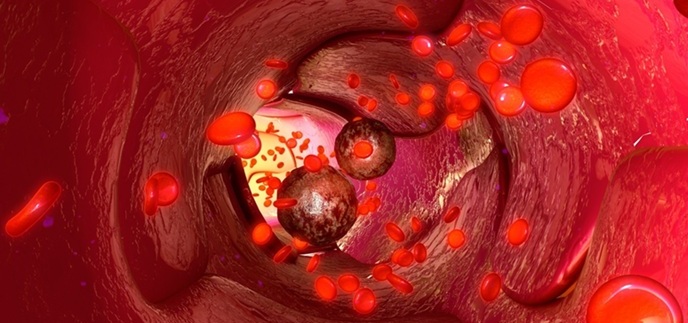
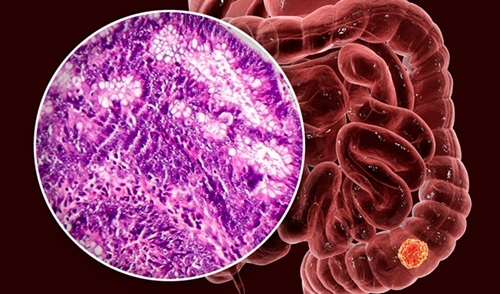
Colorectal cancer (CRC) is still one of the most frequent and deadly cancers world-wide in both women and men and the prevention of this disease is, therefore, a significant public health issue.
Aberrant cytokine signaling has been associated with many diseases, including several cancers, disorders in hematopoiesis and autoimmune diseases and cytokine responses have to be stringently controlled by a number of key regulatory proteins, such as the suppressors of cytokine signaling (SOCSs) family members.
Scientists at the University of Luxembourg (Luxembourg) and their colleagues collected primary colon cancer tissue and matched distant non-neoplastic colon tissue at the farthest longitudinal surgical margin from 66 CRC patients as well as 23 normal tissue samples matching the corresponding tumor samples. There were 35 males and 31 female with a median age of 67 years in the CRC cohort.
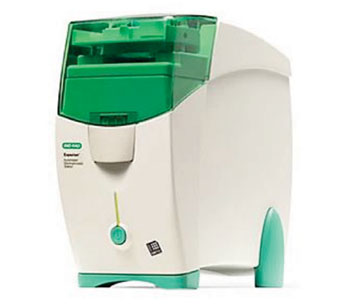
Laser microdissection (LMD) was used to maximize the purity of the epithelial tumor cell population. Ribonucleic acid (RNA)/DNA extraction was performed using commercially available kits and real-time polymerase chain reaction (PCR) assays were performed using TaqMan technology (Applied Biosystems; Foster City, CA, USA). RNA quality was checked by the Experion automated electrophoresis system (Bio-Rad Laboratories; Hercules, CA, USA) and RNA quality from all primary samples was of average quality. For the monitoring of the methylation pattern of the SOCS2 promoter, pyrosequencing and MassARRAY technology was performed (Sequenom; San Diego, CA, USA). Western blots and immunohistochemical analysis was also performed.
The scientists found that in colorectal cancer the amount of two SOCS proteins (SOCS2 and SOCS6) was reduced compared to healthy colon tissue. This suggests that testing for the quantity of these two proteins may be useful in the diagnosis of colorectal cancer. In addition, they found a link between the amount of SOCS2 in early stage colorectal cancer and patients' prognosis. They also discovered that in approximately 25% of the cancer tissues the activation of the SOCS2 gene was blocked. Hence, the gene could not be efficiently activated, and normal amounts of the corresponding SOCS2 protein could not be produced.
The authors concluded that a significantly higher disease-free survival time was observed in patients with high compared to low SOCS2 expression in early CRC stages (stages I and II). Together, their findings imply that SOCS proteins play a role in preventing colon cancer and can be used as biomarkers to distinguish healthy from cancerous colon tissue. It is a very promising first step, which could ultimately lead to the development of a new early diagnostic test for colorectal cancer. The study was published on August 12, 2014, in the
British Journal of Cancer.
Related Links:
University of Luxembourg
Bio-Rad Laboratories
Gold Member
POC Helicobacter Pylori Test Kit
Hepy Urease Test
Automated Chemiluminescence Immunoassay Analyzer
MS-i3080
Urine Chemistry Control
Dropper Urine Chemistry Control