Whole Genome Sequencing Better at Tracing TB Outbreaks
|
By LabMedica International staff writers Posted on 25 Feb 2013 |


|
A study revealed that a new form of genetic testing of the bacteria that cause tuberculosis (TB) provides better information on TB transmission and thus allows tracing of TB outbreaks more accurately than the current standard tests.
A team of experts from public-health institutions, research institutes, and universities in Germany and France led by Stefan Niemann from the Forschungszentrum Borstel (Borstel, Germany) compared the results of the two types of tests on 86 Mycobacterium tuberculosis isolates from a TB outbreak in the German states Hamburg and Schleswig-Holstein (overall 2301 TB cases have been investigated in the study period from 1997 to 2010).
They found that the new test, based on the sequencing of the respective whole genomes (i.e., whole genome sequencing, WGS) provided more accurate information on clustering and temporal spread of the pathogen than the standard tests, which are based on the analysis of small genome regions (classical genotyping). Importantly, while standard tests were not able to distinguish the strains involved, WGS-based analyses revealed that only a particular clone started spreading at the onset of the outbreak, suggesting that subtle differences in the genome might influence the success of pathogen transmission.
"Only genome based investigations allowed us to trace the spread of M. tuberculosis with the resolution needed to visualize transmission patterns correctly," said Dr. Andreas Rötzer, first author of the study.
Genotyping of M. tuberculosis strains is usually used to detect TB outbreaks and guide tracing contacts of TB cases. However, standard genotyping analyses only tiny parts of the genome, and may therefore not be able to distinguish between closely related strains spreading in distinct transmission chains. This was confirmed by this study: WGS-based typing discriminated better the different strain variants involved in the outbreak, was in better agreement with information on known contacts between the patients, and allowed the investigators to more precisely follow the spread of clones over space and time.
Based on the genome sequencing data, the authors were also able to estimate that the genome of M. tuberculosis evolves in its natural host population (infected individuals) at a slower mutation rate than other bacterial pathogens (0.4 mutations per genome per year). This measure of the bacterium’s mutation rate will be useful to trace future outbreaks and estimate when and via which individual they originated.
An additional advantage of WGS compared to standard genotyping is that WGS allows the identification of mutations of bacterial genes causing antibiotic resistance mutations and variations in virulence genes. This is especially important as M. tuberculosis strains that are resistant to the most potent drugs are increasingly emerging in several world regions and rapid detection of resistance is crucial for successful treatment.
The costs of whole genome analysis based on Next Generation Sequencing are declining; therefore, this test could soon become the standard method for identifying transmission patterns and rates of infectious disease outbreaks.
In addition, the authors state: “We envision that the progressive effective implementation of WGS for Public Health and medical diagnostics will also be accelerated by the broader distribution of more accessible and flexible sequencing machines, and upcoming bioinformatics developments to facilitate quick and relevant interpretation of the resulting data by the clinical and medical staff.”
The study was published in PLOS Medicine on February 12, 2013.
Related Links:
Forschungszentrum Borstel





A team of experts from public-health institutions, research institutes, and universities in Germany and France led by Stefan Niemann from the Forschungszentrum Borstel (Borstel, Germany) compared the results of the two types of tests on 86 Mycobacterium tuberculosis isolates from a TB outbreak in the German states Hamburg and Schleswig-Holstein (overall 2301 TB cases have been investigated in the study period from 1997 to 2010).
They found that the new test, based on the sequencing of the respective whole genomes (i.e., whole genome sequencing, WGS) provided more accurate information on clustering and temporal spread of the pathogen than the standard tests, which are based on the analysis of small genome regions (classical genotyping). Importantly, while standard tests were not able to distinguish the strains involved, WGS-based analyses revealed that only a particular clone started spreading at the onset of the outbreak, suggesting that subtle differences in the genome might influence the success of pathogen transmission.
"Only genome based investigations allowed us to trace the spread of M. tuberculosis with the resolution needed to visualize transmission patterns correctly," said Dr. Andreas Rötzer, first author of the study.
Genotyping of M. tuberculosis strains is usually used to detect TB outbreaks and guide tracing contacts of TB cases. However, standard genotyping analyses only tiny parts of the genome, and may therefore not be able to distinguish between closely related strains spreading in distinct transmission chains. This was confirmed by this study: WGS-based typing discriminated better the different strain variants involved in the outbreak, was in better agreement with information on known contacts between the patients, and allowed the investigators to more precisely follow the spread of clones over space and time.
Based on the genome sequencing data, the authors were also able to estimate that the genome of M. tuberculosis evolves in its natural host population (infected individuals) at a slower mutation rate than other bacterial pathogens (0.4 mutations per genome per year). This measure of the bacterium’s mutation rate will be useful to trace future outbreaks and estimate when and via which individual they originated.
An additional advantage of WGS compared to standard genotyping is that WGS allows the identification of mutations of bacterial genes causing antibiotic resistance mutations and variations in virulence genes. This is especially important as M. tuberculosis strains that are resistant to the most potent drugs are increasingly emerging in several world regions and rapid detection of resistance is crucial for successful treatment.
The costs of whole genome analysis based on Next Generation Sequencing are declining; therefore, this test could soon become the standard method for identifying transmission patterns and rates of infectious disease outbreaks.
In addition, the authors state: “We envision that the progressive effective implementation of WGS for Public Health and medical diagnostics will also be accelerated by the broader distribution of more accessible and flexible sequencing machines, and upcoming bioinformatics developments to facilitate quick and relevant interpretation of the resulting data by the clinical and medical staff.”
The study was published in PLOS Medicine on February 12, 2013.
Related Links:
Forschungszentrum Borstel

Gold Member
Automatic Hematology Analyzer
CF9600
New
Automated Coagulation Analyzer
Hemolumi H6
Creatinine/eGFR Meter
StatSensor® Creatinine/eGFR Meter
Latest Molecular Diagnostics News
- New Library Normalization and Amplification Tools Support Oncology Sequencing
- Ultrasensitive HPV Blood Test Predicts Early Recurrence in Head and Neck Cancer
- Statistical Method Improves Detection of Low-Level Cancer DNA in Blood Samples
- AI Tool Improves Accuracy of Cancer Liquid Biopsy for Therapy Selection
- Targeted RNA Test Enhances Genetic Diagnosis in Exome Sequencing
- Blood Test Predicts Immunotherapy Response in Head and Neck Cancer
- Study Highlights Inherited Breast Cancer Risk Genes in Young Black Women
- New PCR Assay Supports Bundibugyo Ebola Outbreak Surveillance
- Blood-Based RNA Test May Predict Chemotherapy Sensitivity in Lung Cancer
- Plasma Protein Signature Predicts Lung Cancer Risk Up to Five Years Ahead
- Circulating Tumor DNA Testing Guides Chemotherapy, Reduces Relapse in Colon Cancer
- Researchers Uncover Distinct Chromosome Signature in Aggresive ALT Cancers
- Simple Cytogenetic Method Could Improve Classification of ALL Subtypes
- Blood-Based Assay Enables Noninvasive Monitoring of Sarcoma Immunotherapy Response
- Genomic Test Guides Chemotherapy Decisions in Early-Stage Breast Cancer
- Tumor Mutation Marker Helps Refine Lung Cancer Prognosis and Guide Therapy Selection
Channels
Clinical Chemistry
view channel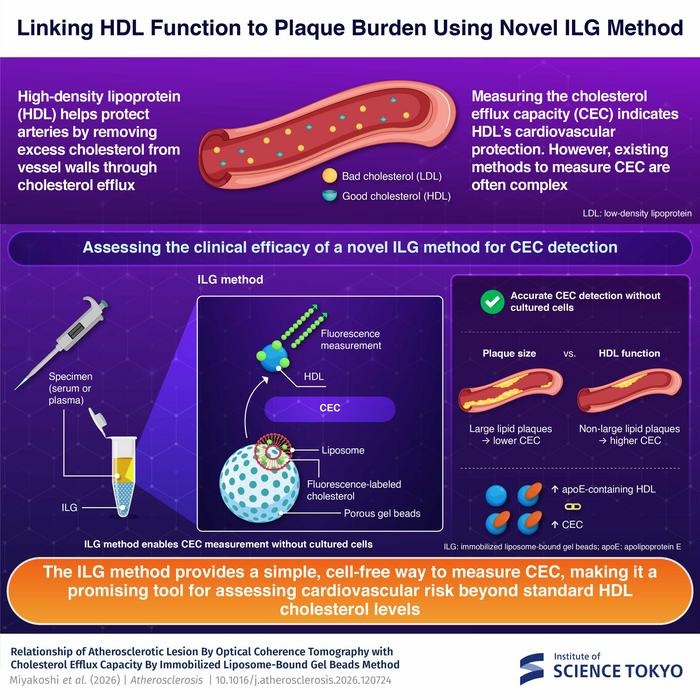
Simple Blood-Based Cholesterol Efflux Assay Identifies High-Risk Coronary Plaque Features
Unstable coronary plaques are difficult to identify before they trigger acute cardiovascular events. Standard high-density lipoprotein (HDL) measurements do not always capture how well HDL particles function... Read more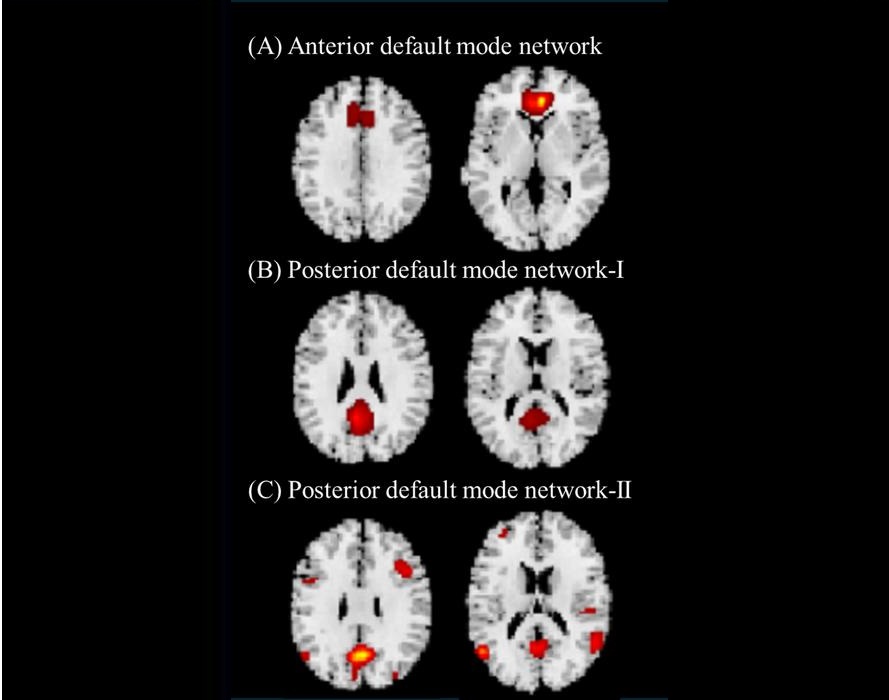
Plasma Vitamin C Levels Associated with Brain Structure and Connectivity in Aging
Previous studies have linked vitamin C–rich diets with lower risk of cognitive impairment in older adults. However, few investigations have directly examined blood plasma vitamin C in relation to brain... Read more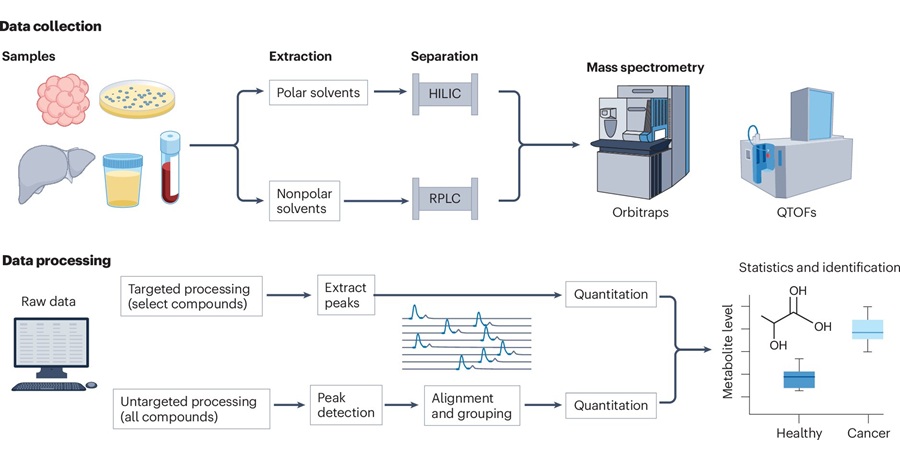
Mass Spectrometry Detects Tumor Metabolites for Cancer Monitoring
Cancer’s altered metabolism complicates how clinicians detect and monitor tumors, because nutrient use can shift with context and time. Measuring small-molecule metabolites that distinguish malignant from... Read more
Urinary Biomarker Assay Predicts Kidney Disease Progression Beyond Standard Measures
Many patients with type 2 diabetes and chronic kidney disease continue to experience progressive renal decline, yet conventional markers such as albuminuria and estimated glomerular filtration rate (eGFR)... Read moreHematology
view channel
Next-Generation Hematology Platform Streamlines High-Complexity Lab Workflows
Sysmex America (Chicago, IL, USA) has introduced the next generation XR-Series, centered on the XR-10 Automated Hematology Module for high-complexity laboratories. The platform builds on the widely used... Read more
Blood Eosinophil Count May Predict Cancer Immunotherapy Response and Toxicity
Immune checkpoint inhibitors have improved outcomes across many cancers, yet only a subset of patients derive durable benefit and biomarkers to guide treatment remain limited. Eosinophils, best known for... Read more
Immunology
view channel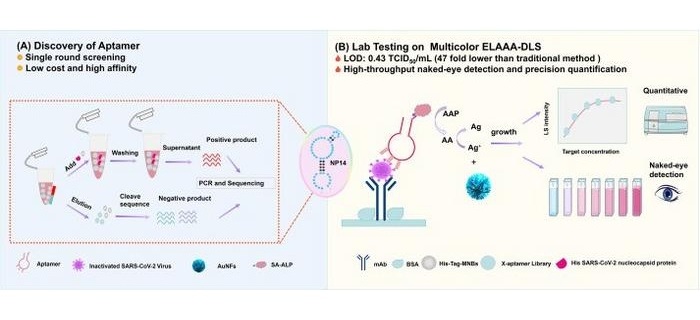
Aptamer-Based Biosensor Enables Mutation-Resilient SARS-CoV-2 Detection
Rapid evolution of severe acute respiratory syndrome coronavirus 2 (SARS-CoV-2) can undermine existing molecular diagnostics, especially when assays target small viral components. Double-antibody sandwich... Read more
Study Points to Autoimmune Pathway Behind Long COVID Symptoms
Long COVID leaves many SARS-CoV-2 survivors with persistent fatigue, cognitive issues, palpitations, and musculoskeletal pain for months or years. Estimates cited in new research suggest 4%–20% of infected... Read more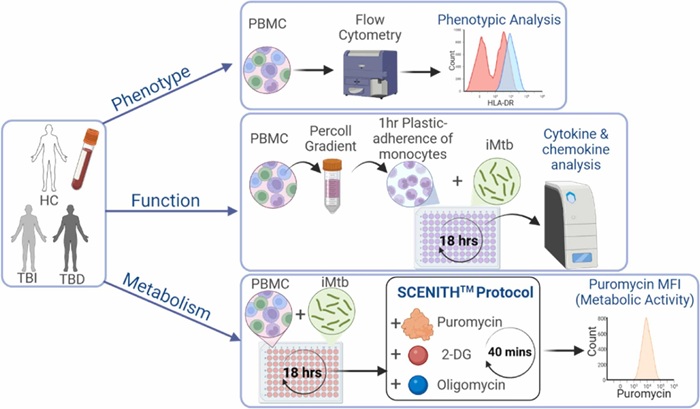
Metabolic Biomarker Distinguishes Latent from Active Tuberculosis and Tracks Treatment Response
Tuberculosis (TB) remains the world’s leading infectious killer, with 10.8 million cases and 1.25 million deaths recorded globally in 2023. Yet many infected individuals never develop active disease, underscoring... Read more
Microbiology
view channel
TORCH Infection Trends Point to Need for Tailored Screening in Pregnancy
Congenital TORCH infections can be asymptomatic during pregnancy yet cause stillbirth, birth defects, and lifelong disability in infants. Many regions still lack robust surveillance to guide testing and... Read more
New Culture Medium Speeds C. difficile Resistance Detection and Reduces Costs
Clostridioides difficile infections remain a persistent threat in hospitals and communities, affecting about 500,000 people in the United States each year. Severe cases can be fatal within 30 days of diagnosis,... Read more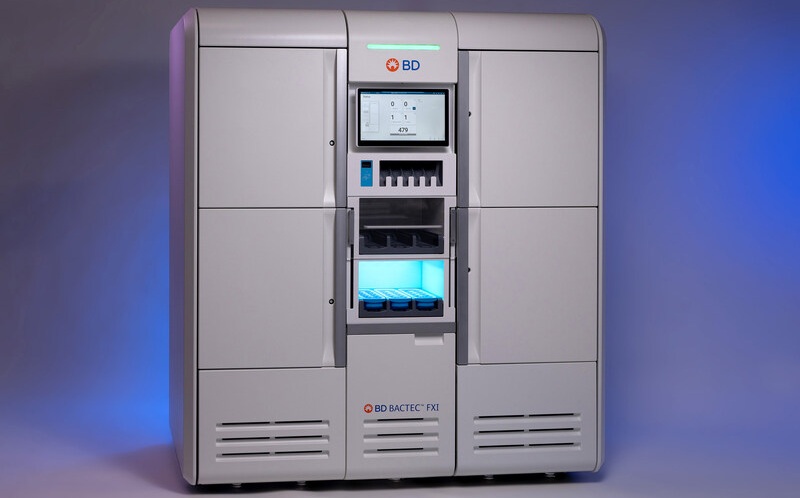
Pathology
view channel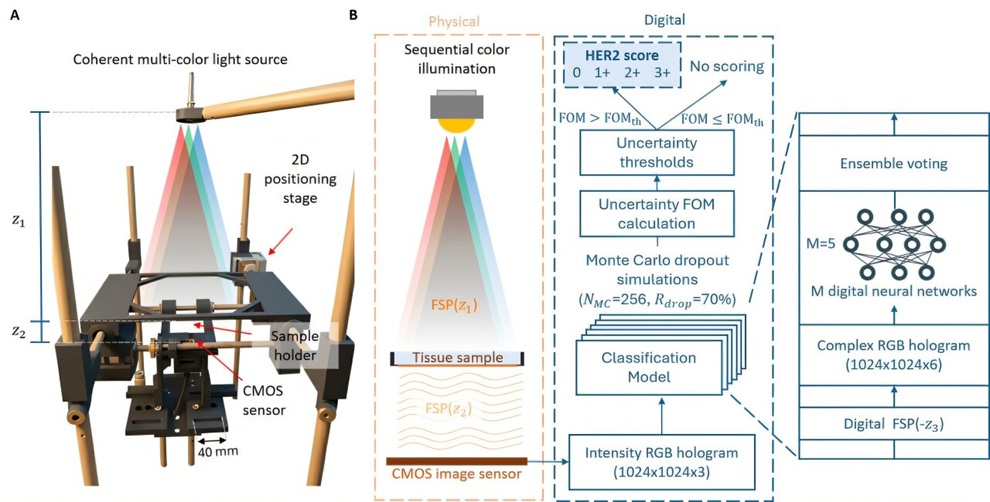
Uncertainty-Aware AI Platform Supports Automated HER2 Assessment in Breast Cancer
Accurate assessment of human epidermal growth factor receptor 2 (HER2) is critical for breast cancer diagnosis and treatment selection, yet scoring variability and infrastructure requirements can complicate... Read more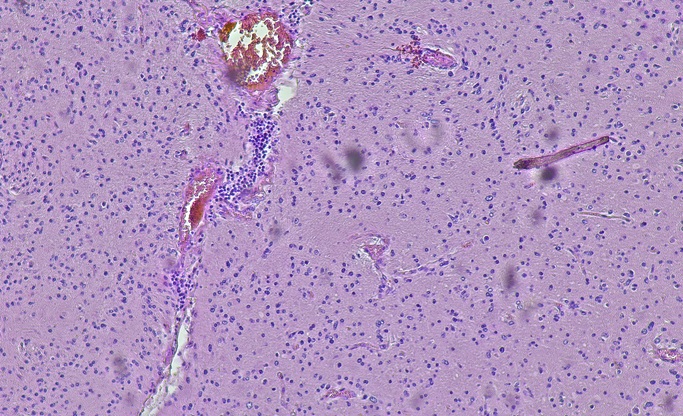
AI Tool Speeds Brain Tumor Classification from Routine Histology Slides
Accurate classification of brain and spinal cord tumors increasingly depends on molecular profiling alongside histology, but access to such testing remains limited and results can take about two weeks.... Read more
IHC Companion Diagnostic Standardizes Mismatch Repair Testing for Cancer Immunotherapy
Deficient DNA mismatch repair is an established predictive biomarker for response to immune checkpoint inhibitors, yet access to standardized assessment has varied across tumor types. Cancer remains the... Read more
Technology
view channel
AI Platform Links Biomarker Results to Cancer Clinical Trials and Guidelines
Oncology teams must manage growing volumes of genomic data, rapidly evolving clinical trial options, and frequently updated care guidelines, all within tight clinic schedules. Translating complex tumor... Read more
Agentic AI Platform Supports Genomic Decision-Making in Oncology
Oncology care teams increasingly face the challenge of managing complex molecular diagnostics, evolving treatment options, and extensive electronic health record documentation. Translating multimodal data... Read more

Industry
view channel
Open-Source Consortium Aims to Standardize Digital Pathology Workflows
Digital pathology is expanding rapidly as laboratories adopt whole-slide imaging and computational tools to meet growing diagnostic and biomarker-testing demand. However, fragmented software infrastructure... Read more