Distinct Molecular Subtype of Prostate Cancer Discovered
|
By LabMedica International staff writers Posted on 05 Jun 2012 |


|
Examination of the genetics of prostate cancer has uncovered a distinct subtype of the disease, one that appears to account for up to 15% of all cases.
The novel mutations in the gene encoding for the Speckle-type Pox virus and Zinc finger protein (SPOP) in numerous patient tumors, is thus far unique to prostate cancer and so represents a distinct molecular class that might assist in cancer diagnosis and treatment.
A collaborative study under the auspices of the Weill Cornell Medical College (New York, NY, USA) looked at different drivers of cancer, which are mutations in specific genes. It focused on the 1% to 2% of DNA in the genome that codes for proteins, and, as such, is one of the largest whole exome sequencing studies. The team completed an intensive exome sequencing of 112 prostate tumors and normal tissue pairs. The findings were verified in another 400 prostate cancer patient samples from other institutions around the country. DNA from tumors and normal samples was also analyzed by single nucleotide polymorphism (SNP) 6.0 arrays (Affymetrix; Santa Clara, CA, USA) to detect somatic copy-number alterations. In addition, transcriptome sequencing (ribonucleic acid RNA-seq) was performed on 22 exome-sequenced tumors and 41 independent samples.
The scientists found three genes significantly altered in the prostate cancers, but not in noncancerous tissue. In addition to SPOP mutations, which occurred in 6% to15% of tumors across multiple independent cohorts, they found mutations in the Forkhead box protein A1 (FOXA1) and the mediator of RNA polymerase II transcription, subunit 12 homolog (MED12) genes, each of which are found in about 4% of patient tumors. Further examination revealed the interesting nature of SPOP mutations. SPOP belongs to a class of proteins known as ubiquitin ligases, whose role is to mark other proteins in the cell for degradation. The mutations the team discovered all occur where the SPOP protein binds to the other proteins it should tag.
Levi A. Garraway, MD PhD a senior author and assistant professor at the Dana-Farber Cancer Institute (Boston, MA, USA) said "This prostate cancer subtype appears to contain abnormalities in cellular processes that are quite new to prostate cancer researchers, and should open up many future avenues for enhanced understanding of the disease. Going forward, we will attempt to define the specific biological roles of several new prostate cancer genes, and we will characterize new prostate cancer genomic alterations that are emerging through ongoing discovery efforts." The study was published May 20 2012 in the journal Nature Genetics.
Related Links:
Weill Cornell Medical College
Affymetrix
Dana-Farber Cancer Institute





The novel mutations in the gene encoding for the Speckle-type Pox virus and Zinc finger protein (SPOP) in numerous patient tumors, is thus far unique to prostate cancer and so represents a distinct molecular class that might assist in cancer diagnosis and treatment.
A collaborative study under the auspices of the Weill Cornell Medical College (New York, NY, USA) looked at different drivers of cancer, which are mutations in specific genes. It focused on the 1% to 2% of DNA in the genome that codes for proteins, and, as such, is one of the largest whole exome sequencing studies. The team completed an intensive exome sequencing of 112 prostate tumors and normal tissue pairs. The findings were verified in another 400 prostate cancer patient samples from other institutions around the country. DNA from tumors and normal samples was also analyzed by single nucleotide polymorphism (SNP) 6.0 arrays (Affymetrix; Santa Clara, CA, USA) to detect somatic copy-number alterations. In addition, transcriptome sequencing (ribonucleic acid RNA-seq) was performed on 22 exome-sequenced tumors and 41 independent samples.
The scientists found three genes significantly altered in the prostate cancers, but not in noncancerous tissue. In addition to SPOP mutations, which occurred in 6% to15% of tumors across multiple independent cohorts, they found mutations in the Forkhead box protein A1 (FOXA1) and the mediator of RNA polymerase II transcription, subunit 12 homolog (MED12) genes, each of which are found in about 4% of patient tumors. Further examination revealed the interesting nature of SPOP mutations. SPOP belongs to a class of proteins known as ubiquitin ligases, whose role is to mark other proteins in the cell for degradation. The mutations the team discovered all occur where the SPOP protein binds to the other proteins it should tag.
Levi A. Garraway, MD PhD a senior author and assistant professor at the Dana-Farber Cancer Institute (Boston, MA, USA) said "This prostate cancer subtype appears to contain abnormalities in cellular processes that are quite new to prostate cancer researchers, and should open up many future avenues for enhanced understanding of the disease. Going forward, we will attempt to define the specific biological roles of several new prostate cancer genes, and we will characterize new prostate cancer genomic alterations that are emerging through ongoing discovery efforts." The study was published May 20 2012 in the journal Nature Genetics.
Related Links:
Weill Cornell Medical College
Affymetrix
Dana-Farber Cancer Institute

Gold Member
Quantitative POC Immunoassay Analyzer
EASY READER+
New
Automated Coagulation Analyzer
Hemolumi H6
Food Allergy Screening ELISA Kit
Allerquant 14G B ELISA
Latest Molecular Diagnostics News
- Blood Test Predicts Immunotherapy Response in Head and Neck Cancer
- New PCR Assay Supports Bundibugyo Ebola Outbreak Surveillance
- Blood-Based RNA Test May Predict Chemotherapy Sensitivity in Lung Cancer
- Plasma Protein Signature Predicts Lung Cancer Risk Up to Five Years Ahead
- Circulating Tumor DNA Testing Guides Chemotherapy, Reduces Relapse in Colon Cancer
- Researchers Uncover Distinct Chromosome Signature in Aggresive ALT Cancers
- Simple Cytogenetic Method Could Improve Classification of ALL Subtypes
- Blood-Based Assay Enables Noninvasive Monitoring of Sarcoma Immunotherapy Response
- Genomic Test Guides Chemotherapy Decisions in Early-Stage Breast Cancer
- Tumor Mutation Marker Helps Refine Lung Cancer Prognosis and Guide Therapy Selection
- Multi-Cancer Test Boosts Detection When Added to Standard Screening
- Blood-Based MRD Monitoring Supports Relapse Prevention in Leukemia
- Genomic Test Predicts Chemotherapy Benefit in Metastatic Prostate Cancer
- Blood Protein Markers Flag Multiple Sclerosis Risk Years Before Diagnosis
- Digital PCR Assays Support Surveillance of Bundibugyo Ebolavirus Outbreak
- Updated Guidance Prioritizes Stool-Based Colorectal Cancer Screening Tests
Channels
Clinical Chemistry
view channel
Urinary Biomarker Assay Predicts Kidney Disease Progression Beyond Standard Measures
Many patients with type 2 diabetes and chronic kidney disease continue to experience progressive renal decline, yet conventional markers such as albuminuria and estimated glomerular filtration rate (eGFR)... Read more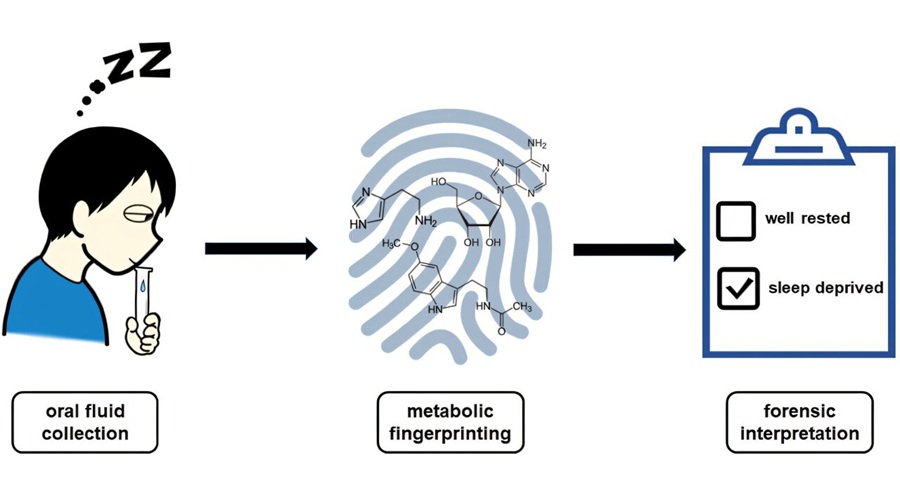
Saliva-Based Test Detects Biochemical Signs of Sleep Loss
Acute sleep loss impairs cognition and motor skills, raising safety risks that resemble alcohol intoxication. Clinicians currently lack an objective biochemical test to determine when someone is dangerously... Read more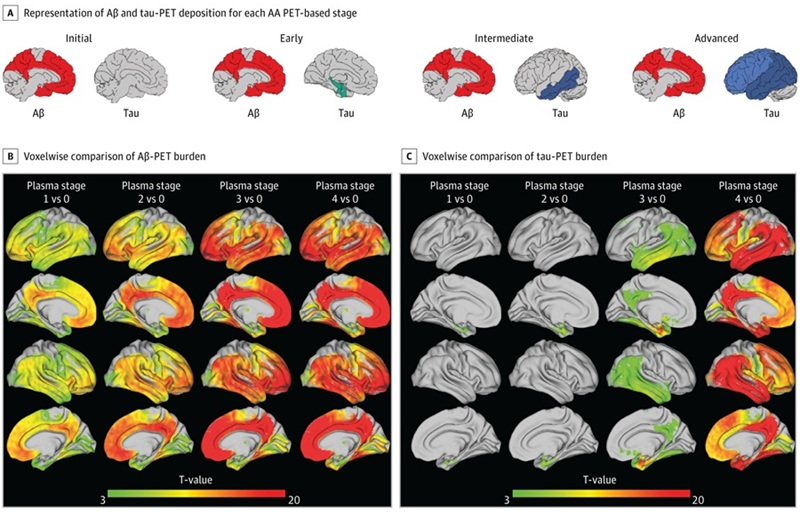
Simple Dual-Tau Blood Test Detects and Stages Alzheimer’s Disease
Alzheimer’s disease is typically confirmed and staged with positron emission tomography scans and cerebrospinal fluid testing, procedures that are costly and invasive. Broader access to minimally invasive... Read more
Alzheimer’s Blood Biomarkers Linked to Early Cognitive Differences Before Dementia
Blood-based screening for Alzheimer’s disease offers a noninvasive, lower-cost alternative to brain imaging or spinal fluid testing, yet its ability to flag the earliest cognitive changes has been unclear.... Read moreHematology
view channel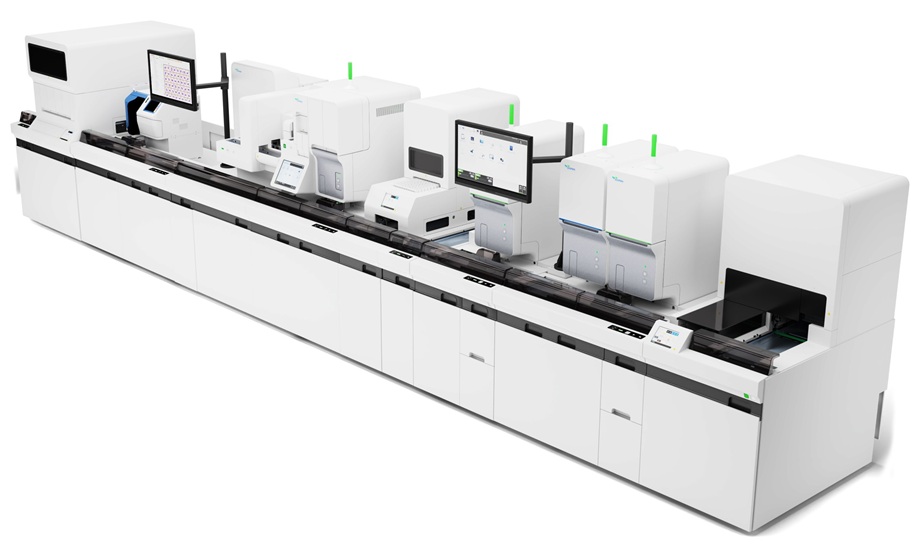
Next-Generation Hematology Platform Streamlines High-Complexity Lab Workflows
Sysmex America (Chicago, IL, USA) has introduced the next generation XR-Series, centered on the XR-10 Automated Hematology Module for high-complexity laboratories. The platform builds on the widely used... Read more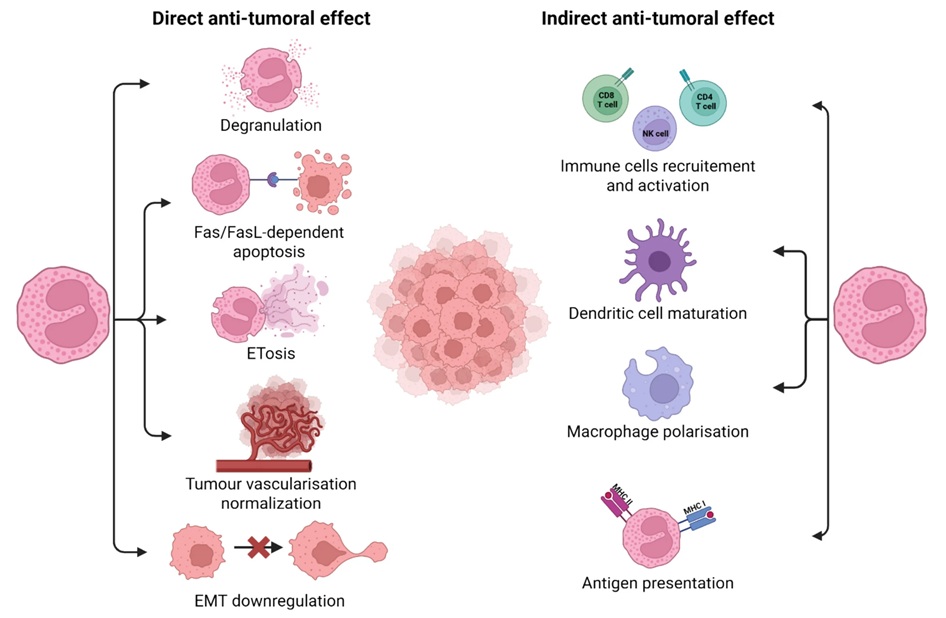
Blood Eosinophil Count May Predict Cancer Immunotherapy Response and Toxicity
Immune checkpoint inhibitors have improved outcomes across many cancers, yet only a subset of patients derive durable benefit and biomarkers to guide treatment remain limited. Eosinophils, best known for... Read more
Immunology
view channel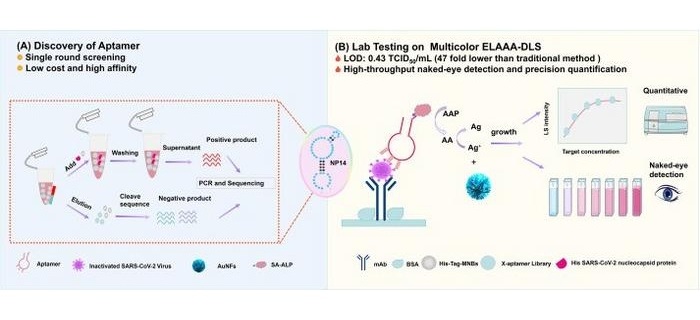
Aptamer-Based Biosensor Enables Mutation-Resilient SARS-CoV-2 Detection
Rapid evolution of severe acute respiratory syndrome coronavirus 2 (SARS-CoV-2) can undermine existing molecular diagnostics, especially when assays target small viral components. Double-antibody sandwich... Read more
Study Points to Autoimmune Pathway Behind Long COVID Symptoms
Long COVID leaves many SARS-CoV-2 survivors with persistent fatigue, cognitive issues, palpitations, and musculoskeletal pain for months or years. Estimates cited in new research suggest 4%–20% of infected... Read more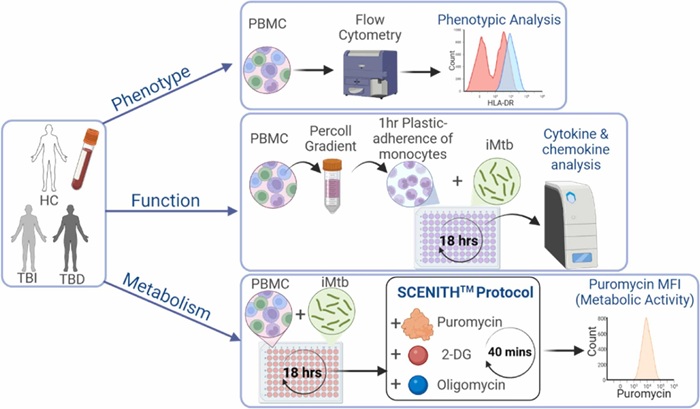
Metabolic Biomarker Distinguishes Latent from Active Tuberculosis and Tracks Treatment Response
Tuberculosis (TB) remains the world’s leading infectious killer, with 10.8 million cases and 1.25 million deaths recorded globally in 2023. Yet many infected individuals never develop active disease, underscoring... Read more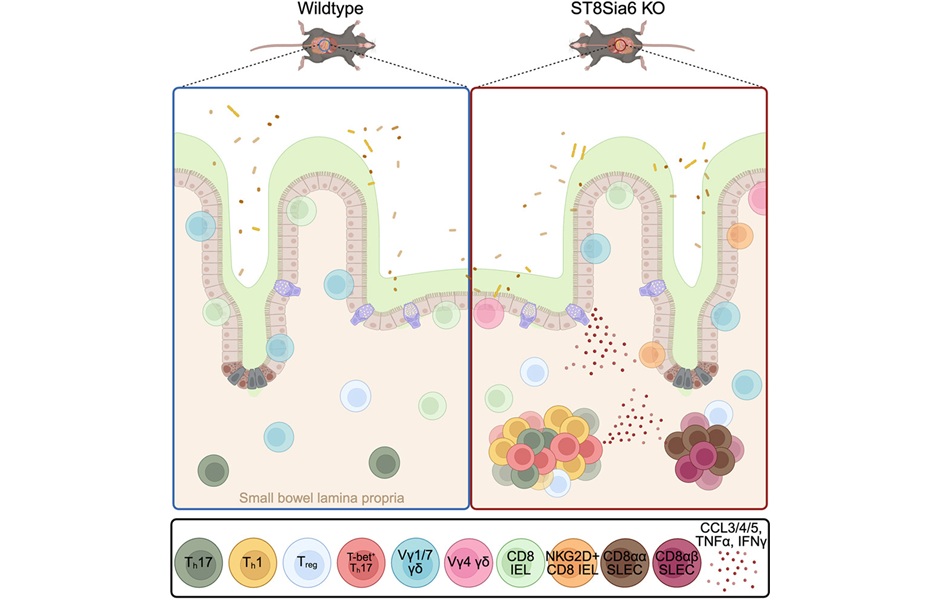
Microbiology
view channel
New Culture Medium Speeds C. difficile Resistance Detection and Reduces Costs
Clostridioides difficile infections remain a persistent threat in hospitals and communities, affecting about 500,000 people in the United States each year. Severe cases can be fatal within 30 days of diagnosis,... Read more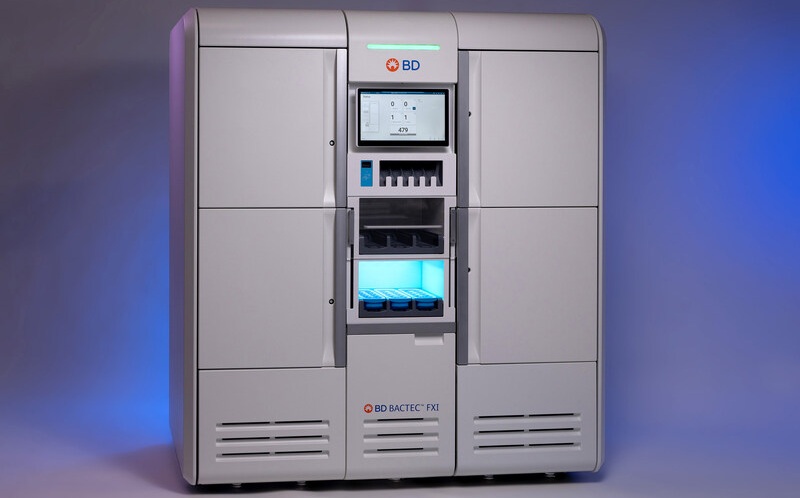
Automated Blood Culture System Speeds Detection of Bloodstream Infections
Bloodstream infections and sepsis require rapid laboratory detection to guide targeted antimicrobial therapy and reduce mortality. Conventional blood culture workflows can delay actionable results by critical... Read more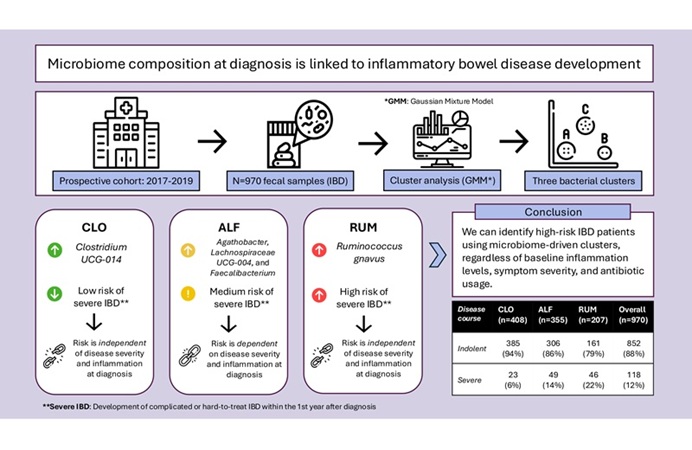

Pathology
view channel
AI Pathology Tool Predicts Meningioma Recurrence from Routine Slides
Meningiomas are the most common primary brain tumors in adults, yet their course ranges from indolent to highly recurrent disease. Estimating an individual patient’s recurrence risk often requires advanced... Read more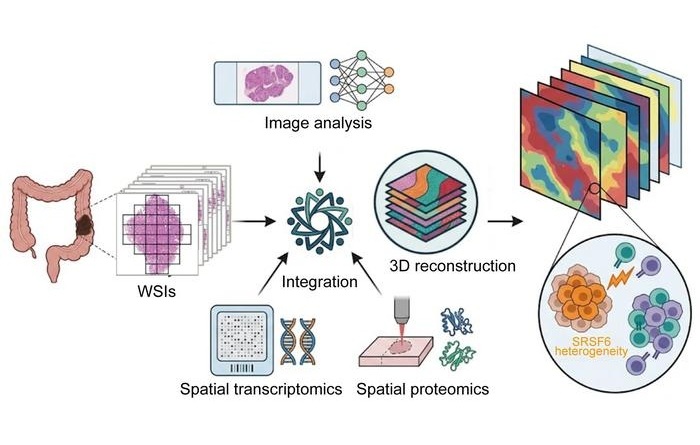
3D Spatial Multi-Omics Maps Intra-Tumor Diversity in Colorectal Cancer
Colorectal cancer remains a leading cause of cancer death, and clinical decision-making is complicated by marked intra-tumor heterogeneity. Conventional bulk sequencing averages molecular signals across... Read more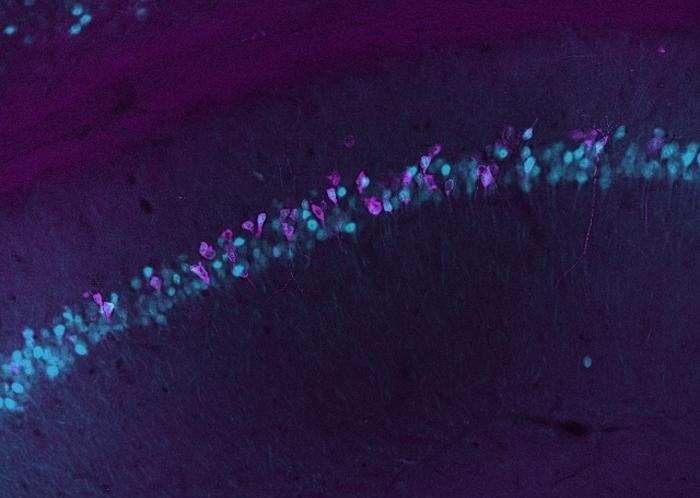
Technology
view channel
AI Platform Links Biomarker Results to Cancer Clinical Trials and Guidelines
Oncology teams must manage growing volumes of genomic data, rapidly evolving clinical trial options, and frequently updated care guidelines, all within tight clinic schedules. Translating complex tumor... Read more
Agentic AI Platform Supports Genomic Decision-Making in Oncology
Oncology care teams increasingly face the challenge of managing complex molecular diagnostics, evolving treatment options, and extensive electronic health record documentation. Translating multimodal data... Read more

Industry
view channel
Genetic Testing Program Expands Detection of Alpha-1 Antitrypsin Deficiency
Alpha-1 Antitrypsin Deficiency (AATD) is a progressive genetic condition, the leading known genetic risk factor for chronic obstructive pulmonary disease (COPD), and a cause of liver disease in both children... Read more