Updated Guidance Prioritizes Stool-Based Colorectal Cancer Screening Tests
Posted on 29 May 2026
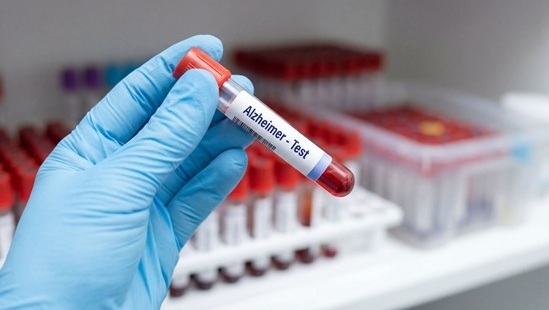
Colorectal cancer is the second-leading cause of cancer death in the United States and claimed an estimated 55,000 lives in 2026. Incidence is rising among adults younger than 50, even as overall mortality has declined with improved screening. Many eligible adults remain unscreened, underscoring the need for accurate, acceptable options. New findings demonstrate that updated recommendations now prioritize a stool RNA test and an updated stool DNA test while advising limited use of blood-based screening.
The American Cancer Society (ACS) has endorsed updated colorectal cancer screening recommendations following an expert-led review of available tests. The update adds a stool RNA test and an updated stool DNA test to the menu of preferred options and emphasizes a pragmatic, patient-centered approach to drive completion of screening. The guidance advises clinicians to recommend blood-based screening only when a patient declines all other options.
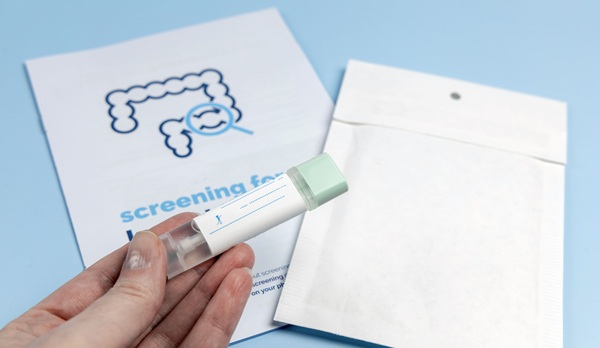
The guideline update reflects a review of new multi-target stool tests and blood-based screening tests. A patient survey cited in the update found that 53% of respondents preferred blood testing every three years over annual stool testing or colonoscopy every 10 years. The recommendations aim to help clinicians match test characteristics with patient preferences to increase adherence.
According to the expert review, stool DNA and RNA tests demonstrated high sensitivity for detecting colorectal cancer and moderate sensitivity for advanced precancerous lesions. In contrast, blood tests showed lower sensitivity for both advanced precancerous lesions and stage 1 cancers. The panel endorses stool tests for average-risk patients, urges reserving blood tests for those refusing other options, and recommends prompt colonoscopy after any positive stool or blood test. Clinicians are encouraged to explain the strengths and limitations of each modality so patients can make informed choices. The ACS previously lowered the initial screening age for average-risk individuals from 50 to 45 in 2018.
“Although the idea of a blood test for colorectal cancer sounds very attractive, they aren't yet as good as the other tests at detecting precancerous growths and early-stage cancer, so we don't believe they are as effective as a screening test. That said, we're very hopeful that broadening the array of options will get more folks screened and reduce the burden of suffering from colorectal cancer,” said Andrew Wolf, MD, professor emeritus at the University of Virginia School of Medicine.
“Currently, almost a third of adults are not up to date with colorectal cancer screening, and among those ages 45 to 49, it's twice that number. We hope these new options will help to close this gap. The most important message is that colorectal cancer is a disease you don't have to die from, and there's a screening test out there that's right for you,” said Wolf.
Related Links
The American Cancer Society
UVA Health