Synthetic Reagents Improve Sensitivity and Specificity of Immunoassays
|
By LabMedica International staff writers Posted on 30 Dec 2009 |


|
Synthetic reagents enhance sensitivity and specificity in enzyme-linked immunosorbent assays (ELISAs), rapid tests, and other immunoassays by decreasing nonspecific binding and stabilizing antibody-antigen complexes.
The wholly synthetic biocompatible bovine serum albumin (BSA) substitutes provide more effective blocking than BSA and generally improve overall signal to noise. In addition, because they are synthetic, the reagents do not require any special handling normally associated with animal-derived materials and offer consistent lot-to-lot performance.
Supplied by B-Bridge International (Mountain View, CA, USA), the Biolipidure reagents are not susceptible to degradation and protease digestion, because they are nonbiological polymers. These polymers are extremely stable at high temperature and over multiple freeze-thaw cycles. This characteristic increases the robustness of reagents containing these compounds, enables antibodies to remain functional longer, and extends the shelf life of immunoassay kits.
The basic Biolipidure monomer contains a functional side group, which introduces some variability to the different polymers. The specific molecular weights, hydrophilicity-hydrophobicity, and ionic properties of the side groups produce a range of Biolipidure reagents whose secondary characteristics vary.
Because they are completely synthetic, Biolipidure reagents do not require any special handling normally associated with animal-derived materials and there is negligible lot-to-lot variation. There is no need to optimize for each lot and purchase large amounts of a single lot to obtain consistent results.
Related Links:
B-Bridge International






The wholly synthetic biocompatible bovine serum albumin (BSA) substitutes provide more effective blocking than BSA and generally improve overall signal to noise. In addition, because they are synthetic, the reagents do not require any special handling normally associated with animal-derived materials and offer consistent lot-to-lot performance.
Supplied by B-Bridge International (Mountain View, CA, USA), the Biolipidure reagents are not susceptible to degradation and protease digestion, because they are nonbiological polymers. These polymers are extremely stable at high temperature and over multiple freeze-thaw cycles. This characteristic increases the robustness of reagents containing these compounds, enables antibodies to remain functional longer, and extends the shelf life of immunoassay kits.
The basic Biolipidure monomer contains a functional side group, which introduces some variability to the different polymers. The specific molecular weights, hydrophilicity-hydrophobicity, and ionic properties of the side groups produce a range of Biolipidure reagents whose secondary characteristics vary.
Because they are completely synthetic, Biolipidure reagents do not require any special handling normally associated with animal-derived materials and there is negligible lot-to-lot variation. There is no need to optimize for each lot and purchase large amounts of a single lot to obtain consistent results.
Related Links:
B-Bridge International

Gold Member
Neonatal Heel Incision Device
Tenderfoot
Immunofluorescence Analyzer
IFA System
Hematology Consumables
Bioblood Devices
Latest Immunology News
- Aptamer-Based Biosensor Enables Mutation-Resilient SARS-CoV-2 Detection
- Metabolic Biomarker Distinguishes Latent from Active Tuberculosis and Tracks Treatment Response
- Study Points to Autoimmune Pathway Behind Long COVID Symptoms
- Immune Enzyme Linked to Treatment-Resistant Inflammatory Bowel Disease
- Simple Blood Test Could Replace Biopsies for Lung Transplant Rejection Monitoring
- Routine TB Screening Test May Reveal Immune Aging and Mortality Risk
- Biomarkers and Molecular Testing Advance Precision Allergy Care
- Point-of-Care Tests Could Expand Access to Mpox Diagnosis
- T-Cell Senescence Profiling May Predict CAR T Responses
- Finger-Prick Lateral Flow Test Detects Sepsis Biomarkers at Point of Care
- Study Highlights Low Sensitivity of Current Lyme Tests in Early Infection
- Immune Aging Clock Quantifies Immunosenescence and Identifies Therapeutic Target
- Study Finds Influenza Often Undiagnosed in Winter Deaths
- Combined Screening Approach Identifies Early Leprosy Cases
- Antibody Blood Test Identifies Active TB and Distinguishes Latent Infection
- FDA Approval Expands Use of PD-L1 Companion Diagnostic in Esophageal and GEJ Carcinomas
Channels
Clinical Chemistry
view channel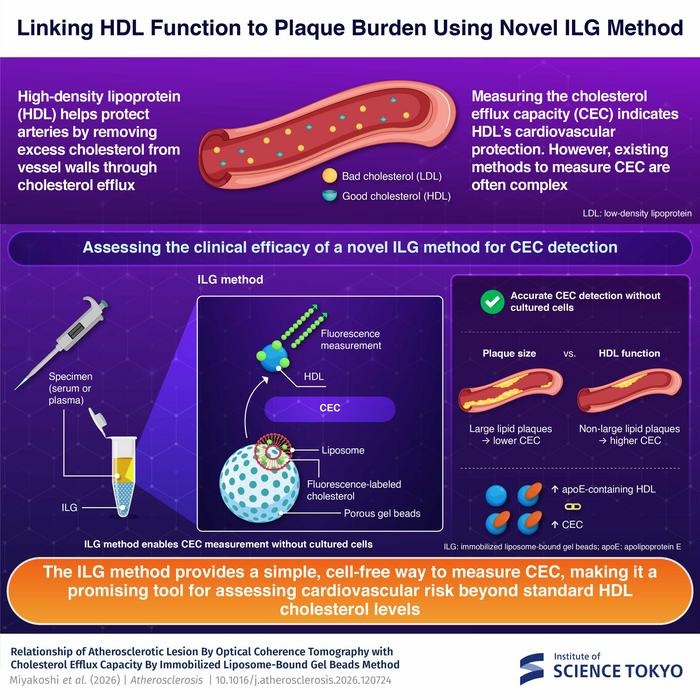
Simple Blood-Based Cholesterol Efflux Assay Identifies High-Risk Coronary Plaque Features
Unstable coronary plaques are difficult to identify before they trigger acute cardiovascular events. Standard high-density lipoprotein (HDL) measurements do not always capture how well HDL particles function... Read more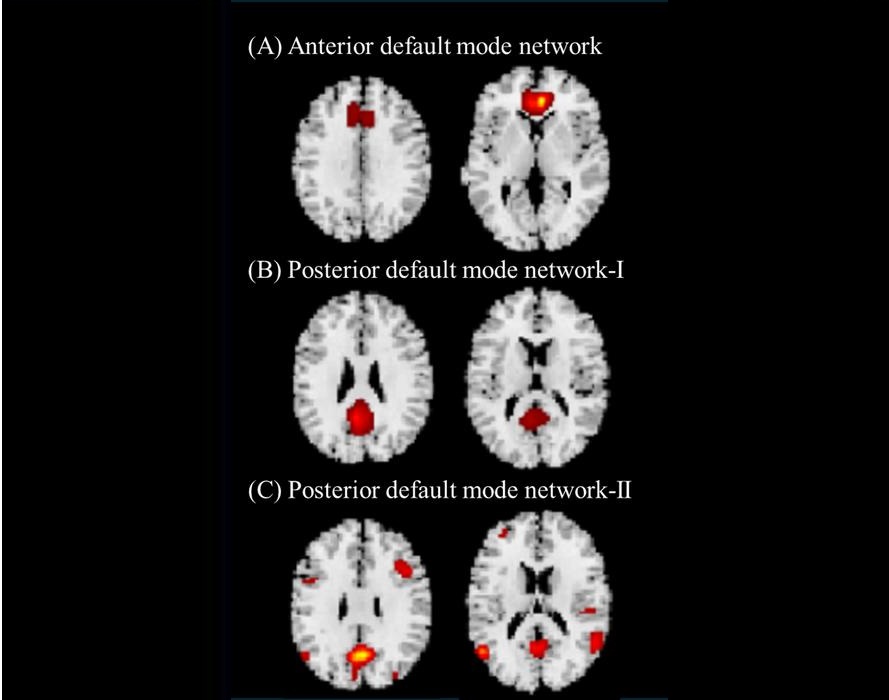
Plasma Vitamin C Levels Associated with Brain Structure and Connectivity in Aging
Previous studies have linked vitamin C–rich diets with lower risk of cognitive impairment in older adults. However, few investigations have directly examined blood plasma vitamin C in relation to brain... Read more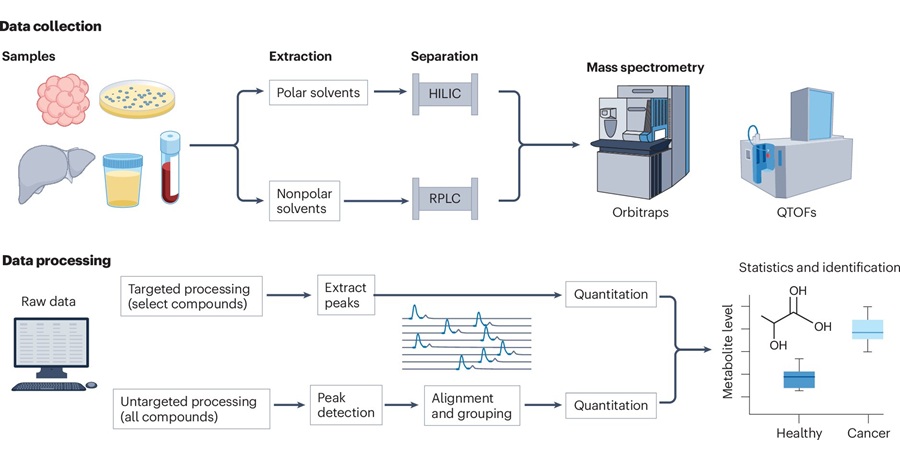
Mass Spectrometry Detects Tumor Metabolites for Cancer Monitoring
Cancer’s altered metabolism complicates how clinicians detect and monitor tumors, because nutrient use can shift with context and time. Measuring small-molecule metabolites that distinguish malignant from... Read more
Urinary Biomarker Assay Predicts Kidney Disease Progression Beyond Standard Measures
Many patients with type 2 diabetes and chronic kidney disease continue to experience progressive renal decline, yet conventional markers such as albuminuria and estimated glomerular filtration rate (eGFR)... Read moreMolecular Diagnostics
view channel
Ultrasensitive HPV Blood Test Predicts Early Recurrence in Head and Neck Cancer
Human papillomavirus (HPV)-associated head and neck cancers are frequently treated with surgery, but some patients experience recurrence due to residual microscopic disease. Postoperative decisions about... Read more
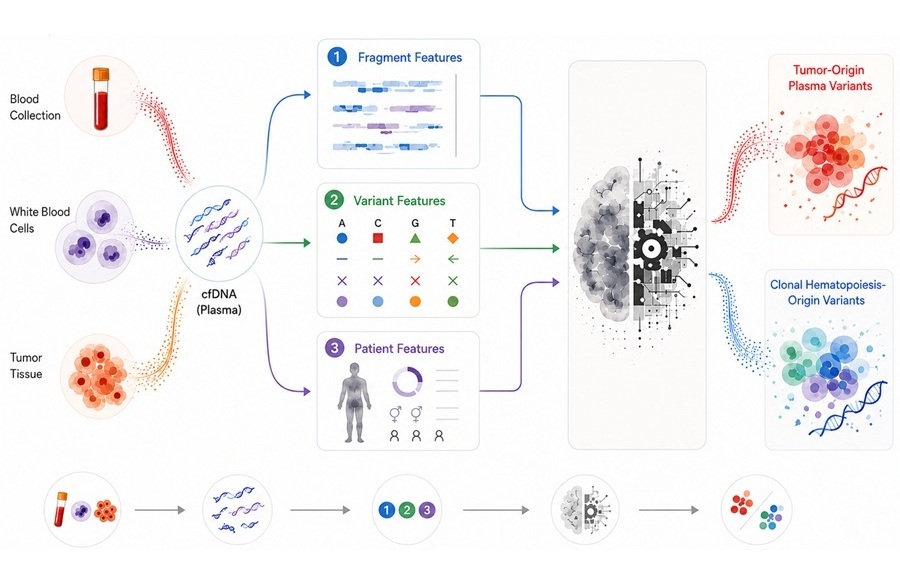
New Library Normalization and Amplification Tools Support Oncology Sequencing
High-throughput next-generation sequencing (NGS) laboratories continue to grapple with uneven library pooling and amplification artifacts that can degrade variant calling accuracy and increase reruns.... Read more
Hematology
view channel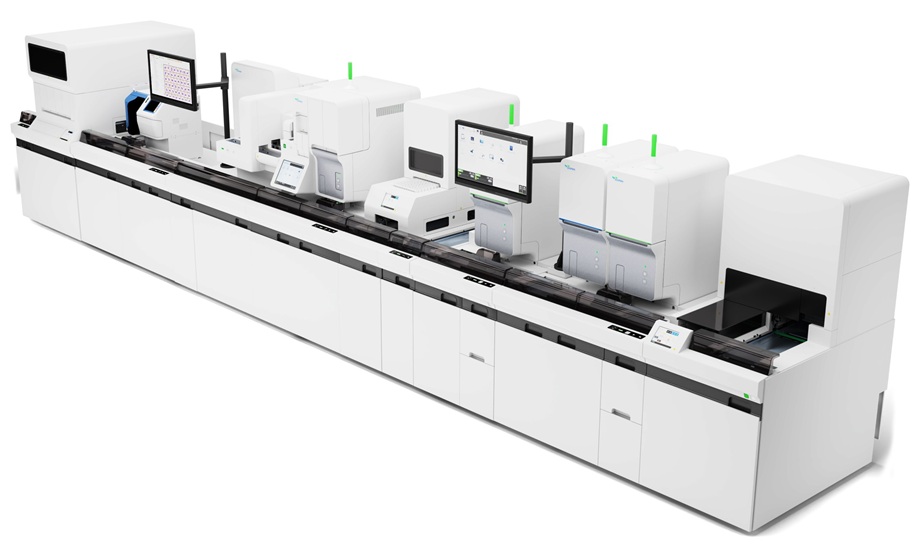
Next-Generation Hematology Platform Streamlines High-Complexity Lab Workflows
Sysmex America (Chicago, IL, USA) has introduced the next generation XR-Series, centered on the XR-10 Automated Hematology Module for high-complexity laboratories. The platform builds on the widely used... Read more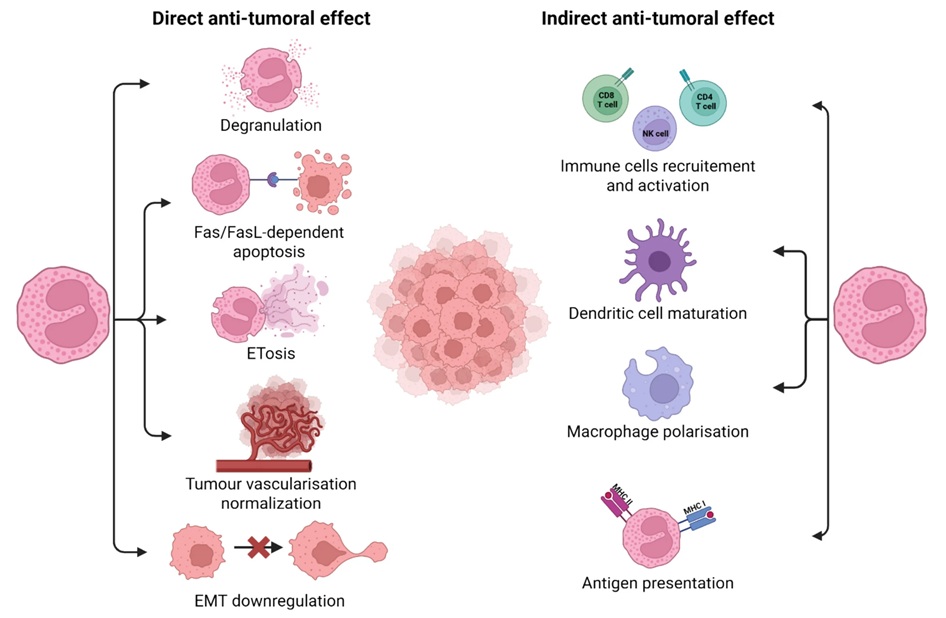
Blood Eosinophil Count May Predict Cancer Immunotherapy Response and Toxicity
Immune checkpoint inhibitors have improved outcomes across many cancers, yet only a subset of patients derive durable benefit and biomarkers to guide treatment remain limited. Eosinophils, best known for... Read more
Microbiology
view channel
TORCH Infection Trends Point to Need for Tailored Screening in Pregnancy
Congenital TORCH infections can be asymptomatic during pregnancy yet cause stillbirth, birth defects, and lifelong disability in infants. Many regions still lack robust surveillance to guide testing and... Read more
New Culture Medium Speeds C. difficile Resistance Detection and Reduces Costs
Clostridioides difficile infections remain a persistent threat in hospitals and communities, affecting about 500,000 people in the United States each year. Severe cases can be fatal within 30 days of diagnosis,... Read more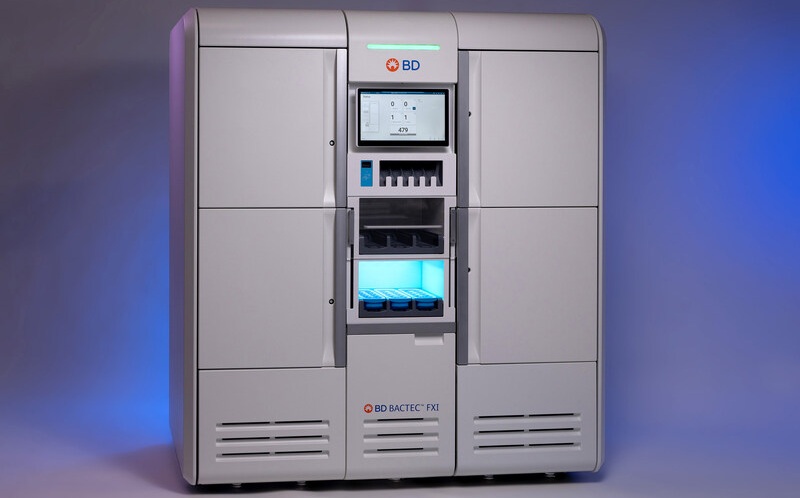
Pathology
view channel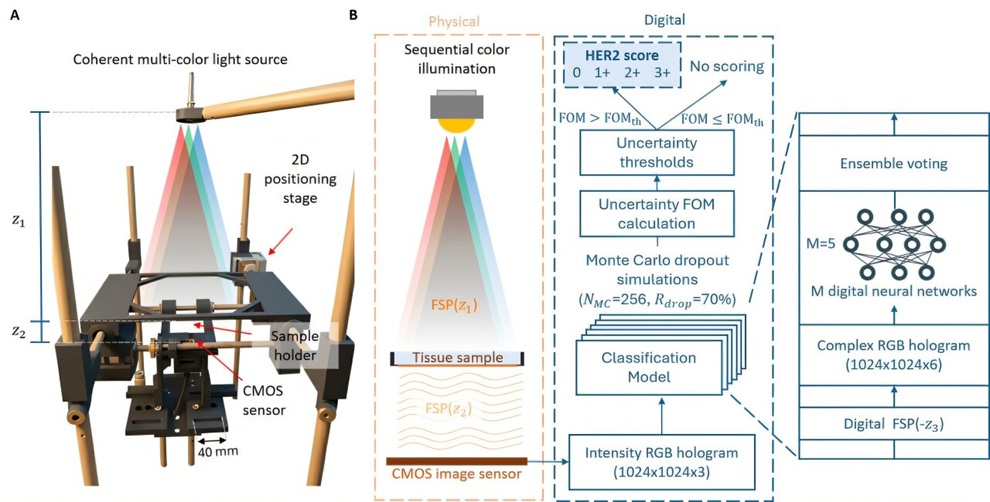
Uncertainty-Aware AI Platform Supports Automated HER2 Assessment in Breast Cancer
Accurate assessment of human epidermal growth factor receptor 2 (HER2) is critical for breast cancer diagnosis and treatment selection, yet scoring variability and infrastructure requirements can complicate... Read more
AI Tool Speeds Brain Tumor Classification from Routine Histology Slides
Accurate classification of brain and spinal cord tumors increasingly depends on molecular profiling alongside histology, but access to such testing remains limited and results can take about two weeks.... Read more
IHC Companion Diagnostic Standardizes Mismatch Repair Testing for Cancer Immunotherapy
Deficient DNA mismatch repair is an established predictive biomarker for response to immune checkpoint inhibitors, yet access to standardized assessment has varied across tumor types. Cancer remains the... Read more
Technology
view channel
AI Platform Links Biomarker Results to Cancer Clinical Trials and Guidelines
Oncology teams must manage growing volumes of genomic data, rapidly evolving clinical trial options, and frequently updated care guidelines, all within tight clinic schedules. Translating complex tumor... Read more
Agentic AI Platform Supports Genomic Decision-Making in Oncology
Oncology care teams increasingly face the challenge of managing complex molecular diagnostics, evolving treatment options, and extensive electronic health record documentation. Translating multimodal data... Read more

Industry
view channel
Open-Source Consortium Aims to Standardize Digital Pathology Workflows
Digital pathology is expanding rapidly as laboratories adopt whole-slide imaging and computational tools to meet growing diagnostic and biomarker-testing demand. However, fragmented software infrastructure... Read more