Combined Screening Approach Identifies Early Leprosy Cases
Posted on 08 Apr 2026
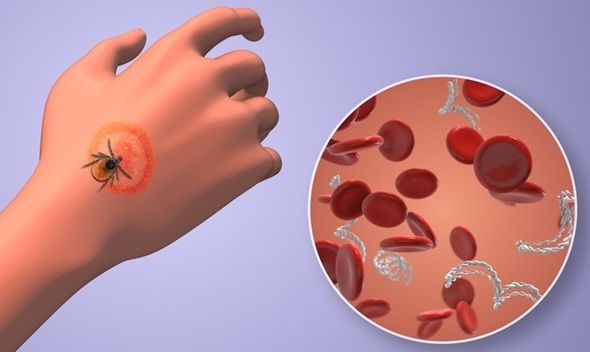
Leprosy remains a significant public health concern, with more than 200,000 new cases reported globally each year and early disease often escaping routine laboratory detection. In its initial phase, bacterial load can be low and smear tests may be negative, complicating timely case finding and contact management. Clinical recognition is also challenging where frontline expertise and sensitive screening tools are limited. A new study shows that pairing a targeted serologic assay with an artificial intelligence (AI)-enhanced questionnaire can surface early, otherwise overlooked cases.
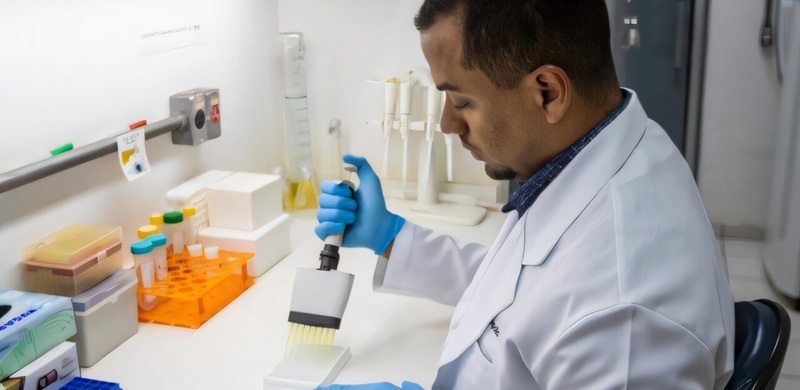
Researchers at the Ribeirão Preto School of Medicine of the University of São Paulo (FMRP‑USP) evaluated a blood test that detects antibodies to the Mce1A antigen of Mycobacterium leprae alongside the Leprosy Suspicion Questionnaire (LSQ) augmented by an AI system (MaLeSQs). Unlike current assays built around the phenolic glycolipid I (PGL‑I) antigen, the Mce1A-based approach measures three immunoglobulin classes—IgA, IgM, and IgG—to improve signal capture across exposure states. The combined workflow is designed to triage individuals who warrant specialist examination when clinical signs are subtle.
The team leveraged samples from a citywide COVID‑19 serological survey in Ribeirão Preto, inviting about 700 adults to participate in the leprosy screening project. Of these, 224 completed the digital LSQ and 195 had stored blood tested; all were invited for in‑person evaluation by specialists. Thirty‑seven attended the clinic visit, enabling cross‑reference of questionnaire outputs, laboratory findings, and clinical assessments.
Twelve new leprosy cases were confirmed—roughly one‑third of those clinically evaluated—including individuals without obvious symptoms. The IgM anti‑Mce1A readout was the most effective single laboratory measure, identifying two‑thirds of newly confirmed cases. When laboratory analysis was integrated with the MaLeSQs algorithm, sensitivity for flagging all cases that were later confirmed at consultation reached 100%. Geospatial analysis of serologic and screening data indicated diffuse exposure patterns across the city.
The study was conducted by departments of Clinical Medicine, Biochemistry, Immunology, and Social Medicine at FMRP‑USP and is published in BMC Infectious Diseases (2026). Investigators noted minimal cost differences from existing antibody tests and reported ongoing work to refine specificity by testing smaller fragments of the Mce1A protein, alongside plans to advance broader validation within Brazil’s public health system.
“From a laboratory standpoint, these are very similar techniques—low‑cost and easy to perform. Any clinical laboratory has the technical capacity to carry them out. In practice, the only thing that changes is the molecule being analyzed,” said Filipe Lima, biomedical scientist and study author at the Ribeirão Preto School of Medicine of the University of São Paulo.
Related Links
Ribeirão Preto School of Medicine of the University of São Paulo