






Immunology
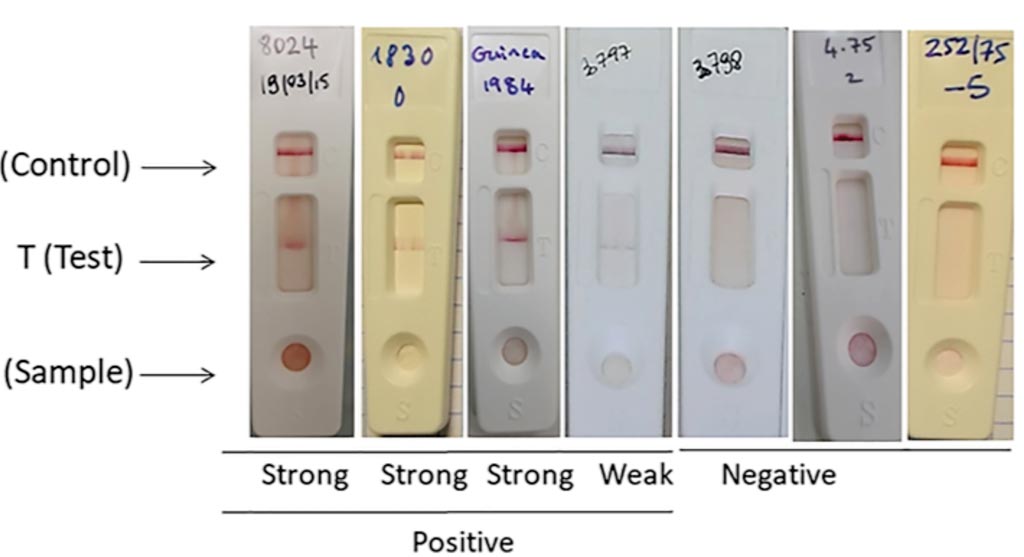
Immunochromatographic Strip Test Developed for Rift Valley Fever
Rift Valley fever (RVF) is an emerging mosquito-borne disease that affects a wide range of animals and human beings in Africa and the Arabian Peninsula. A rapid and specific test for RVF diagnosis at the site of a suspected outbreak is crucial for the implementation of control measures. More...03 Oct 2019

Early Diagnosis of Tularemia Accomplished by Flow Cytometry
Tularemia is a zoonotic disease that occurs in the Northern Hemisphere and is caused by Francisella tularensis. In Europe, more than 500 cases are reported annually and Turkey and the USA also have substantial disease burdens. More...02 Oct 2019
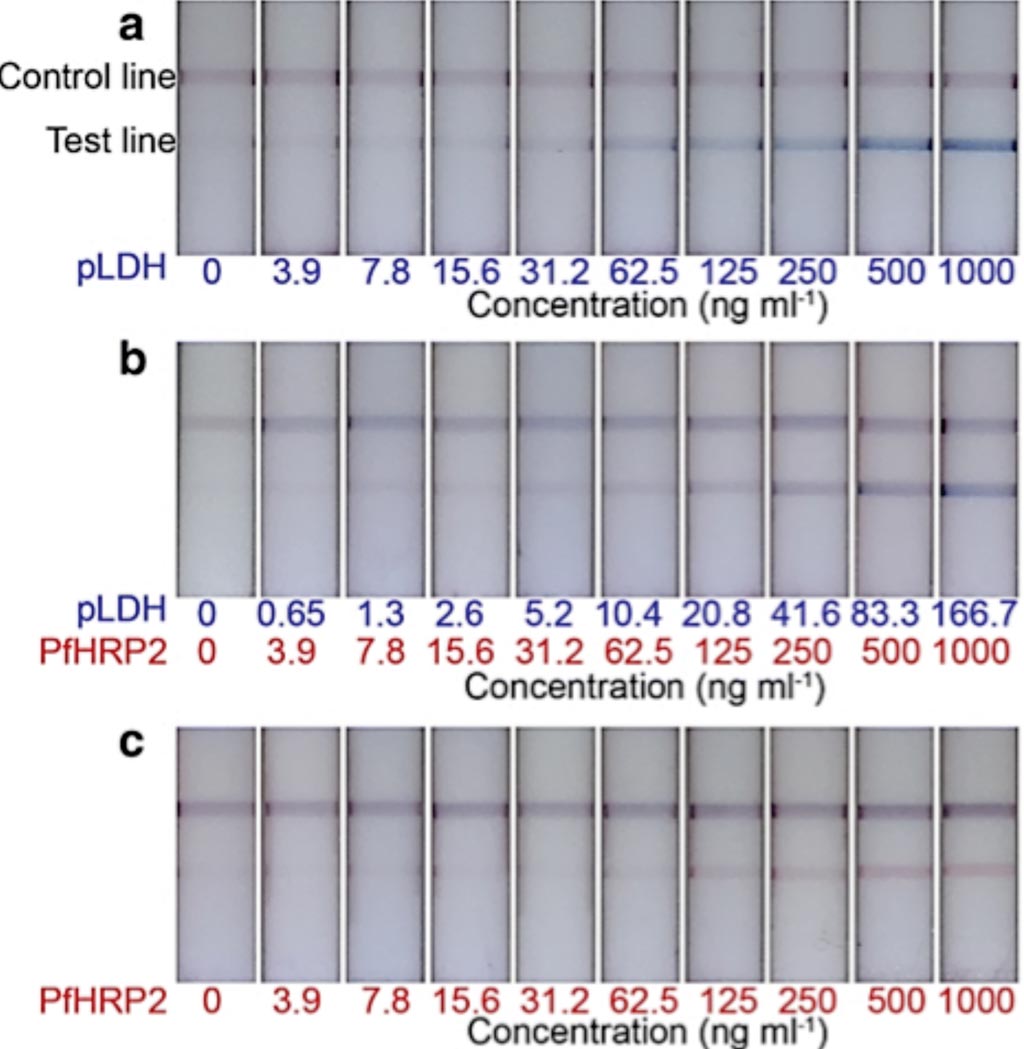
Multiplexed Immunoassay System Differentiates Malaria Species
Over 40% of world’s population live in malaria-endemic areas, and malaria is found in more than 100 countries in Africa, Latin America, the Caribbean, Southeast Asia, the Eastern Mediterranean, the Western Pacific, and parts of Europe. More...02 Oct 2019

Commercial TB Test Compared to Recombinant Allergen Skin Test
Tuberculosis (TB) is one of the top 10 causes of death worldwide and the primary cause of death due to any single infectious agent. In 2017, approximately 10 million people developed TB, and 1.3 million died from the disease. More...27 Sep 2019
Biomarkers Panel Used for Pleural and Peritoneal Effusions Diagnosis
The quantification of biomarkers in cavity fluids may aid in the etiological diagnosis and in patients' management. Laboratory investigation of cavity effusions involves the evaluation of biochemical, immunological, microbiological, molecular and cellular parameters. More...25 Sep 2019
Bone and Cartilage Biomarkers Analyzed for Knee Osteoarthritis
Osteoarthritis (OA) is the most common arthritic disease, affecting more than 250 million people in the world. The disease is characterized by excessive cartilage degradation, abnormal bone growth and sclerosis and synovial inflammation in a subset of patients. More...25 Sep 2019


Platinum Member

Automated Coagulation Analyzer
Hemolumi H6

New
Gold Member

Serum Indices Control
Acusera Serum Indices Control
New

Drug Testing Assays
Atellica DT 250 Analyzer

CMV CLIA Diagnostic
CLIA CMV IgA Screen Group
In Other News
Diagnostic Biomarker Expression Compared for Metastatic Tumors
Multiplex Microsphere Immunoassay Identifies Three Flavivirus Infections
Serum HMGB1 Levels Reflect Clinical Features of HLH
Immunoassays Compared for Diagnosis of Acute Murine Typhus Infections
Differential Immune Responses Triggered against Salmonella enterica
Genetics Affect Risk of Developing Factor VIII Inhibitors
Optimized Immunoassays Detect HBV in Oral Fluid Samples
Novel ELISA Detects Invasive Aspergillosis
Enterovirus Antibodies Detected in Acute Flaccid Myelitis Patients
Signature for Beta-Cell Autoimmunity Predicts Type 1 Diabetes
Troponin Complexes Explored in Acute MI Patients
Circulating Tumor Cells Directly Detected in Blood Samples
Prognostic Value of Specific Biomarker in Prostate Cancer Authenticated
Microfluidic Device Rapidly Diagnoses Sepsis
Serum Siderocalin Measured in Patients with TB and HIV
Allergy Risk Increased by Compound Found in Infant Gut
T Follicular Helper Cells Retain Lymphoid Characteristics
Abnormal Metabolite Observed in Early CKD Patients
Proteomics Approach Used for Analyses of Breast Cancer
Rare Inherited Enzyme Disorder Yields Insight into Fibrosis
Methods Evaluated to Detect Asymptomatic Visceral Leishmaniasis
Collagen Biomarkers Clarify Prognosis of Diabetic Renal Complications
Immune Molecules Expressed Inside Mycetoma Lesions


The Immunology channel of LabMedica deals with diagnostic techniques and immuonassays such as ELISA, pregnancy tests, immunoblotting, immunohistochemical staining, serology, and associated hardware.