Blood Type Linked to Risk of COVID-19 Infection Severity
|
By LabMedica International staff writers Posted on 04 Jan 2021 |


|
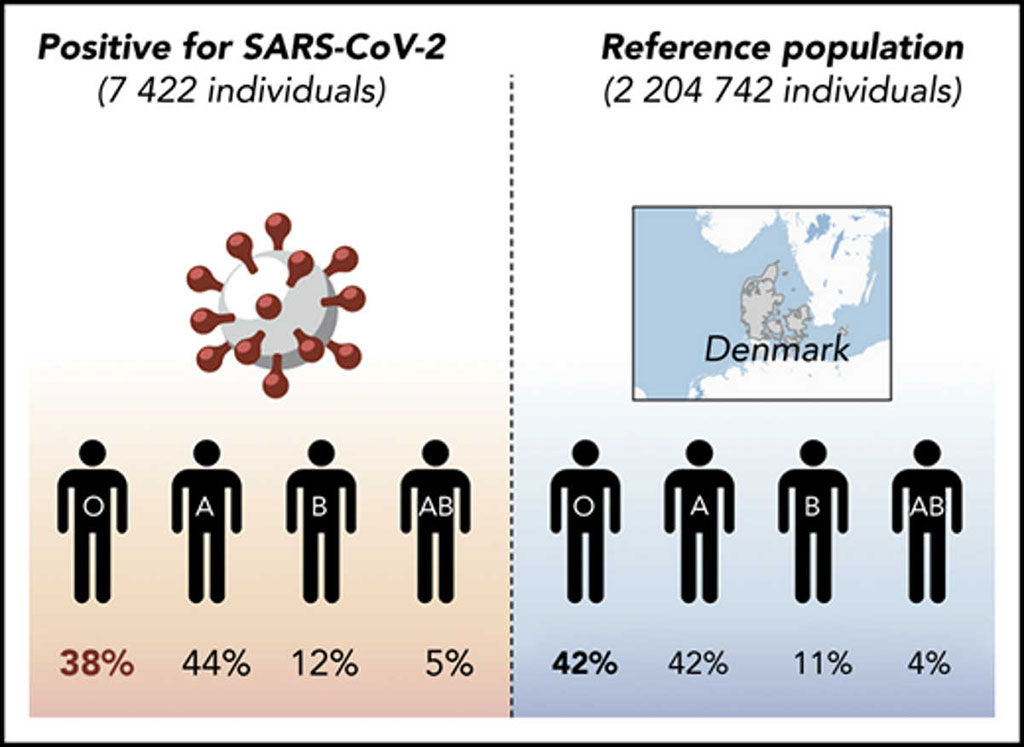
Image: Reduced prevalence of SARS-CoV-2 infection in blood group O individuals reported in Denmark (Photo courtesy of Odense University Hospital).
Identification of risk factors for contracting and developing serious illness following infection with severe acute respiratory syndrome coronavirus 2 (SARS-CoV-2) is of paramount interest. Development of COVID-19 is associated with age, sex, and comorbidities, such as cardiovascular diseases, although severe disease is not limited to these risk groups.
Blood group A and B glycosyltransferases also affect glycosylation in a large number of cell types, including epithelial cells in the respiratory tract and shed viral particles. A, B, and AB individuals are also at increased risk for thrombosis and cardiovascular diseases, which are important comorbidities among hospitalized COVID-19 patients, possibly mediated by glycosylation of proteins involved in hemostasis.
Clinical Immunologists at the Odense University Hospital (Odense, Denmark) and their colleagues analyzed data in a retrospective cohort study, of over 840,000 individuals in Denmark who underwent testing by polymerase chain reaction for SARS-CoV-2 between February 27 and July 30, 2020. Most of those tested (56%) had available ABO and RhD blood group information. The team also used ABO and RhD data of 2,204,742 individuals not tested for SARS-CoV-2 as a reference. This corresponded to approximately 38% of the entire Danish population.
The scientists reported that of the 473,654 tested individuals who had a known blood group, 7,422 were positive for SARS-CoV-2 and 466,232 were negative. The positive and negative groups had similar proportions of men (32.9% versus 32%) and similar median ages (52 years versus 50 years). Among patients with SARS-CoV-2, considerably fewer (38.4%) had blood type O than other tested blood types. When excluding blood type O, they observed no significant differences among patients with blood types A, B and AB. They also observed no difference in the RhD group between positive cases and the reference population. The investigators reported relative risk (RR) for contracting SARS-CoV-2 of 0.87 for blood type O, 1.09 for blood type A, 1.06 for blood type B and 1.15 for blood type AB.
Torben Barington, MD, a Professor of Medicine and the senior author of the study, said, “ABO blood groups are increasingly recognized to influence susceptibility to certain viruses, including SARS-CoV-1 and norovirus. A, B and AB individuals are also at increased risk for thrombosis and cardiovascular diseases, which are important comorbidities among hospitalized COVID-19 patients, possibly mediated by glycosylation of proteins involved in hemostasis.” The study was originally published on October 14, 2020 in the journal Blood Advances.
Related Links:
Odense University Hospital



Blood group A and B glycosyltransferases also affect glycosylation in a large number of cell types, including epithelial cells in the respiratory tract and shed viral particles. A, B, and AB individuals are also at increased risk for thrombosis and cardiovascular diseases, which are important comorbidities among hospitalized COVID-19 patients, possibly mediated by glycosylation of proteins involved in hemostasis.
Clinical Immunologists at the Odense University Hospital (Odense, Denmark) and their colleagues analyzed data in a retrospective cohort study, of over 840,000 individuals in Denmark who underwent testing by polymerase chain reaction for SARS-CoV-2 between February 27 and July 30, 2020. Most of those tested (56%) had available ABO and RhD blood group information. The team also used ABO and RhD data of 2,204,742 individuals not tested for SARS-CoV-2 as a reference. This corresponded to approximately 38% of the entire Danish population.
The scientists reported that of the 473,654 tested individuals who had a known blood group, 7,422 were positive for SARS-CoV-2 and 466,232 were negative. The positive and negative groups had similar proportions of men (32.9% versus 32%) and similar median ages (52 years versus 50 years). Among patients with SARS-CoV-2, considerably fewer (38.4%) had blood type O than other tested blood types. When excluding blood type O, they observed no significant differences among patients with blood types A, B and AB. They also observed no difference in the RhD group between positive cases and the reference population. The investigators reported relative risk (RR) for contracting SARS-CoV-2 of 0.87 for blood type O, 1.09 for blood type A, 1.06 for blood type B and 1.15 for blood type AB.
Torben Barington, MD, a Professor of Medicine and the senior author of the study, said, “ABO blood groups are increasingly recognized to influence susceptibility to certain viruses, including SARS-CoV-1 and norovirus. A, B and AB individuals are also at increased risk for thrombosis and cardiovascular diseases, which are important comorbidities among hospitalized COVID-19 patients, possibly mediated by glycosylation of proteins involved in hemostasis.” The study was originally published on October 14, 2020 in the journal Blood Advances.
Related Links:
Odense University Hospital

Gold Member
Hematology Analyzer
Medonic M32B
6 Part Hematology Analyzer with RET + IPF
Mispa HX 88
Automated MALDI-TOF MS System
EXS 3000
Latest Microbiology News
- Comprehensive Review Identifies Gut Microbiome Signatures Associated With Alzheimer’s Disease
- AI-Powered Platform Enables Rapid Detection of Drug-Resistant C. Auris Pathogens
- New Test Measures How Effectively Antibiotics Kill Bacteria
- New Antimicrobial Stewardship Standards for TB Care to Optimize Diagnostics
- New UTI Diagnosis Method Delivers Antibiotic Resistance Results 24 Hours Earlier
- Breakthroughs in Microbial Analysis to Enhance Disease Prediction
- Blood-Based Diagnostic Method Could Identify Pediatric LRTIs
- Rapid Diagnostic Test Matches Gold Standard for Sepsis Detection
- Rapid POC Tuberculosis Test Provides Results Within 15 Minutes
- Rapid Assay Identifies Bloodstream Infection Pathogens Directly from Patient Samples
- Blood-Based Molecular Signatures to Enable Rapid EPTB Diagnosis
- 15-Minute Blood Test Diagnoses Life-Threatening Infections in Children
- High-Throughput Enteric Panels Detect Multiple GI Bacterial Infections from Single Stool Swab Sample
- Fast Noninvasive Bedside Test Uses Sugar Fingerprint to Detect Fungal Infections
- Rapid Sepsis Diagnostic Device to Enable Personalized Critical Care for ICU Patients
- Microfluidic Platform Assesses Neutrophil Function in Sepsis Patients
Channels
Clinical Chemistry
view channel
New PSA-Based Prognostic Model Improves Prostate Cancer Risk Assessment
Prostate cancer is the second-leading cause of cancer death among American men, and about one in eight will be diagnosed in their lifetime. Screening relies on blood levels of prostate-specific antigen... Read more
Extracellular Vesicles Linked to Heart Failure Risk in CKD Patients
Chronic kidney disease (CKD) affects more than 1 in 7 Americans and is strongly associated with cardiovascular complications, which account for more than half of deaths among people with CKD.... Read more
Molecular Diagnostics
view channel
Diagnostic Device Predicts Treatment Response for Brain Tumors Via Blood Test
Glioblastoma is one of the deadliest forms of brain cancer, largely because doctors have no reliable way to determine whether treatments are working in real time. Assessing therapeutic response currently... Read more
Blood Test Detects Early-Stage Cancers by Measuring Epigenetic Instability
Early-stage cancers are notoriously difficult to detect because molecular changes are subtle and often missed by existing screening tools. Many liquid biopsies rely on measuring absolute DNA methylation... Read more
“Lab-On-A-Disc” Device Paves Way for More Automated Liquid Biopsies
Extracellular vesicles (EVs) are tiny particles released by cells into the bloodstream that carry molecular information about a cell’s condition, including whether it is cancerous. However, EVs are highly... Read more
Blood Test Identifies Inflammatory Breast Cancer Patients at Increased Risk of Brain Metastasis
Brain metastasis is a frequent and devastating complication in patients with inflammatory breast cancer, an aggressive subtype with limited treatment options. Despite its high incidence, the biological... Read moreImmunology
view channel
Blood Test Identifies Lung Cancer Patients Who Can Benefit from Immunotherapy Drug
Small cell lung cancer (SCLC) is an aggressive disease with limited treatment options, and even newly approved immunotherapies do not benefit all patients. While immunotherapy can extend survival for some,... Read more
Whole-Genome Sequencing Approach Identifies Cancer Patients Benefitting From PARP-Inhibitor Treatment
Targeted cancer therapies such as PARP inhibitors can be highly effective, but only for patients whose tumors carry specific DNA repair defects. Identifying these patients accurately remains challenging,... Read more
Ultrasensitive Liquid Biopsy Demonstrates Efficacy in Predicting Immunotherapy Response
Immunotherapy has transformed cancer treatment, but only a small proportion of patients experience lasting benefit, with response rates often remaining between 10% and 20%. Clinicians currently lack reliable... Read more
Microbiology
view channel
Comprehensive Review Identifies Gut Microbiome Signatures Associated With Alzheimer’s Disease
Alzheimer’s disease affects approximately 6.7 million people in the United States and nearly 50 million worldwide, yet early cognitive decline remains difficult to characterize. Increasing evidence suggests... Read more
AI-Powered Platform Enables Rapid Detection of Drug-Resistant C. Auris Pathogens
Infections caused by the pathogenic yeast Candida auris pose a significant threat to hospitalized patients, particularly those with weakened immune systems or those who have invasive medical devices.... Read more

Pathology
view channel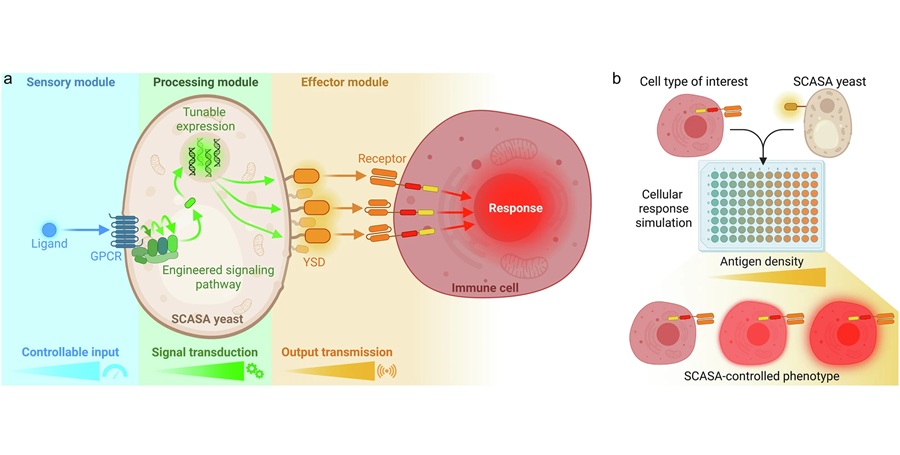
Engineered Yeast Cells Enable Rapid Testing of Cancer Immunotherapy
Developing new cancer immunotherapies is a slow, costly, and high-risk process, particularly for CAR T cell treatments that must precisely recognize cancer-specific antigens. Small differences in tumor... Read more
First-Of-Its-Kind Test Identifies Autism Risk at Birth
Autism spectrum disorder is treatable, and extensive research shows that early intervention can significantly improve cognitive, social, and behavioral outcomes. Yet in the United States, the average age... Read more

Technology
view channel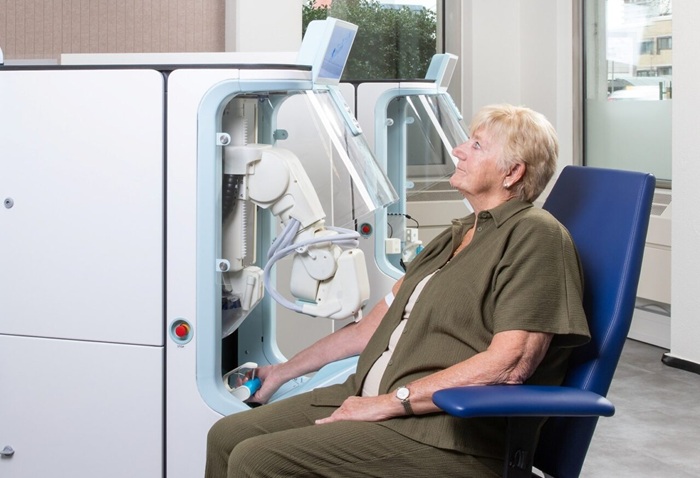
Robotic Technology Unveiled for Automated Diagnostic Blood Draws
Routine diagnostic blood collection is a high‑volume task that can strain staffing and introduce human‑dependent variability, with downstream implications for sample quality and patient experience.... Read more
ADLM Launches First-of-Its-Kind Data Science Program for Laboratory Medicine Professionals
Clinical laboratories generate billions of test results each year, creating a treasure trove of data with the potential to support more personalized testing, improve operational efficiency, and enhance patient care.... Read more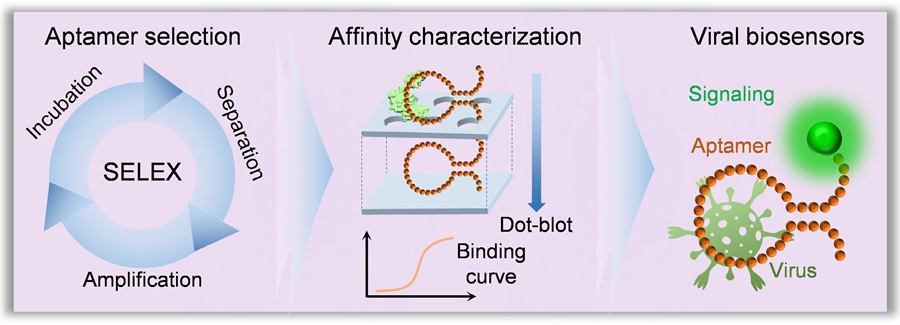
Aptamer Biosensor Technology to Transform Virus Detection
Rapid and reliable virus detection is essential for controlling outbreaks, from seasonal influenza to global pandemics such as COVID-19. Conventional diagnostic methods, including cell culture, antigen... Read more
AI Models Could Predict Pre-Eclampsia and Anemia Earlier Using Routine Blood Tests
Pre-eclampsia and anemia are major contributors to maternal and child mortality worldwide, together accounting for more than half a million deaths each year and leaving millions with long-term health complications.... Read moreIndustry
view channel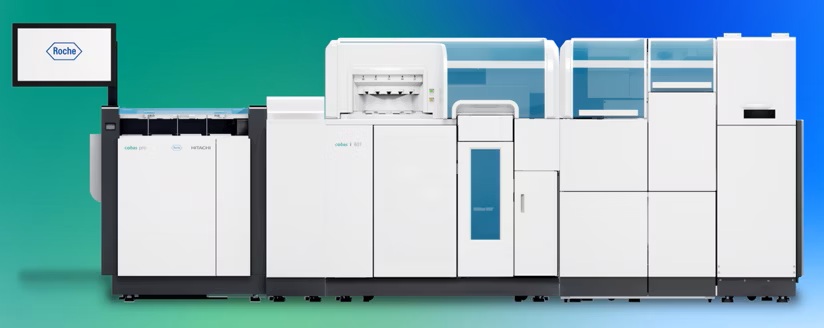
New Collaboration Brings Automated Mass Spectrometry to Routine Laboratory Testing
Mass spectrometry is a powerful analytical technique that identifies and quantifies molecules based on their mass and electrical charge. Its high selectivity, sensitivity, and accuracy make it indispensable... Read more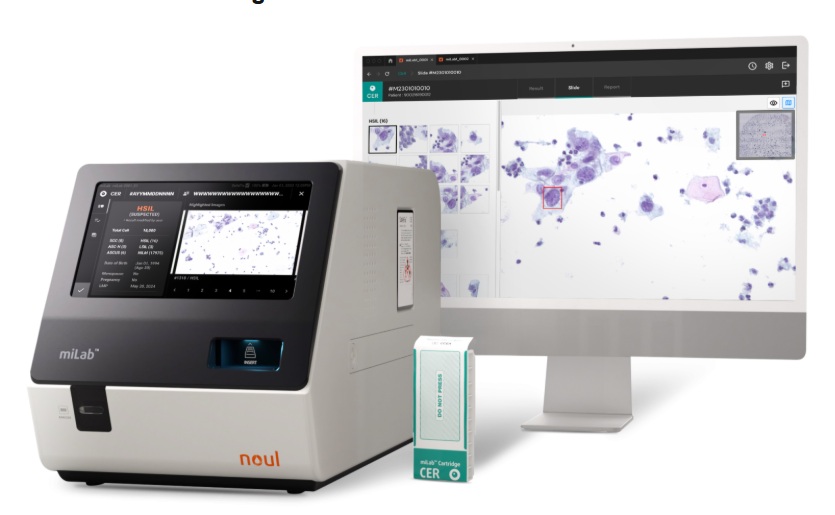
AI-Powered Cervical Cancer Test Set for Major Rollout in Latin America
Noul Co., a Korean company specializing in AI-based blood and cancer diagnostics, announced it will supply its intelligence (AI)-based miLab CER cervical cancer diagnostic solution to Mexico under a multi‑year... Read more
Diasorin and Fisher Scientific Enter into US Distribution Agreement for Molecular POC Platform
Diasorin (Saluggia, Italy) has entered into an exclusive distribution agreement with Fisher Scientific, part of Thermo Fisher Scientific (Waltham, MA, USA), for the LIAISON NES molecular point-of-care... Read more