Stand-Alone COVID-19 Rapid POC Antigen Test Delivers Results in 10 Minutes Without Separate Analyzer
|
By LabMedica International staff writers Posted on 11 Nov 2020 |


|
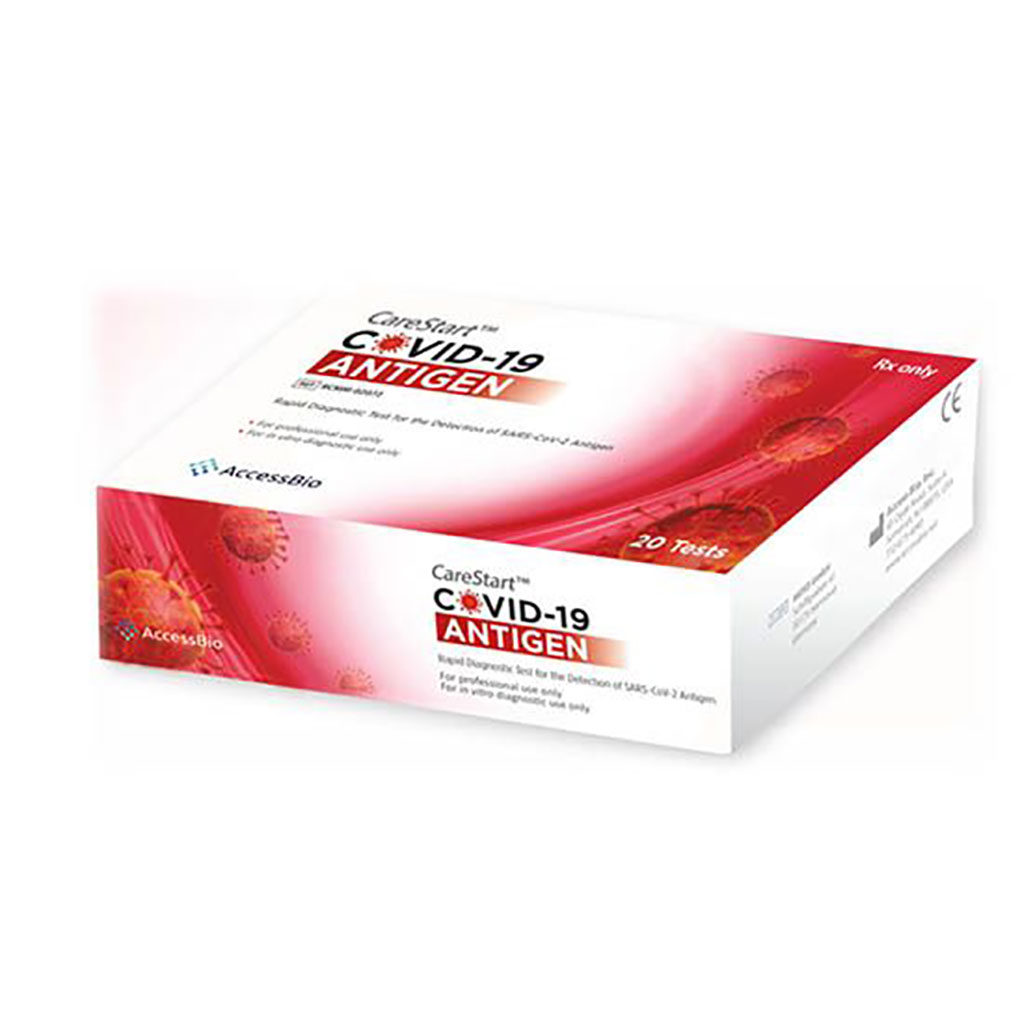
Image: CareStart COVID-19 Antigen Rapid Point-of-Care test kit (Photo courtesy of AccessBio)
A new minimally-invasive, stand-alone COVID-19 POC antigen test delivers rapid results in 10 minutes without the need for a separate analyzer.
The CareStart COVID-19 Antigen Rapid Point-of-Care (POC) test kit developed and manufactured by AccessBio (Somerset, NJ, USA) allows for rapid, effective screening of COVID-19 infection on a large scale with high sensitivity and 100% specificity. The test is available for immediate purchase by qualified healthcare providers from iRemedy Healthcare Companies, Inc. (Stuart, FL, USA) on www.iremedy.com
The CareStart COVID-19 Antigen Test is a lateral flow immunochromatographic assay for the detection of extracted nucleocapsid protein antigens specific to SARS-CoV-2 in swab specimens directly collected from individuals who are suspected of COVID-19 by their healthcare providers. Each CareStart kit contains 20 test devices, 20 assay buffers, 20 extraction vials and caps, 20 specimen collection swabs, one positive and one negative control swab and detailed simple use instructions. The stand-alone test has been authorized by the Federal Drug Administration under an Emergency Use Authorization for use by authorized laboratories and at the point-of-care by medical professionals. No separate analyzer equipment is necessary to ascertain results.
“With the second wave of COVID-19 infections underway, it is even more important that healthcare providers have the means to quickly and accurately test and confirm patients who may have contracted the coronavirus,” said Tony Paquin, co-founder and CEO of iRemedy. “Negative test confirmations are just as important, particularly for those essential workers who come into direct contact with the public through their workplaces. iRemedy is very pleased to be offering a rapid point-of-care tool that will empower healthcare providers to perform COVID-19 tests at the point-of-care without the need for specialized materials, equipment, personnel and transportation to a centralized laboratory. As a result, these tests should contribute to improving the containment of COVID-19 spread through faster, more efficient detection and subsequent isolation, when necessary.”
Related Links:
AccessBio
The iRemedy Healthcare Companies, Inc.




The CareStart COVID-19 Antigen Rapid Point-of-Care (POC) test kit developed and manufactured by AccessBio (Somerset, NJ, USA) allows for rapid, effective screening of COVID-19 infection on a large scale with high sensitivity and 100% specificity. The test is available for immediate purchase by qualified healthcare providers from iRemedy Healthcare Companies, Inc. (Stuart, FL, USA) on www.iremedy.com
The CareStart COVID-19 Antigen Test is a lateral flow immunochromatographic assay for the detection of extracted nucleocapsid protein antigens specific to SARS-CoV-2 in swab specimens directly collected from individuals who are suspected of COVID-19 by their healthcare providers. Each CareStart kit contains 20 test devices, 20 assay buffers, 20 extraction vials and caps, 20 specimen collection swabs, one positive and one negative control swab and detailed simple use instructions. The stand-alone test has been authorized by the Federal Drug Administration under an Emergency Use Authorization for use by authorized laboratories and at the point-of-care by medical professionals. No separate analyzer equipment is necessary to ascertain results.
“With the second wave of COVID-19 infections underway, it is even more important that healthcare providers have the means to quickly and accurately test and confirm patients who may have contracted the coronavirus,” said Tony Paquin, co-founder and CEO of iRemedy. “Negative test confirmations are just as important, particularly for those essential workers who come into direct contact with the public through their workplaces. iRemedy is very pleased to be offering a rapid point-of-care tool that will empower healthcare providers to perform COVID-19 tests at the point-of-care without the need for specialized materials, equipment, personnel and transportation to a centralized laboratory. As a result, these tests should contribute to improving the containment of COVID-19 spread through faster, more efficient detection and subsequent isolation, when necessary.”
Related Links:
AccessBio
The iRemedy Healthcare Companies, Inc.

Platinum Member
Fully Automatic ACLIA Analyzer
MAGLUMI X8
Gold Member
Flu SARS-CoV-2 Combo Test
OSOM® Flu SARS-CoV-2 Combo Test
Electrolyte Analyzer
BKE-B
New
Gastrointestinal Panel
Xpert® GI Panel
Latest COVID-19 News
- New Immunosensor Paves Way to Rapid POC Testing for COVID-19 and Emerging Infectious Diseases
- Long COVID Etiologies Found in Acute Infection Blood Samples
- Novel Device Detects COVID-19 Antibodies in Five Minutes
- CRISPR-Powered COVID-19 Test Detects SARS-CoV-2 in 30 Minutes Using Gene Scissors
- Gut Microbiome Dysbiosis Linked to COVID-19
- Novel SARS CoV-2 Rapid Antigen Test Validated for Diagnostic Accuracy
- New COVID + Flu + R.S.V. Test to Help Prepare for `Tripledemic`
- AI Takes Guesswork Out Of Lateral Flow Testing
- Fastest Ever SARS-CoV-2 Antigen Test Designed for Non-Invasive COVID-19 Testing in Any Setting
- Rapid Antigen Tests Detect Omicron, Delta SARS-CoV-2 Variants
- Health Care Professionals Showed Increased Interest in POC Technologies During Pandemic, Finds Study
- Set Up Reserve Lab Capacity Now for Faster Response to Next Pandemic, Say Researchers
- Blood Test Performed During Initial Infection Predicts Long COVID Risk
- Low-Cost COVID-19 Testing Platform Combines Sensitivity of PCR and Speed of Antigen Tests
- Finger-Prick Blood Test Identifies Immunity to COVID-19
- Quick Test Kit Determines Immunity Against COVID-19 and Its Variants
Channels
Clinical Chemistry
view channel
New Blood Biomarker Predicts May Predict Preeclampsia and Fetal Growth Restriction
Preeclampsia and fetal growth restriction are major drivers of stillbirth and serious maternal morbidity, yet clinicians still lack reliable early predictors to guide targeted surveillance.... Read more
Biomarker Score Helps Differentiate Takotsubo Syndrome from Myocardial Infarction
Takotsubo syndrome, often called broken-heart syndrome, mimics myocardial infarction and can be difficult to triage in emergency settings. It accounts for about 2% of suspected heart attacks and up to... Read more

Molecular Diagnostics
view channel
WHO Emergency Listing Supports Rapid Molecular Testing for Ebola Outbreak Response
The Democratic Republic of the Congo is confronting an Ebola Bundibugyo outbreak that the World Health Organization (WHO) designated a Public Health Emergency of International Concern on May 17, 2026.... Read more
FDA Clears Liquid Biopsy Test to Guide Earlier Breast Cancer Therapy Switch
Guardant360 CDx (Guardant Health, Inc.; Palo Alto, CA, USA) has been approved by the U.S. Food and Drug Administration (FDA) as a companion diagnostic to identify patients with hormone receptor (HR)-positive,... Read more

Hematology
view channel
Biomarker-Guided Framework Aims to Guide Mantle Cell Lymphoma Therapy
Mantle cell lymphoma can follow widely variable courses, from indolent disease to rapidly progressive cancer, complicating initial treatment selection. Many therapeutic decisions still rely on patient... Read more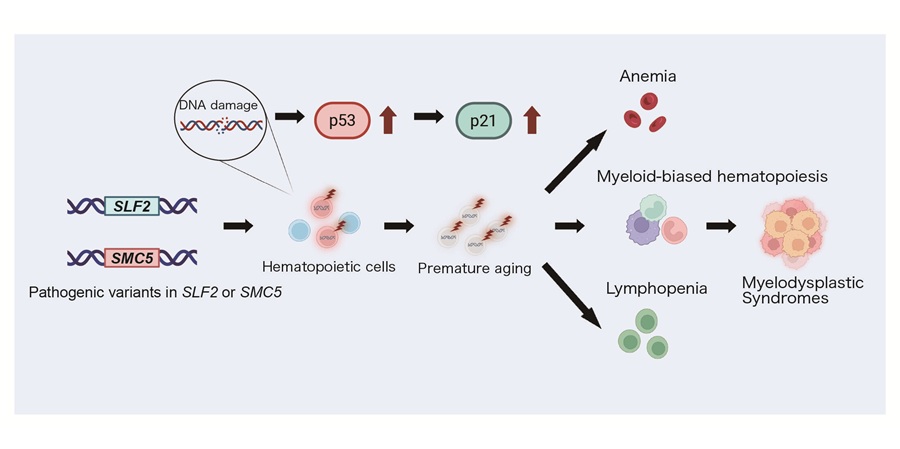
New Genetic Findings Reveal Cause of Bone Marrow Failure Syndrome
Inherited bone marrow failure syndromes (IBMFS) impair the bone marrow’s ability to produce sufficient healthy blood cells and are associated with an increased risk of early-onset myelodysplastic syndromes (MDS).... Read more
Immunology
view channel
New Cellular Map May Help Predict Crohn’s Disease Course in Children
Crohn’s disease in children is a common and debilitating form of inflammatory bowel disease, marked by chronic intestinal inflammation and limited pediatric-specific treatments. Clinicians must decide... Read more
Temporal Immune Profiling Reveals How Sepsis States Change Over Time
Sepsis is a life-threatening condition in which the immune response to infection becomes dysregulated, leading to rapid organ failure and death. Although antimicrobials and organ support remain standard... Read more
Study Identifies Immune Cells That Drive Harmful Autoantibody Responses in COVID-19
Autoantibodies that mistakenly attack the body’s own tissues have been linked to severe COVID-19, Long COVID, and increased risk of autoimmune disease. However, the origins of these autoantibodies during... Read more
Microbiology
view channel
Gut Microbiome Classifier Improves Colorectal Cancer Risk Stratification
Colorectal cancer remains a leading cause of cancer mortality, and current noninvasive screening methods still miss many precancerous lesions. Clinicians therefore need tools that improve risk stratification... Read more
New Diagnostic Workflow Identifies Bloodstream Pathogens and Antibiotic Response in Hours
Sepsis is a life-threatening complication of infection that affects more than 1.5 million patients annually in the United States and contributes to roughly one in three in-hospital deaths.... Read more
Pathology
view channel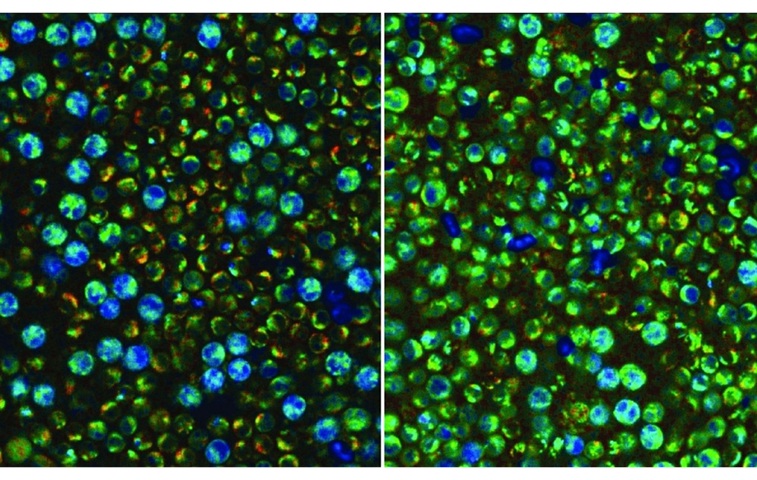
Label-Free Imaging Reveals Hidden Immune Activity in Blood Samples
Peripheral blood mononuclear cells (PBMCs) are widely used to monitor infection, autoimmunity, cancer, and treatment response, yet most assays depend on fluorescent labels that can perturb cells and provide... Read more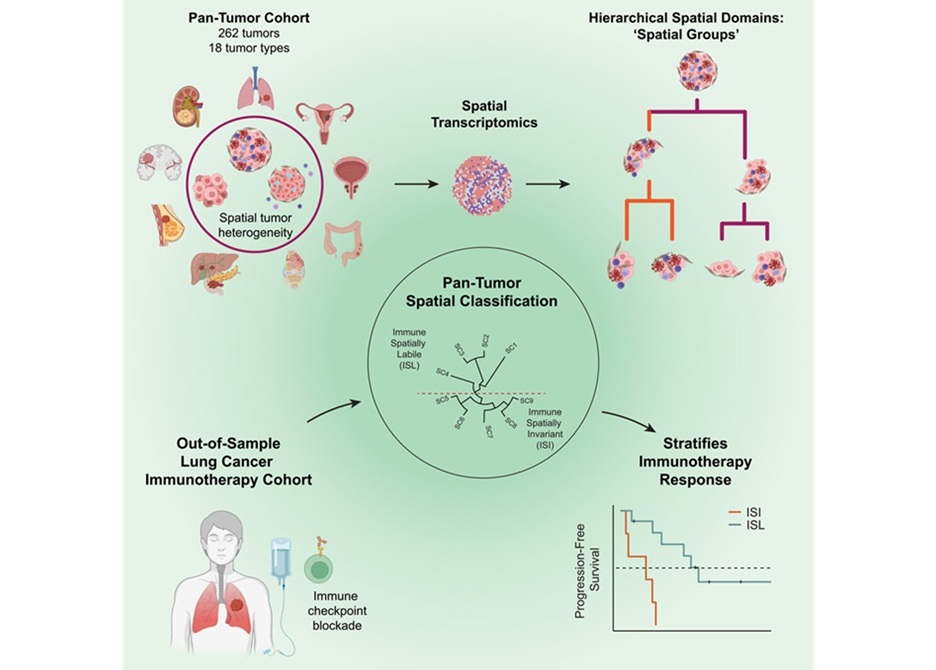
AI Tool Improves Prediction of Immunotherapy Response in Lung Cancer
Immune checkpoint therapies benefit only a subset of patients, while standard biomarkers often struggle to predict who will respond. Spatially resolved tumor profiling can provide deeper biological context,... Read more
Technology
view channel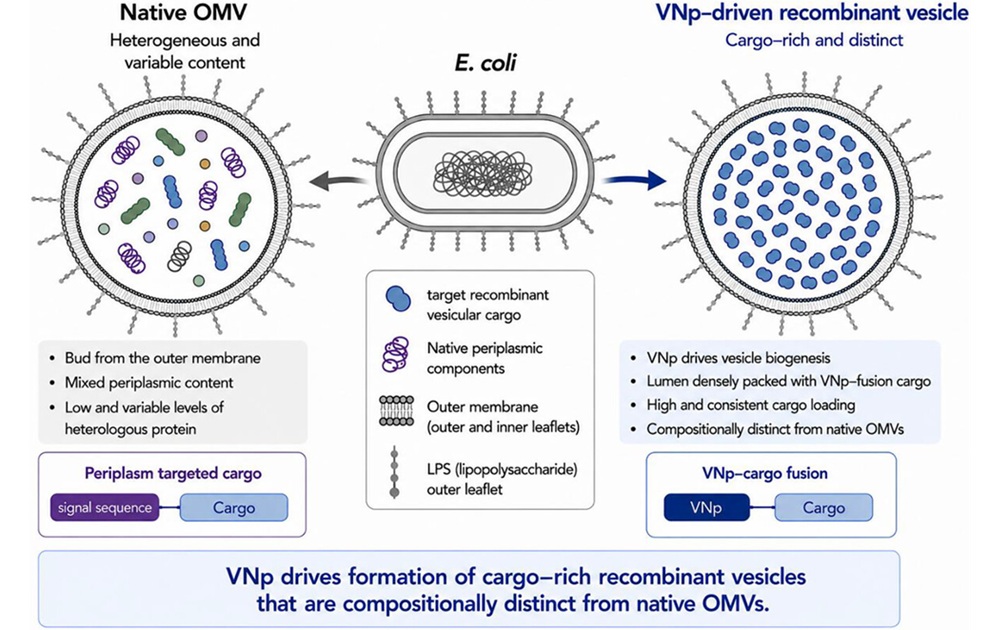
Bacterial Vesicle Expression System Streamlines Production of Cancer Diagnostic Proteins
Recombinant proteins are central to many cancer diagnostics and therapies, but numerous targets remain difficult and costly to produce because they are unstable, toxic to microbial hosts, or require precise folding.... Read more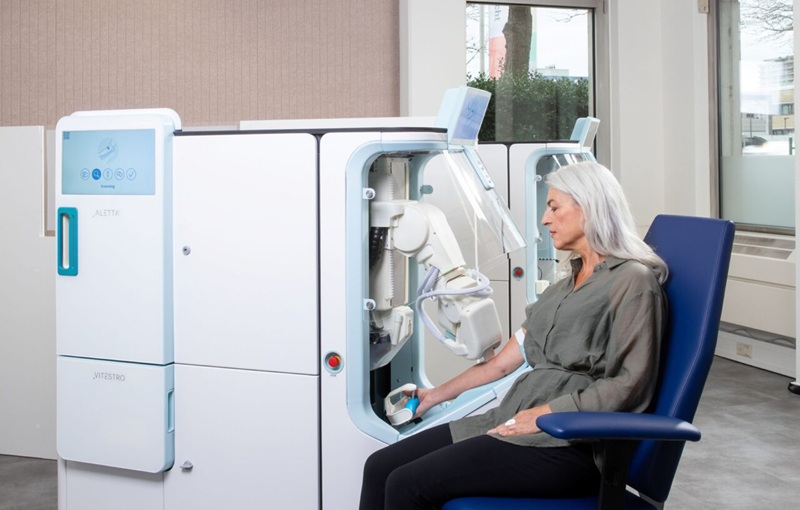
Autonomous Robotic System Receives FDA Authorization for Blood Collection
Venipuncture is central to many diagnostic pathways, but routine blood collection can be affected by staffing constraints and procedural variability that influence consistency and patient experience.... Read more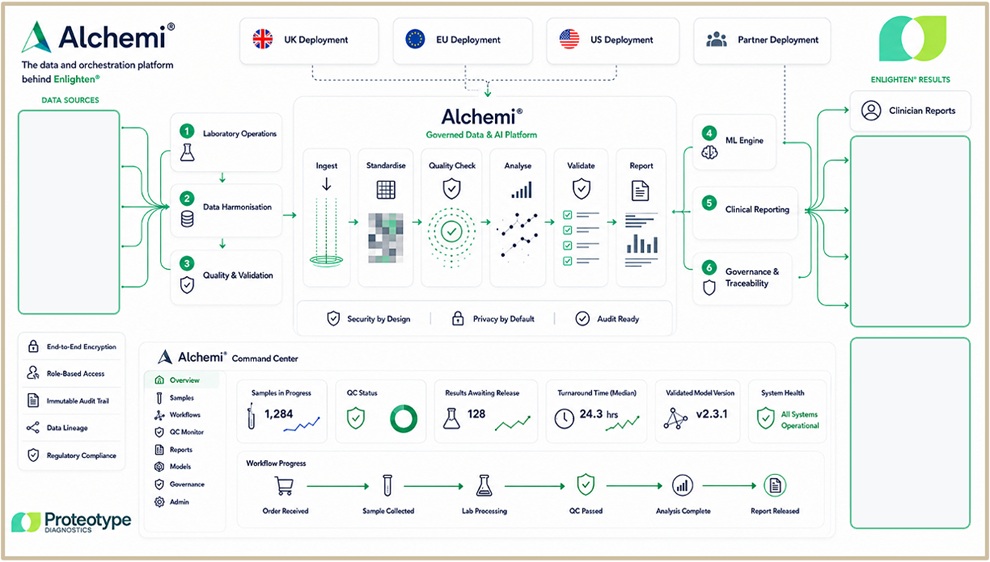
Industry
view channel
New NHS Partnership Expands Access to Epigenetic CNS Tumor Classifiers
Rapid and accurate classification of central nervous system tumors remains a challenge, particularly in children where histology alone can misclassify aggressiveness and drive overtreatment.... Read more