Manually Powered Device Separates Blood for Diagnosis
|
By LabMedica International staff writers Posted on 16 May 2017 |


|
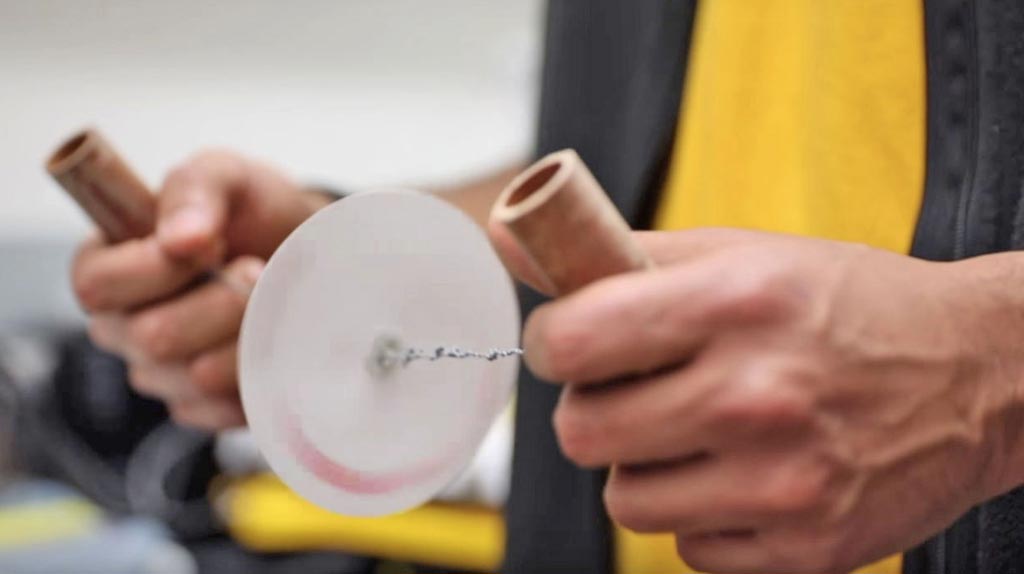
Image: The low-cost manual “paperfuge” was inspired by the whirligig toy, in which a loop of twine is thread through two holes in a button or disk. The loop ends are grabbed then rhythmically pulled. As the twine coils and uncoils, the button spins at a high speed. Bioengineers designed the paperfuge to concentrate parasites like malaria in blood (Photo courtesy of Stanford University).
Inspired by a whirligig toy, researchers have used its mechanical principles to develop an ultra-low-cost, hand-powered blood centrifuge out of paper, no electricity required. The tool could improve diagnosis of diseases like malaria, African sleeping sickness, and tuberculosis in resource-poor, off-the-grid regions where these diseases are prevalent.
Bioengineers at Stanford University built the “paperfuge” using ~ 20 US cents of paper, twine, and plastic. With rotational speeds of up to 125,000 rpm, it can exert centrifugal forces of 30,000 Gs, and can separate blood plasma from red cells in 1.5 minutes.
“To the best of my knowledge, it’s the fastest spinning object driven by human power,” said Manu Prakash, assistant professor at Stanford. A centrifuge is critical to separate blood fractions to make pathogens simpler to detect: red cells collect at the bottom of the tube, plasma at top, and parasites like Plasmodium settle in the middle. Prof. Prakash recognized the need for a new type of centrifuge after seeing an expensive centrifuge being used as a doorstop in a rural clinic in Uganda because there was no electricity to run it.
“There are more than a billion people around the world who have no infrastructure, no roads, no electricity,” said Prof. Prakash. He began brainstorming ideas with Saad Bhamla, postdoctoral research fellow. After exploring ways to convert human energy into spinning forces, they began focusing on toys invented before the industrial age – yo-yos, tops, and whirligigs.
“One night I was playing with a button and string, and out of curiosity, I set up a high-speed camera to see how fast a button whirligig would spin. I couldn’t believe my eyes,” said Dr. Bhamla – it was rotating at 10,000-15,000 rpm. After two weeks of prototyping, he mounted a capillary of blood on a paper-disc whirligig and was able to centrifuge blood into layers.
It was a proof-of-concept, but before moving on in the design process, he and Prof. Prakash decided to tackle a scientific question no one else had: How does a whirligig actually work?
The other “string theory”: Dr. Bhamla recruited three undergraduate engineering students from MIT (Cambridge, USA) and Stanford to build a mathematical model. The team created a computer simulation to capture design variables like disc size, string elasticity, and pulling force. They also borrowed equations from the physics of supercoiling DNA strands to understand how hand-forces move from the coiling strings to power the spinning disc.
“There are some beautiful mathematics hidden inside this object,” Prof. Prakash said. Once the engineers validated their models against real-world prototype performance, they were able to create a prototype with rotational speeds of up to 125,000 rpm, a magnitude significantly higher than their first prototypes.
“From a technical spec point of view, we can match centrifuges that cost from USD 1,000 to USD 5,000,” said Prof. Prakash.
In parallel, they improved the device’s safety and began testing configurations that could be used to test live parasites in the field. From lab-based trials, they found that malaria parasites could be separated from red blood cells in 15 minutes. And by spinning the sample in a capillary precoated with acridine orange dye, glowing parasites could be identified by simply placing the capillary under a microscope.
They are currently conducting a paperfuge field validation trial for malaria diagnostics with PIVOT and Institut Pasteur, community-health collaborators based in Madagascar.
The invention was driven by a frugal toolbox design philosophy to rethink traditional medical tools to lower costs and bring capabilities out of the lab and into hands of healthcare workers in resource-poor areas. “Frugal science is about democratizing scientific tools to get them out to people around the world,” said Prof Prakash, who also hopes these tools will someday enable carrying a complete laboratory in a backpack into remote underserved areas.
The study, by Bhamla MS et al, was published January 10, 2017, in the journal Nature Biomedical Engineering.






Bioengineers at Stanford University built the “paperfuge” using ~ 20 US cents of paper, twine, and plastic. With rotational speeds of up to 125,000 rpm, it can exert centrifugal forces of 30,000 Gs, and can separate blood plasma from red cells in 1.5 minutes.
“To the best of my knowledge, it’s the fastest spinning object driven by human power,” said Manu Prakash, assistant professor at Stanford. A centrifuge is critical to separate blood fractions to make pathogens simpler to detect: red cells collect at the bottom of the tube, plasma at top, and parasites like Plasmodium settle in the middle. Prof. Prakash recognized the need for a new type of centrifuge after seeing an expensive centrifuge being used as a doorstop in a rural clinic in Uganda because there was no electricity to run it.
“There are more than a billion people around the world who have no infrastructure, no roads, no electricity,” said Prof. Prakash. He began brainstorming ideas with Saad Bhamla, postdoctoral research fellow. After exploring ways to convert human energy into spinning forces, they began focusing on toys invented before the industrial age – yo-yos, tops, and whirligigs.
“One night I was playing with a button and string, and out of curiosity, I set up a high-speed camera to see how fast a button whirligig would spin. I couldn’t believe my eyes,” said Dr. Bhamla – it was rotating at 10,000-15,000 rpm. After two weeks of prototyping, he mounted a capillary of blood on a paper-disc whirligig and was able to centrifuge blood into layers.
It was a proof-of-concept, but before moving on in the design process, he and Prof. Prakash decided to tackle a scientific question no one else had: How does a whirligig actually work?
The other “string theory”: Dr. Bhamla recruited three undergraduate engineering students from MIT (Cambridge, USA) and Stanford to build a mathematical model. The team created a computer simulation to capture design variables like disc size, string elasticity, and pulling force. They also borrowed equations from the physics of supercoiling DNA strands to understand how hand-forces move from the coiling strings to power the spinning disc.
“There are some beautiful mathematics hidden inside this object,” Prof. Prakash said. Once the engineers validated their models against real-world prototype performance, they were able to create a prototype with rotational speeds of up to 125,000 rpm, a magnitude significantly higher than their first prototypes.
“From a technical spec point of view, we can match centrifuges that cost from USD 1,000 to USD 5,000,” said Prof. Prakash.
In parallel, they improved the device’s safety and began testing configurations that could be used to test live parasites in the field. From lab-based trials, they found that malaria parasites could be separated from red blood cells in 15 minutes. And by spinning the sample in a capillary precoated with acridine orange dye, glowing parasites could be identified by simply placing the capillary under a microscope.
They are currently conducting a paperfuge field validation trial for malaria diagnostics with PIVOT and Institut Pasteur, community-health collaborators based in Madagascar.
The invention was driven by a frugal toolbox design philosophy to rethink traditional medical tools to lower costs and bring capabilities out of the lab and into hands of healthcare workers in resource-poor areas. “Frugal science is about democratizing scientific tools to get them out to people around the world,” said Prof Prakash, who also hopes these tools will someday enable carrying a complete laboratory in a backpack into remote underserved areas.
The study, by Bhamla MS et al, was published January 10, 2017, in the journal Nature Biomedical Engineering.

Gold Member
Quality Control Material
iPLEX Pro Exome QC Panel
Automated MALDI-TOF MS System
EXS 3000
Gold Member
Collection and Transport System
PurSafe Plus®
Latest Technology News
- Robotic Technology Unveiled for Automated Diagnostic Blood Draws
- ADLM Launches First-of-Its-Kind Data Science Program for Laboratory Medicine Professionals
- Aptamer Biosensor Technology to Transform Virus Detection
- AI Models Could Predict Pre-Eclampsia and Anemia Earlier Using Routine Blood Tests
- AI-Generated Sensors Open New Paths for Early Cancer Detection
- Pioneering Blood Test Detects Lung Cancer Using Infrared Imaging
- AI Predicts Colorectal Cancer Survival Using Clinical and Molecular Features
- Diagnostic Chip Monitors Chemotherapy Effectiveness for Brain Cancer
- Machine Learning Models Diagnose ALS Earlier Through Blood Biomarkers
- Artificial Intelligence Model Could Accelerate Rare Disease Diagnosis
Channels
Clinical Chemistry
view channel
New PSA-Based Prognostic Model Improves Prostate Cancer Risk Assessment
Prostate cancer is the second-leading cause of cancer death among American men, and about one in eight will be diagnosed in their lifetime. Screening relies on blood levels of prostate-specific antigen... Read more
Extracellular Vesicles Linked to Heart Failure Risk in CKD Patients
Chronic kidney disease (CKD) affects more than 1 in 7 Americans and is strongly associated with cardiovascular complications, which account for more than half of deaths among people with CKD.... Read more

Molecular Diagnostics
view channel
Diagnostic Device Predicts Treatment Response for Brain Tumors Via Blood Test
Glioblastoma is one of the deadliest forms of brain cancer, largely because doctors have no reliable way to determine whether treatments are working in real time. Assessing therapeutic response currently... Read more
Blood Test Detects Early-Stage Cancers by Measuring Epigenetic Instability
Early-stage cancers are notoriously difficult to detect because molecular changes are subtle and often missed by existing screening tools. Many liquid biopsies rely on measuring absolute DNA methylation... Read more
“Lab-On-A-Disc” Device Paves Way for More Automated Liquid Biopsies
Extracellular vesicles (EVs) are tiny particles released by cells into the bloodstream that carry molecular information about a cell’s condition, including whether it is cancerous. However, EVs are highly... Read more
Blood Test Identifies Inflammatory Breast Cancer Patients at Increased Risk of Brain Metastasis
Brain metastasis is a frequent and devastating complication in patients with inflammatory breast cancer, an aggressive subtype with limited treatment options. Despite its high incidence, the biological... Read moreHematology
view channel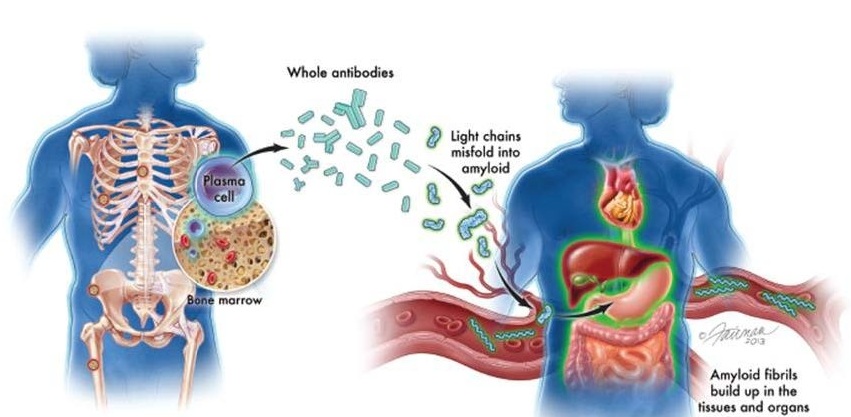
New Guidelines Aim to Improve AL Amyloidosis Diagnosis
Light chain (AL) amyloidosis is a rare, life-threatening bone marrow disorder in which abnormal amyloid proteins accumulate in organs. Approximately 3,260 people in the United States are diagnosed... Read more
Fast and Easy Test Could Revolutionize Blood Transfusions
Blood transfusions are a cornerstone of modern medicine, yet red blood cells can deteriorate quietly while sitting in cold storage for weeks. Although blood units have a fixed expiration date, cells from... Read more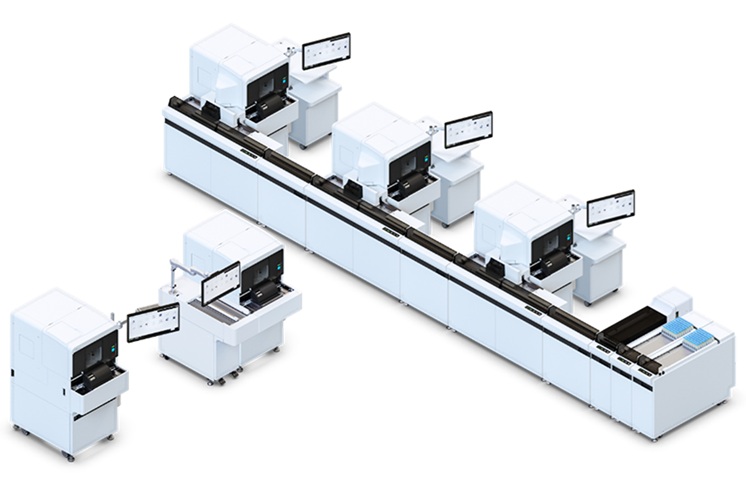
Automated Hemostasis System Helps Labs of All Sizes Optimize Workflow
High-volume hemostasis sections must sustain rapid turnaround while managing reruns and reflex testing. Manual tube handling and preanalytical checks can strain staff time and increase opportunities for error.... Read more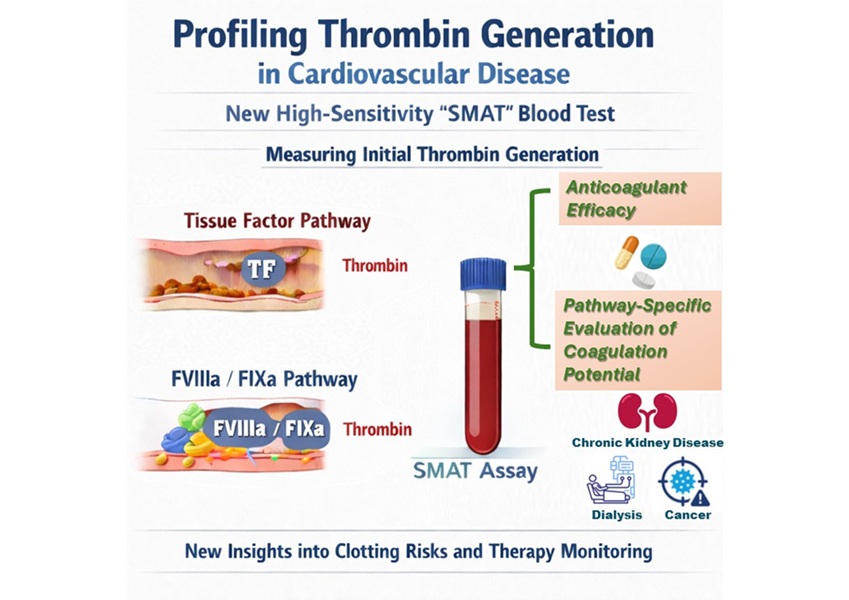
High-Sensitivity Blood Test Improves Assessment of Clotting Risk in Heart Disease Patients
Blood clotting is essential for preventing bleeding, but even small imbalances can lead to serious conditions such as thrombosis or dangerous hemorrhage. In cardiovascular disease, clinicians often struggle... Read moreImmunology
view channel
Blood Test Identifies Lung Cancer Patients Who Can Benefit from Immunotherapy Drug
Small cell lung cancer (SCLC) is an aggressive disease with limited treatment options, and even newly approved immunotherapies do not benefit all patients. While immunotherapy can extend survival for some,... Read more
Whole-Genome Sequencing Approach Identifies Cancer Patients Benefitting From PARP-Inhibitor Treatment
Targeted cancer therapies such as PARP inhibitors can be highly effective, but only for patients whose tumors carry specific DNA repair defects. Identifying these patients accurately remains challenging,... Read more
Ultrasensitive Liquid Biopsy Demonstrates Efficacy in Predicting Immunotherapy Response
Immunotherapy has transformed cancer treatment, but only a small proportion of patients experience lasting benefit, with response rates often remaining between 10% and 20%. Clinicians currently lack reliable... Read more
Pathology
view channel
Engineered Yeast Cells Enable Rapid Testing of Cancer Immunotherapy
Developing new cancer immunotherapies is a slow, costly, and high-risk process, particularly for CAR T cell treatments that must precisely recognize cancer-specific antigens. Small differences in tumor... Read more
First-Of-Its-Kind Test Identifies Autism Risk at Birth
Autism spectrum disorder is treatable, and extensive research shows that early intervention can significantly improve cognitive, social, and behavioral outcomes. Yet in the United States, the average age... Read more
Technology
view channel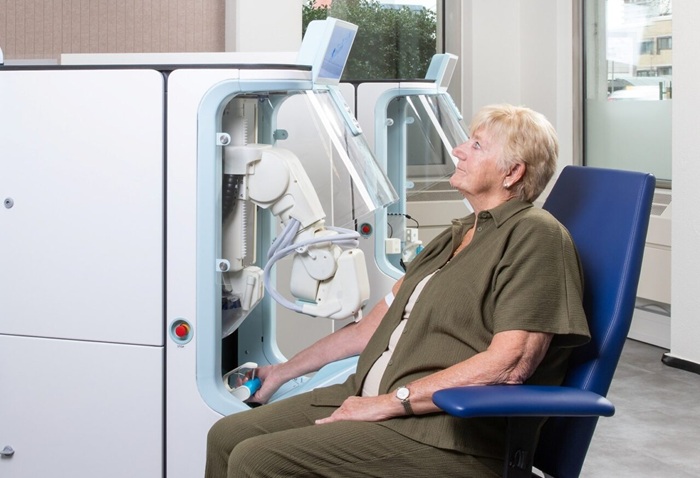
Robotic Technology Unveiled for Automated Diagnostic Blood Draws
Routine diagnostic blood collection is a high‑volume task that can strain staffing and introduce human‑dependent variability, with downstream implications for sample quality and patient experience.... Read more
ADLM Launches First-of-Its-Kind Data Science Program for Laboratory Medicine Professionals
Clinical laboratories generate billions of test results each year, creating a treasure trove of data with the potential to support more personalized testing, improve operational efficiency, and enhance patient care.... Read more
Aptamer Biosensor Technology to Transform Virus Detection
Rapid and reliable virus detection is essential for controlling outbreaks, from seasonal influenza to global pandemics such as COVID-19. Conventional diagnostic methods, including cell culture, antigen... Read more
AI Models Could Predict Pre-Eclampsia and Anemia Earlier Using Routine Blood Tests
Pre-eclampsia and anemia are major contributors to maternal and child mortality worldwide, together accounting for more than half a million deaths each year and leaving millions with long-term health complications.... Read moreIndustry
view channel
New Collaboration Brings Automated Mass Spectrometry to Routine Laboratory Testing
Mass spectrometry is a powerful analytical technique that identifies and quantifies molecules based on their mass and electrical charge. Its high selectivity, sensitivity, and accuracy make it indispensable... Read more
AI-Powered Cervical Cancer Test Set for Major Rollout in Latin America
Noul Co., a Korean company specializing in AI-based blood and cancer diagnostics, announced it will supply its intelligence (AI)-based miLab CER cervical cancer diagnostic solution to Mexico under a multi‑year... Read more
Diasorin and Fisher Scientific Enter into US Distribution Agreement for Molecular POC Platform
Diasorin (Saluggia, Italy) has entered into an exclusive distribution agreement with Fisher Scientific, part of Thermo Fisher Scientific (Waltham, MA, USA), for the LIAISON NES molecular point-of-care... Read more