Adaptable Lateral Flow Test Reader Being Promoted at AACC Annual Meeting
|
By LabMedica International staff writers Posted on 01 Aug 2016 |


|

Image: The ADxLR5 lateral flow assay reader (Photo courtesy of Abingdon Health).
A lateral flow test reader for either existing assays or for user-designed tests will be highlighted at the 2016 AACC Annual Meeting & Clinical Lab Expo (Philadelphia, PA, USA).
Abingdon Health (York, United Kingdom) will be highlighting its [U.S.] Food and Drug Administration registered and CE marked lateral flow reader, the ADxLR5, in Booth 3838 at the Philadelphia meeting.
The next generation ADxLR5 Lateral Flow Assay reader incorporates a 10.1-inch touch screen with graphical user interface and icon driven software. The sample draw with interchangeable inserts allows for the reading of a wide range of devices and assays. Connectivity is via two USB ports, Ethernet connection, or WiFi.
The ADxLR5 reader complements Abingdon Health's Seralite – FLC (free light chain) rapid test for the quantitative measurement of kappa and lambda immunoglobulin free light chains in serum. The format of this rapid test enables a free light chain service to be offered in all clinical laboratories with results available in about 10 minutes rather than days or weeks.
In addition, The ADxLR5 is fully customizable for user-designed fluorescence or colorimetric tests and is compatible with most formats of cassettes and test strips. The instrument includes touchscreen PC software to augment flexible test system development.
Related Links:
AACC Annual Meeting & Clinical Lab Expo
Abingdon Health


.jpg)




Abingdon Health (York, United Kingdom) will be highlighting its [U.S.] Food and Drug Administration registered and CE marked lateral flow reader, the ADxLR5, in Booth 3838 at the Philadelphia meeting.
The next generation ADxLR5 Lateral Flow Assay reader incorporates a 10.1-inch touch screen with graphical user interface and icon driven software. The sample draw with interchangeable inserts allows for the reading of a wide range of devices and assays. Connectivity is via two USB ports, Ethernet connection, or WiFi.
The ADxLR5 reader complements Abingdon Health's Seralite – FLC (free light chain) rapid test for the quantitative measurement of kappa and lambda immunoglobulin free light chains in serum. The format of this rapid test enables a free light chain service to be offered in all clinical laboratories with results available in about 10 minutes rather than days or weeks.
In addition, The ADxLR5 is fully customizable for user-designed fluorescence or colorimetric tests and is compatible with most formats of cassettes and test strips. The instrument includes touchscreen PC software to augment flexible test system development.
Related Links:
AACC Annual Meeting & Clinical Lab Expo
Abingdon Health

Platinum Member
Automated Coagulation Analyzer
Hemolumi H6
Gold Member
Clinical Chemistry Assay
Sorbitol Dehydrogenase (SDH)
New
Gastrointestinal Panel
Xpert® GI Panel
Immunofluorescence Analyzer
IFA System
Latest AACC 2016 News
- Molecular Test Detects Three Arboviruses in Plasma Samples
- Derived Exosomal Protein Biomarkers in Alzheimer’s Disease Diagnosis
- New Biochip Array Developed for ApoE4 Classification
- Cell-Free DNA Identifies Liver Transplant Patients with Acute Rejection
- New Method Tested for Early Diagnosis Pediatric Diabetic Nephropathy
- FDA-Cleared Automated Cell Counter for CSF Launched at AACC 2016
- Semen Analysis Portfolio with Two New Products Featured at AACC 2016
- Automation Solutions for Clinical Diagnostic Equipment Showcased at AACC 2016
- New Tubes Designed for Medium Sample Volumes
- Multi Sample Osmometer Improves Testing Efficiency
- Innovative Information System Optimizes Laboratory Processes
- Innovative eLearning Interface Seamlessly Connects Competency Data
- Cloud-Based Connectivity Platform Advances Decentralized Healthcare
- Adhesives Research to Present Hydrophilic Adhesive Technologies
- Point-of-Care Immunoassay Analyzer on Display at AACC Annual Meeting
- Assay for Determination of 17-OH Progesterone to Be Featured at AACC Annual Meeting
Channels
Clinical Chemistry
view channel
Blood Test Could Guide Drug Selection to Prevent Repeat Heart Attacks and Strokes
Secondary prevention after myocardial infarction or stroke relies on antiplatelet therapy, yet responses vary widely and both recurrent thrombosis and bleeding remain persistent risks. In the United Kingdom,... Read more
Blood Test Patterns Improve Cancer Risk Assessment in Primary Care
Unexplained weight loss is a common but nonspecific presentation in primary care that can precede several types of cancer, making referral decisions difficult. Routine blood tests may produce borderline... Read more
Molecular Diagnostics
view channel
Blood-Based MRD Test Predicts Recurrence Risk After Lung Cancer Surgery
Assessing recurrence risk after surgery for early-stage non-small cell lung cancer remains challenging, complicating adjuvant therapy and surveillance decisions. Blood-based molecular residual disease... Read more
Multiomic Blood Test Supports Noninvasive Monitoring and Subtyping in Pancreatic Cancer
Pancreatic ductal adenocarcinoma remains difficult to detect early and monitor during treatment, particularly in patients with homologous recombination defects. Clinicians also have limited noninvasive... Read more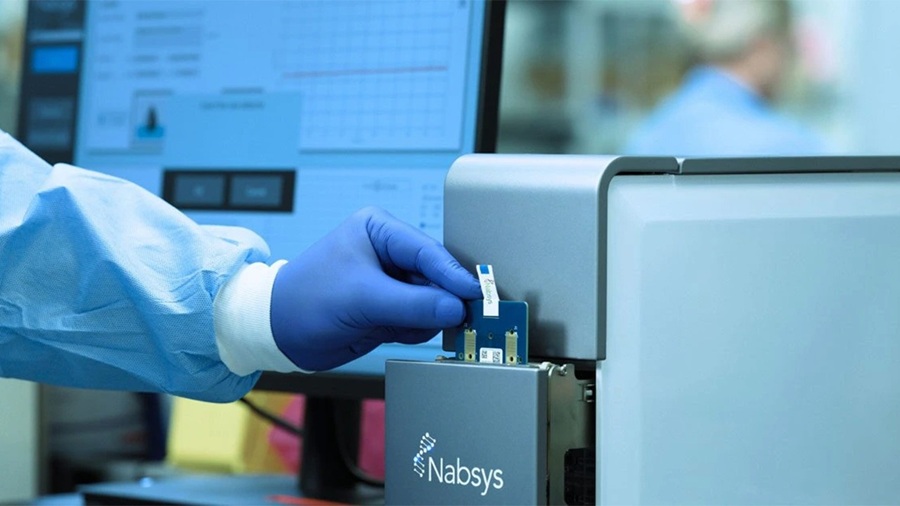
Electronic Genome Mapping Reveals Structural Abnormalities in Hematologic Malignancies
Cytogenomic profiling is fundamental to characterizing hematologic malignancies, where detection of structural variants and copy number variants guides high‑resolution analysis. Standard cytogenetic testing... Read more
Hematology
view channel
Updated Ferritin Thresholds Improve Detection of Iron Deficiency
Iron deficiency is one of the most common health conditions worldwide, yet its nonspecific symptoms can delay diagnosis for months. Variation in testing practices and ferritin thresholds may contribute... Read more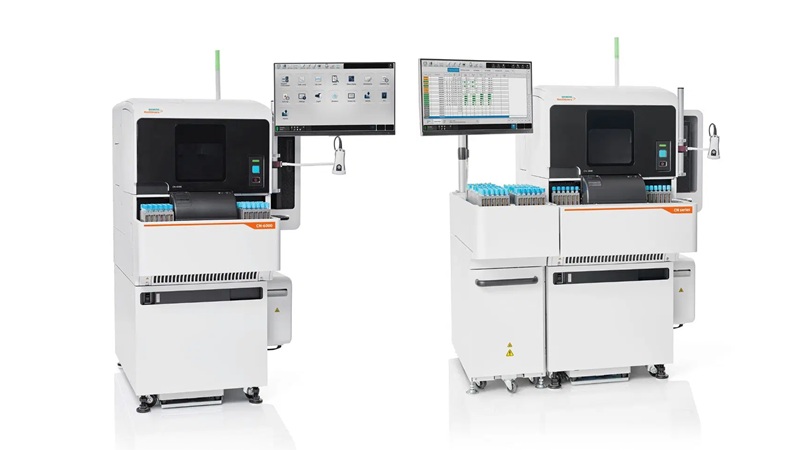
New Automated Hemostasis Systems Become Available Across US Laboratories
Hemostasis testing supports critical decisions in surgery, anticoagulation management, and the evaluation of bleeding and thrombotic disorders, but laboratories continue to face rising volumes and complex... Read more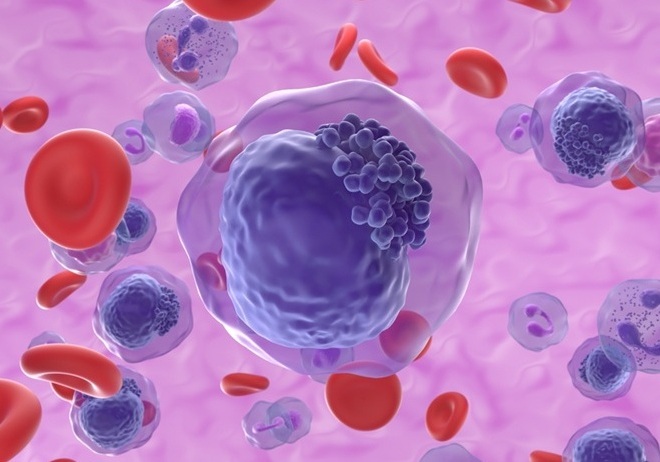
Immunology
view channel
Blood EBV Activity Biomarkers May Predict Multiple Sclerosis Relapse Months Ahead
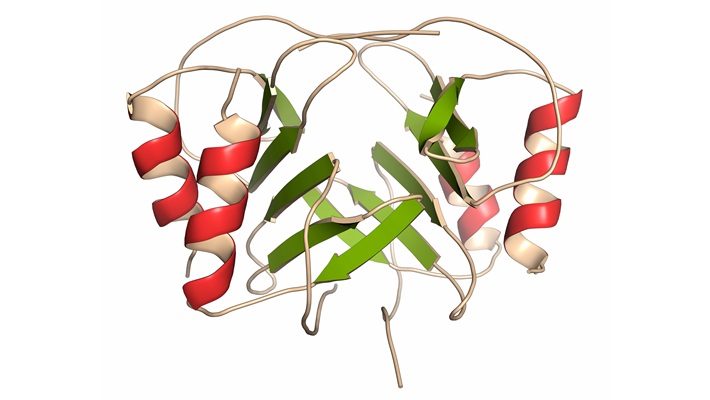
Predicting relapse in multiple sclerosis (MS) remains difficult, limiting opportunities for timely intervention and monitoring. Although many people harbor latent Epstein-Barr virus (EBV), growing evidence... Read more
New Cellular Map May Help Predict Crohn’s Disease Course in Children
Crohn’s disease in children is a common and debilitating form of inflammatory bowel disease, marked by chronic intestinal inflammation and limited pediatric-specific treatments. Clinicians must decide... Read more
Temporal Immune Profiling Reveals How Sepsis States Change Over Time
Sepsis is a life-threatening condition in which the immune response to infection becomes dysregulated, leading to rapid organ failure and death. Although antimicrobials and organ support remain standard... Read more
Study Identifies Immune Cells That Drive Harmful Autoantibody Responses in COVID-19
Autoantibodies that mistakenly attack the body’s own tissues have been linked to severe COVID-19, Long COVID, and increased risk of autoimmune disease. However, the origins of these autoantibodies during... Read moreMicrobiology
view channel
Early-Life Gut Microbiome Changes May Help Assess Type 1 Diabetes Risk
Type 1 diabetes (T1D) affects more than 9 million people worldwide, including 1.8 million children and adolescents, and often begins years before symptoms appear. Early identification of children who are... Read more
Expanded Newborn Screening Program Increases Detection of Congenital Cytomegalovirus
Congenital cytomegalovirus is the most common maternal–fetal infection and often goes undetected at birth, despite its potential to cause progressive hearing loss and developmental delays.... Read more
FDA Breakthrough-Designated Urine Panel Aims to Shorten Pathogen and Susceptibility Testing
Urinary tract infections are among the most common bacterial infections and a major driver of antibiotic prescribing, yet culture-based workflows can take days to produce results. Treatment often begins... Read more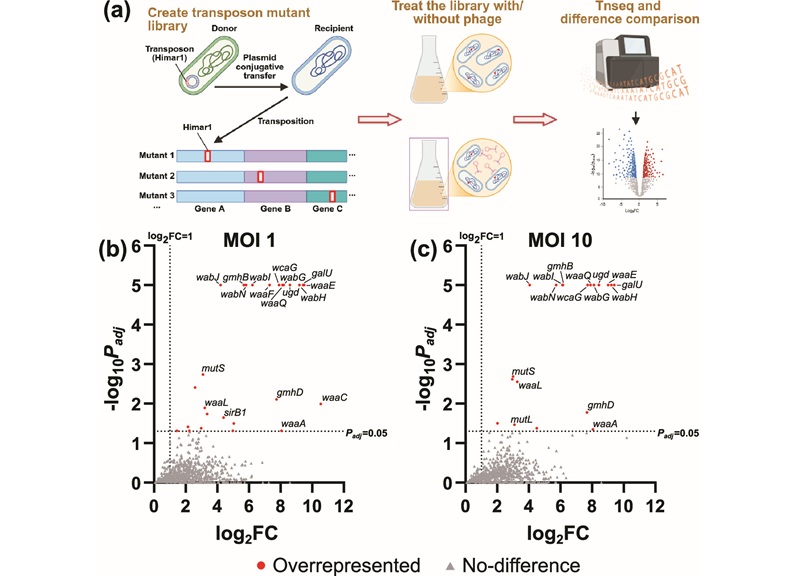
Pathology
view channel
Tumor Blood Vessel Features May Help Predict Colorectal Cancer Survival
Colorectal cancer outcomes vary widely, and tumor biology remains a key determinant of prognosis. Because neoplasms depend on a vascular supply, differences in intratumoral vessels may influence survival.... Read more
Multimodal AI Improves Breast Cancer Recurrence Risk Prediction Beyond Standard Genomic Testing
Predicting which patients with early-stage breast cancer will develop distant recurrence remains difficult, complicating decisions about long-term therapy and surveillance. Widely used genomic assays are... Read more
Machine Learning Cytology Tool Improves Cancer Cell Identification
Cytological screening remains central to early cancer detection, but its accuracy depends heavily on expert interpretation of stained cells. Under conventional microscopy, malignant and reactive cells... Read more
Tumor Budding Grading May Predict Chemotherapy Benefit in Resected Lung Squamous Cancer
Outcomes after resection for lung squamous cell carcinoma (SqCC) vary substantially, and the uneven benefit of adjuvant chemotherapy complicates postsurgical treatment decisions. Pathologic markers that... Read moreTechnology
view channel
ADLM Calls for CLIA Updates to Support Safe AI Use in Laboratory Medicine
Clinical laboratories increasingly use artificial intelligence to verify, interpret, and report results, but safeguards under the Clinical Laboratory Improvement Amendments (CLIA) were designed in 1992.... Read more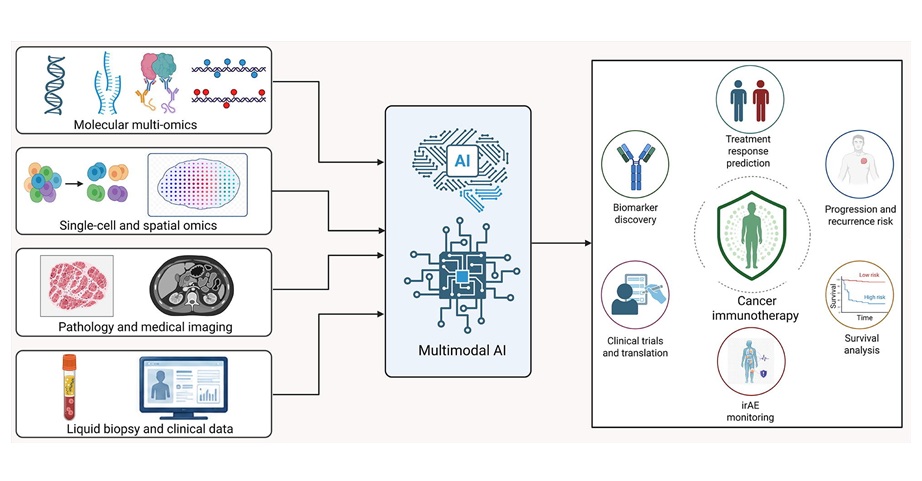
Multimodal AI Framework Aims to Guide Cancer Immunotherapy Decisions
Cancer immunotherapy has reshaped oncology, but heterogeneous responses and immune-related toxicities continue to complicate routine decision-making. Standard biomarkers, including programmed death-ligand... Read more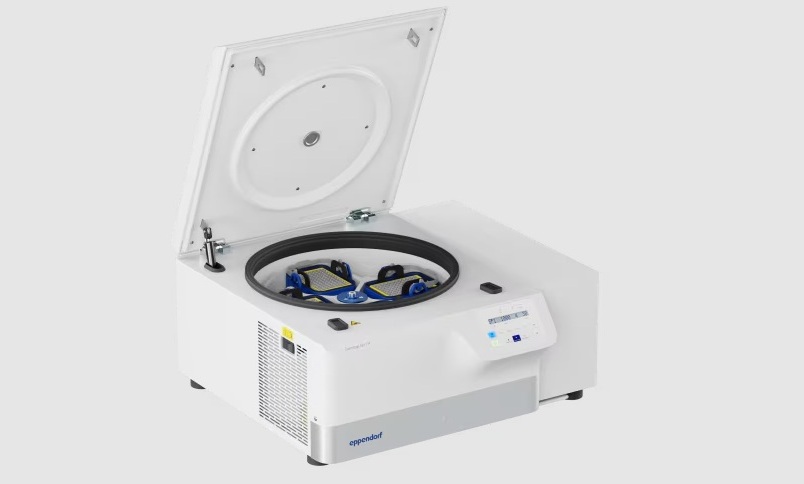
New Multipurpose Centrifuge Combines High Capacity with Sustainable Cooling
Laboratories often need centrifugation that accommodates multiple vessel formats while maintaining controlled temperatures to protect sensitive samples. Intuitive controls and repeatable operation can... Read more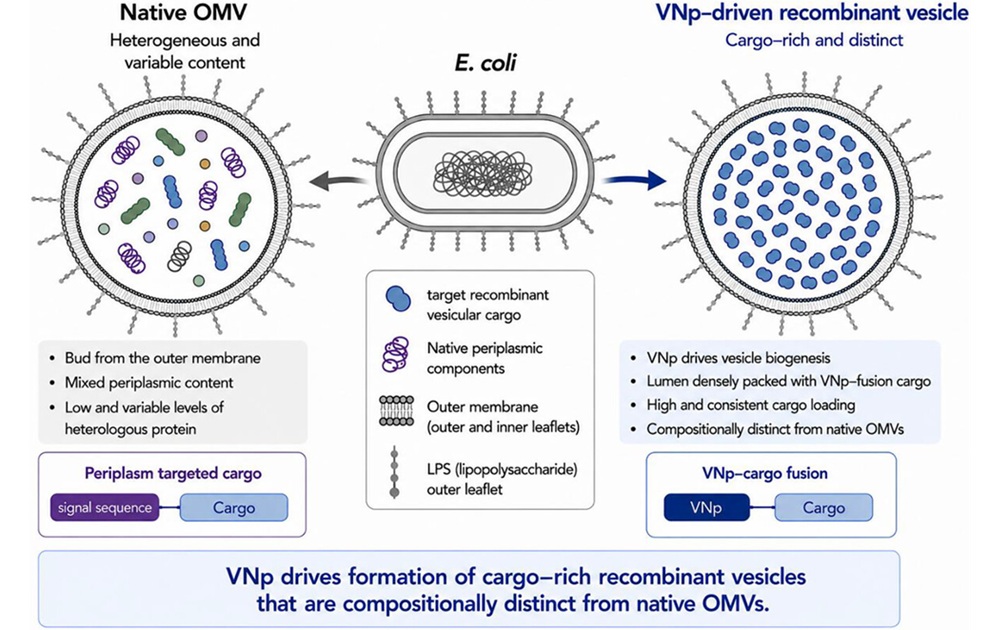
Bacterial Vesicle Expression System Streamlines Production of Cancer Diagnostic Proteins
Recombinant proteins are central to many cancer diagnostics and therapies, but numerous targets remain difficult and costly to produce because they are unstable, toxic to microbial hosts, or require precise folding.... Read moreIndustry
view channel
Siemens Healthineers and Novo Collaborate to Expand Access to Noninvasive Liver Testing
Metabolic dysfunction‑associated steatotic liver disease (MASLD) and its progressive form, metabolic dysfunction‑associated steatohepatitis (MASH), affect millions and are linked to obesity, type 2 diabetes,... Read more
Mayo Clinic and Thermo Fisher Launch Multi-Omics Venture to Identify Early Disease Signals
Many diseases begin developing years before symptoms emerge, making early detection difficult for healthcare systems and clinical laboratories. Linking molecular changes with longitudinal health data could... Read more
Sputum-Based Lung Cancer Test Technology Granted Hong Kong Patent
Asia accounts for nearly two-thirds of lung cancer cases worldwide, with an estimated 1.6 million new diagnoses across the region each year. Against this substantial disease burden, a newly granted patent... Read more