Home Urine Test Measures Insulin
|
By LabMedica International staff writers Posted on 13 Jun 2012 |


|
A simple home urine test can determine if patients with type 1 or 2 diabetes are producing their own insulin.
The urine test can replace multiple blood tests and it can be sent through the mail, as it is stable for up to three days at room temperature because the urine is collected in a container with boric acid.
Doctors at the Peninsula Medical School (Exeter, UK) found that the test could measure endogenous insulin production even if patients receive daily insulin injections. In addition, the test can be used to differentiate type 1 from type 2 diabetes, as well as rare genetic forms of diabetes. This type of differential diagnosis can result in important changes in treatment and the discontinuation of insulin in some patients.
Hepatocyte nuclear factor 1-a (HNF1A)/HNF4A) maturity-onset diabetes of the young (MODY) is commonly misdiagnosed as type 1 diabetes, resulting in the inappropriate treatment with insulin. Serum C-peptide can be beneficial in the diagnosis of MODY, but practical reasons limit its widespread use. C-peptide is a good candidate biomarker to differentiate patients with MODY from type 1 diabetes. C-peptide is a polypeptide cosecreted in equimolar amounts with insulin.
A total of 97 patients with a genetic diagnosis of MODY were recruited; 54 patients with mutations in the HNF1A gene, 23 with HNF4A mutations, and 20 with glucokinase (GCK) mutations. A total of 69 patients with type 1 diabetes were studied, as well as 54 patients with type 2 diabetes. Urinary C-peptide (UCP) was measured by electrochemiluminescence immunoassay on the E170 analyzer and urinary creatinine was analyzed on the P800 platform (Roche Diagnostics; Mannheim, Germany).
The team found that the urinary C-peptide creatinine ratio (UCPCR) is a stable measure of endogenous insulin secretion and a noninvasive alternative to blood tests. Rachel E.J. Besser, MBBS, the senior author of the study said, "The urine test offers a practical alternative to blood testing. As the urine test can be done in the patient's own home, we hope that it will be taken up more readily, and more patients can be correctly diagnosed and be offered the correct treatment."
Related Links:
Peninsula Medical School
Roche Diagnostics




The urine test can replace multiple blood tests and it can be sent through the mail, as it is stable for up to three days at room temperature because the urine is collected in a container with boric acid.
Doctors at the Peninsula Medical School (Exeter, UK) found that the test could measure endogenous insulin production even if patients receive daily insulin injections. In addition, the test can be used to differentiate type 1 from type 2 diabetes, as well as rare genetic forms of diabetes. This type of differential diagnosis can result in important changes in treatment and the discontinuation of insulin in some patients.
Hepatocyte nuclear factor 1-a (HNF1A)/HNF4A) maturity-onset diabetes of the young (MODY) is commonly misdiagnosed as type 1 diabetes, resulting in the inappropriate treatment with insulin. Serum C-peptide can be beneficial in the diagnosis of MODY, but practical reasons limit its widespread use. C-peptide is a good candidate biomarker to differentiate patients with MODY from type 1 diabetes. C-peptide is a polypeptide cosecreted in equimolar amounts with insulin.
A total of 97 patients with a genetic diagnosis of MODY were recruited; 54 patients with mutations in the HNF1A gene, 23 with HNF4A mutations, and 20 with glucokinase (GCK) mutations. A total of 69 patients with type 1 diabetes were studied, as well as 54 patients with type 2 diabetes. Urinary C-peptide (UCP) was measured by electrochemiluminescence immunoassay on the E170 analyzer and urinary creatinine was analyzed on the P800 platform (Roche Diagnostics; Mannheim, Germany).
The team found that the urinary C-peptide creatinine ratio (UCPCR) is a stable measure of endogenous insulin secretion and a noninvasive alternative to blood tests. Rachel E.J. Besser, MBBS, the senior author of the study said, "The urine test offers a practical alternative to blood testing. As the urine test can be done in the patient's own home, we hope that it will be taken up more readily, and more patients can be correctly diagnosed and be offered the correct treatment."
Related Links:
Peninsula Medical School
Roche Diagnostics

Gold Member
Aspiration System
VACUSAFE
Prefilled Tubes
Prefilled 5.0ml Tubes
Steam Sterilizer
Hi Vac II Line
Latest Clinical Chem. News
- Saliva-Based Test Detects Biochemical Signs of Sleep Loss
- Simple Dual-Tau Blood Test Detects and Stages Alzheimer’s Disease
- Alzheimer’s Blood Biomarkers Linked to Early Cognitive Differences Before Dementia
- Urine-Based Test Shows Promise for Autism Screening in Children
- Blood-Based Sensor Detects Early Signs of Alzheimer’s and Parkinson’s
- Liquid Biopsy Biomarkers May Improve Childhood Epilepsy Diagnosis
- Urine-Based Alzheimer’s Test Receives FDA Breakthrough Device Designation
- Fluid Biomarker Improves Diagnosis and Monitoring of Primary CNS Lymphoma
- New CA19-9 Cutoff Value Helps Identify High-Risk Pancreatic Cancer Patients
- Blood-Based Biomarkers Show Promise for Psychosis Risk Prediction
- International Experts Recommend Ending Routine 'Corrected' Calcium Reporting
- Long-Term Data Show PSA Screening Modestly Reduces Prostate Cancer Deaths
- Urine-Based Nanosensor Tracks Lung Cancer and Fibrosis Noninvasively
- FDA-Cleared Assay Enables Comprehensive Automated Testosterone Testing
- CE-Marked Blood Biomarker Test Advances Automated Alzheimer’s Diagnostics
- Blood-Based Alzheimer’s Test Gains CE Mark for Amyloid Pathology Detection
Channels
Molecular Diagnostics
view channel
New PCR Assay Supports Bundibugyo Ebola Outbreak Surveillance
Rapid identification of Ebola infections is essential to limit transmission and guide public health response, yet detection can be difficult when outbreaks involve rare variants. The current outbreaks... Read more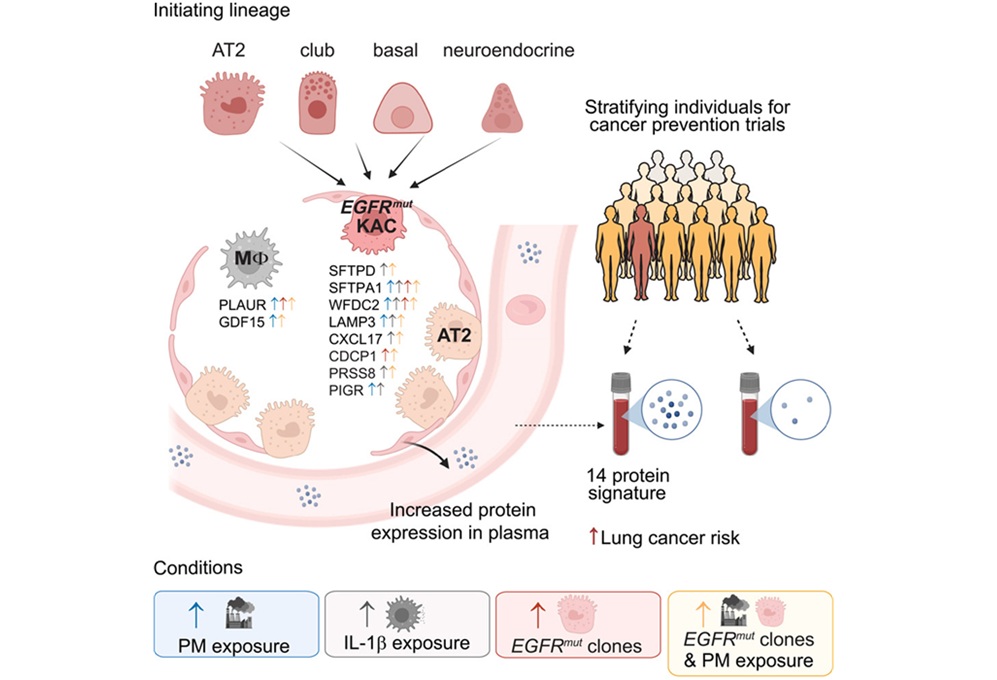
Plasma Protein Signature Predicts Lung Cancer Risk Up to Five Years Ahead
Lung cancer remains a leading cause of cancer death, and many cases are detected only after symptoms appear. Current screening programs largely target people with a history of smoking, leaving other at-risk... Read more
Hematology
view channel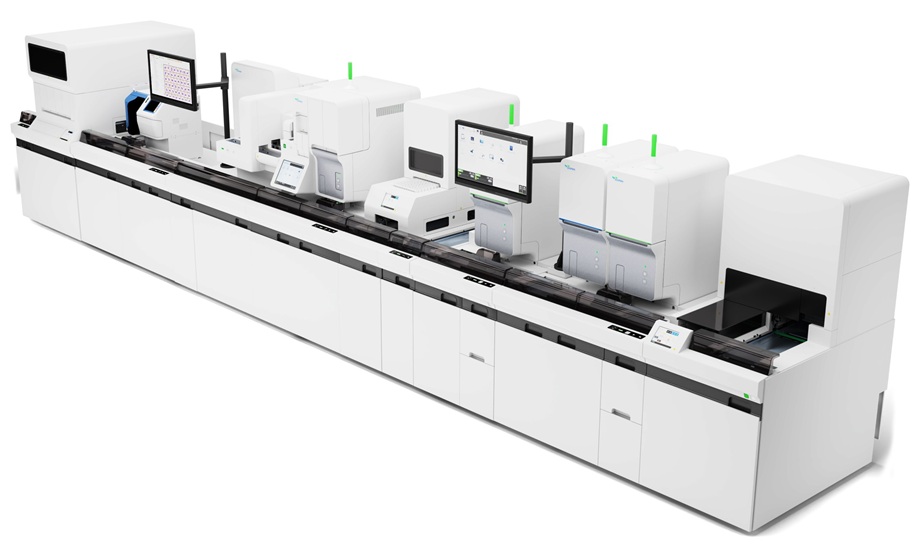
Next-Generation Hematology Platform Streamlines High-Complexity Lab Workflows
Sysmex America (Chicago, IL, USA) has introduced the next generation XR-Series, centered on the XR-10 Automated Hematology Module for high-complexity laboratories. The platform builds on the widely used... Read more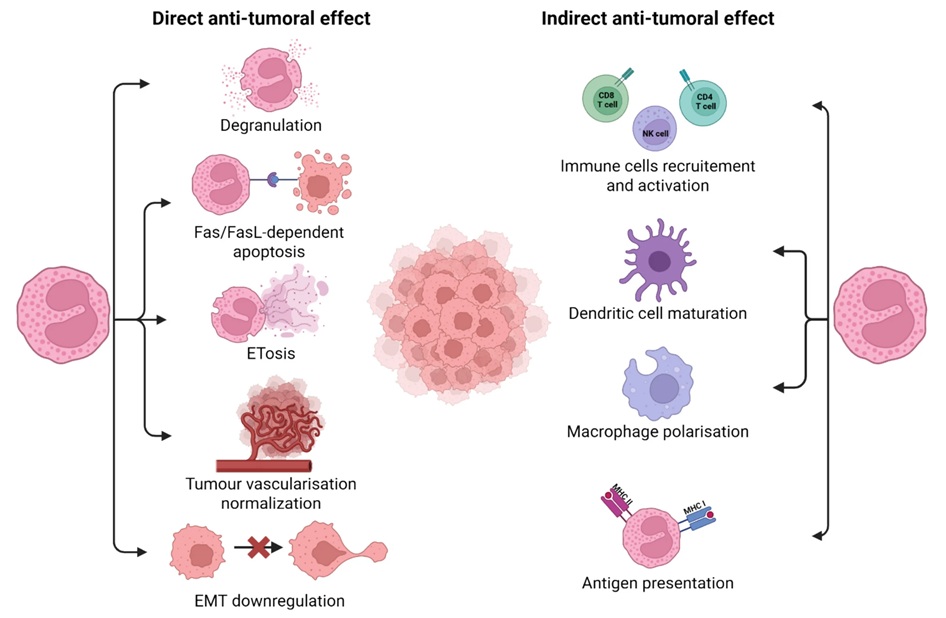
Blood Eosinophil Count May Predict Cancer Immunotherapy Response and Toxicity
Immune checkpoint inhibitors have improved outcomes across many cancers, yet only a subset of patients derive durable benefit and biomarkers to guide treatment remain limited. Eosinophils, best known for... Read more
Immunology
view channel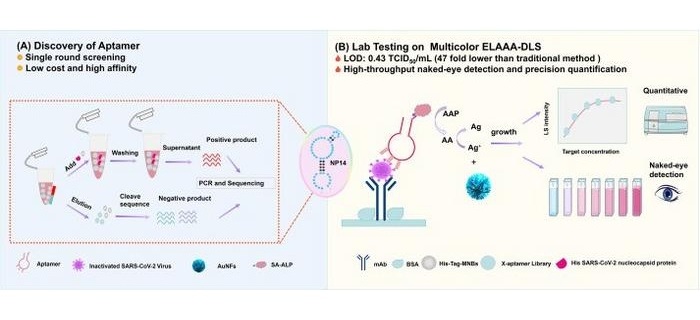
Aptamer-Based Biosensor Enables Mutation-Resilient SARS-CoV-2 Detection
Rapid evolution of severe acute respiratory syndrome coronavirus 2 (SARS-CoV-2) can undermine existing molecular diagnostics, especially when assays target small viral components. Double-antibody sandwich... Read more
Study Points to Autoimmune Pathway Behind Long COVID Symptoms
Long COVID leaves many SARS-CoV-2 survivors with persistent fatigue, cognitive issues, palpitations, and musculoskeletal pain for months or years. Estimates cited in new research suggest 4%–20% of infected... Read more
Metabolic Biomarker Distinguishes Latent from Active Tuberculosis and Tracks Treatment Response
Tuberculosis (TB) remains the world’s leading infectious killer, with 10.8 million cases and 1.25 million deaths recorded globally in 2023. Yet many infected individuals never develop active disease, underscoring... Read more
Microbiology
view channel
New Culture Medium Speeds C. difficile Resistance Detection and Reduces Costs
Clostridioides difficile infections remain a persistent threat in hospitals and communities, affecting about 500,000 people in the United States each year. Severe cases can be fatal within 30 days of diagnosis,... Read more
Automated Blood Culture System Speeds Detection of Bloodstream Infections
Bloodstream infections and sepsis require rapid laboratory detection to guide targeted antimicrobial therapy and reduce mortality. Conventional blood culture workflows can delay actionable results by critical... Read more
Pathology
view channel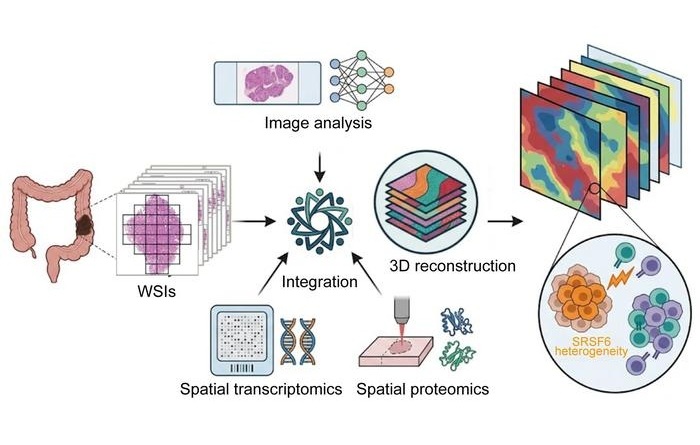
3D Spatial Multi-Omics Maps Intra-Tumor Diversity in Colorectal Cancer
Colorectal cancer remains a leading cause of cancer death, and clinical decision-making is complicated by marked intra-tumor heterogeneity. Conventional bulk sequencing averages molecular signals across... Read more
Blood-Based Method Tracks Gene Activity in the Living Brain
Real-time measurement of gene activity in the brain has been limited by assays requiring destructive tissue sampling. Tracking active genes could reveal how the body responds to environmental factors,... Read more
Technology
view channel
AI Platform Links Biomarker Results to Cancer Clinical Trials and Guidelines
Oncology teams must manage growing volumes of genomic data, rapidly evolving clinical trial options, and frequently updated care guidelines, all within tight clinic schedules. Translating complex tumor... Read more
Agentic AI Platform Supports Genomic Decision-Making in Oncology
Oncology care teams increasingly face the challenge of managing complex molecular diagnostics, evolving treatment options, and extensive electronic health record documentation. Translating multimodal data... Read more
Industry
view channel
Collaboration Advances ctDNA-Guided Development in Metastatic Colorectal Cancer
Natera, Inc. (Austin, TX, USA) and CytoDyn Inc. (Vancouver, WA, USA) announced a strategic collaboration focused on metastatic colorectal cancer (mCRC). Under the agreement, Natera will evaluate circulating... Read more