Online Tool Detects Drug Exposure Directly from Patient Samples
Posted on 18 Dec 2025
Doctors often rely on patient interviews and medical records to determine what medications a person has taken, but this information is frequently incomplete. People may forget drugs they used, take over-the-counter or leftover prescriptions, buy medicines online, or be exposed unintentionally through food or the environment. Missing these exposures matters because drugs and their breakdown products can significantly influence biology, treatment response, and health outcomes. A new large-scale reference resource now shows that chemical analysis can reveal a far more accurate picture of real-world drug exposure.
In the work led by the University of California - San Diego (San Diego, CA, USA), along with collaborators across pharmacy and clinical research programs, the research team created a publicly accessible reference library containing chemical fingerprints from thousands of drugs, their metabolites, and related compounds. The resource was built using mass spectrometry, a technique that sorts molecules by weight and fragments them to generate unique chemical signatures. Each entry is annotated with information on drug source, class, clinical use, and mechanism of action, allowing researchers to link detected molecules to meaningful clinical context.
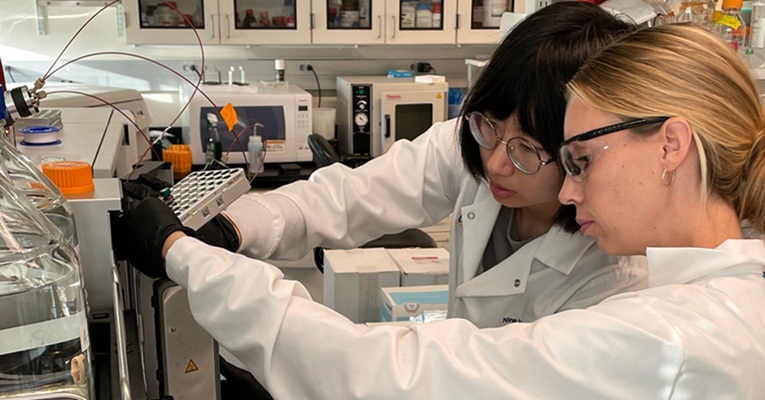
The library is integrated into the Global Natural Product Social Molecular Networking platform and paired with an online analysis tool. By comparing unknown molecules found in blood, urine, skin swabs, or environmental samples against the reference fingerprints, researchers can identify actual drug exposures rather than relying on self-reporting or records alone. The approach is compatible with untargeted metabolomics, which analyzes thousands of molecules simultaneously, making it possible to detect prescribed drugs.
The researchers validated the library using biological samples from multiple patient groups and large population studies. In samples from people with inflammatory bowel disease, Kawasaki disease, and dental cavities, antibiotics were frequently detected, matching typical treatment patterns. Skin swabs from individuals with psoriasis were rich in antifungal agents, reflecting common therapies. When applied to samples from nearly 2,000 participants in the American Gut Project, the library detected 75 distinct drugs, mirroring the most commonly prescribed medications across regions.
The findings, published in Nature Communications, revealed regional and demographic trends, including higher numbers of detectable drugs per individual in U.S. participants, more frequent detection of painkillers in females, and erectile-dysfunction drugs primarily in males. In clinical cohorts, the library uncovered medication use related to co-existing conditions, such as cardiovascular and psychiatric drugs in Alzheimer’s and HIV patients. The library could also help facilitate precision medicine by explaining why not all patients respond to a treatment in the same way, depending on how they metabolize medications.
“Whatever sample we put into the mass spectrometer, be it urine, breast milk, or even an environmental water sample, it will be able to detect all of the chemicals in the sample,” said co-first author Nina Zhao, Ph.D. “By understanding that, maybe we can use this information to optimize drug treatment.”
Related Links:
University of California San Diego