The Future for Laboratory Technology Unveiled
|
By LabMedica International staff writers Posted on 19 Mar 2012 |


|
Biomedical laboratories need to be able to deal with a high throughput of samples while reliably documenting each step in the testing process.
The fact that it takes so long for laboratories to analyze samples is in no small part due to all the cumbersome paperwork as each sample must be accompanied by meticulous records.
At the Fraunhofer Institute for Biomedical Engineering (IBMT; St. Ingbert, Germany) scientists are developing a fully automated approach to testing, with a particular emphasis on automating the documenting of samples. The main aim is to enable sample data to be processed automatically. A tiny microchip is embedded in the plastic of the test tube and used to store all relevant information, such as when and where a sample is from and the patient's name. In the past, test tubes would be written on by hand; more recently, the data has been stored in a barcode for easy scanning.
When the test tube is placed into an analyzer, the equipment can record details on the embedded chip of exactly what went on in the analysis. This means the test tube itself carries the sample's entire history, with no need for technicians to write up a laborious report including the patient's details, the results of the analysis and the testing methods employed. Scientists at IBMT are working together with Soventec GmbH (Dannewerk, Germany) to develop the LabOS laboratory management system. Working with LabOS, as soon as a test tube is placed in a reader, a screen displays data on the sample's history and also what the next steps are without the need for any paperwork.
Daniel Schmitt, Dipl. Phys., a project leader for the IBMT, said, "Usually, samples are accompanied by a report slip. Alternatively, the laboratory will know to expect a sample when it receives an e-mail containing all the necessary information. With test tube chips, the sample and the information are inseparably linked, and there is no way for information to go astray." For some time now, the project partners have been able to demonstrate just how well all this technology works together thanks to a mobile laboratory. Housed in a truck that is traveling all over South Africa, it is mainly working to diagnose AIDS and tuberculosis. The scientists showed the effectiveness of their concept at the MEDTEC Europe trade fair in Stuttgart, Germany from March 13 to 15, 2012.
Related Links:
Fraunhofer Institute for Biomedical Engineering
Soventec GmbH




The fact that it takes so long for laboratories to analyze samples is in no small part due to all the cumbersome paperwork as each sample must be accompanied by meticulous records.
At the Fraunhofer Institute for Biomedical Engineering (IBMT; St. Ingbert, Germany) scientists are developing a fully automated approach to testing, with a particular emphasis on automating the documenting of samples. The main aim is to enable sample data to be processed automatically. A tiny microchip is embedded in the plastic of the test tube and used to store all relevant information, such as when and where a sample is from and the patient's name. In the past, test tubes would be written on by hand; more recently, the data has been stored in a barcode for easy scanning.
When the test tube is placed into an analyzer, the equipment can record details on the embedded chip of exactly what went on in the analysis. This means the test tube itself carries the sample's entire history, with no need for technicians to write up a laborious report including the patient's details, the results of the analysis and the testing methods employed. Scientists at IBMT are working together with Soventec GmbH (Dannewerk, Germany) to develop the LabOS laboratory management system. Working with LabOS, as soon as a test tube is placed in a reader, a screen displays data on the sample's history and also what the next steps are without the need for any paperwork.
Daniel Schmitt, Dipl. Phys., a project leader for the IBMT, said, "Usually, samples are accompanied by a report slip. Alternatively, the laboratory will know to expect a sample when it receives an e-mail containing all the necessary information. With test tube chips, the sample and the information are inseparably linked, and there is no way for information to go astray." For some time now, the project partners have been able to demonstrate just how well all this technology works together thanks to a mobile laboratory. Housed in a truck that is traveling all over South Africa, it is mainly working to diagnose AIDS and tuberculosis. The scientists showed the effectiveness of their concept at the MEDTEC Europe trade fair in Stuttgart, Germany from March 13 to 15, 2012.
Related Links:
Fraunhofer Institute for Biomedical Engineering
Soventec GmbH

Gold Member
Aspiration System
VACUSAFE
Automatic CLIA Analyzer
Shine i6000
Urine Analyzer
respons® UDS100
Latest Technology News
- AI Platform Links Biomarker Results to Cancer Clinical Trials and Guidelines
- Agentic AI Platform Supports Genomic Decision-Making in Oncology
- Algorithm Panel Aids Liver Fibrosis Assessment and Liver Cancer Surveillance
- Mailed Screening Kits Help Reduce Colorectal Cancer Screening Gaps
- AI-Enabled Assistant Unifies Molecular Workflow Planning and Support
- AI Tool Automates Validation of Laboratory Software Configuration Changes
- Point-of-Care Testing Enhances Health Literacy and Self-Management in Chronic Disease
- Fully Automated Sample-to-Insight Workflow Advances Latent TB Testing
- Tumor-on-a-Chip Platform Models Pancreatic Cancer Treatment Response
- New Platform Captures Extracellular Vesicles for Early Cancer Detection
- Microfluidic Single-Cell Assay Predicts Breast Cancer Risk
- AI Tool Predicts Non-Response to Targeted Therapy in Colorectal Cancer
- Integrated System Streamlines Pre-Analytical Workflow for Molecular Testing
- Noninvasive Sputum Test Detects Early Lung Cancer
- New AI Tool Enables Rapid Treatment Selection in Pediatric Leukemia
- Rapid Biosensor Detects Drug Sensitivity in Breast Tumors
Channels
Clinical Chemistry
view channel
Saliva-Based Test Detects Biochemical Signs of Sleep Loss
Acute sleep loss impairs cognition and motor skills, raising safety risks that resemble alcohol intoxication. Clinicians currently lack an objective biochemical test to determine when someone is dangerously... Read more
Simple Dual-Tau Blood Test Detects and Stages Alzheimer’s Disease
Alzheimer’s disease is typically confirmed and staged with positron emission tomography scans and cerebrospinal fluid testing, procedures that are costly and invasive. Broader access to minimally invasive... Read more
Alzheimer’s Blood Biomarkers Linked to Early Cognitive Differences Before Dementia
Blood-based screening for Alzheimer’s disease offers a noninvasive, lower-cost alternative to brain imaging or spinal fluid testing, yet its ability to flag the earliest cognitive changes has been unclear.... Read more
Molecular Diagnostics
view channel
Blood Test Predicts Immunotherapy Response in Head and Neck Cancer
Head and neck squamous cell carcinoma affects hundreds of thousands of people worldwide each year, yet response rates to immunotherapy remain low. Clinicians lack reliable, minimally invasive tools to... Read more
New PCR Assay Supports Bundibugyo Ebola Outbreak Surveillance
Rapid identification of Ebola infections is essential to limit transmission and guide public health response, yet detection can be difficult when outbreaks involve rare variants. The current outbreaks... Read more
Hematology
view channel
Next-Generation Hematology Platform Streamlines High-Complexity Lab Workflows
Sysmex America (Chicago, IL, USA) has introduced the next generation XR-Series, centered on the XR-10 Automated Hematology Module for high-complexity laboratories. The platform builds on the widely used... Read more
Blood Eosinophil Count May Predict Cancer Immunotherapy Response and Toxicity
Immune checkpoint inhibitors have improved outcomes across many cancers, yet only a subset of patients derive durable benefit and biomarkers to guide treatment remain limited. Eosinophils, best known for... Read more
Immunology
view channel
Aptamer-Based Biosensor Enables Mutation-Resilient SARS-CoV-2 Detection
Rapid evolution of severe acute respiratory syndrome coronavirus 2 (SARS-CoV-2) can undermine existing molecular diagnostics, especially when assays target small viral components. Double-antibody sandwich... Read more
Study Points to Autoimmune Pathway Behind Long COVID Symptoms
Long COVID leaves many SARS-CoV-2 survivors with persistent fatigue, cognitive issues, palpitations, and musculoskeletal pain for months or years. Estimates cited in new research suggest 4%–20% of infected... Read more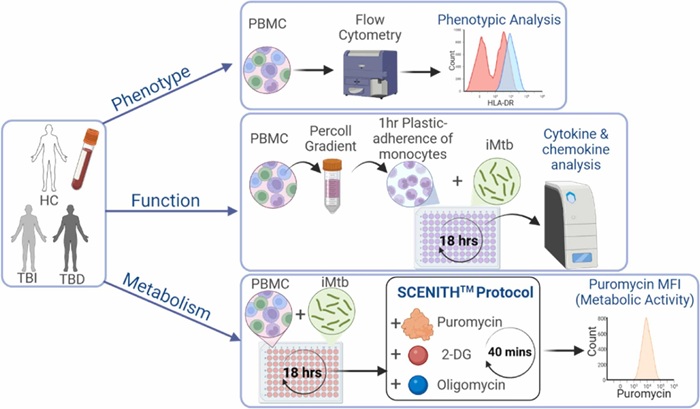
Metabolic Biomarker Distinguishes Latent from Active Tuberculosis and Tracks Treatment Response
Tuberculosis (TB) remains the world’s leading infectious killer, with 10.8 million cases and 1.25 million deaths recorded globally in 2023. Yet many infected individuals never develop active disease, underscoring... Read more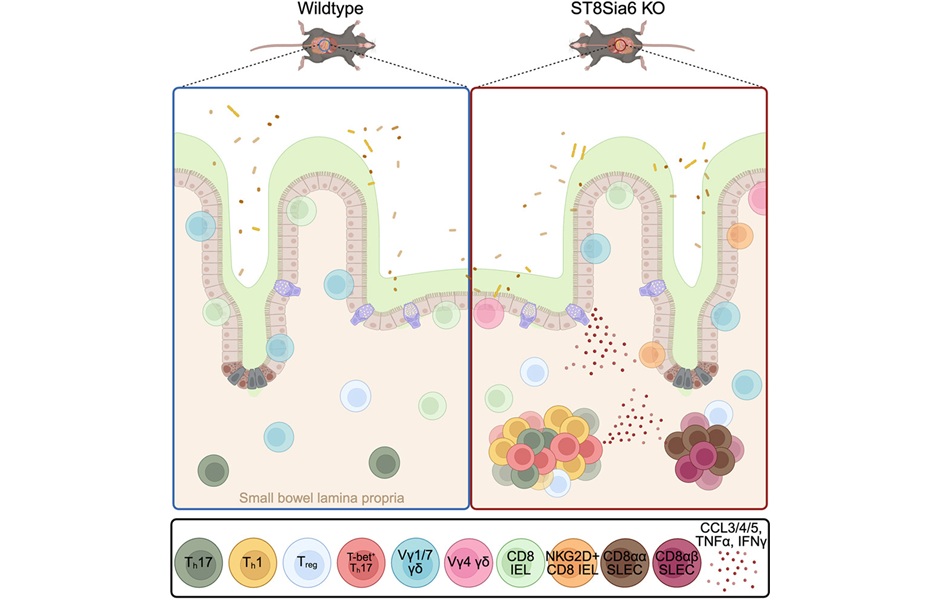
Microbiology
view channel
New Culture Medium Speeds C. difficile Resistance Detection and Reduces Costs
Clostridioides difficile infections remain a persistent threat in hospitals and communities, affecting about 500,000 people in the United States each year. Severe cases can be fatal within 30 days of diagnosis,... Read more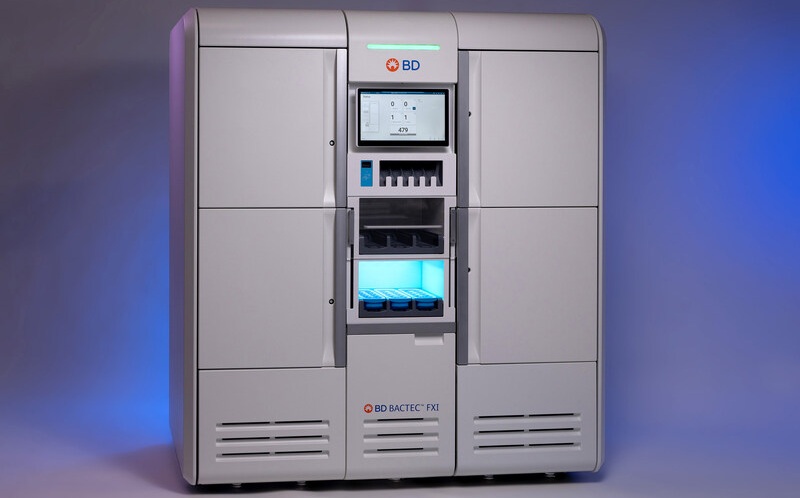
Automated Blood Culture System Speeds Detection of Bloodstream Infections
Bloodstream infections and sepsis require rapid laboratory detection to guide targeted antimicrobial therapy and reduce mortality. Conventional blood culture workflows can delay actionable results by critical... Read more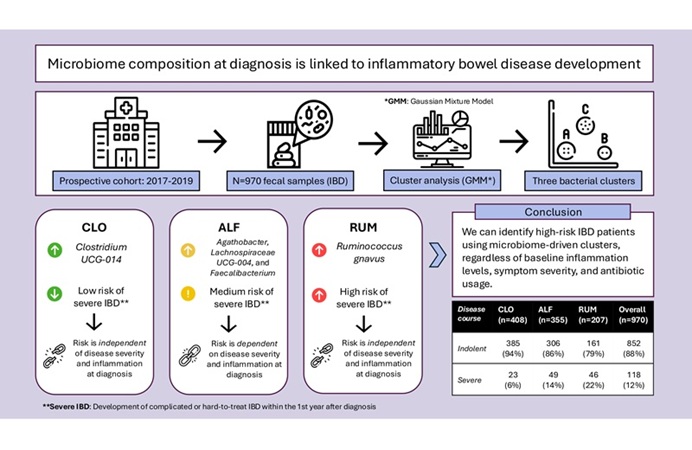
Pathology
view channel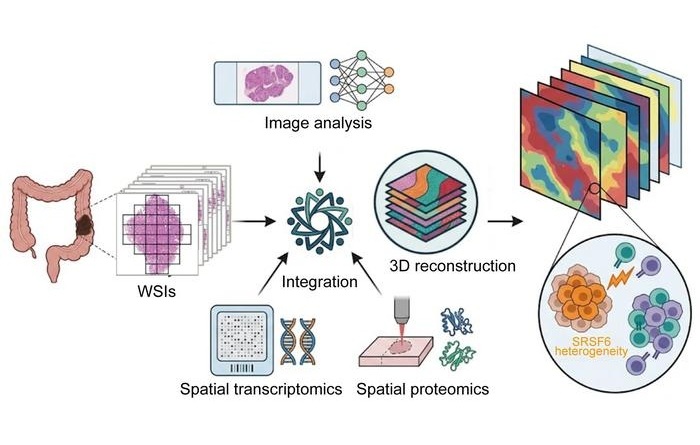
3D Spatial Multi-Omics Maps Intra-Tumor Diversity in Colorectal Cancer
Colorectal cancer remains a leading cause of cancer death, and clinical decision-making is complicated by marked intra-tumor heterogeneity. Conventional bulk sequencing averages molecular signals across... Read more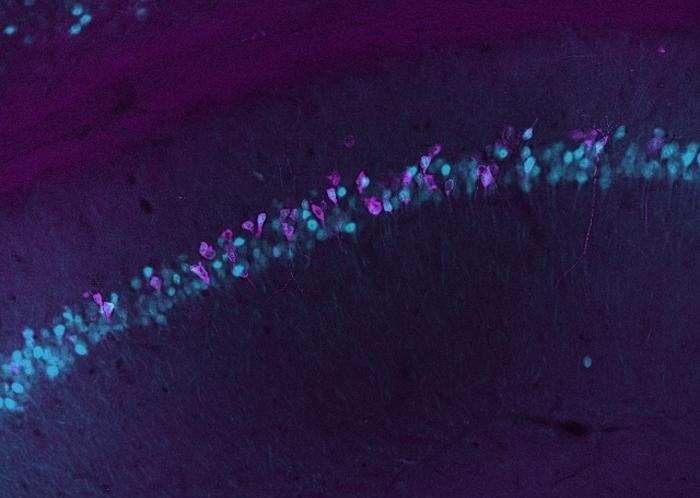
Blood-Based Method Tracks Gene Activity in the Living Brain
Real-time measurement of gene activity in the brain has been limited by assays requiring destructive tissue sampling. Tracking active genes could reveal how the body responds to environmental factors,... Read more
Industry
view channel
Collaboration Advances ctDNA-Guided Development in Metastatic Colorectal Cancer
Natera, Inc. (Austin, TX, USA) and CytoDyn Inc. (Vancouver, WA, USA) announced a strategic collaboration focused on metastatic colorectal cancer (mCRC). Under the agreement, Natera will evaluate circulating... Read more