Microfluidic Devices Created from Ordinary, Inexpensive Components
|
By LabMedica International staff writers Posted on 16 Feb 2012 |


|
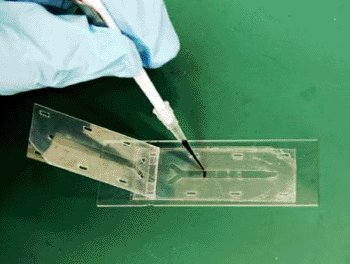
Image: NIST scientists combined a glass slide, plastic sheets, and double-sided tape to create an inexpensive and simple-to-build microfluidic device for exposing an array of cells to different concentrations of a chemical (Photo courtesy of Cooksey/NIST).
A glass slide, plastic sheets, and double-sided tape were combined to create a diffusion-based gradient generator, a tool that rapidly assesses how changing concentrations of specific chemicals affect living cells.
Exposing an array of cultured cells to a chemical gradient provides a solution where the chemical concentration changes gradually and predictably across the array. Such gradients are a rapid, high-throughput way to evaluate the effect on cell growth or toxicity.
Created by National Institute of Standards and Technology (NIST; Gaithersburg, MD, USA) engineer Javier Atencia the gradient generator is built in layers, with each section precisely positioned with an alignment tab. The base is a glass slide, upon which is attached a strip of double-sided tape cut to have a row of four micrometer-sized channels. On top of this is placed a polystyrene strip cut to have two lines each of four tiny circular "wells" where each pair lines up with the ends of the channel below it. The next layer is another strip of double-sided tape, this time with a Y-shaped canal cut into it to serve as the flow path for the chemical gradient. Finally, a Mylar strip cut to have an identical Y-canal serves as the cover.
The hinged cover allows access to the wells for adding test cells. Once done, the cover is lowered and affixed, sealing the gradient generator. Fluid flow in and out of the system is accomplished using magnetic connectors. Under constant pressure, the flow assures a steady-state stream through the device and creates a diffusion gradient in each buried channel. Cells in the channels are simultaneously exposed to a range of chemical concentrations from high to low.
Conventional microfluidic systems usually mix fluids by pumping them in a circular motion or by twisting and folding them together. The new NIST system's gradient is created by diffusion––the gentle movement of matter from one point to another by random molecular motion. This greatly reduces the risk of cells being swept away or damaged by shearing forces in the test fluid.
The device was tested by loading it with cells genetically engineered to produce large amounts of green fluorescent protein (GFP) and then introduced cycloheximide (CHX), a chemical that shuts down ribosomes, the cell's protein factories. Cells exposed to the toxin quickly stop synthesizing GFP, decreasing fluorescence by an amount directly related to the concentration of CHX.
This is what the scientists observed in the gradient generator assays. The cells were exposed three times to CHX, and each time, the level of GFP fluorescence increased as the concentration of CHX in the gradient decreased, and vice versa.
The new device was described in the 2012 edition of the journal Lab-on-a-Chip.
Related Links:
National Institute of Standards and Technology




Exposing an array of cultured cells to a chemical gradient provides a solution where the chemical concentration changes gradually and predictably across the array. Such gradients are a rapid, high-throughput way to evaluate the effect on cell growth or toxicity.
Created by National Institute of Standards and Technology (NIST; Gaithersburg, MD, USA) engineer Javier Atencia the gradient generator is built in layers, with each section precisely positioned with an alignment tab. The base is a glass slide, upon which is attached a strip of double-sided tape cut to have a row of four micrometer-sized channels. On top of this is placed a polystyrene strip cut to have two lines each of four tiny circular "wells" where each pair lines up with the ends of the channel below it. The next layer is another strip of double-sided tape, this time with a Y-shaped canal cut into it to serve as the flow path for the chemical gradient. Finally, a Mylar strip cut to have an identical Y-canal serves as the cover.
The hinged cover allows access to the wells for adding test cells. Once done, the cover is lowered and affixed, sealing the gradient generator. Fluid flow in and out of the system is accomplished using magnetic connectors. Under constant pressure, the flow assures a steady-state stream through the device and creates a diffusion gradient in each buried channel. Cells in the channels are simultaneously exposed to a range of chemical concentrations from high to low.
Conventional microfluidic systems usually mix fluids by pumping them in a circular motion or by twisting and folding them together. The new NIST system's gradient is created by diffusion––the gentle movement of matter from one point to another by random molecular motion. This greatly reduces the risk of cells being swept away or damaged by shearing forces in the test fluid.
The device was tested by loading it with cells genetically engineered to produce large amounts of green fluorescent protein (GFP) and then introduced cycloheximide (CHX), a chemical that shuts down ribosomes, the cell's protein factories. Cells exposed to the toxin quickly stop synthesizing GFP, decreasing fluorescence by an amount directly related to the concentration of CHX.
This is what the scientists observed in the gradient generator assays. The cells were exposed three times to CHX, and each time, the level of GFP fluorescence increased as the concentration of CHX in the gradient decreased, and vice versa.
The new device was described in the 2012 edition of the journal Lab-on-a-Chip.
Related Links:
National Institute of Standards and Technology

Gold Member
STI Test
Vivalytic MG, MH, UP/UU
Creatinine/eGFR Meter
StatSensor® Creatinine/eGFR Meter
CMV CLIA Diagnostic
CLIA CMV IgA Screen Group
Latest Technology News
- AI Platform Links Biomarker Results to Cancer Clinical Trials and Guidelines
- Agentic AI Platform Supports Genomic Decision-Making in Oncology
- Algorithm Panel Aids Liver Fibrosis Assessment and Liver Cancer Surveillance
- Mailed Screening Kits Help Reduce Colorectal Cancer Screening Gaps
- AI-Enabled Assistant Unifies Molecular Workflow Planning and Support
- AI Tool Automates Validation of Laboratory Software Configuration Changes
- Point-of-Care Testing Enhances Health Literacy and Self-Management in Chronic Disease
- Fully Automated Sample-to-Insight Workflow Advances Latent TB Testing
- Tumor-on-a-Chip Platform Models Pancreatic Cancer Treatment Response
- New Platform Captures Extracellular Vesicles for Early Cancer Detection
- Microfluidic Single-Cell Assay Predicts Breast Cancer Risk
- AI Tool Predicts Non-Response to Targeted Therapy in Colorectal Cancer
- Integrated System Streamlines Pre-Analytical Workflow for Molecular Testing
- Noninvasive Sputum Test Detects Early Lung Cancer
- New AI Tool Enables Rapid Treatment Selection in Pediatric Leukemia
- Rapid Biosensor Detects Drug Sensitivity in Breast Tumors
Channels
Clinical Chemistry
view channel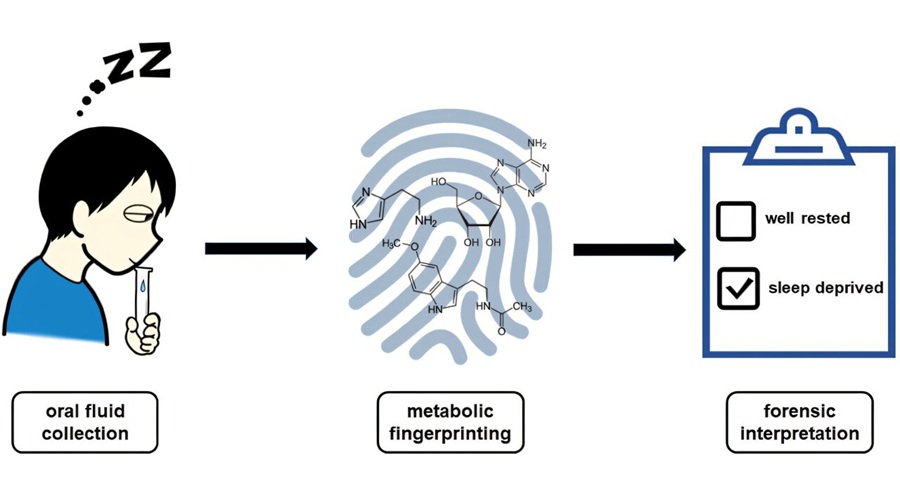
Saliva-Based Test Detects Biochemical Signs of Sleep Loss
Acute sleep loss impairs cognition and motor skills, raising safety risks that resemble alcohol intoxication. Clinicians currently lack an objective biochemical test to determine when someone is dangerously... Read more
Simple Dual-Tau Blood Test Detects and Stages Alzheimer’s Disease
Alzheimer’s disease is typically confirmed and staged with positron emission tomography scans and cerebrospinal fluid testing, procedures that are costly and invasive. Broader access to minimally invasive... Read more
Alzheimer’s Blood Biomarkers Linked to Early Cognitive Differences Before Dementia
Blood-based screening for Alzheimer’s disease offers a noninvasive, lower-cost alternative to brain imaging or spinal fluid testing, yet its ability to flag the earliest cognitive changes has been unclear.... Read more
Molecular Diagnostics
view channel
Blood Test Predicts Immunotherapy Response in Head and Neck Cancer
Head and neck squamous cell carcinoma affects hundreds of thousands of people worldwide each year, yet response rates to immunotherapy remain low. Clinicians lack reliable, minimally invasive tools to... Read more
New PCR Assay Supports Bundibugyo Ebola Outbreak Surveillance
Rapid identification of Ebola infections is essential to limit transmission and guide public health response, yet detection can be difficult when outbreaks involve rare variants. The current outbreaks... Read more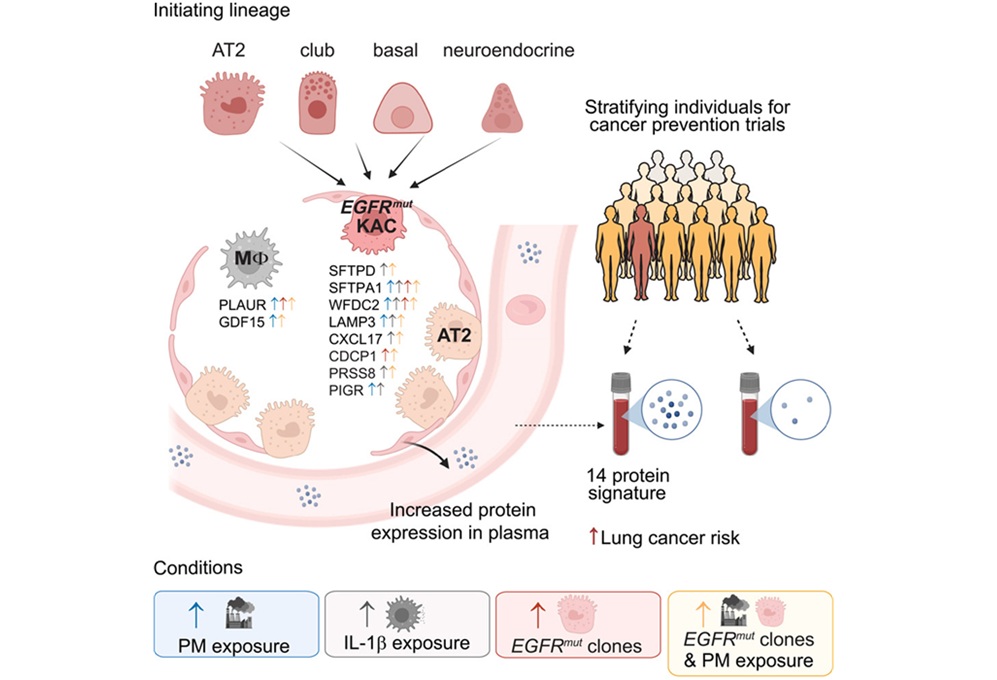
Hematology
view channel
Next-Generation Hematology Platform Streamlines High-Complexity Lab Workflows
Sysmex America (Chicago, IL, USA) has introduced the next generation XR-Series, centered on the XR-10 Automated Hematology Module for high-complexity laboratories. The platform builds on the widely used... Read more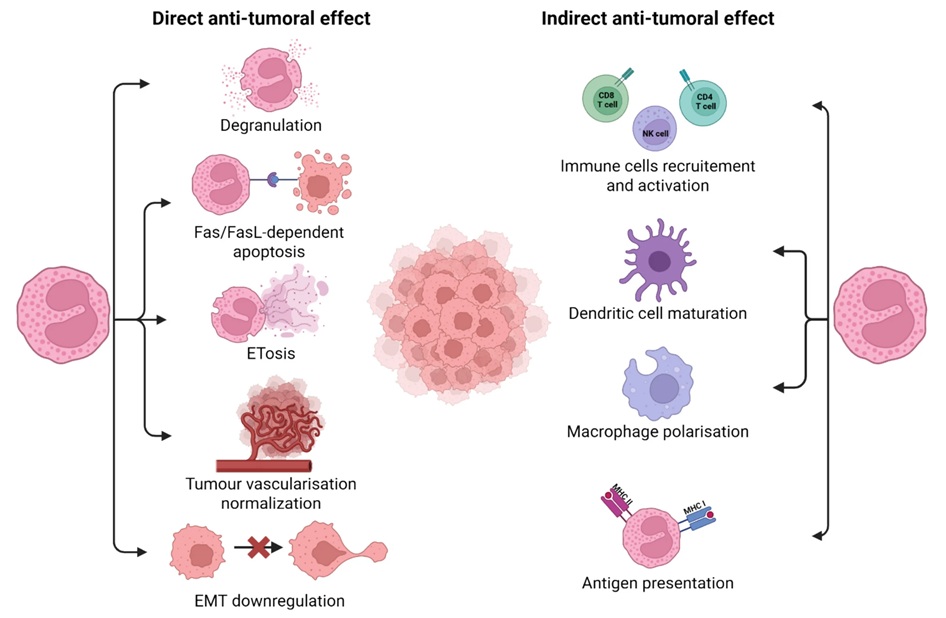
Blood Eosinophil Count May Predict Cancer Immunotherapy Response and Toxicity
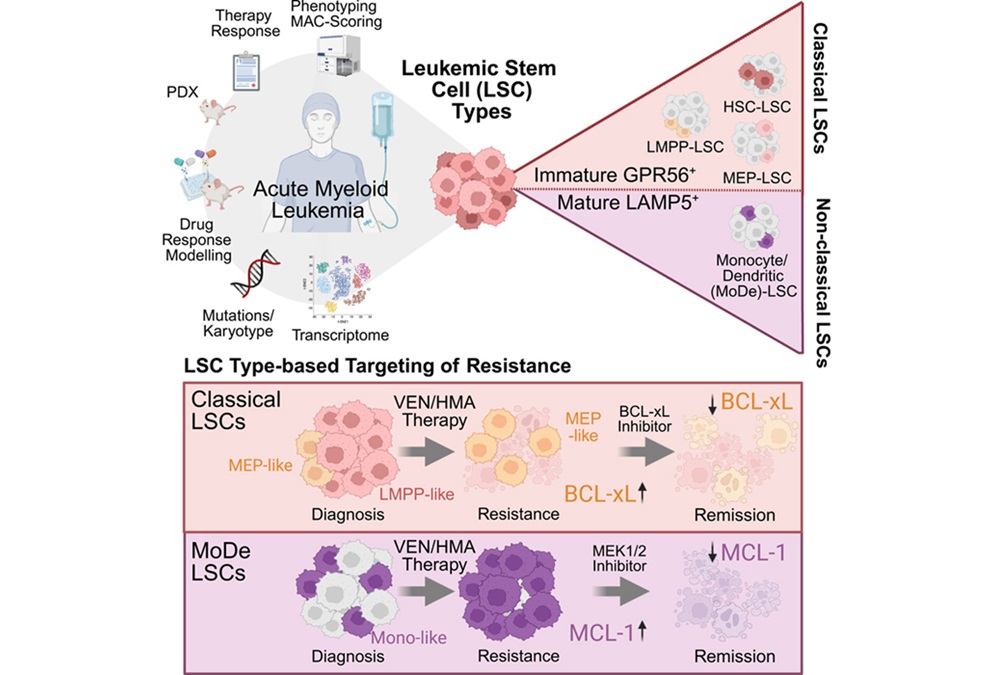
Immune checkpoint inhibitors have improved outcomes across many cancers, yet only a subset of patients derive durable benefit and biomarkers to guide treatment remain limited. Eosinophils, best known for... Read more
Immunology
view channel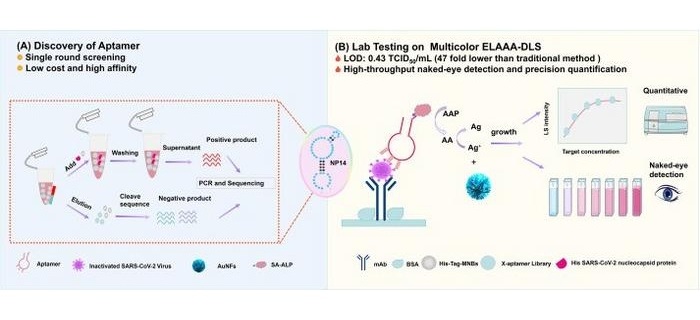
Aptamer-Based Biosensor Enables Mutation-Resilient SARS-CoV-2 Detection
Rapid evolution of severe acute respiratory syndrome coronavirus 2 (SARS-CoV-2) can undermine existing molecular diagnostics, especially when assays target small viral components. Double-antibody sandwich... Read more
Study Points to Autoimmune Pathway Behind Long COVID Symptoms
Long COVID leaves many SARS-CoV-2 survivors with persistent fatigue, cognitive issues, palpitations, and musculoskeletal pain for months or years. Estimates cited in new research suggest 4%–20% of infected... Read more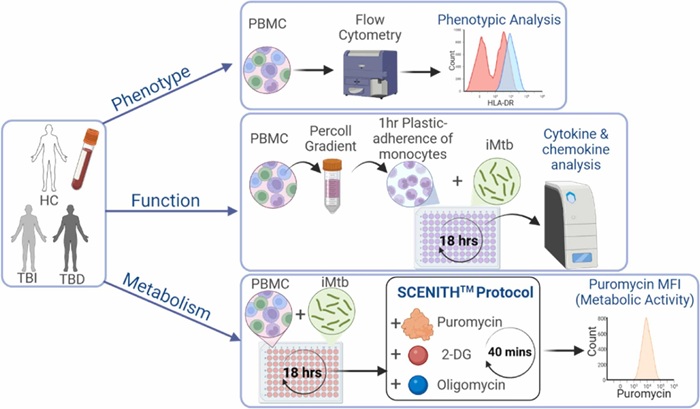
Metabolic Biomarker Distinguishes Latent from Active Tuberculosis and Tracks Treatment Response
Tuberculosis (TB) remains the world’s leading infectious killer, with 10.8 million cases and 1.25 million deaths recorded globally in 2023. Yet many infected individuals never develop active disease, underscoring... Read more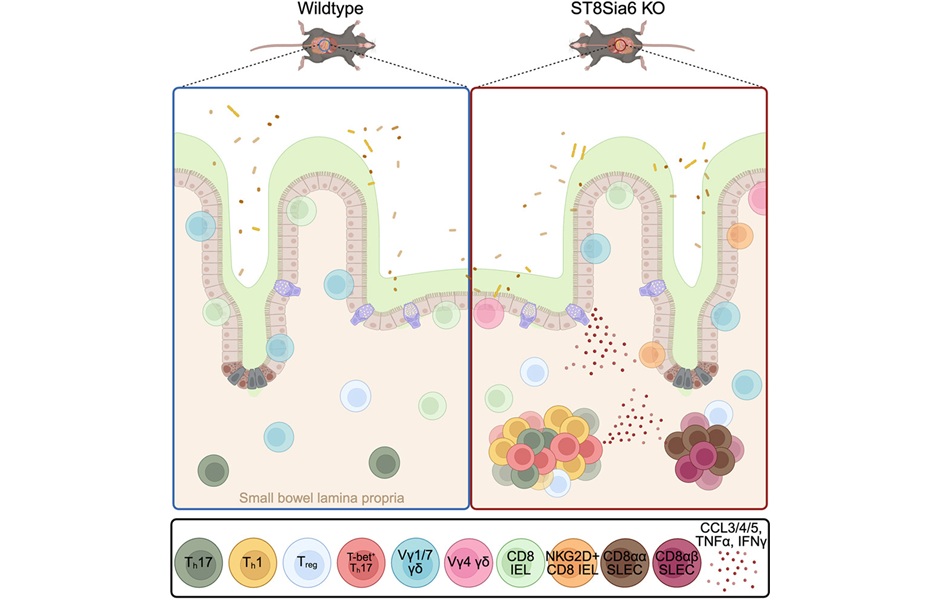
Microbiology
view channel
New Culture Medium Speeds C. difficile Resistance Detection and Reduces Costs
Clostridioides difficile infections remain a persistent threat in hospitals and communities, affecting about 500,000 people in the United States each year. Severe cases can be fatal within 30 days of diagnosis,... Read more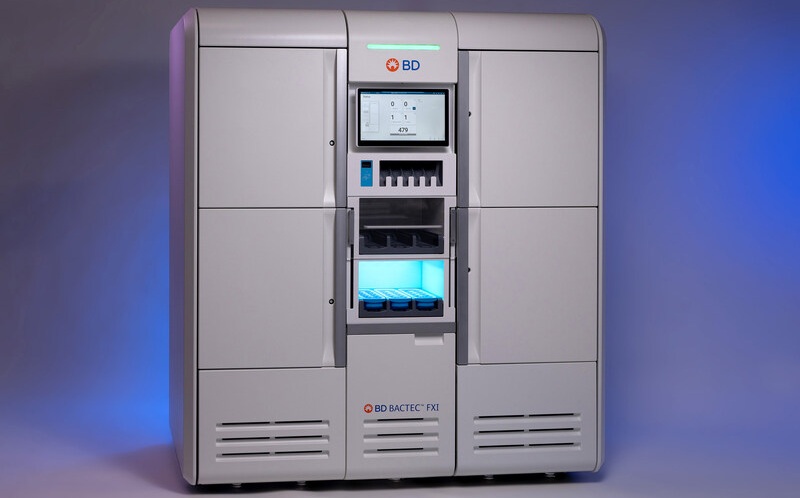
Automated Blood Culture System Speeds Detection of Bloodstream Infections
Bloodstream infections and sepsis require rapid laboratory detection to guide targeted antimicrobial therapy and reduce mortality. Conventional blood culture workflows can delay actionable results by critical... Read more
Pathology
view channel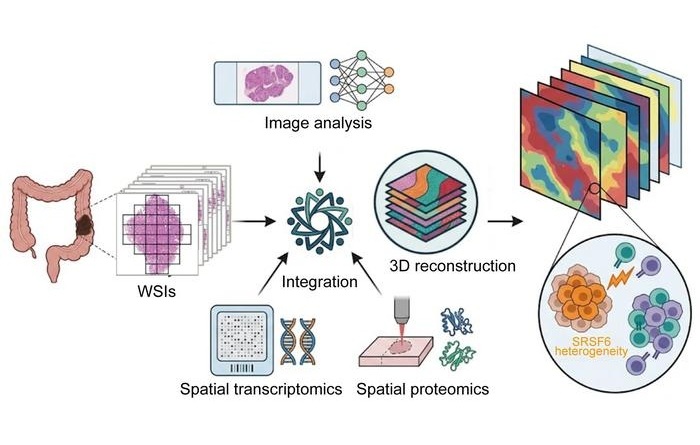
3D Spatial Multi-Omics Maps Intra-Tumor Diversity in Colorectal Cancer
Colorectal cancer remains a leading cause of cancer death, and clinical decision-making is complicated by marked intra-tumor heterogeneity. Conventional bulk sequencing averages molecular signals across... Read more
Blood-Based Method Tracks Gene Activity in the Living Brain
Real-time measurement of gene activity in the brain has been limited by assays requiring destructive tissue sampling. Tracking active genes could reveal how the body responds to environmental factors,... Read more
Industry
view channel
Collaboration Advances ctDNA-Guided Development in Metastatic Colorectal Cancer
Natera, Inc. (Austin, TX, USA) and CytoDyn Inc. (Vancouver, WA, USA) announced a strategic collaboration focused on metastatic colorectal cancer (mCRC). Under the agreement, Natera will evaluate circulating... Read more