Medica Labmed Forum Presents Innovations from the World of Laboratory Medicine
|
By LabMedica International staff writers Posted on 09 Sep 2022 |


|

Since 2017, the field of laboratory medicine has been represented by a scientific event of high-caliber experts at internationally leading trade fair MEDICA (Düsseldorf, Germany). The event takes place in the trade fair area featuring laboratory equipment and diagnostics, where several hundred exhibitors participate each year. In spite of, or maybe especially because of the COVID-19 pandemic, the MEDICA LABMED FORUM has been enjoying growing recognition within both academia and the industry. During MEDICA 2022 (14 – 17 November), the newest scientific findings from across the broad spectrum of diagnostic medicine will be presented again in Hall 1. As part of the program by the specialist forum for laboratory medicine, renowned experts will be holding highly up-to-date lectures here on stage.
After having taken place on a completely digital platform due to the pandemic in 2020, the MEDICA LABMED FORUM returned last year as an in-person meeting-point for international guests. The two scientific organizers, Prof. Dr. Georg Hoffmann and Prof. Dr. Stefan Holdenrieder, both laboratory doctors at the institute for laboratory medicine at the German Heart Centre of the Technical University of Munich, have put together a total of eight sessions for this year and created an inviting, multi-faceted program about notable trends within in-vitro diagnostics (IVD). The motto of the opening day will be "Regulations and quality ". The second day of the event is dedicated to short lectures and interactive stage discussions about the newest trends in laboratory medicine. On 16 November, recently discovered biomarkers take central stage. The closing day on 17 November will showcase innovative developments within the life sciences.
Day 1: Regulations and quality
The event is opened on 14 November by a session organized by Prof. Dr. Astrid Petersmann, Medicine and Health Sciences at Oldenburg University, on the current challenges posed by regulations within laboratory medicine. This day of the forum is dedicated in particular to the European In-vitro Diagnostics Medical Devices Regulation (IVDR), which aims to markedly improve the standards of quality within the area of diagnostics to increase patient safety. As of May 2022, these regulations now apply to laboratory diagnostics as well and pose enormous regulatory challenges not only to manufacturers, but also to medical laboratories using proprietary assays – for example for specialized parameters – in practical patient care. "A statement such as ‘We've always been doing it like this’ will be unacceptable in the future,” says Prof. Petersmann.
In the same sense, this applies to quality assurance methods which have been established for many years, but the requirements of which have so far been formulated more from a perspective of technical feasibility than from a perspective of medical necessity. This is to change in the future, and Prof. Dr. Matthias Nauck, Greifswald University Department of Medicine, will present the first steps that have been established. For example, the analytical requirements for the parameters for diagnosis and treatment of diabetes mellitus were already substantially increased for the benefit of patients. This approach will also be the foundation for further development of the guidelines issued by the German Medical Association. Other than that, information about the quality of the examinations carried out by medical laboratories must become more transparent and concrete for the attending doctors. This aspect will be discussed in the part of the event titled "Quality assurance in patient-oriented laboratory medicine". The session leader is certain that her referents will present and discuss a number of important innovations in the auditorium.
Day 2: Trends in laboratory medicine
Referred to as liquid biopsy or liquid profiling, diagnosis through nucleic acids circulating in the blood (CNAPS) has been talked about now for years. According to Prof. Dr. Stefan Holdenrieder, who will lead the session on "New insights in circulating nucleic acid diagnostics" on 15 November, this diagnostic technique is quickly taking the leap from a scientific research method to clinical practice – from "bench to bedside". While already standard in non-invasive pre-natal tests, there are now large studies available on its use in tumor patients, including the selection and monitoring of targeted therapies, detection of minimal residual disease and early diagnosis of multiple types of tumors. CNAPS diagnostics are also coming into focus for the detection and classification of sepsis, as well as in monitoring after transplantation. One important reason for this progress in development, other than the availability of sensitive high-throughput technologies, is a deeper understanding of the biology, structure and function of nucleic acids in the blood. For example, epigenetic and fragmentation patterns of DNA are being increasingly used not only to detect disease, but to trace the origin of the tissue. Dr. Abel Bronkhorst from the Technical University of Munich will offer an introduction to the newest discoveries within the basic science of circulating nucleic acids, the varied uses of which for clinical diagnostics will be then presented and discussed by proven experts.
The "perpetual issue" of COVID-19 will again have its own session this year, titled "COVID-19: The challenge remains". Current challenges include the ongoing, astounding evolution of perpetually new virus variants and the resulting necessity for adapting diagnostics, therapy and the development of vaccines accordingly. Therefore, the first presentations will focus on detecting new virus variants, on immune response assays using antibodies and t-cell tests, and on approaches to developing a universal COVID-19 vaccine. As another challenge both for individuals and for society as a whole, long-COVID syndrome is also slowly beginning to gain attention. To better understand and treat this slowly spreading "disease after the disease" which affects millions of people worldwide – including those who had a mild course of acute illness – and which can cause long-lasting physical and psychological disability, a deeper understanding of the pathophysiology, new molecular diagnostic tests and specialized treatment centers for affected patients are necessary. Prof. Dr. Uta Behrends of the Chronisches Fatigue Centrum für junge Menschen (MCFC), the centre for chronic fatigue for young people at the Technical University of Munich, already has many years of experience with fatigue syndromes following various viral diseases. She will report on her work with an interdisciplinary team of specialists caring for children and adolescents with long COVID and ME/CFS.
Day 3: Rising stars: Emerging biomarkers in laboratory medicine
The two last days of the forum will take a look at the future of laboratory medicine and the life sciences. On 16 November, Dr. Verena Haselmann from the University Hospital Mannheim and a team of young, dedicated scientists will shine a light on the "rising stars" among the new biomarkers on the scientific stage. What is new and which methods are on the way to becoming standard care – both of these questions will be the focus of lectures and discussions.
The morning will be dedicated to technologies the potential of which for medical diagnostics and therapy is still under evaluation. This includes new methods of sequencing genomes and detecting complex epigenomic changes. Another topic is the application of these methods on single cells (single-cell omics) and the examination of blood samples by magnetic resonance imaging (MRI); a method which so far has only been routinely used for diagnostic imaging. All these methods have in common that their analysis produces immense volumes of data. Their evaluation poses the real challenge here. During the morning session, Prof. Dr. Jonathan Schmid-Burgk of the Institute for Clinical Chemistry and Clinical Pharmacology of the University Hospital Bonn will provide an introduction to high-throughput sequencing and novel applications in his lecture “Next-generation sequencing – what´s new?” There will also be a discussion on the benefits of functional genetic mapping of hotspot genes.
In the afternoon, on the forum event stage in Düsseldorf, there will be an introduction of methods which are already closer to being ready for the market, but still subject to heavy discussion. This is where, for example, we will hear about detecting genetic aberrations of the embryo in the maternal blood (NIPT) or immune response assays on the cellular level, which are of importance right now when assessing the status of immunity during the COVID-19 pandemic. In his lecture "LDTs in the light of the IVDR – still an option for standard care?", Dr. Maximilian Kittel of the Institute for Clinical Chemistry at the University Medical Centre and Medical Faculty Mannheim of Heidelberg University will ask the critical question whether and under which conditions lab-developed testing procedures will still be usable for routine diagnostics once the new IVD guidelines are wholly in place. Here one focus lies on the conflict inherent between personalized medicine and hospital performance records. The day will end with contributions to the evaluation of data through expert systems and proprietary laboratory developments (LDT = lab-developed tests), which need to pass the new IVDR regulations in order to become routine procedures.
Day 4: Innovative developments in the life sciences
On 17 November, Dr. Peter Quick, head of the Life Science Research work group at VDGH e.V., the German association of the diagnostics industry, will bring researchers and developers on stage whose work on RNA technologies, highly important for the development of vaccines, has gained widespread recognition.
Dr. Christian Dohmen, Ethris GmbH, Senior Director Formulation & Aerosol Research, will present the mRNA Therapeutics for Lung Diseases project, one of the RNA technologies discussed. The project advocates for a novel class of mRNA products to be used as therapeutics in the treatment of respiratory and infectious diseases. The Ethris technology platform will pave the way for a protein replacement therapy for rare lung diseases and for antiviral therapies.
In her lecture, Dr. Janine Altmüller, MDC for molecular medicine and head of the Genomics Core Berlin Institute of Health at the Charité, will look beyond to even more advanced, revolutionary research technologies in life sciences: single-cell and spatial omics. As all living processes in organs and organisms rely on the functions of their basic building blocks, single cells and their interactions, these methods are of immense value for research into the physiology of health and disease. Dr. Altmüller will offer a broad introduction of technological concepts for single-cell and spatial analysis, present advantages and limitations, and illustrate their effects by presenting several highly impressive case studies.
Gene therapy, genome editing and diagnostics – where does the journey lead? Toni Cathomen, professor for cell and gene therapy at Freiburg University and director of the Institute for Transfusion Medicine and Gene Therapy at the University Medical Center, will also take a look at the future. Programmable nucleases like CRISPR-Cas have hailed a new era within personalized medicine. Prof. Cathomen will explain the principles of gene therapy and genome editing, present examples of successfully applied gene therapies for diseases of the blood and the immune system, and discuss new technologies for editing the genome, which have noticeably enlarged the application spectrum of gene therapy. He will end his presentation with a closer look at diagnostic assays used to assess, and where appropriate ameliorate, the risks of genotoxicity. The audience is invited to share his vision of the future of this field.
Though the topics are complex, it is a hallmark of the four-day event that all presentations are short, precise and easy to understand, and that rewarding discussions with the audience can be held on stage. This concept has contributed significantly to the success of the MEDICA LABMED FORUM as one of the highlights of the program at MEDICA.
MEDICA DEEP DIVE: Diagnostics of infectious diseases
And for all those who would like a "warm-up" in the sense of a more in-depth preparation for their visit to MEDICA, the digital, English-language talk rounds "MEDICA DEEP DIVE" are ideal. They will start shortly and focus on particularly relevant trend topics in the healthcare sector. They will start on 22 September with a topic from the field of laboratory medicine: "Diagnostics of infectious diseases" with a focus on current innovations and developments in the field of point-of-care diagnostics.
Related Links:
MEDICA




Latest Industry News
- AI-Powered Cervical Cancer Test Set for Major Rollout in Latin America
- New Collaboration Brings Automated Mass Spectrometry to Routine Laboratory Testing
- Diasorin and Fisher Scientific Enter into US Distribution Agreement for Molecular POC Platform
- WHX Labs Dubai to Gather Global Experts in Antimicrobial Resistance at Inaugural AMR Leaders’ Summit
- BD and Penn Institute Collaborate to Advance Immunotherapy through Flow Cytometry
- Abbott Acquires Cancer-Screening Company Exact Sciences
- Roche and Freenome Collaborate to Develop Cancer Screening Tests
- Co-Diagnostics Forms New Business Unit to Develop AI-Powered Diagnostics
- Qiagen Acquires Single-Cell Omics Firm Parse Biosciences
- Puritan Medical Products Showcasing Innovation at AMP2025 in Boston
- Advanced Instruments Merged Under Nova Biomedical Name
- Bio-Rad and Biodesix Partner to Develop Droplet Digital PCR High Complexity Assays
- Hologic to be Acquired by Blackstone and TPG
- Bio-Techne and Oxford Nanopore to Accelerate Development of Genetics Portfolio
- Terumo BCT and Hemex Health Collaborate to Improve Access to Testing for Hemoglobin Disorders
- Revvity and Sanofi Collaborate on Program to Revolutionize Early Detection of Type 1 Diabetes
Channels
Clinical Chemistry
view channel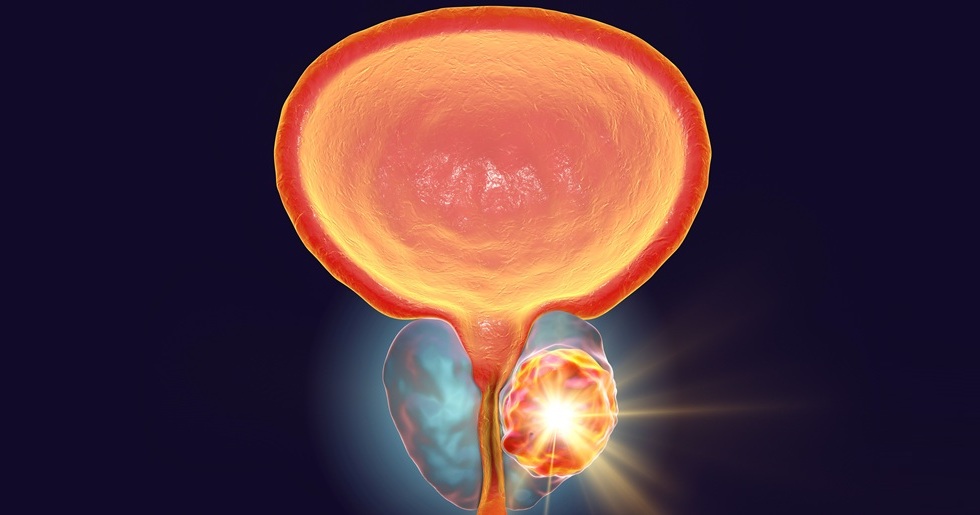
New PSA-Based Prognostic Model Improves Prostate Cancer Risk Assessment
Prostate cancer is the second-leading cause of cancer death among American men, and about one in eight will be diagnosed in their lifetime. Screening relies on blood levels of prostate-specific antigen... Read more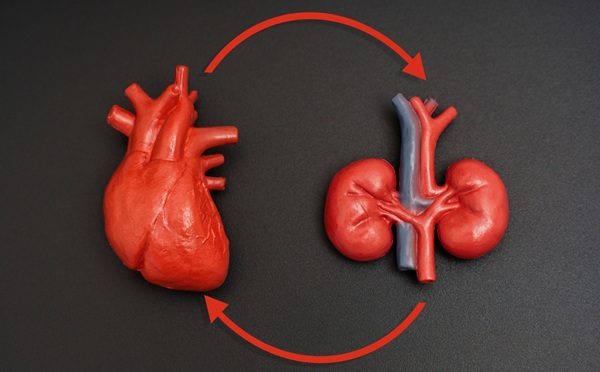
Extracellular Vesicles Linked to Heart Failure Risk in CKD Patients
Chronic kidney disease (CKD) affects more than 1 in 7 Americans and is strongly associated with cardiovascular complications, which account for more than half of deaths among people with CKD.... Read more
Molecular Diagnostics
view channel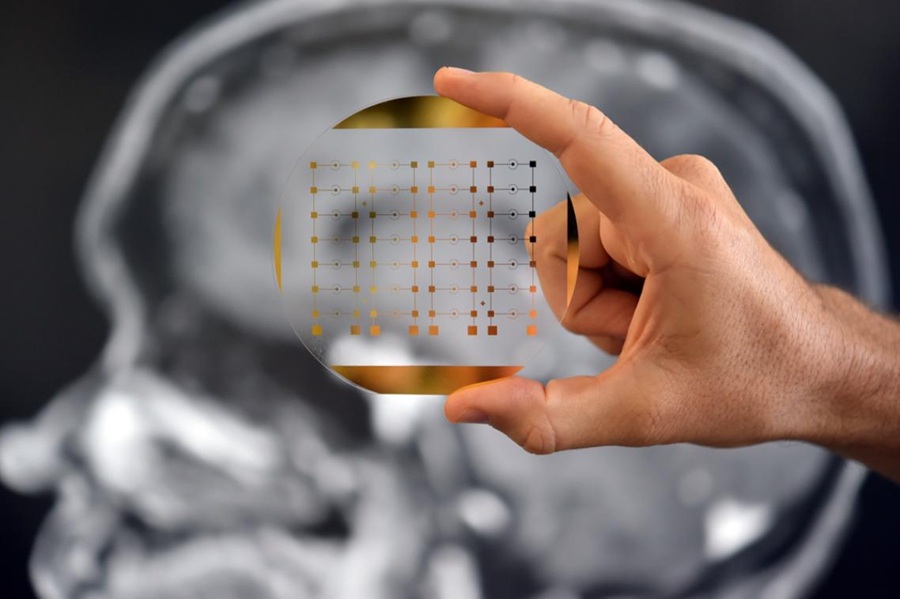
Diagnostic Device Predicts Treatment Response for Brain Tumors Via Blood Test
Glioblastoma is one of the deadliest forms of brain cancer, largely because doctors have no reliable way to determine whether treatments are working in real time. Assessing therapeutic response currently... Read more
Blood Test Detects Early-Stage Cancers by Measuring Epigenetic Instability
Early-stage cancers are notoriously difficult to detect because molecular changes are subtle and often missed by existing screening tools. Many liquid biopsies rely on measuring absolute DNA methylation... Read more
“Lab-On-A-Disc” Device Paves Way for More Automated Liquid Biopsies
Extracellular vesicles (EVs) are tiny particles released by cells into the bloodstream that carry molecular information about a cell’s condition, including whether it is cancerous. However, EVs are highly... Read more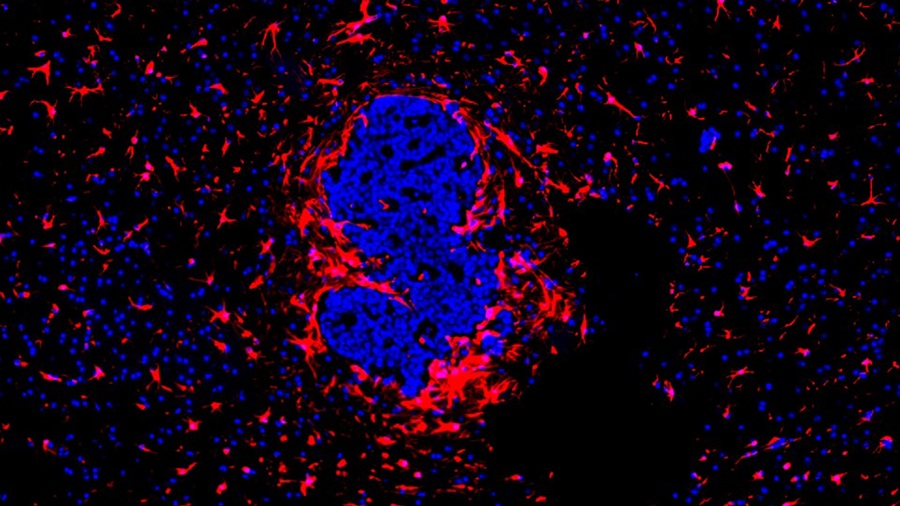
Blood Test Identifies Inflammatory Breast Cancer Patients at Increased Risk of Brain Metastasis
Brain metastasis is a frequent and devastating complication in patients with inflammatory breast cancer, an aggressive subtype with limited treatment options. Despite its high incidence, the biological... Read moreHematology
view channel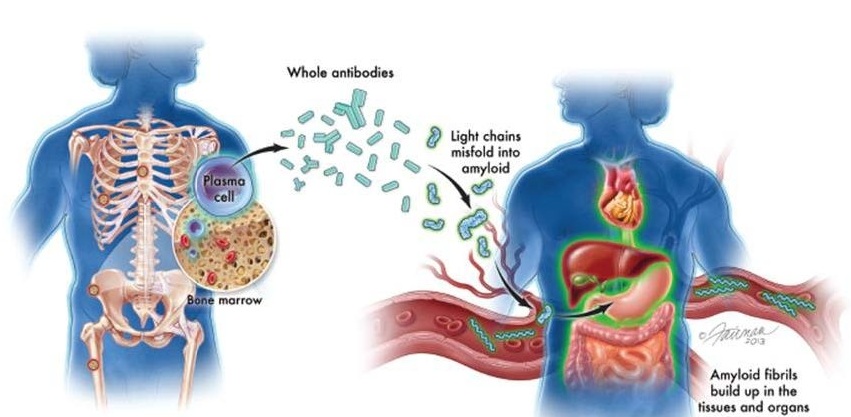
New Guidelines Aim to Improve AL Amyloidosis Diagnosis
Light chain (AL) amyloidosis is a rare, life-threatening bone marrow disorder in which abnormal amyloid proteins accumulate in organs. Approximately 3,260 people in the United States are diagnosed... Read more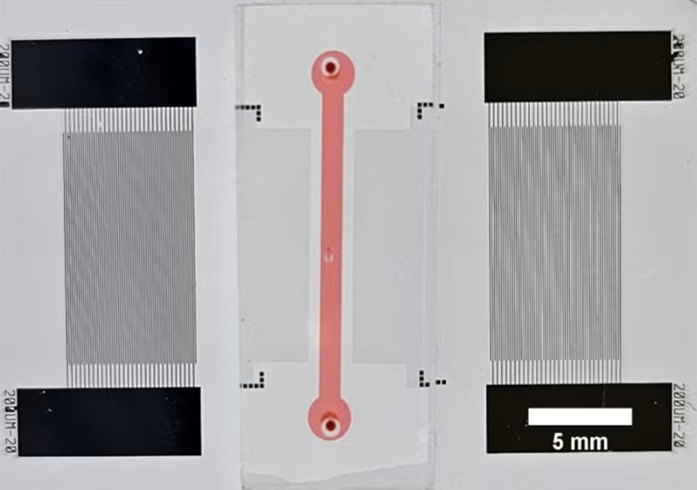
Fast and Easy Test Could Revolutionize Blood Transfusions
Blood transfusions are a cornerstone of modern medicine, yet red blood cells can deteriorate quietly while sitting in cold storage for weeks. Although blood units have a fixed expiration date, cells from... Read more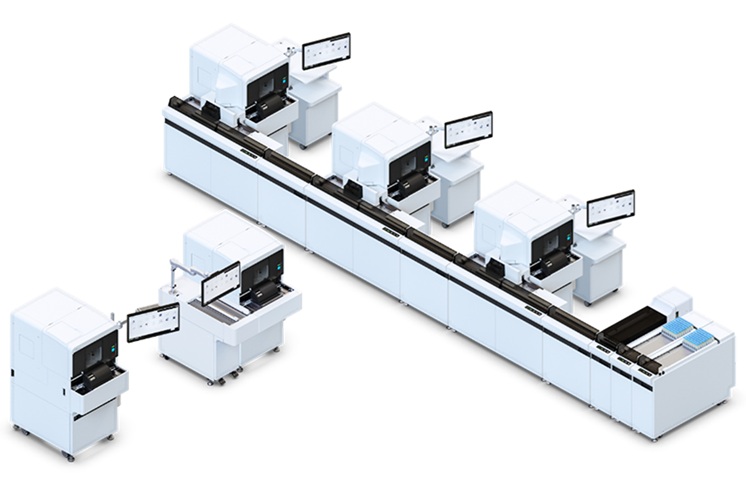
Automated Hemostasis System Helps Labs of All Sizes Optimize Workflow
High-volume hemostasis sections must sustain rapid turnaround while managing reruns and reflex testing. Manual tube handling and preanalytical checks can strain staff time and increase opportunities for error.... Read more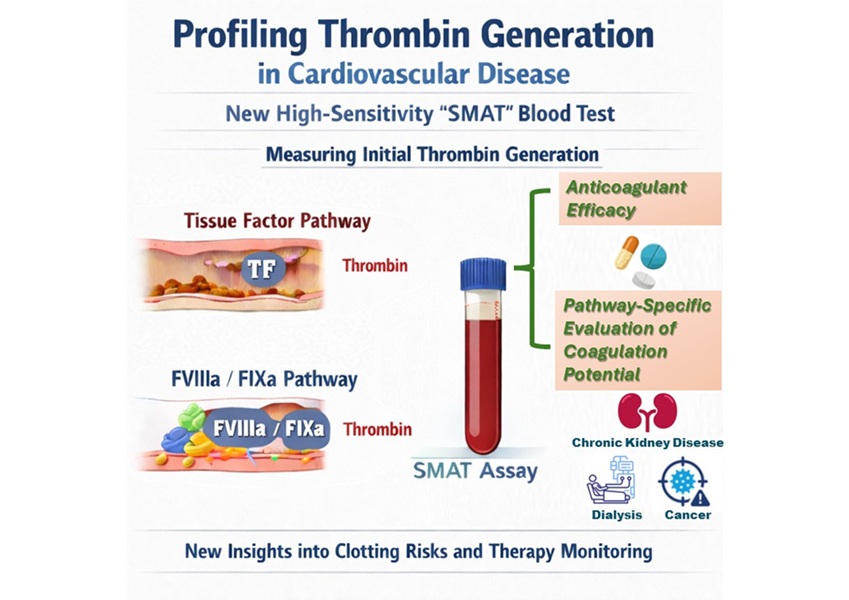
High-Sensitivity Blood Test Improves Assessment of Clotting Risk in Heart Disease Patients
Blood clotting is essential for preventing bleeding, but even small imbalances can lead to serious conditions such as thrombosis or dangerous hemorrhage. In cardiovascular disease, clinicians often struggle... Read moreImmunology
view channel
Blood Test Identifies Lung Cancer Patients Who Can Benefit from Immunotherapy Drug
Small cell lung cancer (SCLC) is an aggressive disease with limited treatment options, and even newly approved immunotherapies do not benefit all patients. While immunotherapy can extend survival for some,... Read more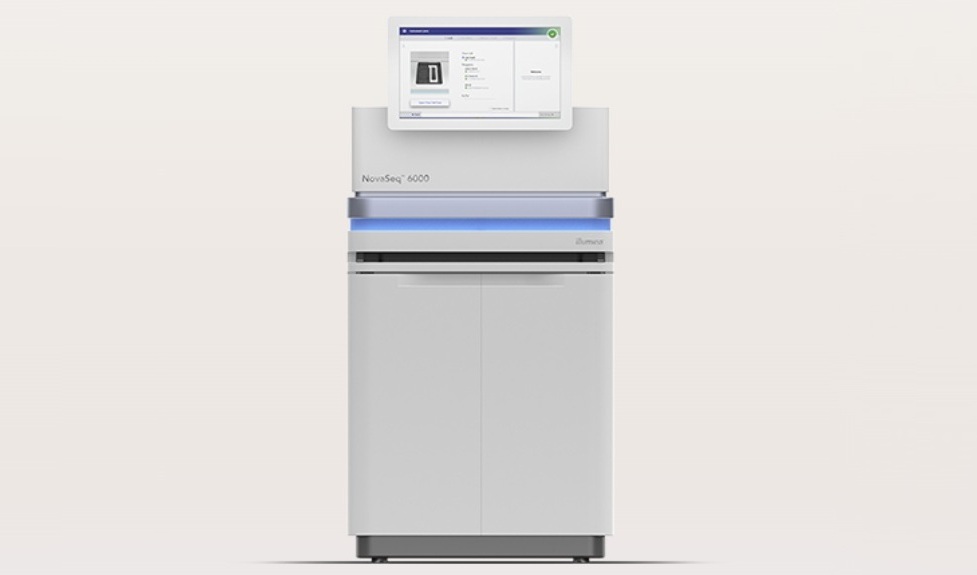
Whole-Genome Sequencing Approach Identifies Cancer Patients Benefitting From PARP-Inhibitor Treatment
Targeted cancer therapies such as PARP inhibitors can be highly effective, but only for patients whose tumors carry specific DNA repair defects. Identifying these patients accurately remains challenging,... Read more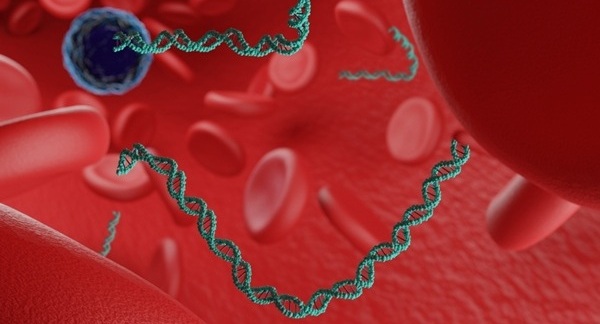
Ultrasensitive Liquid Biopsy Demonstrates Efficacy in Predicting Immunotherapy Response
Immunotherapy has transformed cancer treatment, but only a small proportion of patients experience lasting benefit, with response rates often remaining between 10% and 20%. Clinicians currently lack reliable... Read more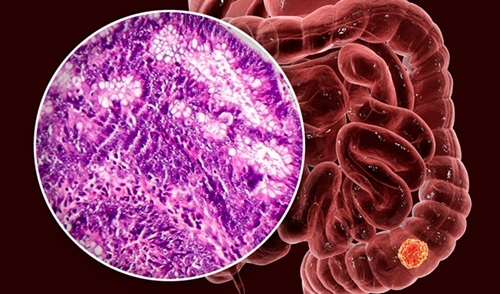
Microbiology
view channel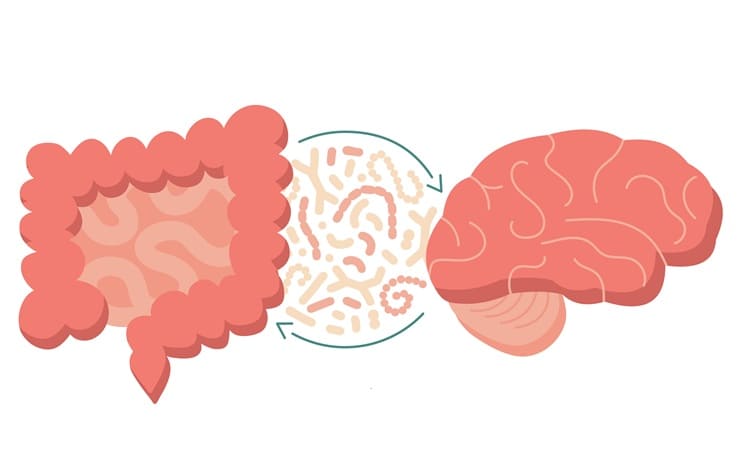
Comprehensive Review Identifies Gut Microbiome Signatures Associated With Alzheimer’s Disease
Alzheimer’s disease affects approximately 6.7 million people in the United States and nearly 50 million worldwide, yet early cognitive decline remains difficult to characterize. Increasing evidence suggests... Read more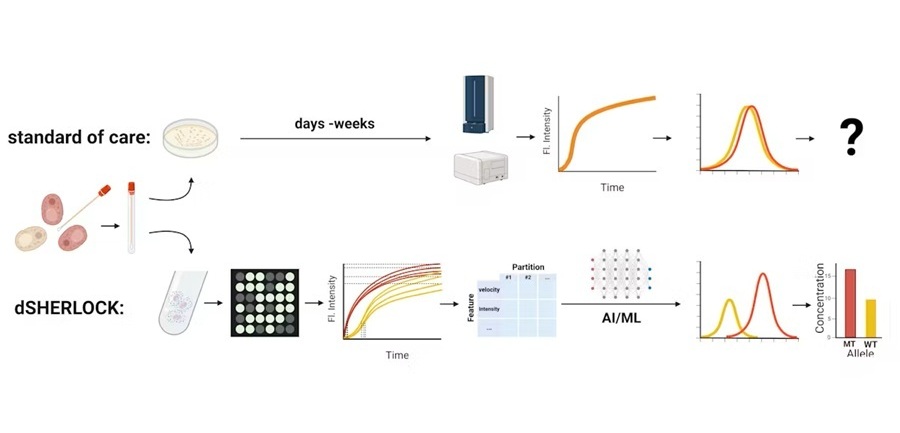
AI-Powered Platform Enables Rapid Detection of Drug-Resistant C. Auris Pathogens
Infections caused by the pathogenic yeast Candida auris pose a significant threat to hospitalized patients, particularly those with weakened immune systems or those who have invasive medical devices.... Read more

Pathology
view channel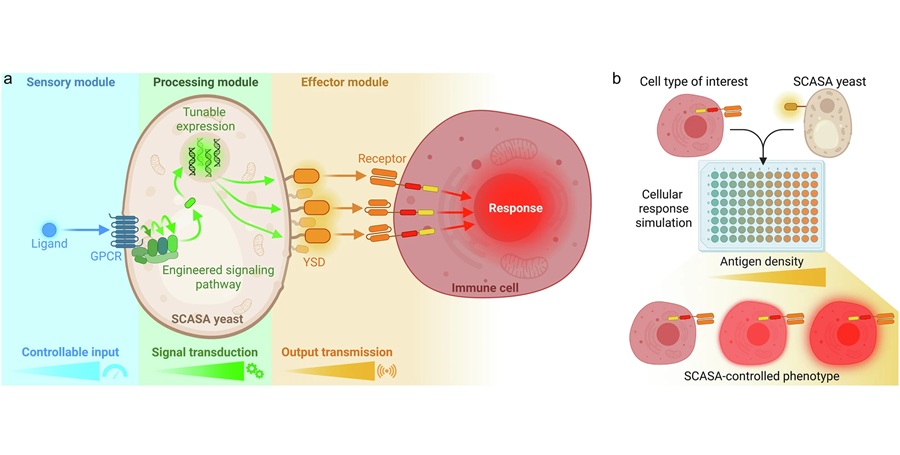
Engineered Yeast Cells Enable Rapid Testing of Cancer Immunotherapy
Developing new cancer immunotherapies is a slow, costly, and high-risk process, particularly for CAR T cell treatments that must precisely recognize cancer-specific antigens. Small differences in tumor... Read more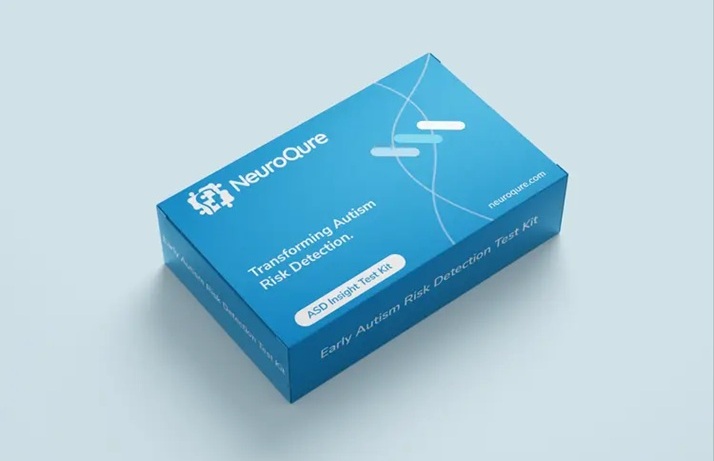
First-Of-Its-Kind Test Identifies Autism Risk at Birth
Autism spectrum disorder is treatable, and extensive research shows that early intervention can significantly improve cognitive, social, and behavioral outcomes. Yet in the United States, the average age... Read more
Technology
view channel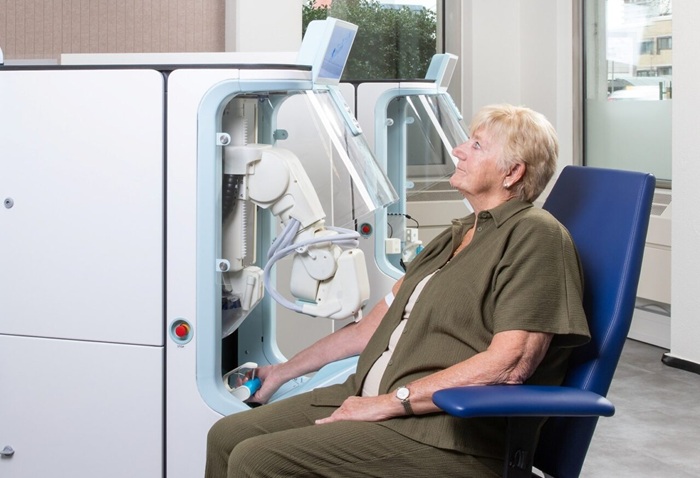
Robotic Technology Unveiled for Automated Diagnostic Blood Draws
Routine diagnostic blood collection is a high‑volume task that can strain staffing and introduce human‑dependent variability, with downstream implications for sample quality and patient experience.... Read more
ADLM Launches First-of-Its-Kind Data Science Program for Laboratory Medicine Professionals
Clinical laboratories generate billions of test results each year, creating a treasure trove of data with the potential to support more personalized testing, improve operational efficiency, and enhance patient care.... Read more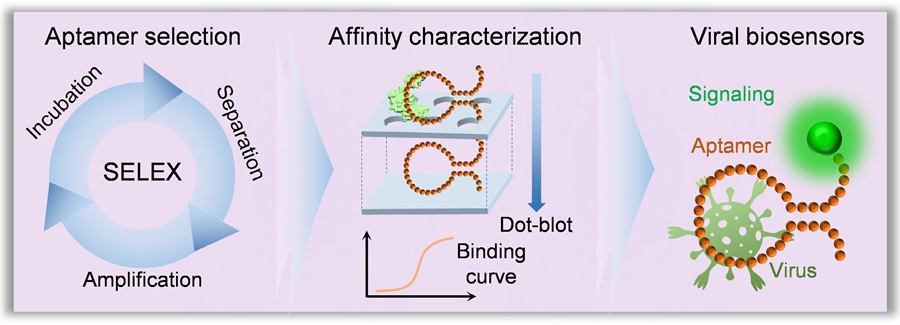
Aptamer Biosensor Technology to Transform Virus Detection
Rapid and reliable virus detection is essential for controlling outbreaks, from seasonal influenza to global pandemics such as COVID-19. Conventional diagnostic methods, including cell culture, antigen... Read more