Microchip Imaging Cytometry Makes Laboratory Testing More Economical, Easy-to-Use and Accessible
|
By LabMedica International staff writers Posted on 25 Aug 2022 |


|
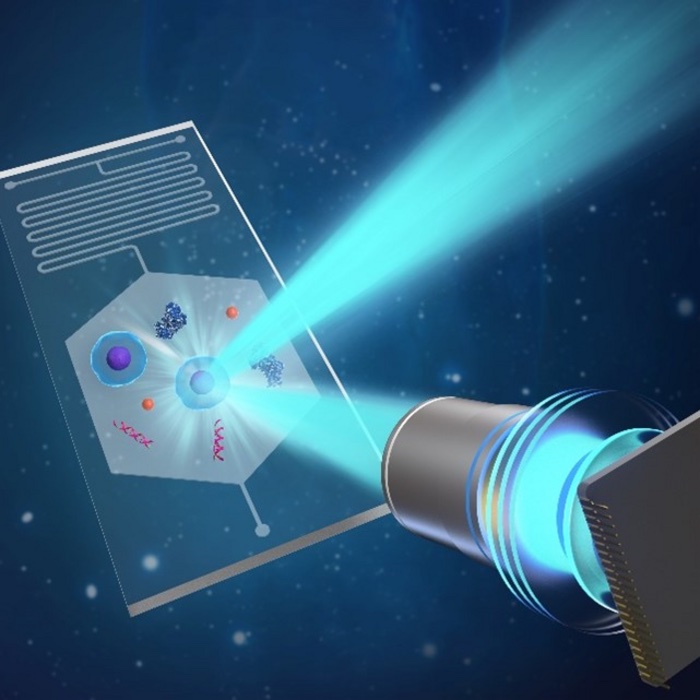
The economic globalization and the aging population of many countries in the world generate an enormous need for rapid and cost-effective point-of-need laboratory tests. Over the past two years, the entire world has been tackling challenges from COVID-19 pandemic. The general population in many countries are routinely taking nucleic acid tests and/or rapid antigen tests for screening purposes. Healthcare workers are in need of more economical, and easy-to-use diagnostic testing tools to support their healthcare practice. Public health agencies also need powerful diagnostic tools to help them make critical policy decisions. In a typical clinic appointment, laboratory tests go through procedures such as lab requisition, sample collection, sample processing, and reporting. The average turn-around-time may vary from several hours to several days. For many disease diagnoses and monitoring requiring instant information and rapid decision-making, the traditional technology and workflow could not effectively meet the clinical needs.
Meanwhile, there is the “rapid test strip” option such as the COVID antigen test strip and the hCG pregnancy test strip that provides instant test results. These rapid test strips become an important diagnostic tool for screening and monitoring, although the application of the test strips is usually restricted to qualitative tests. Additionally, because of their relatively lower analytical sensitivity, these rapid test strips could not detect biomarkers that have a low quantity in the specimen. Therefore, there is a growing need to develop a quantitative, easy-to-use, and accessible diagnostic instrument and reagents. Given the emerging healthcare needs, scientists and engineers continuously come up with creative diagnostic solutions using a variety of technological approaches. Among these technologies, microfluidics becomes a highly valuable approach to potentially address many of the requirements. Microchip imaging cytometry (MIC) based on microfluidic technologies is such an innovative analytical platform that may change the landscape of the clinical lab testing field.
A team of researchers at the University of Toronto (Toronto, ON, Canada) have published a paper in Opto-Electronic Advances (OEA) that addresses scientific and technical advances in the field of MIC and shows the applications of MIC that may bring more economical, easy-to-use, and accessible healthcare to the public. MIC is a platform technology that can rapidly detect and analyze human biochemical substances such as cells, proteins, and nucleic acids. MIC devices have the attributes of portability, cost-effectiveness, and adaptability while providing quantitative measurements to meet the needs of laboratory testing in a variety of healthcare settings. Based on the use of microfluidic chips, MIC requires less sample and may complete sample preparation automatically. Therefore, they can provide quantitative testing results simply using a finger prick specimen. The decreased reagent consumption and reduced form factor also help improve the accessibility and affordability of healthcare services in remote and resource-limited settings.
The article reviews notable clinical applications of MIC technologies, such as HIV-patient monitoring, sickle disease screening, infectious disease diagnosis, etc. Depending on the level of automation and image capturing formats, MIC devices were classified into three approaches: Static-chip-static-fluid (SCSF), Static-chip-moving-fluid (SCMF) and Moving-chip-static-fluid (MCSF). Brightfield imaging, fluorescence imaging, and lens-free imaging techniques have been adopted in MIC systems. Image acquisition techniques such as time delay integration and temporally coded excitation were demonstrated to achieve higher sensitivity in detecting fast-moving objects in low light levels.
Compared with traditional flow cytometers, MIC analyzes objects such as cells and particles through a relatively wide and shallow microfluidic chip channel. As a result of the breakthrough development of semiconductor sensor devices and information technology in recent years, the light source and imaging detection components of MIC can also achieve higher optoelectronic performance. Thanks to the innovation and development of biotechnology, micro-nano manufacturing, semiconductor materials, information technology, and other fields, MIC will find more important clinical test applications in the future, and promote the development of more economical, easy-to-use, and accessible point-of-need tests. Recent advances in photonics, integrated optics, and imaging technologies promise to increase the sensitivity and functionality of MIC systems while decreasing their size and cost. Colors can be differentiated directly on the silicon CMOS image sensors using several techniques. Progress towards higher sensitivity detectors has also been made by integrating single-photon avalanche diodes in standard CMOS with microfluidic systems.
The development of MIC devices should focus on the following aspects: 1) the device should be portable to fit the diagnostic purpose in varying healthcare scenarios, 2) the device should be easy to use and provide sample-to-answer results rapidly (e.g. 15 minutes), 3) the microfluidic assembly should contain pre-loaded reagents and be disposable. Additionally, the analytical performance of MIC devices, such as sensitivity, accuracy, precision, robustness, needs to meet the certain testing requirements. In the process of instrument and reagent design and development, all these aspects need to be considered. Therefore, engineering design and development need to find the sophisticated balance between complexity, performance and cost, to meet the needs in healthcare and to benefit more patients.







Latest Industry News
- AI-Powered Cervical Cancer Test Set for Major Rollout in Latin America
- New Collaboration Brings Automated Mass Spectrometry to Routine Laboratory Testing
- Diasorin and Fisher Scientific Enter into US Distribution Agreement for Molecular POC Platform
- WHX Labs Dubai to Gather Global Experts in Antimicrobial Resistance at Inaugural AMR Leaders’ Summit
- BD and Penn Institute Collaborate to Advance Immunotherapy through Flow Cytometry
- Abbott Acquires Cancer-Screening Company Exact Sciences
- Roche and Freenome Collaborate to Develop Cancer Screening Tests
- Co-Diagnostics Forms New Business Unit to Develop AI-Powered Diagnostics
- Qiagen Acquires Single-Cell Omics Firm Parse Biosciences
- Puritan Medical Products Showcasing Innovation at AMP2025 in Boston
- Advanced Instruments Merged Under Nova Biomedical Name
- Bio-Rad and Biodesix Partner to Develop Droplet Digital PCR High Complexity Assays
- Hologic to be Acquired by Blackstone and TPG
- Bio-Techne and Oxford Nanopore to Accelerate Development of Genetics Portfolio
- Terumo BCT and Hemex Health Collaborate to Improve Access to Testing for Hemoglobin Disorders
- Revvity and Sanofi Collaborate on Program to Revolutionize Early Detection of Type 1 Diabetes
Channels
Clinical Chemistry
view channel
New PSA-Based Prognostic Model Improves Prostate Cancer Risk Assessment
Prostate cancer is the second-leading cause of cancer death among American men, and about one in eight will be diagnosed in their lifetime. Screening relies on blood levels of prostate-specific antigen... Read more
Extracellular Vesicles Linked to Heart Failure Risk in CKD Patients
Chronic kidney disease (CKD) affects more than 1 in 7 Americans and is strongly associated with cardiovascular complications, which account for more than half of deaths among people with CKD.... Read more

Molecular Diagnostics
view channel
Diagnostic Device Predicts Treatment Response for Brain Tumors Via Blood Test
Glioblastoma is one of the deadliest forms of brain cancer, largely because doctors have no reliable way to determine whether treatments are working in real time. Assessing therapeutic response currently... Read more
Blood Test Detects Early-Stage Cancers by Measuring Epigenetic Instability
Early-stage cancers are notoriously difficult to detect because molecular changes are subtle and often missed by existing screening tools. Many liquid biopsies rely on measuring absolute DNA methylation... Read more
“Lab-On-A-Disc” Device Paves Way for More Automated Liquid Biopsies
Extracellular vesicles (EVs) are tiny particles released by cells into the bloodstream that carry molecular information about a cell’s condition, including whether it is cancerous. However, EVs are highly... Read more
Blood Test Identifies Inflammatory Breast Cancer Patients at Increased Risk of Brain Metastasis
Brain metastasis is a frequent and devastating complication in patients with inflammatory breast cancer, an aggressive subtype with limited treatment options. Despite its high incidence, the biological... Read moreHematology
view channel
New Guidelines Aim to Improve AL Amyloidosis Diagnosis
Light chain (AL) amyloidosis is a rare, life-threatening bone marrow disorder in which abnormal amyloid proteins accumulate in organs. Approximately 3,260 people in the United States are diagnosed... Read more
Fast and Easy Test Could Revolutionize Blood Transfusions
Blood transfusions are a cornerstone of modern medicine, yet red blood cells can deteriorate quietly while sitting in cold storage for weeks. Although blood units have a fixed expiration date, cells from... Read more
Automated Hemostasis System Helps Labs of All Sizes Optimize Workflow
High-volume hemostasis sections must sustain rapid turnaround while managing reruns and reflex testing. Manual tube handling and preanalytical checks can strain staff time and increase opportunities for error.... Read more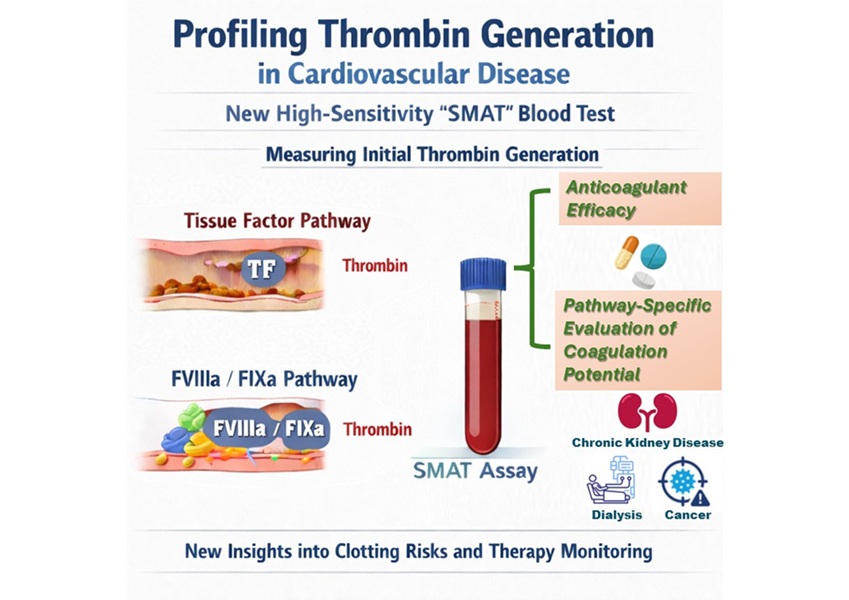
High-Sensitivity Blood Test Improves Assessment of Clotting Risk in Heart Disease Patients
Blood clotting is essential for preventing bleeding, but even small imbalances can lead to serious conditions such as thrombosis or dangerous hemorrhage. In cardiovascular disease, clinicians often struggle... Read moreImmunology
view channel
Blood Test Identifies Lung Cancer Patients Who Can Benefit from Immunotherapy Drug
Small cell lung cancer (SCLC) is an aggressive disease with limited treatment options, and even newly approved immunotherapies do not benefit all patients. While immunotherapy can extend survival for some,... Read more
Whole-Genome Sequencing Approach Identifies Cancer Patients Benefitting From PARP-Inhibitor Treatment
Targeted cancer therapies such as PARP inhibitors can be highly effective, but only for patients whose tumors carry specific DNA repair defects. Identifying these patients accurately remains challenging,... Read more
Ultrasensitive Liquid Biopsy Demonstrates Efficacy in Predicting Immunotherapy Response
Immunotherapy has transformed cancer treatment, but only a small proportion of patients experience lasting benefit, with response rates often remaining between 10% and 20%. Clinicians currently lack reliable... Read more
Microbiology
view channel
Comprehensive Review Identifies Gut Microbiome Signatures Associated With Alzheimer’s Disease
Alzheimer’s disease affects approximately 6.7 million people in the United States and nearly 50 million worldwide, yet early cognitive decline remains difficult to characterize. Increasing evidence suggests... Read more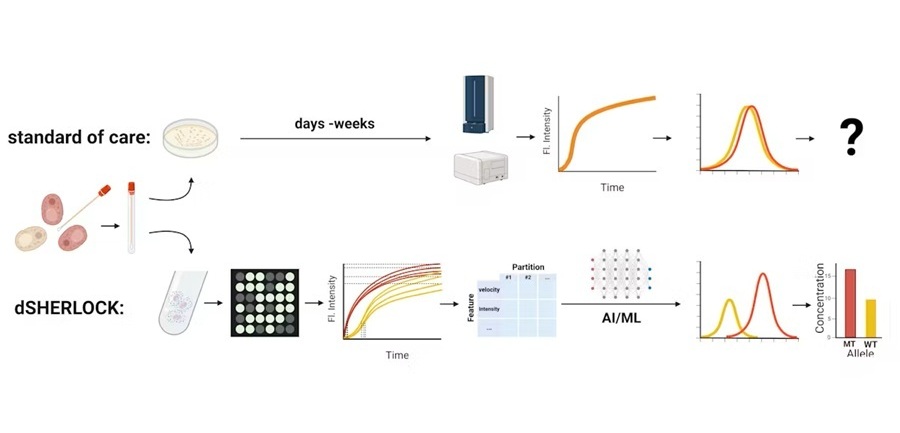
AI-Powered Platform Enables Rapid Detection of Drug-Resistant C. Auris Pathogens
Infections caused by the pathogenic yeast Candida auris pose a significant threat to hospitalized patients, particularly those with weakened immune systems or those who have invasive medical devices.... Read more

Pathology
view channel
Engineered Yeast Cells Enable Rapid Testing of Cancer Immunotherapy
Developing new cancer immunotherapies is a slow, costly, and high-risk process, particularly for CAR T cell treatments that must precisely recognize cancer-specific antigens. Small differences in tumor... Read more
First-Of-Its-Kind Test Identifies Autism Risk at Birth
Autism spectrum disorder is treatable, and extensive research shows that early intervention can significantly improve cognitive, social, and behavioral outcomes. Yet in the United States, the average age... Read more

Industry
view channel
New Collaboration Brings Automated Mass Spectrometry to Routine Laboratory Testing
Mass spectrometry is a powerful analytical technique that identifies and quantifies molecules based on their mass and electrical charge. Its high selectivity, sensitivity, and accuracy make it indispensable... Read more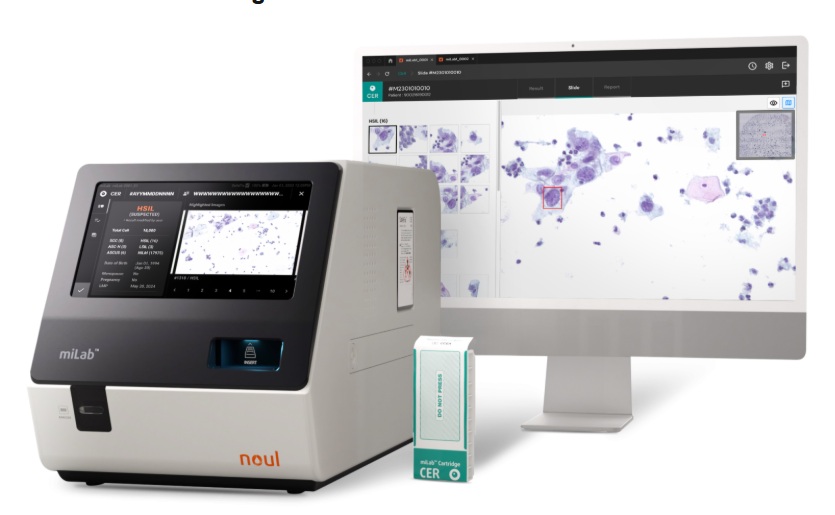
AI-Powered Cervical Cancer Test Set for Major Rollout in Latin America
Noul Co., a Korean company specializing in AI-based blood and cancer diagnostics, announced it will supply its intelligence (AI)-based miLab CER cervical cancer diagnostic solution to Mexico under a multi‑year... Read more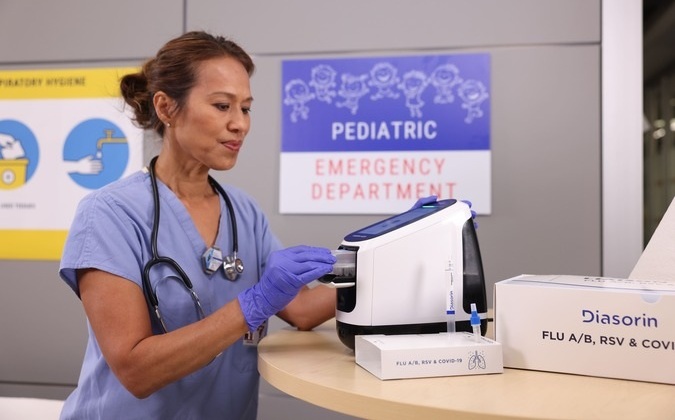
Diasorin and Fisher Scientific Enter into US Distribution Agreement for Molecular POC Platform
Diasorin (Saluggia, Italy) has entered into an exclusive distribution agreement with Fisher Scientific, part of Thermo Fisher Scientific (Waltham, MA, USA), for the LIAISON NES molecular point-of-care... Read more