Labs' Innovation and Leadership Will Light Up Chicago
|
By Karen Blum (AACC) Posted on 12 Jul 2022 |


|

Image: Labs` Innovation and Leadership Will Light Up Chicago (Photo courtesy of aacc.org)
When the 2022 AACC Annual Scientific Meeting & Clinical Lab Expo kicks off this summer, it will mark the culmination of nearly 2 years of work by members of the Annual Meeting Organizing Committee (AMOC), who have been busy planning since October 2020.
“It's a long, intense process,” said Linnea Baudhuin, PhD, AMOC chair and professor of laboratory medicine and pathology at Mayo Clinic. “We get hundreds of session proposals and abstracts, and we go through each one carefully to ensure we’re providing well-rounded, high-quality content.”
Here, Baudhuin provides a preview of the 5-day meeting, to be held July 24-28 in Chicago.
Q: WHAT ARE YOU MOST LOOKING FORWARD TO AT THIS YEAR'S MEETING?
A: The meeting is always an inspiring, engaging event. It’s a great forum for attendees to learn from global leaders in laboratory medicine and network with colleagues. We’ll have over 250 educational opportunities in formats from lectures to interactive sessions, and roundtables to plenaries. We have an incredibly diverse group of speakers from around the world, covering all aspects of laboratory medicine and cutting-edge science.
The expo will showcase the latest technologies, including over 200 new products. We’ll have the popular Disruptive Technology competition, the Student Research and Oral Abstract awards, and the always hilarious Laboratory Feud. The meeting has so much to offer to everyone.
I'm also excited about the location. Chicago is such a fun city to visit, with great museums, a beautiful lakefront and riverfront, and amazing architecture. There’s always so much to do, especially in the summer.
HOW HAVE CHANGES IN LABORATORY MEDICINE AFFECTED THE MEETING CONTENT?
During COVID-19, laboratory medicine was a beacon of light that revealed to the world how critical our field is to healthcare. Now is the time to continue that wave of success and continue to shine through innovation and leadership.
We also need to be aware that spotlights placed on our field have led to increased interest in some legislature initiatives, including the VALID Act, which would expand the Food and Drug Administration’s power to regulate laboratory-developed tests (LDTs). It’s critically important that we understand the implications of these initiatives on our field. The “Valid Vital LDTs” expert session on Monday, July 25, is a great way to learn more about these important issues.
It's also become apparent that laboratory medicine professionals are passionate about providing optimal health care for diverse populations. We are excited this year to offer six pathways of sessions, including one on transforming population health and equity, as well as mobilizing data analytics, accelerating molecular diagnostics, and elevating point-of-care testing.
WHAT ABOUT CURRENT MEDICINE AND SCIENCE MAKES IT CRITICAL FOR US TO COLLABORATE IN THIS MANNER?
We’re living in an era of data and information. The vast amounts of data we can generate today present opportunities to make new discoveries and advance healthcare through data sharing. Connecting at the meeting can open opportunities to share data and form collaborations to make new discoveries. In that vein, several of our sessions are geared toward optimizing discoveries through data analytics and informatics.
We are also living in an era of connectivity through social media platforms. Social media can be a great tool to enhance your professional presence, connect, and discover new things about the field. I'm looking forward to our “Social Media in Laboratory Medicine” session.
With all the information thrown at us today, the meeting provides a terrific opportunity to take time to focus on our field. By enhancing our knowledge and creating connections, we can continue to elevate laboratory medicine and its importance in patient care.
WAS CAN ATTENDEES EXPECT TO TAKE AWAY FROM THIS MEETING?
I thank the 2022 AMOC for their incredible vision and hard work. We have a gamut of clinical and scientific sessions covering areas like cardiology, endocrinology, immunology, infectious disease, oncology, personalized medicine, and others. The meeting is an excellent opportunity to learn about the latest in mass spectrometry, machine learning and data analytics, translational medicine, and lab management. I encourage everyone to take advantage of all that the meeting has to offer. If you see me walking around the convention center, please say hello, and let me know what you are enjoying most about the meeting.




“It's a long, intense process,” said Linnea Baudhuin, PhD, AMOC chair and professor of laboratory medicine and pathology at Mayo Clinic. “We get hundreds of session proposals and abstracts, and we go through each one carefully to ensure we’re providing well-rounded, high-quality content.”
Here, Baudhuin provides a preview of the 5-day meeting, to be held July 24-28 in Chicago.
Q: WHAT ARE YOU MOST LOOKING FORWARD TO AT THIS YEAR'S MEETING?
A: The meeting is always an inspiring, engaging event. It’s a great forum for attendees to learn from global leaders in laboratory medicine and network with colleagues. We’ll have over 250 educational opportunities in formats from lectures to interactive sessions, and roundtables to plenaries. We have an incredibly diverse group of speakers from around the world, covering all aspects of laboratory medicine and cutting-edge science.
The expo will showcase the latest technologies, including over 200 new products. We’ll have the popular Disruptive Technology competition, the Student Research and Oral Abstract awards, and the always hilarious Laboratory Feud. The meeting has so much to offer to everyone.
I'm also excited about the location. Chicago is such a fun city to visit, with great museums, a beautiful lakefront and riverfront, and amazing architecture. There’s always so much to do, especially in the summer.
HOW HAVE CHANGES IN LABORATORY MEDICINE AFFECTED THE MEETING CONTENT?
During COVID-19, laboratory medicine was a beacon of light that revealed to the world how critical our field is to healthcare. Now is the time to continue that wave of success and continue to shine through innovation and leadership.
We also need to be aware that spotlights placed on our field have led to increased interest in some legislature initiatives, including the VALID Act, which would expand the Food and Drug Administration’s power to regulate laboratory-developed tests (LDTs). It’s critically important that we understand the implications of these initiatives on our field. The “Valid Vital LDTs” expert session on Monday, July 25, is a great way to learn more about these important issues.
It's also become apparent that laboratory medicine professionals are passionate about providing optimal health care for diverse populations. We are excited this year to offer six pathways of sessions, including one on transforming population health and equity, as well as mobilizing data analytics, accelerating molecular diagnostics, and elevating point-of-care testing.
WHAT ABOUT CURRENT MEDICINE AND SCIENCE MAKES IT CRITICAL FOR US TO COLLABORATE IN THIS MANNER?
We’re living in an era of data and information. The vast amounts of data we can generate today present opportunities to make new discoveries and advance healthcare through data sharing. Connecting at the meeting can open opportunities to share data and form collaborations to make new discoveries. In that vein, several of our sessions are geared toward optimizing discoveries through data analytics and informatics.
We are also living in an era of connectivity through social media platforms. Social media can be a great tool to enhance your professional presence, connect, and discover new things about the field. I'm looking forward to our “Social Media in Laboratory Medicine” session.
With all the information thrown at us today, the meeting provides a terrific opportunity to take time to focus on our field. By enhancing our knowledge and creating connections, we can continue to elevate laboratory medicine and its importance in patient care.
WAS CAN ATTENDEES EXPECT TO TAKE AWAY FROM THIS MEETING?
I thank the 2022 AMOC for their incredible vision and hard work. We have a gamut of clinical and scientific sessions covering areas like cardiology, endocrinology, immunology, infectious disease, oncology, personalized medicine, and others. The meeting is an excellent opportunity to learn about the latest in mass spectrometry, machine learning and data analytics, translational medicine, and lab management. I encourage everyone to take advantage of all that the meeting has to offer. If you see me walking around the convention center, please say hello, and let me know what you are enjoying most about the meeting.

Gold Member
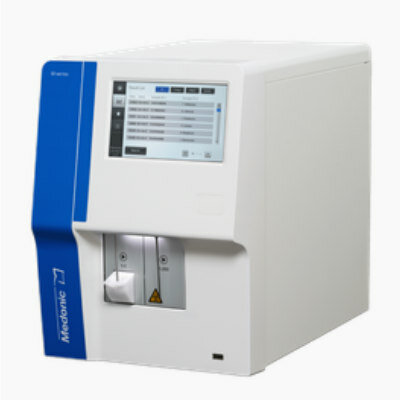
Hematology Analyzer
Medonic M32B
Autoimmune Liver Diseases Assay
Microblot-Array Liver Profile Kit
Gram-Negative Blood Culture Assay
LIAISON PLEX Gram-Negative Blood Culture Assay
Latest AACC 2022 News
- AACC 2022 Review: International Meetings Rebound After Suffering Long COVID Hiatus
- Faster Method Diagnoses Pediatric Urinary Tract Infections
- Tianlong Showcases Integrated PCR Lab Solutions at AACC 2022
- Cellavision Introduces New Workflow Solution for Low-Volume Hematology Labs at AACC 2022
- Advanced Instruments Introduces New Automated Osmometer at AACC 2022
- Innovative Smartphone and AI-Based Tests Featured at AACC 2022
- New Tests Presented at AACC 2022 to Solve Challenges in Children's Healthcare
- 10-Minute Sepsis Risk Stratification Test Introduced at AACC 2022
- New System Combining DNA/RNA Extraction and Smart PCR Setup Launched at AACC 2022
- Novel Small Volume Blood Collection Device Launched at AACC 2022
- AACC Disruptive Technology Award Finalists Tackle Cancer, Women's Health, and STDs
- Meridian Demonstrates State-of-the-Art Urea Breath Test System at AACC 2022
- Nikon Instruments Displays Latest Clinical Pathology Products at AACC 2022
- Seegene Showcases Latest Molecular Testing Solutions at AACC 2022
- Werfen Introduces New Acute Care Diagnostic Products for CVOR at AACC 2022
- PerkinElmer Demonstrates Vanadis NIPT Screening Platform Featuring Groundbreaking cfDNA Technology
Channels
Clinical Chemistry
view channel
New PSA-Based Prognostic Model Improves Prostate Cancer Risk Assessment
Prostate cancer is the second-leading cause of cancer death among American men, and about one in eight will be diagnosed in their lifetime. Screening relies on blood levels of prostate-specific antigen... Read more
Extracellular Vesicles Linked to Heart Failure Risk in CKD Patients
Chronic kidney disease (CKD) affects more than 1 in 7 Americans and is strongly associated with cardiovascular complications, which account for more than half of deaths among people with CKD.... Read more
Molecular Diagnostics
view channel
Diagnostic Device Predicts Treatment Response for Brain Tumors Via Blood Test
Glioblastoma is one of the deadliest forms of brain cancer, largely because doctors have no reliable way to determine whether treatments are working in real time. Assessing therapeutic response currently... Read more
Blood Test Detects Early-Stage Cancers by Measuring Epigenetic Instability
Early-stage cancers are notoriously difficult to detect because molecular changes are subtle and often missed by existing screening tools. Many liquid biopsies rely on measuring absolute DNA methylation... Read more
“Lab-On-A-Disc” Device Paves Way for More Automated Liquid Biopsies
Extracellular vesicles (EVs) are tiny particles released by cells into the bloodstream that carry molecular information about a cell’s condition, including whether it is cancerous. However, EVs are highly... Read more
Blood Test Identifies Inflammatory Breast Cancer Patients at Increased Risk of Brain Metastasis
Brain metastasis is a frequent and devastating complication in patients with inflammatory breast cancer, an aggressive subtype with limited treatment options. Despite its high incidence, the biological... Read moreHematology
view channel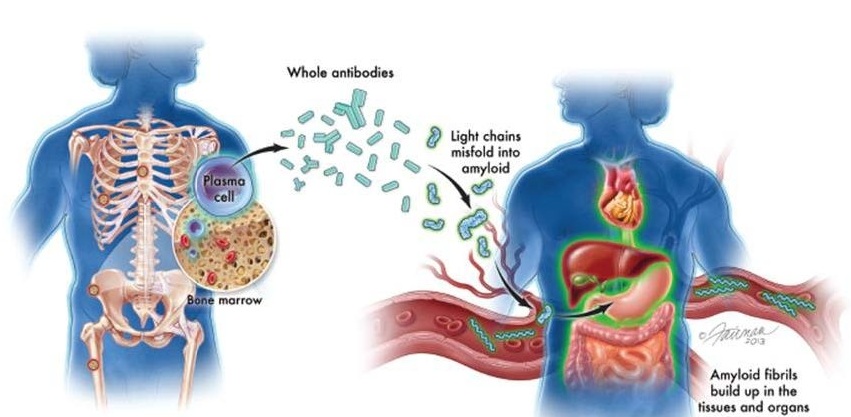
New Guidelines Aim to Improve AL Amyloidosis Diagnosis
Light chain (AL) amyloidosis is a rare, life-threatening bone marrow disorder in which abnormal amyloid proteins accumulate in organs. Approximately 3,260 people in the United States are diagnosed... Read more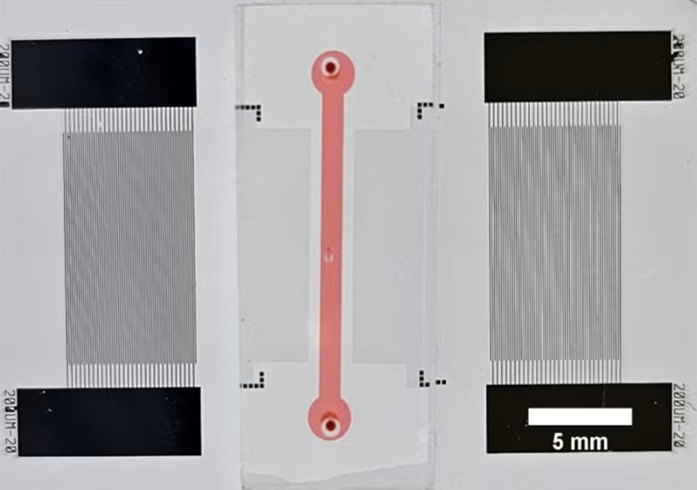
Fast and Easy Test Could Revolutionize Blood Transfusions
Blood transfusions are a cornerstone of modern medicine, yet red blood cells can deteriorate quietly while sitting in cold storage for weeks. Although blood units have a fixed expiration date, cells from... Read more
Automated Hemostasis System Helps Labs of All Sizes Optimize Workflow
High-volume hemostasis sections must sustain rapid turnaround while managing reruns and reflex testing. Manual tube handling and preanalytical checks can strain staff time and increase opportunities for error.... Read more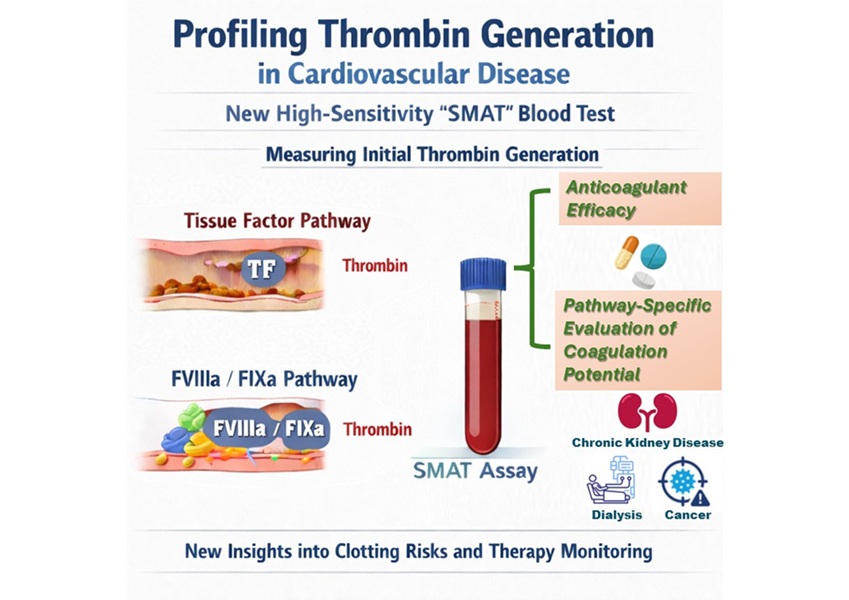
High-Sensitivity Blood Test Improves Assessment of Clotting Risk in Heart Disease Patients
Blood clotting is essential for preventing bleeding, but even small imbalances can lead to serious conditions such as thrombosis or dangerous hemorrhage. In cardiovascular disease, clinicians often struggle... Read moreImmunology
view channel
Blood Test Identifies Lung Cancer Patients Who Can Benefit from Immunotherapy Drug
Small cell lung cancer (SCLC) is an aggressive disease with limited treatment options, and even newly approved immunotherapies do not benefit all patients. While immunotherapy can extend survival for some,... Read more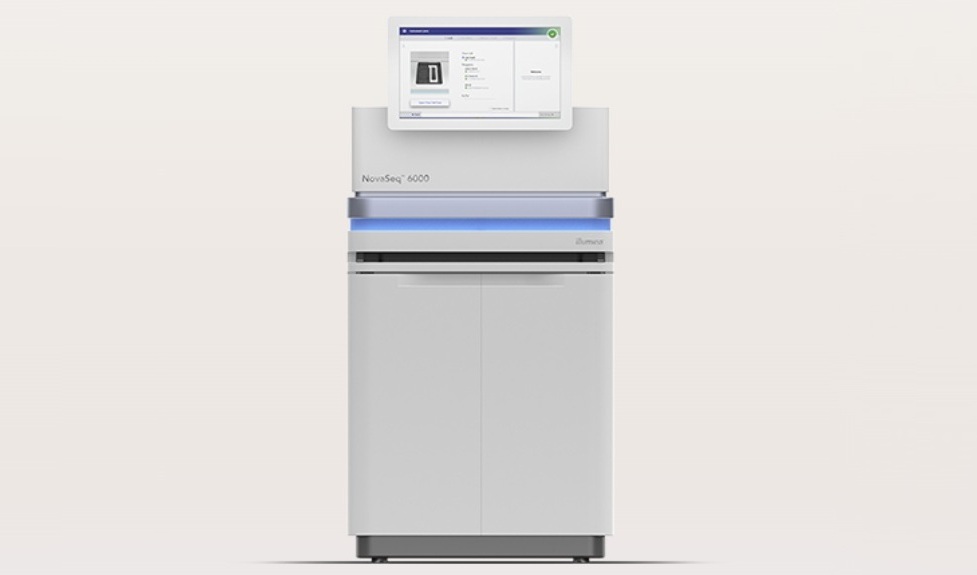
Whole-Genome Sequencing Approach Identifies Cancer Patients Benefitting From PARP-Inhibitor Treatment
Targeted cancer therapies such as PARP inhibitors can be highly effective, but only for patients whose tumors carry specific DNA repair defects. Identifying these patients accurately remains challenging,... Read more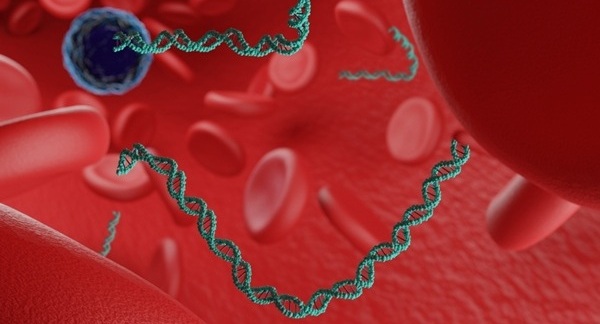
Ultrasensitive Liquid Biopsy Demonstrates Efficacy in Predicting Immunotherapy Response
Immunotherapy has transformed cancer treatment, but only a small proportion of patients experience lasting benefit, with response rates often remaining between 10% and 20%. Clinicians currently lack reliable... Read more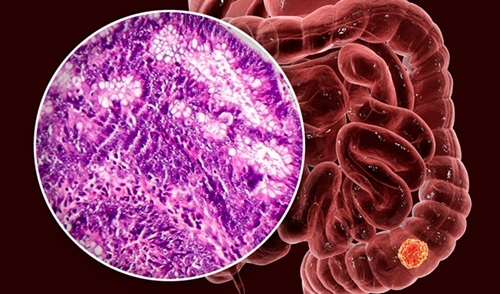
Microbiology
view channel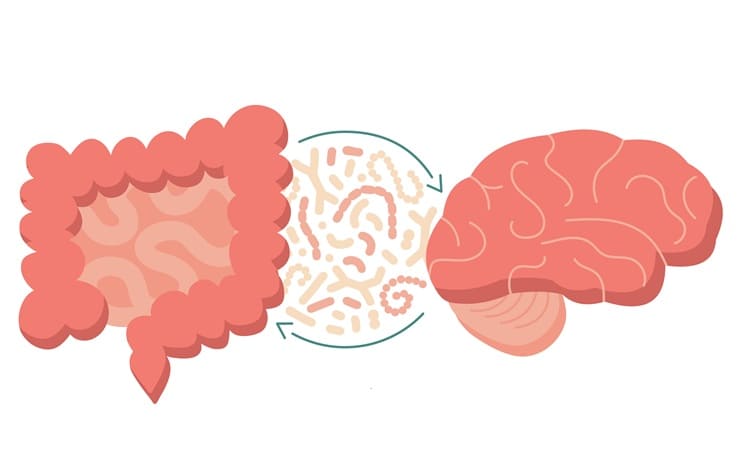
Comprehensive Review Identifies Gut Microbiome Signatures Associated With Alzheimer’s Disease
Alzheimer’s disease affects approximately 6.7 million people in the United States and nearly 50 million worldwide, yet early cognitive decline remains difficult to characterize. Increasing evidence suggests... Read more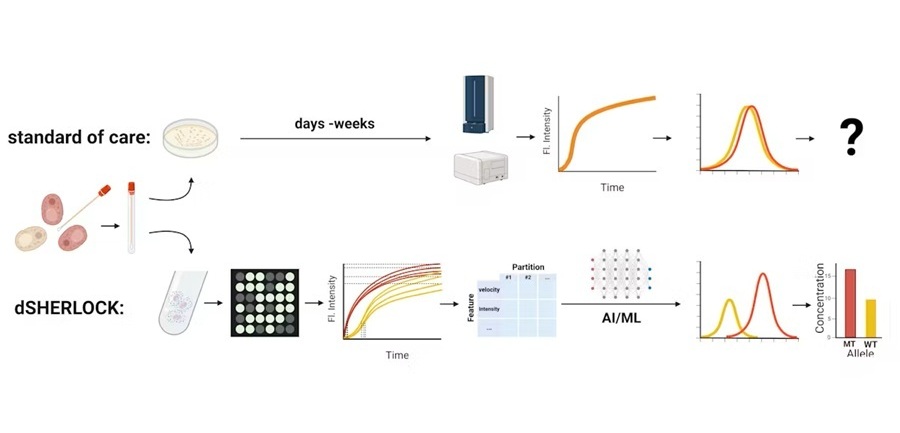
AI-Powered Platform Enables Rapid Detection of Drug-Resistant C. Auris Pathogens
Infections caused by the pathogenic yeast Candida auris pose a significant threat to hospitalized patients, particularly those with weakened immune systems or those who have invasive medical devices.... Read more

Pathology
view channel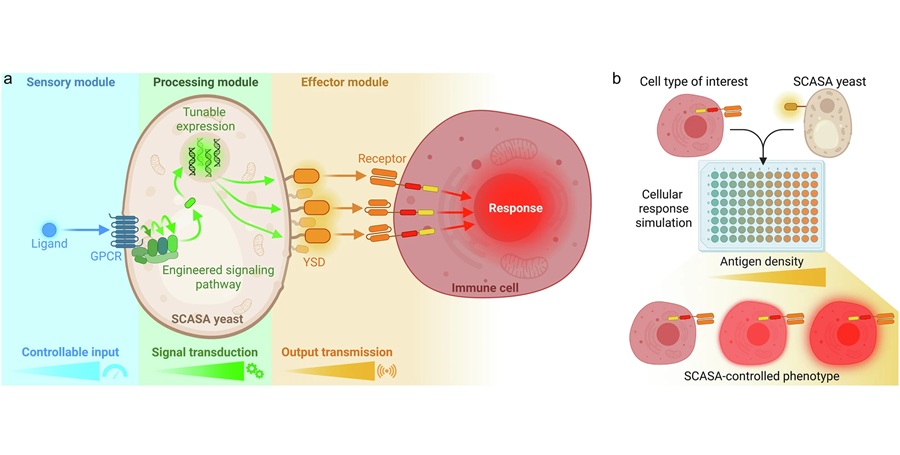
Engineered Yeast Cells Enable Rapid Testing of Cancer Immunotherapy
Developing new cancer immunotherapies is a slow, costly, and high-risk process, particularly for CAR T cell treatments that must precisely recognize cancer-specific antigens. Small differences in tumor... Read more
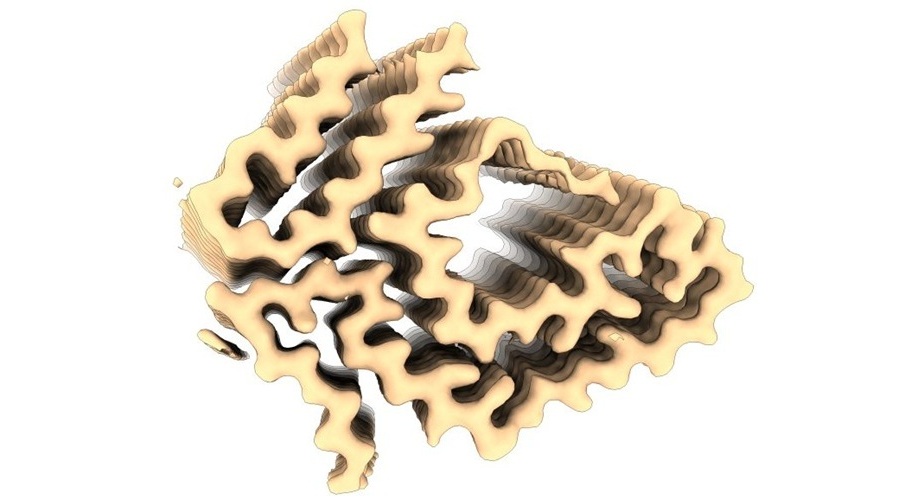
First-Of-Its-Kind Test Identifies Autism Risk at Birth
Autism spectrum disorder is treatable, and extensive research shows that early intervention can significantly improve cognitive, social, and behavioral outcomes. Yet in the United States, the average age... Read more
Technology
view channel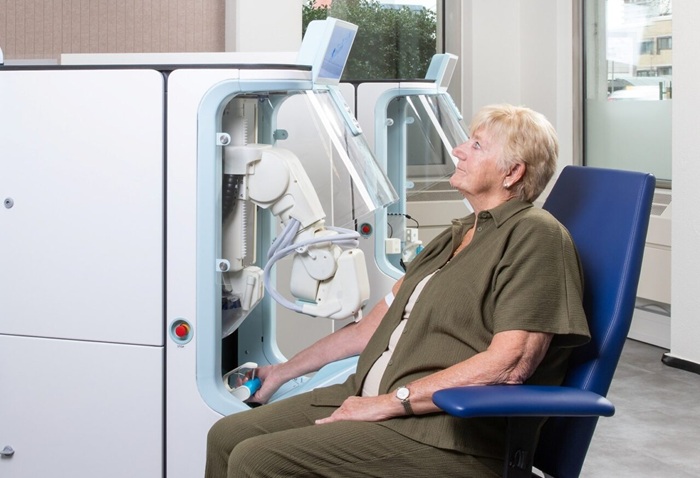
Robotic Technology Unveiled for Automated Diagnostic Blood Draws
Routine diagnostic blood collection is a high‑volume task that can strain staffing and introduce human‑dependent variability, with downstream implications for sample quality and patient experience.... Read more
ADLM Launches First-of-Its-Kind Data Science Program for Laboratory Medicine Professionals
Clinical laboratories generate billions of test results each year, creating a treasure trove of data with the potential to support more personalized testing, improve operational efficiency, and enhance patient care.... Read more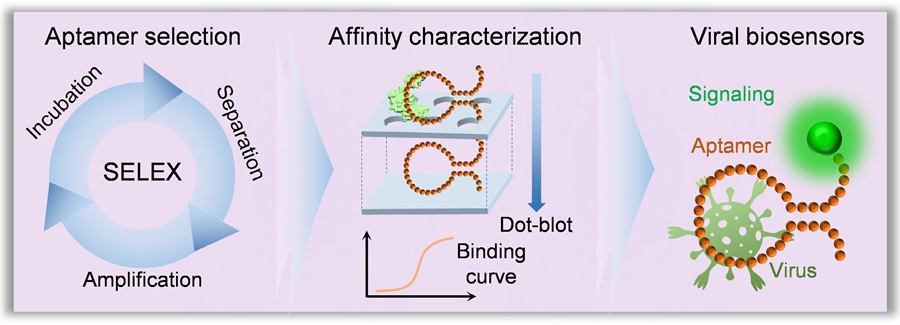
Aptamer Biosensor Technology to Transform Virus Detection
Rapid and reliable virus detection is essential for controlling outbreaks, from seasonal influenza to global pandemics such as COVID-19. Conventional diagnostic methods, including cell culture, antigen... Read more
AI Models Could Predict Pre-Eclampsia and Anemia Earlier Using Routine Blood Tests
Pre-eclampsia and anemia are major contributors to maternal and child mortality worldwide, together accounting for more than half a million deaths each year and leaving millions with long-term health complications.... Read moreIndustry
view channel
New Collaboration Brings Automated Mass Spectrometry to Routine Laboratory Testing
Mass spectrometry is a powerful analytical technique that identifies and quantifies molecules based on their mass and electrical charge. Its high selectivity, sensitivity, and accuracy make it indispensable... Read more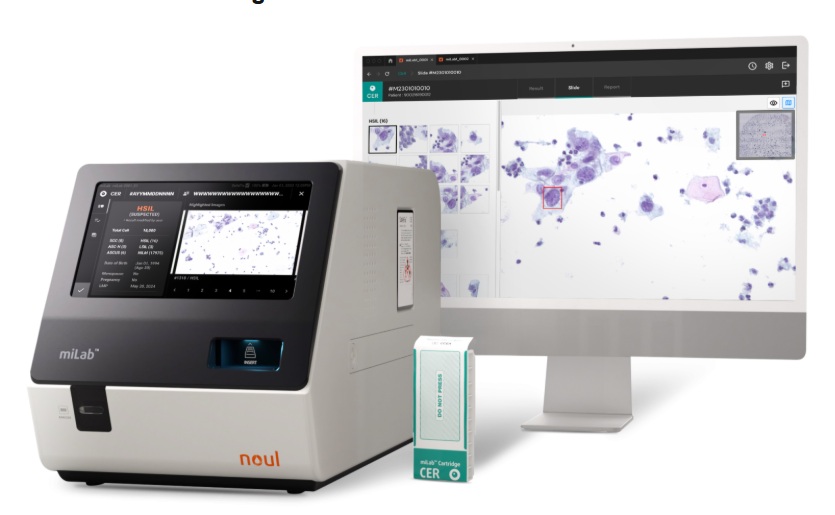
AI-Powered Cervical Cancer Test Set for Major Rollout in Latin America
Noul Co., a Korean company specializing in AI-based blood and cancer diagnostics, announced it will supply its intelligence (AI)-based miLab CER cervical cancer diagnostic solution to Mexico under a multi‑year... Read more
Diasorin and Fisher Scientific Enter into US Distribution Agreement for Molecular POC Platform
Diasorin (Saluggia, Italy) has entered into an exclusive distribution agreement with Fisher Scientific, part of Thermo Fisher Scientific (Waltham, MA, USA), for the LIAISON NES molecular point-of-care... Read more