Siemens Enters Digital Pathology Market with Proscia’s Concentriq Dx Platform
|
By LabMedica International staff writers Posted on 23 Mar 2022 |


|

The demand for digital pathology has surged as systemic challenges long threatening the traditional laboratory model centered around pathologists and microscopes in physical spaces have intensified in the pandemic and post-pandemic era. Mounting pressures created by a shrinking pathologist population, rising biopsy volume, and industry consolidation have been exacerbated by the pandemic-driven shift to remote work. Laboratories are now rapidly seeking to modernize their pathology operations, but legacy software systems lack the necessary enterprise-wide capabilities, preventing labs from achieving true digitization.
In line with this trend, Siemens Healthineers (Erlangen, Germany) and Proscia (Philadelphia, PA, USA) have entered into a multi-year OEM agreement under which Siemens will expand its Enterprise Imaging offering towards the global digital pathology market using Proscia’s Concentriq Dx platform. With Proscia’s Concentriq Dx platform, Siemens is entering the digital pathology market to satiate the rampant demand and expand its Enterprise Imaging offering with industry-leading technology to realize the full value of digital pathology operations. The agreement with Proscia enables Siemens to expand into one of the few remaining areas of healthcare that has just started to experience the full benefits of digitization.
Proscia’s Concentriq is a singular, scalable platform that enables laboratory networks to unify pathology operations and eliminate the geographic silos to realize a truly connected and collaborative global practice. The platform sits at the lab’s center of gravity, connecting a diverse ecosystem of hardware and software into a single solution. Concentriq’s pathologist-centric design was developed by and for pathologists to deliver an interface that feels natural, is highly responsive, supports real-time collaboration for consults and second opinions, and makes digital image viewing as smooth as possible. The platform’s future-proof design is ready now for pathology’s computationally driven future, with an integration layer capable of supporting plug-and-play adoption of AI applications.
Siemens’ Syngo Carbon Enterprise Imaging Solution offers a wide range of possibilities with image interpretation, reporting, AI implementation, data management, archiving and migration, including unique access to innovation platforms through seamless integration. Proscia’s Concentriq Dx in combination with Syngo Carbon offers a best-of-breed solution for digitizing pathology operations at scale alongside diagnostic radiology imaging for healthcare enterprises. By entering the rapidly growing digital pathology market with Concentriq, Siemens is expanding its position as one of the industry leaders in healthcare with solutions covering the entire clinical pathway, providing a full spectrum of enterprise services across digital, data, and AI.
“Healthcare’s rapid digital transformation has emphasized the value of data in reshaping the way clinicians and researchers understand, diagnose, and fight disease,” said Christian Zapf, Head of Imaging Software & IT at Siemens Healthineers. “The traditional practice of pathology is on the verge of the biggest transformation the field has seen since the introduction of light microscopy, and we’re excited to accelerate pathology’s digital transformation and pioneer breakthroughs with a strong partner complementing our core strength in enterprise reading and reporting resulting in higher efficiency and improved patient outcomes.”
“Our partnership with Siemens Healthineers represents a seminal moment for Proscia and a monumental leap for digital pathology on a global scale,” said David West, CEO of Proscia. “We’re honored to work together with the worldwide leader in medical imaging to accelerate pathology’s digital transformation, improve the quality of care with more precise and personalized diagnoses, and ensure improved patient outcomes.”
Related Links:
Siemens Healthineers
Proscia







Latest Industry News
- AI-Powered Cervical Cancer Test Set for Major Rollout in Latin America
- New Collaboration Brings Automated Mass Spectrometry to Routine Laboratory Testing
- Diasorin and Fisher Scientific Enter into US Distribution Agreement for Molecular POC Platform
- WHX Labs Dubai to Gather Global Experts in Antimicrobial Resistance at Inaugural AMR Leaders’ Summit
- BD and Penn Institute Collaborate to Advance Immunotherapy through Flow Cytometry
- Abbott Acquires Cancer-Screening Company Exact Sciences
- Roche and Freenome Collaborate to Develop Cancer Screening Tests
- Co-Diagnostics Forms New Business Unit to Develop AI-Powered Diagnostics
- Qiagen Acquires Single-Cell Omics Firm Parse Biosciences
- Puritan Medical Products Showcasing Innovation at AMP2025 in Boston
- Advanced Instruments Merged Under Nova Biomedical Name
- Bio-Rad and Biodesix Partner to Develop Droplet Digital PCR High Complexity Assays
- Hologic to be Acquired by Blackstone and TPG
- Bio-Techne and Oxford Nanopore to Accelerate Development of Genetics Portfolio
- Terumo BCT and Hemex Health Collaborate to Improve Access to Testing for Hemoglobin Disorders
- Revvity and Sanofi Collaborate on Program to Revolutionize Early Detection of Type 1 Diabetes
Channels
Clinical Chemistry
view channel
New PSA-Based Prognostic Model Improves Prostate Cancer Risk Assessment
Prostate cancer is the second-leading cause of cancer death among American men, and about one in eight will be diagnosed in their lifetime. Screening relies on blood levels of prostate-specific antigen... Read more
Extracellular Vesicles Linked to Heart Failure Risk in CKD Patients
Chronic kidney disease (CKD) affects more than 1 in 7 Americans and is strongly associated with cardiovascular complications, which account for more than half of deaths among people with CKD.... Read more

Molecular Diagnostics
view channel
Diagnostic Device Predicts Treatment Response for Brain Tumors Via Blood Test
Glioblastoma is one of the deadliest forms of brain cancer, largely because doctors have no reliable way to determine whether treatments are working in real time. Assessing therapeutic response currently... Read more
Blood Test Detects Early-Stage Cancers by Measuring Epigenetic Instability
Early-stage cancers are notoriously difficult to detect because molecular changes are subtle and often missed by existing screening tools. Many liquid biopsies rely on measuring absolute DNA methylation... Read more
“Lab-On-A-Disc” Device Paves Way for More Automated Liquid Biopsies
Extracellular vesicles (EVs) are tiny particles released by cells into the bloodstream that carry molecular information about a cell’s condition, including whether it is cancerous. However, EVs are highly... Read more
Blood Test Identifies Inflammatory Breast Cancer Patients at Increased Risk of Brain Metastasis
Brain metastasis is a frequent and devastating complication in patients with inflammatory breast cancer, an aggressive subtype with limited treatment options. Despite its high incidence, the biological... Read moreHematology
view channel
New Guidelines Aim to Improve AL Amyloidosis Diagnosis
Light chain (AL) amyloidosis is a rare, life-threatening bone marrow disorder in which abnormal amyloid proteins accumulate in organs. Approximately 3,260 people in the United States are diagnosed... Read more
Fast and Easy Test Could Revolutionize Blood Transfusions
Blood transfusions are a cornerstone of modern medicine, yet red blood cells can deteriorate quietly while sitting in cold storage for weeks. Although blood units have a fixed expiration date, cells from... Read more
Automated Hemostasis System Helps Labs of All Sizes Optimize Workflow
High-volume hemostasis sections must sustain rapid turnaround while managing reruns and reflex testing. Manual tube handling and preanalytical checks can strain staff time and increase opportunities for error.... Read more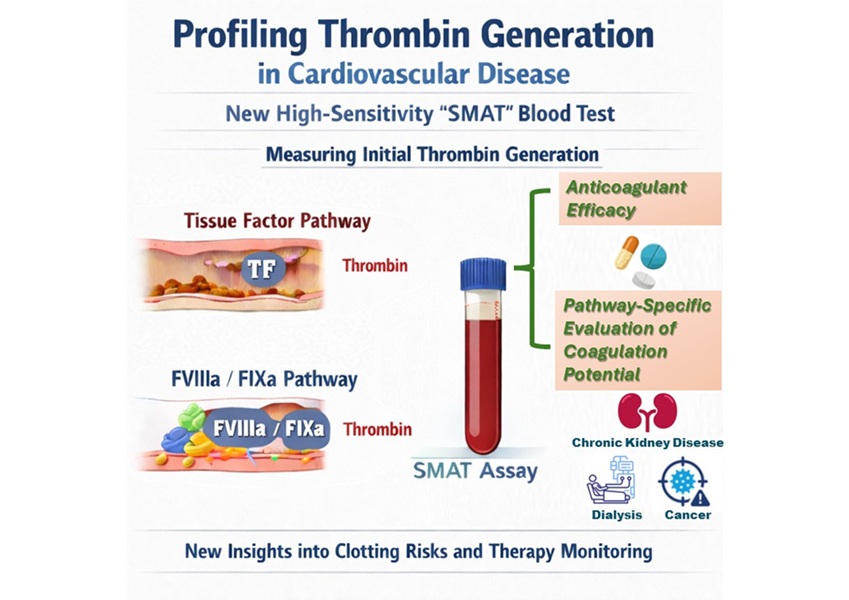
High-Sensitivity Blood Test Improves Assessment of Clotting Risk in Heart Disease Patients
Blood clotting is essential for preventing bleeding, but even small imbalances can lead to serious conditions such as thrombosis or dangerous hemorrhage. In cardiovascular disease, clinicians often struggle... Read moreImmunology
view channel
Blood Test Identifies Lung Cancer Patients Who Can Benefit from Immunotherapy Drug
Small cell lung cancer (SCLC) is an aggressive disease with limited treatment options, and even newly approved immunotherapies do not benefit all patients. While immunotherapy can extend survival for some,... Read more
Whole-Genome Sequencing Approach Identifies Cancer Patients Benefitting From PARP-Inhibitor Treatment
Targeted cancer therapies such as PARP inhibitors can be highly effective, but only for patients whose tumors carry specific DNA repair defects. Identifying these patients accurately remains challenging,... Read more
Ultrasensitive Liquid Biopsy Demonstrates Efficacy in Predicting Immunotherapy Response
Immunotherapy has transformed cancer treatment, but only a small proportion of patients experience lasting benefit, with response rates often remaining between 10% and 20%. Clinicians currently lack reliable... Read more
Microbiology
view channel
Comprehensive Review Identifies Gut Microbiome Signatures Associated With Alzheimer’s Disease
Alzheimer’s disease affects approximately 6.7 million people in the United States and nearly 50 million worldwide, yet early cognitive decline remains difficult to characterize. Increasing evidence suggests... Read more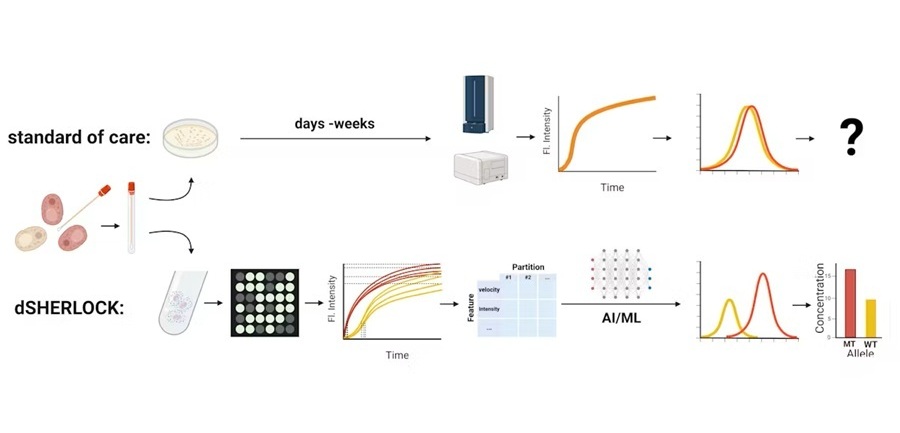
AI-Powered Platform Enables Rapid Detection of Drug-Resistant C. Auris Pathogens
Infections caused by the pathogenic yeast Candida auris pose a significant threat to hospitalized patients, particularly those with weakened immune systems or those who have invasive medical devices.... Read more

Pathology
view channel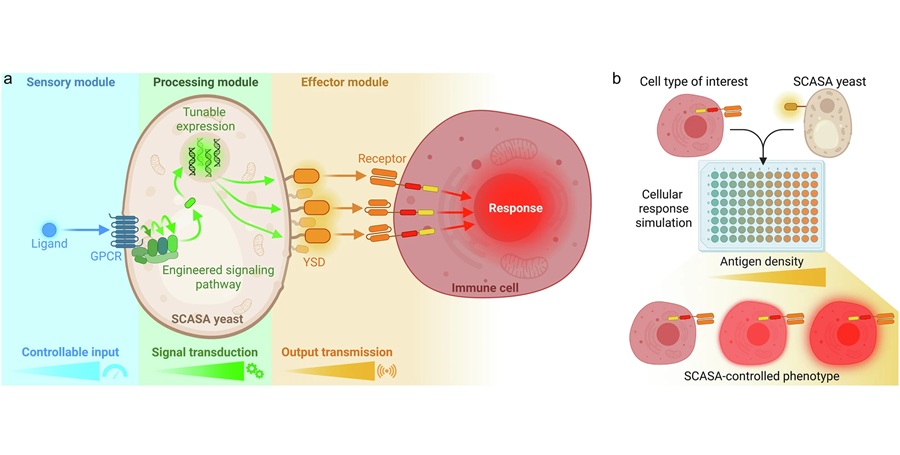
Engineered Yeast Cells Enable Rapid Testing of Cancer Immunotherapy
Developing new cancer immunotherapies is a slow, costly, and high-risk process, particularly for CAR T cell treatments that must precisely recognize cancer-specific antigens. Small differences in tumor... Read more
First-Of-Its-Kind Test Identifies Autism Risk at Birth
Autism spectrum disorder is treatable, and extensive research shows that early intervention can significantly improve cognitive, social, and behavioral outcomes. Yet in the United States, the average age... Read more

Technology
view channel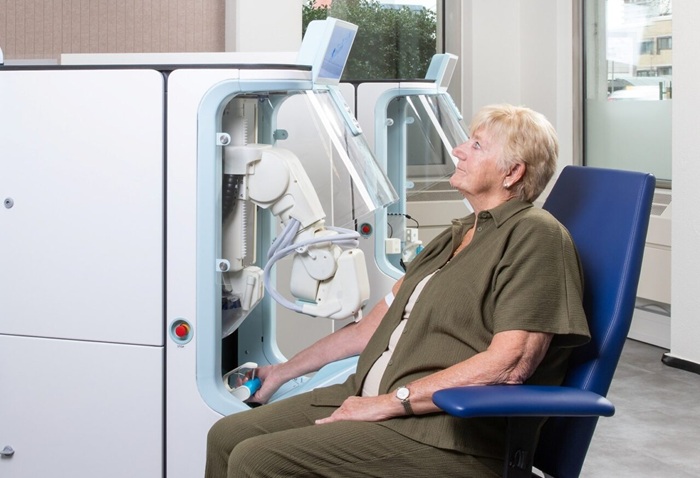
Robotic Technology Unveiled for Automated Diagnostic Blood Draws
Routine diagnostic blood collection is a high‑volume task that can strain staffing and introduce human‑dependent variability, with downstream implications for sample quality and patient experience.... Read more
ADLM Launches First-of-Its-Kind Data Science Program for Laboratory Medicine Professionals
Clinical laboratories generate billions of test results each year, creating a treasure trove of data with the potential to support more personalized testing, improve operational efficiency, and enhance patient care.... Read more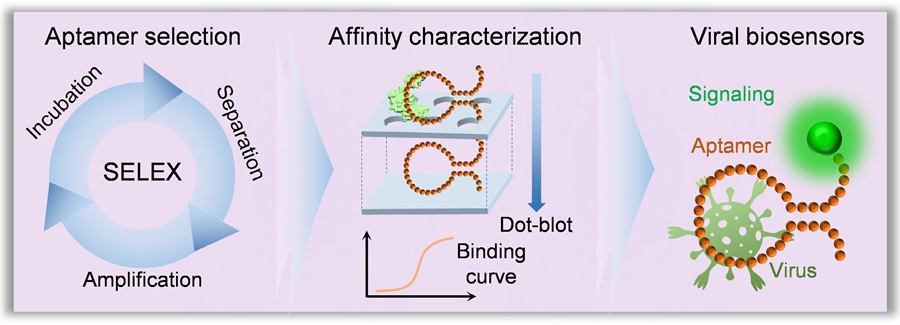
Aptamer Biosensor Technology to Transform Virus Detection
Rapid and reliable virus detection is essential for controlling outbreaks, from seasonal influenza to global pandemics such as COVID-19. Conventional diagnostic methods, including cell culture, antigen... Read more