Global Coronavirus Crisis: Researchers, Industry Mobilize to Offer Remedies (Updated)
|
By LabMedica International staff writers Posted on 09 Mar 2020 |


|
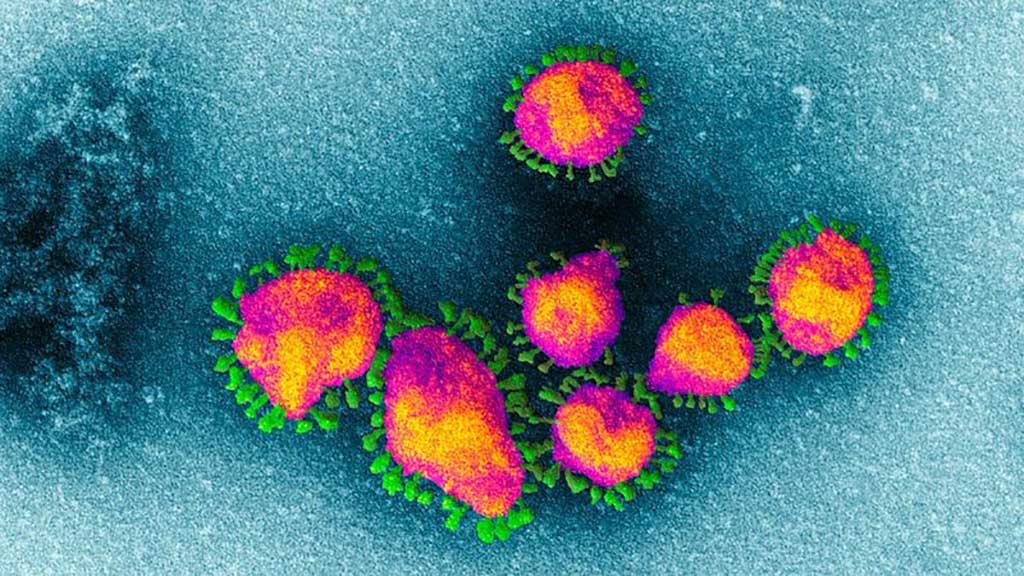
Image: Electron micrograph of Coronaviruses which take their name from their crown-like halo (Photo courtesy of EYE OF SCIENCE/SPL).
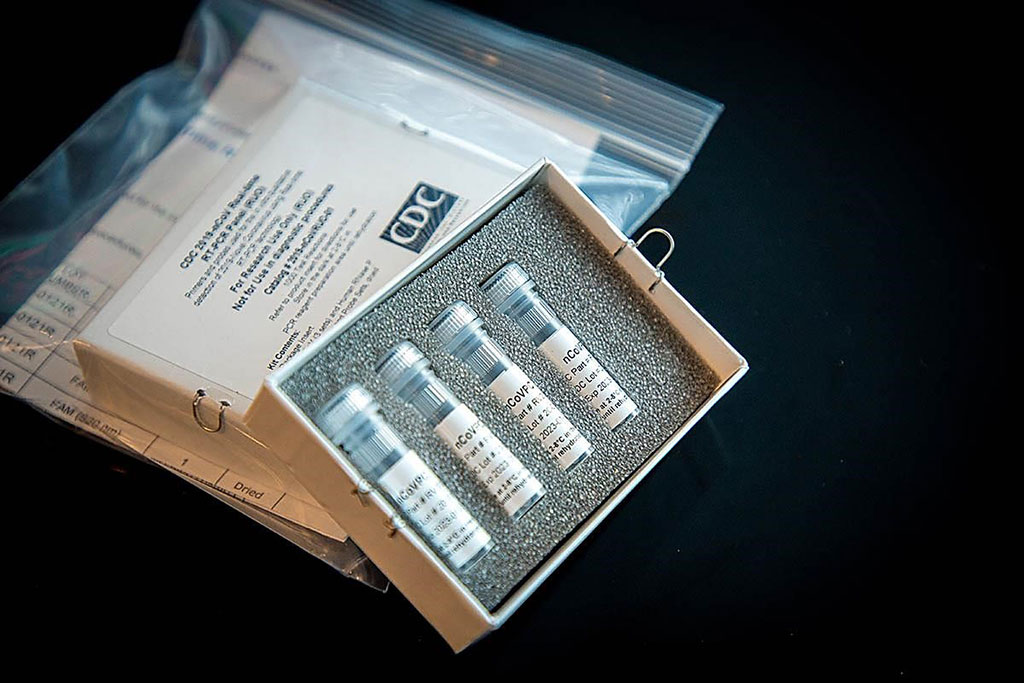
Image: The CDC 2019-Novel Coronavirus (2019-nCoV) Real-Time RT-PCR Diagnostic Panel is ready for distribution to qualified laboratories for detection of 2019 novel coronavirus (COVID-19) (Photo courtesy of Centers for Disease Control and Prevention).
A new Coronavirus, designated COVID-19 and also known as 2019-nCoV, is rapidly spreading from its origin in Wuhan, Hubei Province, China. At the conclusion of February 2020, the number of infected globally was reported at over 90,000 cases, including some 3,200 deaths and around 50,000 recoveries. Outside China, the virus had spread across some 80 countries and caused over 200 fatalities. These numbers are fluid, with increases expected on a daily basis.
For confirmed COVID-9 infections, reported illnesses have ranged from mild symptoms to severe illness and death. Signs of infection are highly non-specific and include respiratory symptoms such as shortness of breath, fever, cough, dyspnea, and viral pneumonia. It is believed that symptoms of COVID-19 may appear in as few as two days or as long as 14 days after exposure.
As the number of cases of COVID-19 rise rapidly, especially as some of those new numbers are now being based not on molecular assays, but reportedly on radiographs which are open to interpretation, there is an urgent need for a definitive and verifiable assay.
Metagenomic RNA sequencing of a bronchoalveolar lavage fluid sample from the first hospitalized patient, identified a novel RNA virus from the family Coronaviridae. Phylogenetic analysis of the complete viral genome (29,903 nucleotides) revealed that the virus was most closely related (89.1% nucleotide similarity) to a group of SARS-like Coronaviruses (genus Betacoronavirus, subgenus Sarbecovirus).
The World Health Organization has hosted an emergency meeting to assess the current level of knowledge about the new COVID-19 disease, identify gaps, and work together to accelerate and fund priority research needed to help stop this outbreak and prepare for any future outbreaks. The WHO website provides interim guidelines for the laboratory diagnosis of COVID-19.
Both government agencies and scientists in the in-vitro diagnostics sector have been racing to implement a definitive test for COVID-19. Several assays that detect the COVID-19 have been and are currently under development. Some assays may detect only the novel virus and some may detect also other strains (e.g., SARS-CoV) that are genetically similar.
US Centers for Disease Control Assay
In the USA, the Centers for Disease Control and Prevention (CDC, Atlanta GA, USA) have publicly posted its assay for novel Coronavirus 2019-nCoV and is now developing the test into kits. The CDC recommends for initial diagnostic testing for COVID-19 collecting and testing upper respiratory (nasopharyngeal and oropharyngeal swabs), and lower respiratory (sputum, if possible) for those patients with productive coughs.
The CDC diagnostic test is a reverse transcriptase real-time PCR (rRT-PCR) assay developed for respiratory and blood serum samples. The protocol to make the assay has been made publicly available. The protocol specifies primers and probes, provides guidance on sample preparation, and advises performing rRT-PCR on the AB 7500 Fast DX thermal cycler (Thermo Fisher Scientific, Waltham, MA, USA).
To date, all USA states have been shipped COVID-19 test kits, as have at least 30 international sites, but the CDC laboratories are the only ones allowed to report positive results. However a recent report suggests that some state laboratories found that the novel Coronavirus test kits sent by the CDC have provided inconclusive results during the quality control process. These were not tests being run on clinical specimens from potential patients, but rather were part of the verification process. Further evaluation has suggested there might be issues with one of the three assays in the test.
BGI Test
As early as December 2019, BGI (Copenhagen, Denmark) successfully developed a Real-Time Fluorescent Reverse Transcription Polymerase Chain Reaction (RT-PCR) kit for detecting COVID-19, which can issue results in a few hours. BGI has since begun a collaboration with Curetis (Holzgerlingen, Germany) and its subsidiary Ares Genetics (Vienna, Austria) to develop a sequencing-based test and to distribute BGI's PCR-based test in Europe. A sequencing platform from BGI subsidiary MGI, called DNBSEQ-T7, has also passed the emergency approval procedure of the National Medical Products Administration, becoming the first officially approved testing product in China for surveillance, discovery, and identification of unknown infectious diseases.
Randox BAT-Based Assay
While there are numerous companies engaged in producing an assay to detect COVID-19, Randox Laboratories (Crumlin, UK) has announced the imminent release of a rapid diagnostic test for this Coronavirus. The company has adapted its patented Biochip Array Technology (BAT) for diagnosis of Coronavirus. BAT is an innovative multiplexing technology which is utilized within the cartridge aspect of an autoanalyzer platform. The Biochip allows for the simultaneous detection of multiple analytes from a single sample.
Coyote Bioscience Prep-Free Assay
Coyote Bioscience (San Jose, CA, USA) has reportedly submitted its one-hour, sample-to-answer 2019-nCoV Prep-Free QPCR Assay to National Medical Products Administration (NMPA) for emergency authorization. It runs on the firm's CFDA-approved Mini8 Portable Molecular Diagnostic QPCR Station. The test is reportedly being used as an RUO in China in more than 30 hospitals, 16 local CDC offices, and eight airports, and the firm has donated 500 instruments to Hubei province.
Biomeme Go-Strips
Biomeme (Philadelphia, PA, USA) have tests called 2019-nCoV Go-Strips that run on Biomeme's mobile handheld qPCR devices available on the firm's website. The test contains Coronavirus RNA target multiplexed with Biomeme's RNA extraction and RT-PCR control (MS2), with each order containing 10 individually packaged Go-Strips that are shelf-stable for up to two years.
GenScript One-Step Assay
GenScript (Piscataway, NJ, USA) has launched a one-step 2019-nCoV quantitative reverse-transcription polymerase chain reaction (qRT-PCR) based on the World Health Organization's (WHO, Geneva, Switzerland) protocol. The firm is also marketing plasmids encoding the surface glycoprotein and nucleocapsid phosphoprotein of 2019-nCoV that can be used as positive control for the detection of 2019-nCoV by RT-PCR.
IDbyDNA Explify Respiratory Test
IDbyDNA (Salt Lake City, UT, USA) has an Explify Respiratory Test that uses next-generation sequencing-based metagenomics to detect COVID-19 as well as over 900 other viral, bacterial, fungal, and parasitic pathogens. It is a validated Laboratory Developed Test (LDT) currently offered by IDbyDNA's laboratory for respiratory pathogens, including human Coronaviruses, and its COVID-19 detection has been computationally validated using in silico generated samples.
WuXi Diagnostics Kits
WuXi Diagnostics (Shanghai, China) has developed a series of COVID-19 detection kits, including the 2019-nCoV IgM Detection kit (Enzyme-Linked Immunoassay, ELISA); the 2019-nCoV IgM/IgG Detection Kit (Enzyme-Linked Immunoassay, ELISA); and the 2019-nCoV Nucleic Acid Detection Kit (PCR-Fluorescent Probe Method). As an integrated solution set, these tests are aimed to improve epidemic prevention and control at all levels.
Thermo Fisher Kit
Thermo Fisher Scientific (Waltham, MA, USA) has developed a real-time PCR kit for the detection of RNA from COVID-19, using Applied Biosystems TaqMan Assay technology, which is available for ordering. The firm is also developing a multiplexing test that offers a faster time-to-result to further expand laboratory capacity, which will be available within the next few weeks, as well as a syndromic panel it expects to be available in late February.
Singapore Institute for Health Innovation
Teams that are developing assays for detecting COVID-19 include the Singapore Institute for Health Innovation & Technology (Singapore) which is working on the development of an assay based on the enVision technology platform. Based on the lab-on-chip detection kit currently in development by Veredus Laboratories (Singapore) the assay can produce results in about two hours.
Cepheid Molecular Diagnostic Test
An automated molecular diagnostic test for the novel Coronavirus in development by Cepheid (Sunnyvale, CA, USA) for use on its GeneXpert Systems, is expected to deliver point-of-care results in around 30 minutes.
BATM Diagnostic Kit
The development of a reverse-transcription PCR (RT-PCR) based diagnostic kit detecting Coronavirus COVID-19 from saliva samples in less than half an hour, was announced by BATM (Hod Hasharon, Israel). BATM had been offering a diagnostic kit detecting SARS (Severe Acute Respiratory Syndrome) and MERS (Middle East Respiratory Syndrome), and the COVID-19 feature is now being added to it. The company is currently focusing on producing the test at a price range suitable for extensive worldwide distribution.
Mobidiag Point-of-Care Test
Mobidiag (Espoo, Finland) is developing a rapid point-of-care test that will run on its Novodiag analyzer, which is a sample-to-answer cartridge-based qPCR system with accelerated turnaround time enabled by rapid thermal cycling. A major differentiating factor of the Mobidiag test is that it will detect and distinguish COVID-19, influenza A, and influenza B viruses. The firm expects the test to be ready for clinical evaluation within a month, and the firm will pursue regulatory paths appropriate to different geographies.
Vircell Detection Kit
The new test, developed by Vircell (Granada,Spain), is currently available for research use only. Suitable for use in any qPCR thermal cycler with (FAM/HEX) detection, the test applies to COVID-19 as well as other coronaviruses related to SARS, generating reliable results in 90 minutes. The assay kit contains two lyophilized master mixes for virus detection and confirmation, as suggested by international guidelines. The assay does not show cross reactions with other common human respiratory CoVs or MERS, and includes an internal amplification control in each master mix.
Other R&D Initiatives
Additional institutions that have available protocols for the diagnosis of COVID-19 include the following:
• Chinese National Institute for Viral Disease Control and Prevention (Beijing, China) is focusing on the gene targets ORF1ab and N;
• Charité University Hospital (Berlin, Germany) is focusing on the gene targets RdRP, E, N;
• University of Hong Kong (Pok Fu Lam, Hong Kong) is focusing on the gene targets ORF1b-nsp14, N. The investigators have developed two rapid tests for the detection of Coronavirus which require only about an hour and a quarter to perform;
• Japanese National Institute of Infectious Diseases, Department of Virology III (Tokyo, Japan) is studying Pancorona and multiple targets, Spike protein;
• Thai Ministry of Public Health (Mueang Nonthaburi District, Thailand) is focusing on N as the gene target.
Vaccine Development
While there is at the moment no approved treatment for COVID-19, several groups are working on a vaccine. The global vaccine industry is dominated by four major companies, but none have yet shown interest in the developing a vaccine for the new virus. Typically, developing a new vaccine takes a decade or longer. But latest genetic techniques and new methods make scientists optimistic, so that they can shorten that timetable to months and possibly weeks, and deliver a tool by Fall 2020 that can slow the spread of infection.
Scientists at the Wistar Institute (Philadelphia, PA, USA) are developing what is called a DNA vaccine, while those at the University of Queensland (Brisbane, Australia) they are developing a vaccine that is based on virus genetic sequence. The Queensland team has come up with an approach it calls the Molecular Clamp. It works by improving the body's immune response to certain viral proteins.
A team of scientists at MIGAL Galilee Research Institute (Qiryat Shmona, Israel) that after four years of research succeded in developing an effective vaccine against the Avian Coronavirus Infectious Bronchitis Virus (IBV) afflicting poultry, are currently focusing on genetic modifications for adapting it toward the creation of a human vaccine against the COVID-19 strain. The company's goal is to produce the vaccine within 8-10 weeks, and achieve safety approval within 90 days. The vaccine will be oral, making it particularly accessible to the general public.
Drug Trials
Gilead Sciences (Foster City, CA, USA) that makes anti-HIV drugs, has announced it will trial its drug Remdesivir. Meanwhile Kaletra, a combination of two anti-HIV drugs from AbbVie Inc (North Chicago, IL, USA) is being trialed on patients in China. Both trials are based on existing drugs.
Related Links:
BATM
BGI
Curetis
Ares Genetics
Centers for Disease Control and Prevention
Thermo Fisher Scientific
Chinese National Institute for Viral Disease Control and Prevention
Charité University Hospital
University of Hong Kong
Japanese National Institute of Infectious Diseases
MIGAL Galilee Research Institute
Thai Ministry of Public Health
Randox Laboratories
Coyote Bioscience
Biomeme
GenScript
World Health Organization
IDbyDNA
Thermo Fisher Scientific
Institute for Health Innovation & Technology
Veredus Laboratories
Cepheid
Mobidiag
Gilead Sciences
AbbVie Inc
Wistar Institute
University of Queensland
WuXi Diagnostics




For confirmed COVID-9 infections, reported illnesses have ranged from mild symptoms to severe illness and death. Signs of infection are highly non-specific and include respiratory symptoms such as shortness of breath, fever, cough, dyspnea, and viral pneumonia. It is believed that symptoms of COVID-19 may appear in as few as two days or as long as 14 days after exposure.
As the number of cases of COVID-19 rise rapidly, especially as some of those new numbers are now being based not on molecular assays, but reportedly on radiographs which are open to interpretation, there is an urgent need for a definitive and verifiable assay.
Metagenomic RNA sequencing of a bronchoalveolar lavage fluid sample from the first hospitalized patient, identified a novel RNA virus from the family Coronaviridae. Phylogenetic analysis of the complete viral genome (29,903 nucleotides) revealed that the virus was most closely related (89.1% nucleotide similarity) to a group of SARS-like Coronaviruses (genus Betacoronavirus, subgenus Sarbecovirus).
The World Health Organization has hosted an emergency meeting to assess the current level of knowledge about the new COVID-19 disease, identify gaps, and work together to accelerate and fund priority research needed to help stop this outbreak and prepare for any future outbreaks. The WHO website provides interim guidelines for the laboratory diagnosis of COVID-19.
Both government agencies and scientists in the in-vitro diagnostics sector have been racing to implement a definitive test for COVID-19. Several assays that detect the COVID-19 have been and are currently under development. Some assays may detect only the novel virus and some may detect also other strains (e.g., SARS-CoV) that are genetically similar.
US Centers for Disease Control Assay
In the USA, the Centers for Disease Control and Prevention (CDC, Atlanta GA, USA) have publicly posted its assay for novel Coronavirus 2019-nCoV and is now developing the test into kits. The CDC recommends for initial diagnostic testing for COVID-19 collecting and testing upper respiratory (nasopharyngeal and oropharyngeal swabs), and lower respiratory (sputum, if possible) for those patients with productive coughs.
The CDC diagnostic test is a reverse transcriptase real-time PCR (rRT-PCR) assay developed for respiratory and blood serum samples. The protocol to make the assay has been made publicly available. The protocol specifies primers and probes, provides guidance on sample preparation, and advises performing rRT-PCR on the AB 7500 Fast DX thermal cycler (Thermo Fisher Scientific, Waltham, MA, USA).
To date, all USA states have been shipped COVID-19 test kits, as have at least 30 international sites, but the CDC laboratories are the only ones allowed to report positive results. However a recent report suggests that some state laboratories found that the novel Coronavirus test kits sent by the CDC have provided inconclusive results during the quality control process. These were not tests being run on clinical specimens from potential patients, but rather were part of the verification process. Further evaluation has suggested there might be issues with one of the three assays in the test.
BGI Test
As early as December 2019, BGI (Copenhagen, Denmark) successfully developed a Real-Time Fluorescent Reverse Transcription Polymerase Chain Reaction (RT-PCR) kit for detecting COVID-19, which can issue results in a few hours. BGI has since begun a collaboration with Curetis (Holzgerlingen, Germany) and its subsidiary Ares Genetics (Vienna, Austria) to develop a sequencing-based test and to distribute BGI's PCR-based test in Europe. A sequencing platform from BGI subsidiary MGI, called DNBSEQ-T7, has also passed the emergency approval procedure of the National Medical Products Administration, becoming the first officially approved testing product in China for surveillance, discovery, and identification of unknown infectious diseases.
Randox BAT-Based Assay
While there are numerous companies engaged in producing an assay to detect COVID-19, Randox Laboratories (Crumlin, UK) has announced the imminent release of a rapid diagnostic test for this Coronavirus. The company has adapted its patented Biochip Array Technology (BAT) for diagnosis of Coronavirus. BAT is an innovative multiplexing technology which is utilized within the cartridge aspect of an autoanalyzer platform. The Biochip allows for the simultaneous detection of multiple analytes from a single sample.
Coyote Bioscience Prep-Free Assay
Coyote Bioscience (San Jose, CA, USA) has reportedly submitted its one-hour, sample-to-answer 2019-nCoV Prep-Free QPCR Assay to National Medical Products Administration (NMPA) for emergency authorization. It runs on the firm's CFDA-approved Mini8 Portable Molecular Diagnostic QPCR Station. The test is reportedly being used as an RUO in China in more than 30 hospitals, 16 local CDC offices, and eight airports, and the firm has donated 500 instruments to Hubei province.
Biomeme Go-Strips
Biomeme (Philadelphia, PA, USA) have tests called 2019-nCoV Go-Strips that run on Biomeme's mobile handheld qPCR devices available on the firm's website. The test contains Coronavirus RNA target multiplexed with Biomeme's RNA extraction and RT-PCR control (MS2), with each order containing 10 individually packaged Go-Strips that are shelf-stable for up to two years.
GenScript One-Step Assay
GenScript (Piscataway, NJ, USA) has launched a one-step 2019-nCoV quantitative reverse-transcription polymerase chain reaction (qRT-PCR) based on the World Health Organization's (WHO, Geneva, Switzerland) protocol. The firm is also marketing plasmids encoding the surface glycoprotein and nucleocapsid phosphoprotein of 2019-nCoV that can be used as positive control for the detection of 2019-nCoV by RT-PCR.
IDbyDNA Explify Respiratory Test
IDbyDNA (Salt Lake City, UT, USA) has an Explify Respiratory Test that uses next-generation sequencing-based metagenomics to detect COVID-19 as well as over 900 other viral, bacterial, fungal, and parasitic pathogens. It is a validated Laboratory Developed Test (LDT) currently offered by IDbyDNA's laboratory for respiratory pathogens, including human Coronaviruses, and its COVID-19 detection has been computationally validated using in silico generated samples.
WuXi Diagnostics Kits
WuXi Diagnostics (Shanghai, China) has developed a series of COVID-19 detection kits, including the 2019-nCoV IgM Detection kit (Enzyme-Linked Immunoassay, ELISA); the 2019-nCoV IgM/IgG Detection Kit (Enzyme-Linked Immunoassay, ELISA); and the 2019-nCoV Nucleic Acid Detection Kit (PCR-Fluorescent Probe Method). As an integrated solution set, these tests are aimed to improve epidemic prevention and control at all levels.
Thermo Fisher Kit
Thermo Fisher Scientific (Waltham, MA, USA) has developed a real-time PCR kit for the detection of RNA from COVID-19, using Applied Biosystems TaqMan Assay technology, which is available for ordering. The firm is also developing a multiplexing test that offers a faster time-to-result to further expand laboratory capacity, which will be available within the next few weeks, as well as a syndromic panel it expects to be available in late February.
Singapore Institute for Health Innovation
Teams that are developing assays for detecting COVID-19 include the Singapore Institute for Health Innovation & Technology (Singapore) which is working on the development of an assay based on the enVision technology platform. Based on the lab-on-chip detection kit currently in development by Veredus Laboratories (Singapore) the assay can produce results in about two hours.
Cepheid Molecular Diagnostic Test
An automated molecular diagnostic test for the novel Coronavirus in development by Cepheid (Sunnyvale, CA, USA) for use on its GeneXpert Systems, is expected to deliver point-of-care results in around 30 minutes.
BATM Diagnostic Kit
The development of a reverse-transcription PCR (RT-PCR) based diagnostic kit detecting Coronavirus COVID-19 from saliva samples in less than half an hour, was announced by BATM (Hod Hasharon, Israel). BATM had been offering a diagnostic kit detecting SARS (Severe Acute Respiratory Syndrome) and MERS (Middle East Respiratory Syndrome), and the COVID-19 feature is now being added to it. The company is currently focusing on producing the test at a price range suitable for extensive worldwide distribution.
Mobidiag Point-of-Care Test
Mobidiag (Espoo, Finland) is developing a rapid point-of-care test that will run on its Novodiag analyzer, which is a sample-to-answer cartridge-based qPCR system with accelerated turnaround time enabled by rapid thermal cycling. A major differentiating factor of the Mobidiag test is that it will detect and distinguish COVID-19, influenza A, and influenza B viruses. The firm expects the test to be ready for clinical evaluation within a month, and the firm will pursue regulatory paths appropriate to different geographies.
Vircell Detection Kit
The new test, developed by Vircell (Granada,Spain), is currently available for research use only. Suitable for use in any qPCR thermal cycler with (FAM/HEX) detection, the test applies to COVID-19 as well as other coronaviruses related to SARS, generating reliable results in 90 minutes. The assay kit contains two lyophilized master mixes for virus detection and confirmation, as suggested by international guidelines. The assay does not show cross reactions with other common human respiratory CoVs or MERS, and includes an internal amplification control in each master mix.
Other R&D Initiatives
Additional institutions that have available protocols for the diagnosis of COVID-19 include the following:
• Chinese National Institute for Viral Disease Control and Prevention (Beijing, China) is focusing on the gene targets ORF1ab and N;
• Charité University Hospital (Berlin, Germany) is focusing on the gene targets RdRP, E, N;
• University of Hong Kong (Pok Fu Lam, Hong Kong) is focusing on the gene targets ORF1b-nsp14, N. The investigators have developed two rapid tests for the detection of Coronavirus which require only about an hour and a quarter to perform;
• Japanese National Institute of Infectious Diseases, Department of Virology III (Tokyo, Japan) is studying Pancorona and multiple targets, Spike protein;
• Thai Ministry of Public Health (Mueang Nonthaburi District, Thailand) is focusing on N as the gene target.
Vaccine Development
While there is at the moment no approved treatment for COVID-19, several groups are working on a vaccine. The global vaccine industry is dominated by four major companies, but none have yet shown interest in the developing a vaccine for the new virus. Typically, developing a new vaccine takes a decade or longer. But latest genetic techniques and new methods make scientists optimistic, so that they can shorten that timetable to months and possibly weeks, and deliver a tool by Fall 2020 that can slow the spread of infection.
Scientists at the Wistar Institute (Philadelphia, PA, USA) are developing what is called a DNA vaccine, while those at the University of Queensland (Brisbane, Australia) they are developing a vaccine that is based on virus genetic sequence. The Queensland team has come up with an approach it calls the Molecular Clamp. It works by improving the body's immune response to certain viral proteins.
A team of scientists at MIGAL Galilee Research Institute (Qiryat Shmona, Israel) that after four years of research succeded in developing an effective vaccine against the Avian Coronavirus Infectious Bronchitis Virus (IBV) afflicting poultry, are currently focusing on genetic modifications for adapting it toward the creation of a human vaccine against the COVID-19 strain. The company's goal is to produce the vaccine within 8-10 weeks, and achieve safety approval within 90 days. The vaccine will be oral, making it particularly accessible to the general public.
Drug Trials
Gilead Sciences (Foster City, CA, USA) that makes anti-HIV drugs, has announced it will trial its drug Remdesivir. Meanwhile Kaletra, a combination of two anti-HIV drugs from AbbVie Inc (North Chicago, IL, USA) is being trialed on patients in China. Both trials are based on existing drugs.
Related Links:
BATM
BGI
Curetis
Ares Genetics
Centers for Disease Control and Prevention
Thermo Fisher Scientific
Chinese National Institute for Viral Disease Control and Prevention
Charité University Hospital
University of Hong Kong
Japanese National Institute of Infectious Diseases
MIGAL Galilee Research Institute
Thai Ministry of Public Health
Randox Laboratories
Coyote Bioscience
Biomeme
GenScript
World Health Organization
IDbyDNA
Thermo Fisher Scientific
Institute for Health Innovation & Technology
Veredus Laboratories
Cepheid
Mobidiag
Gilead Sciences
AbbVie Inc
Wistar Institute
University of Queensland
WuXi Diagnostics

Gold Member
Blood Gas Analyzer
Stat Profile pHOx
Capillary Blood Collection Tube
IMPROMINI M3
ESR Analyzer
TEST1 2.0
Latest Immunology News
- Blood Test Identifies Lung Cancer Patients Who Can Benefit from Immunotherapy Drug
- Whole-Genome Sequencing Approach Identifies Cancer Patients Benefitting From PARP-Inhibitor Treatment
- Ultrasensitive Liquid Biopsy Demonstrates Efficacy in Predicting Immunotherapy Response
- Blood Test Could Identify Colon Cancer Patients to Benefit from NSAIDs
- Blood Test Could Detect Adverse Immunotherapy Effects
- Routine Blood Test Can Predict Who Benefits Most from CAR T-Cell Therapy
- New Test Distinguishes Vaccine-Induced False Positives from Active HIV Infection
- Gene Signature Test Predicts Response to Key Breast Cancer Treatment
- Chip Captures Cancer Cells from Blood to Help Select Right Breast Cancer Treatment
- Blood-Based Liquid Biopsy Model Analyzes Immunotherapy Effectiveness
- Signature Genes Predict T-Cell Expansion in Cancer Immunotherapy
- Molecular Microscope Diagnostic System Assesses Lung Transplant Rejection
- Blood Test Tracks Treatment Resistance in High-Grade Serous Ovarian Cancer
- Luminescent Probe Measures Immune Cell Activity in Real Time
- Blood-Based Immune Cell Signatures Could Guide Treatment Decisions for Critically Ill Patients
- Novel Tool Predicts Most Effective Multiple Sclerosis Medication for Patients
Channels
Clinical Chemistry
view channel
New PSA-Based Prognostic Model Improves Prostate Cancer Risk Assessment
Prostate cancer is the second-leading cause of cancer death among American men, and about one in eight will be diagnosed in their lifetime. Screening relies on blood levels of prostate-specific antigen... Read more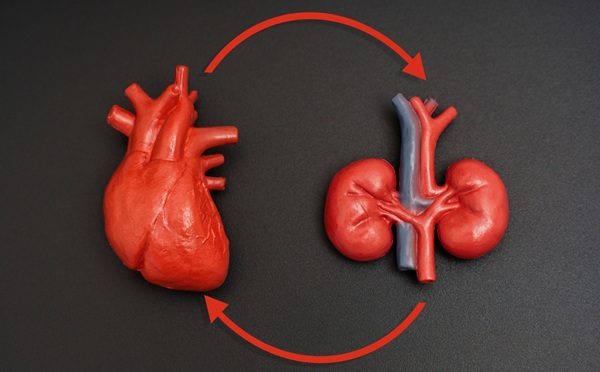
Extracellular Vesicles Linked to Heart Failure Risk in CKD Patients
Chronic kidney disease (CKD) affects more than 1 in 7 Americans and is strongly associated with cardiovascular complications, which account for more than half of deaths among people with CKD.... Read more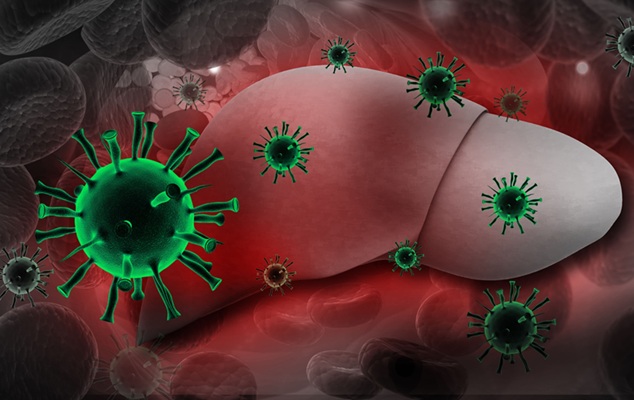
Molecular Diagnostics
view channel
Diagnostic Device Predicts Treatment Response for Brain Tumors Via Blood Test
Glioblastoma is one of the deadliest forms of brain cancer, largely because doctors have no reliable way to determine whether treatments are working in real time. Assessing therapeutic response currently... Read more
Blood Test Detects Early-Stage Cancers by Measuring Epigenetic Instability
Early-stage cancers are notoriously difficult to detect because molecular changes are subtle and often missed by existing screening tools. Many liquid biopsies rely on measuring absolute DNA methylation... Read more
“Lab-On-A-Disc” Device Paves Way for More Automated Liquid Biopsies
Extracellular vesicles (EVs) are tiny particles released by cells into the bloodstream that carry molecular information about a cell’s condition, including whether it is cancerous. However, EVs are highly... Read more
Blood Test Identifies Inflammatory Breast Cancer Patients at Increased Risk of Brain Metastasis
Brain metastasis is a frequent and devastating complication in patients with inflammatory breast cancer, an aggressive subtype with limited treatment options. Despite its high incidence, the biological... Read moreHematology
view channel
New Guidelines Aim to Improve AL Amyloidosis Diagnosis
Light chain (AL) amyloidosis is a rare, life-threatening bone marrow disorder in which abnormal amyloid proteins accumulate in organs. Approximately 3,260 people in the United States are diagnosed... Read more
Fast and Easy Test Could Revolutionize Blood Transfusions
Blood transfusions are a cornerstone of modern medicine, yet red blood cells can deteriorate quietly while sitting in cold storage for weeks. Although blood units have a fixed expiration date, cells from... Read more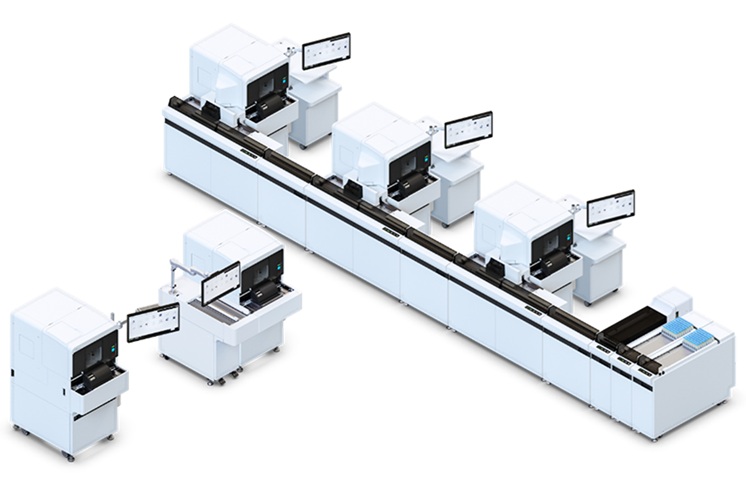
Automated Hemostasis System Helps Labs of All Sizes Optimize Workflow
High-volume hemostasis sections must sustain rapid turnaround while managing reruns and reflex testing. Manual tube handling and preanalytical checks can strain staff time and increase opportunities for error.... Read more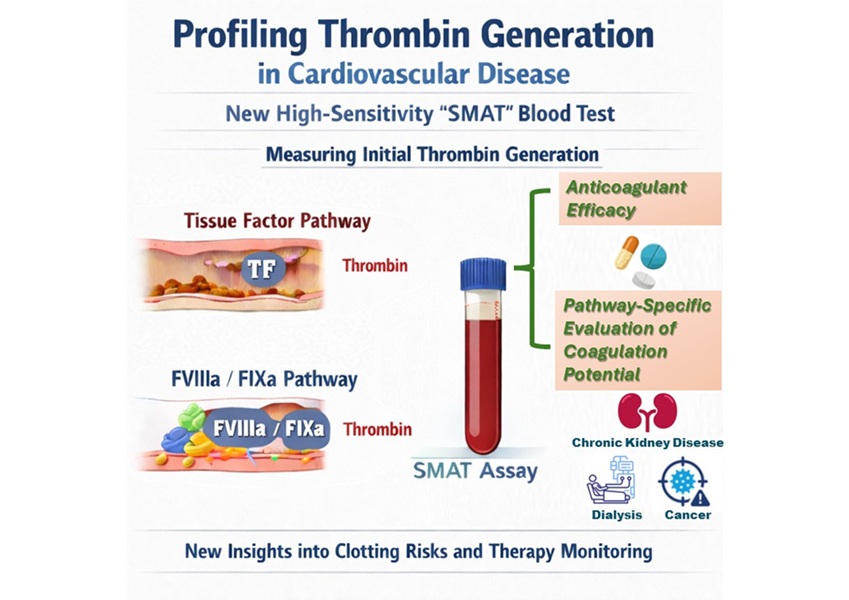
High-Sensitivity Blood Test Improves Assessment of Clotting Risk in Heart Disease Patients
Blood clotting is essential for preventing bleeding, but even small imbalances can lead to serious conditions such as thrombosis or dangerous hemorrhage. In cardiovascular disease, clinicians often struggle... Read moreImmunology
view channel
Blood Test Identifies Lung Cancer Patients Who Can Benefit from Immunotherapy Drug
Small cell lung cancer (SCLC) is an aggressive disease with limited treatment options, and even newly approved immunotherapies do not benefit all patients. While immunotherapy can extend survival for some,... Read more
Whole-Genome Sequencing Approach Identifies Cancer Patients Benefitting From PARP-Inhibitor Treatment
Targeted cancer therapies such as PARP inhibitors can be highly effective, but only for patients whose tumors carry specific DNA repair defects. Identifying these patients accurately remains challenging,... Read more
Ultrasensitive Liquid Biopsy Demonstrates Efficacy in Predicting Immunotherapy Response
Immunotherapy has transformed cancer treatment, but only a small proportion of patients experience lasting benefit, with response rates often remaining between 10% and 20%. Clinicians currently lack reliable... Read more
Microbiology
view channel
Comprehensive Review Identifies Gut Microbiome Signatures Associated With Alzheimer’s Disease
Alzheimer’s disease affects approximately 6.7 million people in the United States and nearly 50 million worldwide, yet early cognitive decline remains difficult to characterize. Increasing evidence suggests... Read more
AI-Powered Platform Enables Rapid Detection of Drug-Resistant C. Auris Pathogens
Infections caused by the pathogenic yeast Candida auris pose a significant threat to hospitalized patients, particularly those with weakened immune systems or those who have invasive medical devices.... Read more
Pathology
view channel
Engineered Yeast Cells Enable Rapid Testing of Cancer Immunotherapy
Developing new cancer immunotherapies is a slow, costly, and high-risk process, particularly for CAR T cell treatments that must precisely recognize cancer-specific antigens. Small differences in tumor... Read more
First-Of-Its-Kind Test Identifies Autism Risk at Birth
Autism spectrum disorder is treatable, and extensive research shows that early intervention can significantly improve cognitive, social, and behavioral outcomes. Yet in the United States, the average age... Read more
Technology
view channel
Robotic Technology Unveiled for Automated Diagnostic Blood Draws
Routine diagnostic blood collection is a high‑volume task that can strain staffing and introduce human‑dependent variability, with downstream implications for sample quality and patient experience.... Read more
ADLM Launches First-of-Its-Kind Data Science Program for Laboratory Medicine Professionals
Clinical laboratories generate billions of test results each year, creating a treasure trove of data with the potential to support more personalized testing, improve operational efficiency, and enhance patient care.... Read more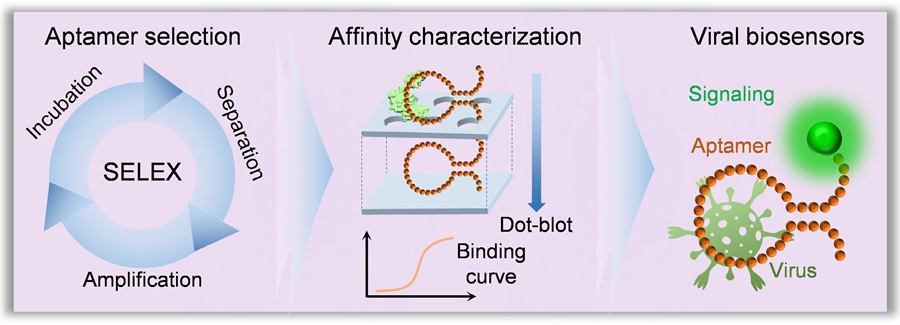
Aptamer Biosensor Technology to Transform Virus Detection
Rapid and reliable virus detection is essential for controlling outbreaks, from seasonal influenza to global pandemics such as COVID-19. Conventional diagnostic methods, including cell culture, antigen... Read more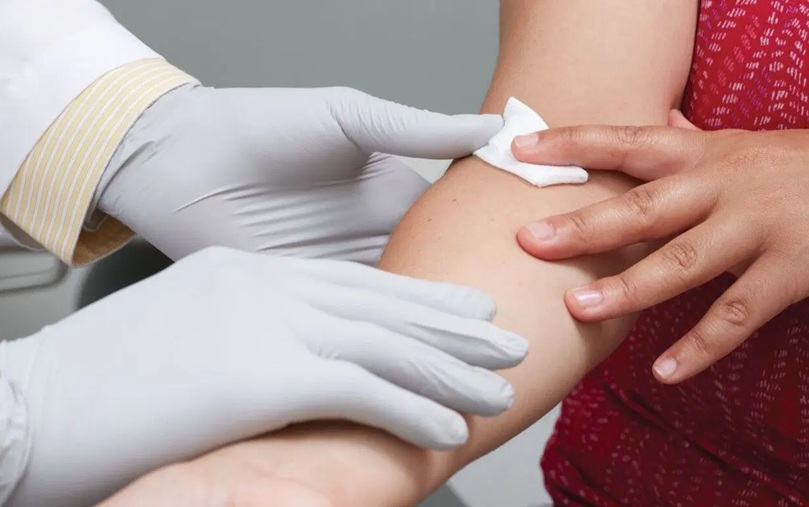
AI Models Could Predict Pre-Eclampsia and Anemia Earlier Using Routine Blood Tests
Pre-eclampsia and anemia are major contributors to maternal and child mortality worldwide, together accounting for more than half a million deaths each year and leaving millions with long-term health complications.... Read moreIndustry
view channel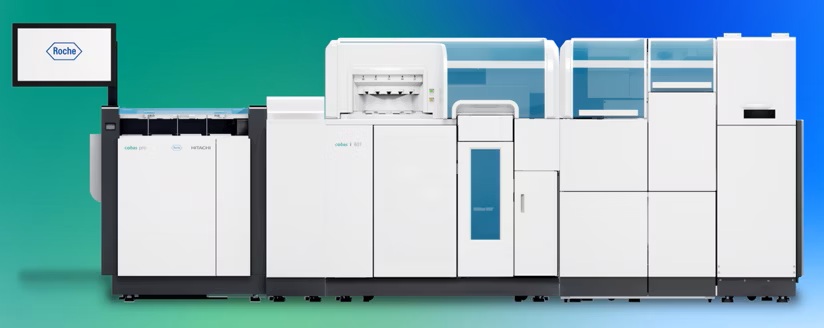
New Collaboration Brings Automated Mass Spectrometry to Routine Laboratory Testing
Mass spectrometry is a powerful analytical technique that identifies and quantifies molecules based on their mass and electrical charge. Its high selectivity, sensitivity, and accuracy make it indispensable... Read more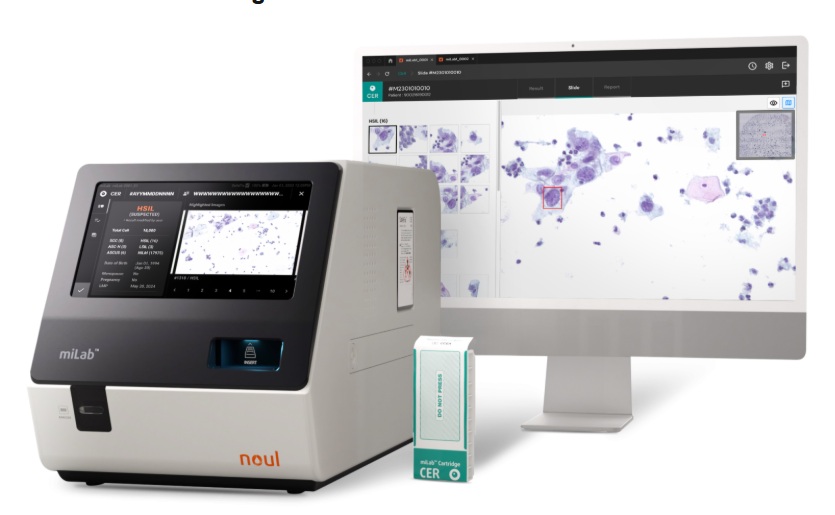
AI-Powered Cervical Cancer Test Set for Major Rollout in Latin America
Noul Co., a Korean company specializing in AI-based blood and cancer diagnostics, announced it will supply its intelligence (AI)-based miLab CER cervical cancer diagnostic solution to Mexico under a multi‑year... Read more
Diasorin and Fisher Scientific Enter into US Distribution Agreement for Molecular POC Platform
Diasorin (Saluggia, Italy) has entered into an exclusive distribution agreement with Fisher Scientific, part of Thermo Fisher Scientific (Waltham, MA, USA), for the LIAISON NES molecular point-of-care... Read more