Анализ на основе замыкающего кольцо зонда обнаруживает сезонный грипп и разделяет его на подтипы
|
By LabMedica International staff writers Posted on 14 Mar 2019 |


|
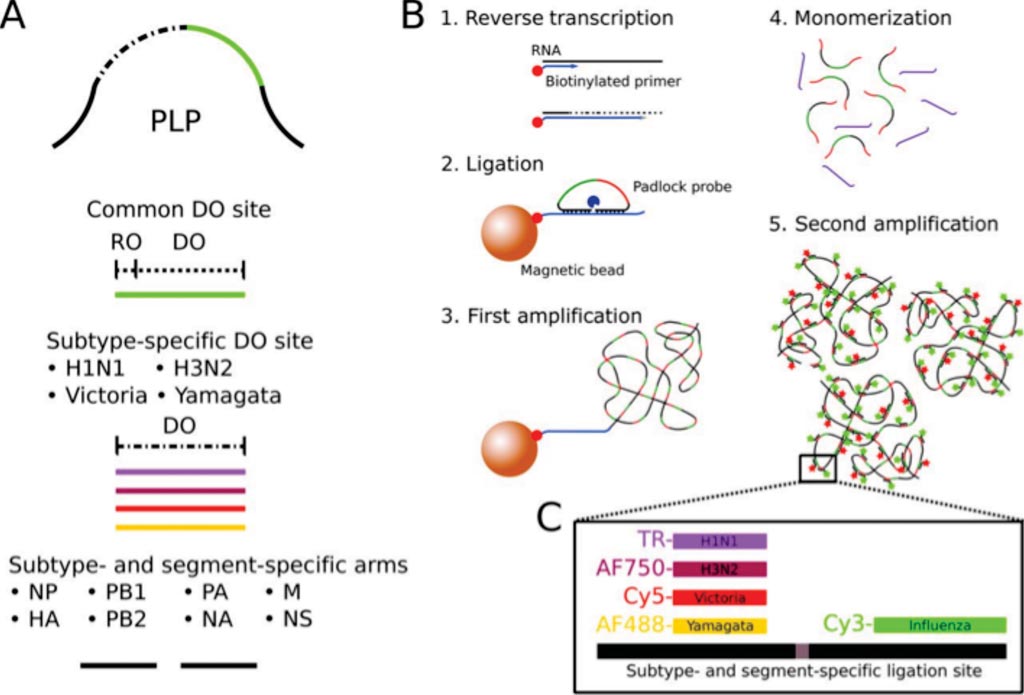
Комплекс компонентов анализа на основе замыкающего кольцо зонда для выявления сезонного гриппа (фото любезно предоставлено Стокгольмским университетом).
Грипп продолжает оставаться угрозой для всего мира и, по имеющимся оценкам, затрагивает от 5% до 15% населения Земли каждый сезон, вызывая от трех до пяти миллионов тяжелых случаев заболевания и до 500 000 смертельных случаев.
В современной диагностике гриппа преобладают исследования нуклеиновых кислот, которые заменили выделение вирусов и иммунологические анализы по причине высокой чувствительности, специфичности и ускоренного времени выполнения. В продаже имеются несколько коммерческих систем для диагностики гриппа, большинство из которых основано на полимеразной цепной реакции (ПЦР) в режиме реального времени.
Ученые из Стокгольмского университета (Стокгольм, Швеция) и их коллеги разработали мультиплексный анализ для обнаружения и разделения на подтипы сезонного гриппа на основе замыкающего кольцо зонда (padlock probes) и амплификации по типу катящегося кольца. Команда ученых собрала 65 мазков из носоглотки пациентов в течение сезона 2016 – 2017 годов во время общепринятой диагностики на респираторные вирусные инфекции в Каролинской университетской клинике (Стокгольм, Швеция). Пятнадцать из этих образцов использовались для разработки анализа и пятьдесят образцов использовались для проверки анализа.
Анализ одновременно охватывает все восемь сегментов генома четырех разновидностей циркулирующего гриппа, A(H1N1), A(H3N2), B/Yamagata и B/Victoria, и объединен с прототипом модуля для недорогого количественного определения цифровым методом. Для разработки анализа и его аналитической проверки использовались характерные культуры вируса и мазки из носоглотки пациентов. Выполнение диагностического теста оценивалось слепым методом исследования 50 клинических образцов, проанализированных параллельно с помощью коммерческого анализа на грипп Simplexa Flu A/B & RSV Direct.
Для оптимизации реакций праймеров и зондов продукты амплификации по типу катящегося кольца были определены количественно путем с использованием специализированного инструмента Aquila 400. Команда ученых сообщила, что анализ имел предел обнаружения, равный 18 копий РНК вируса, и достиг 100% аналитической и клинической специфичности для дифференциальной диагностики и выделения подтипов сезонных разновидностей циркулирующего гриппа. Диагностическая чувствительность на 50 клинических образцах составляла 77,5% для обнаружения гриппа и до 73% для выделения подтипов сезонных разновидностей гриппа.
Авторы пришли к заключению, что они разработали анализ на основе замыкающего кольцо зонда, объединенный с недорогим считыванием цифровой информации для обнаружения и выделения подтипов штаммов сезонного гриппа A и B. Продемонстрированная высокая специфичность и возможность мультиплексирования, совместно с цифровой количественной оценкой, доказали, что анализ является многообещающим инструментом для диагностики сезонного гриппа. Исследование было опубликовано в выпуске журнала Clinical Chemistry за декабрь 2018 года.
Ссылки по теме:
Stockholm University
Karolinska University Hospital




В современной диагностике гриппа преобладают исследования нуклеиновых кислот, которые заменили выделение вирусов и иммунологические анализы по причине высокой чувствительности, специфичности и ускоренного времени выполнения. В продаже имеются несколько коммерческих систем для диагностики гриппа, большинство из которых основано на полимеразной цепной реакции (ПЦР) в режиме реального времени.
Ученые из Стокгольмского университета (Стокгольм, Швеция) и их коллеги разработали мультиплексный анализ для обнаружения и разделения на подтипы сезонного гриппа на основе замыкающего кольцо зонда (padlock probes) и амплификации по типу катящегося кольца. Команда ученых собрала 65 мазков из носоглотки пациентов в течение сезона 2016 – 2017 годов во время общепринятой диагностики на респираторные вирусные инфекции в Каролинской университетской клинике (Стокгольм, Швеция). Пятнадцать из этих образцов использовались для разработки анализа и пятьдесят образцов использовались для проверки анализа.
Анализ одновременно охватывает все восемь сегментов генома четырех разновидностей циркулирующего гриппа, A(H1N1), A(H3N2), B/Yamagata и B/Victoria, и объединен с прототипом модуля для недорогого количественного определения цифровым методом. Для разработки анализа и его аналитической проверки использовались характерные культуры вируса и мазки из носоглотки пациентов. Выполнение диагностического теста оценивалось слепым методом исследования 50 клинических образцов, проанализированных параллельно с помощью коммерческого анализа на грипп Simplexa Flu A/B & RSV Direct.
Для оптимизации реакций праймеров и зондов продукты амплификации по типу катящегося кольца были определены количественно путем с использованием специализированного инструмента Aquila 400. Команда ученых сообщила, что анализ имел предел обнаружения, равный 18 копий РНК вируса, и достиг 100% аналитической и клинической специфичности для дифференциальной диагностики и выделения подтипов сезонных разновидностей циркулирующего гриппа. Диагностическая чувствительность на 50 клинических образцах составляла 77,5% для обнаружения гриппа и до 73% для выделения подтипов сезонных разновидностей гриппа.
Авторы пришли к заключению, что они разработали анализ на основе замыкающего кольцо зонда, объединенный с недорогим считыванием цифровой информации для обнаружения и выделения подтипов штаммов сезонного гриппа A и B. Продемонстрированная высокая специфичность и возможность мультиплексирования, совместно с цифровой количественной оценкой, доказали, что анализ является многообещающим инструментом для диагностики сезонного гриппа. Исследование было опубликовано в выпуске журнала Clinical Chemistry за декабрь 2018 года.
Ссылки по теме:
Stockholm University
Karolinska University Hospital

New
Gold Member
Clinical Drug Testing Panel
DOA Urine MultiPlex
Gold Member
Immunochromatographic Assay
CRYPTO Cassette
HBV DNA Test
GENERIC HBV VIRAL LOAD VER 2.0
Latest Молекулярная диагностика News
Channels
Clinical Chemistry
view channel
New PSA-Based Prognostic Model Improves Prostate Cancer Risk Assessment
Prostate cancer is the second-leading cause of cancer death among American men, and about one in eight will be diagnosed in their lifetime. Screening relies on blood levels of prostate-specific antigen... Read more
Extracellular Vesicles Linked to Heart Failure Risk in CKD Patients
Chronic kidney disease (CKD) affects more than 1 in 7 Americans and is strongly associated with cardiovascular complications, which account for more than half of deaths among people with CKD.... Read more

Molecular Diagnostics
view channel
Diagnostic Device Predicts Treatment Response for Brain Tumors Via Blood Test
Glioblastoma is one of the deadliest forms of brain cancer, largely because doctors have no reliable way to determine whether treatments are working in real time. Assessing therapeutic response currently... Read more
Blood Test Detects Early-Stage Cancers by Measuring Epigenetic Instability
Early-stage cancers are notoriously difficult to detect because molecular changes are subtle and often missed by existing screening tools. Many liquid biopsies rely on measuring absolute DNA methylation... Read more
“Lab-On-A-Disc” Device Paves Way for More Automated Liquid Biopsies
Extracellular vesicles (EVs) are tiny particles released by cells into the bloodstream that carry molecular information about a cell’s condition, including whether it is cancerous. However, EVs are highly... Read more
Blood Test Identifies Inflammatory Breast Cancer Patients at Increased Risk of Brain Metastasis
Brain metastasis is a frequent and devastating complication in patients with inflammatory breast cancer, an aggressive subtype with limited treatment options. Despite its high incidence, the biological... Read moreHematology
view channel
New Guidelines Aim to Improve AL Amyloidosis Diagnosis
Light chain (AL) amyloidosis is a rare, life-threatening bone marrow disorder in which abnormal amyloid proteins accumulate in organs. Approximately 3,260 people in the United States are diagnosed... Read more
Fast and Easy Test Could Revolutionize Blood Transfusions
Blood transfusions are a cornerstone of modern medicine, yet red blood cells can deteriorate quietly while sitting in cold storage for weeks. Although blood units have a fixed expiration date, cells from... Read more
Automated Hemostasis System Helps Labs of All Sizes Optimize Workflow
High-volume hemostasis sections must sustain rapid turnaround while managing reruns and reflex testing. Manual tube handling and preanalytical checks can strain staff time and increase opportunities for error.... Read more
High-Sensitivity Blood Test Improves Assessment of Clotting Risk in Heart Disease Patients
Blood clotting is essential for preventing bleeding, but even small imbalances can lead to serious conditions such as thrombosis or dangerous hemorrhage. In cardiovascular disease, clinicians often struggle... Read moreImmunology
view channel
Blood Test Identifies Lung Cancer Patients Who Can Benefit from Immunotherapy Drug
Small cell lung cancer (SCLC) is an aggressive disease with limited treatment options, and even newly approved immunotherapies do not benefit all patients. While immunotherapy can extend survival for some,... Read more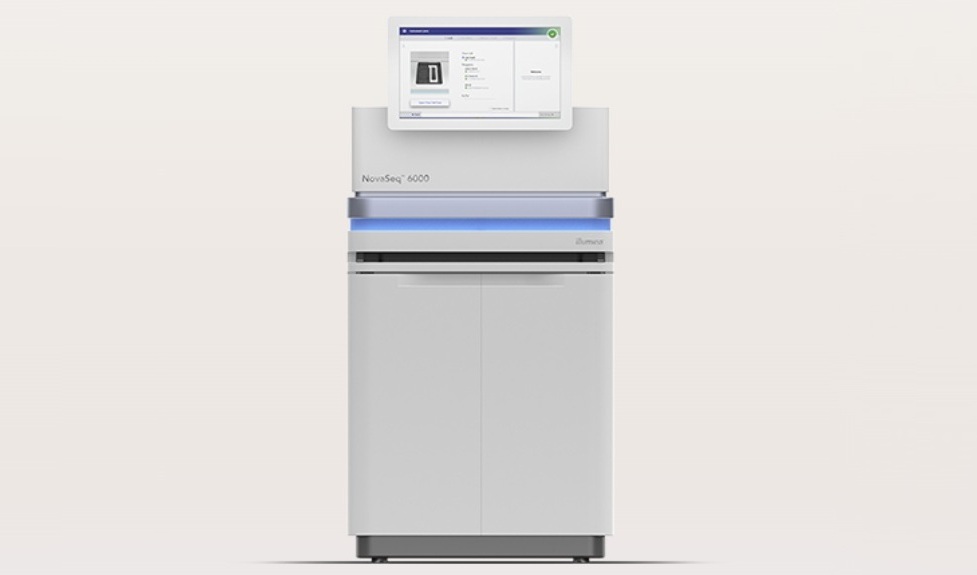
Whole-Genome Sequencing Approach Identifies Cancer Patients Benefitting From PARP-Inhibitor Treatment
Targeted cancer therapies such as PARP inhibitors can be highly effective, but only for patients whose tumors carry specific DNA repair defects. Identifying these patients accurately remains challenging,... Read more
Ultrasensitive Liquid Biopsy Demonstrates Efficacy in Predicting Immunotherapy Response
Immunotherapy has transformed cancer treatment, but only a small proportion of patients experience lasting benefit, with response rates often remaining between 10% and 20%. Clinicians currently lack reliable... Read more
Microbiology
view channel
Comprehensive Review Identifies Gut Microbiome Signatures Associated With Alzheimer’s Disease
Alzheimer’s disease affects approximately 6.7 million people in the United States and nearly 50 million worldwide, yet early cognitive decline remains difficult to characterize. Increasing evidence suggests... Read more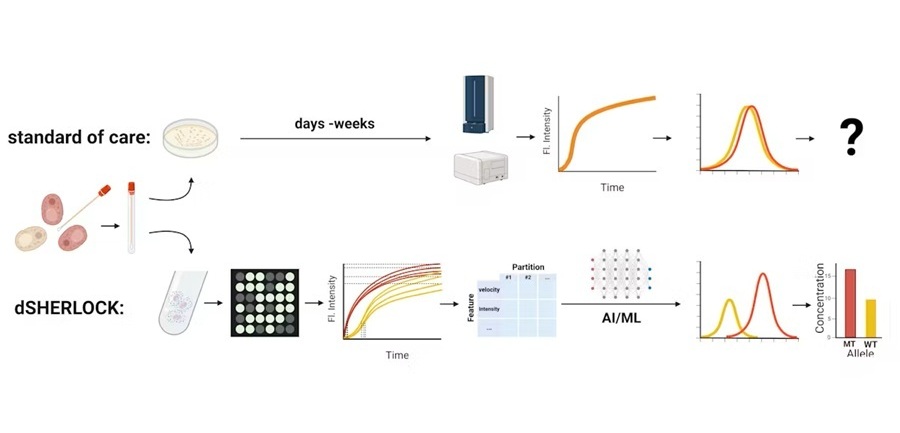
AI-Powered Platform Enables Rapid Detection of Drug-Resistant C. Auris Pathogens
Infections caused by the pathogenic yeast Candida auris pose a significant threat to hospitalized patients, particularly those with weakened immune systems or those who have invasive medical devices.... Read more

Pathology
view channel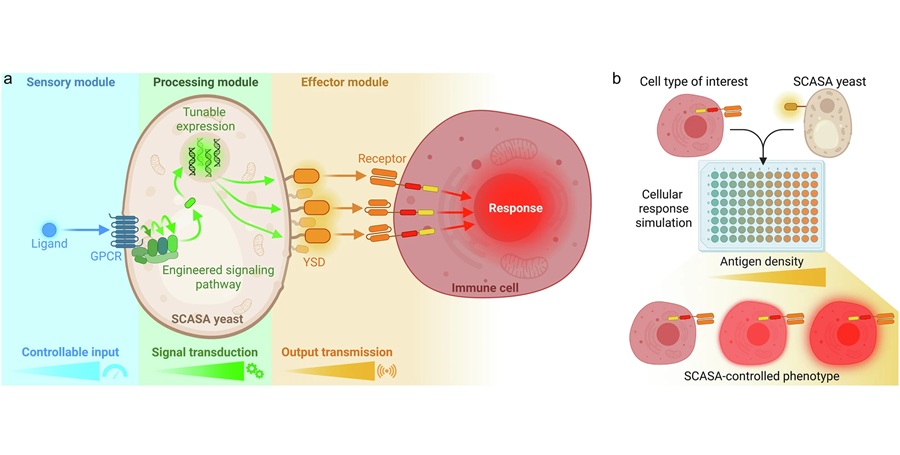
Engineered Yeast Cells Enable Rapid Testing of Cancer Immunotherapy
Developing new cancer immunotherapies is a slow, costly, and high-risk process, particularly for CAR T cell treatments that must precisely recognize cancer-specific antigens. Small differences in tumor... Read more
First-Of-Its-Kind Test Identifies Autism Risk at Birth
Autism spectrum disorder is treatable, and extensive research shows that early intervention can significantly improve cognitive, social, and behavioral outcomes. Yet in the United States, the average age... Read more

Technology
view channel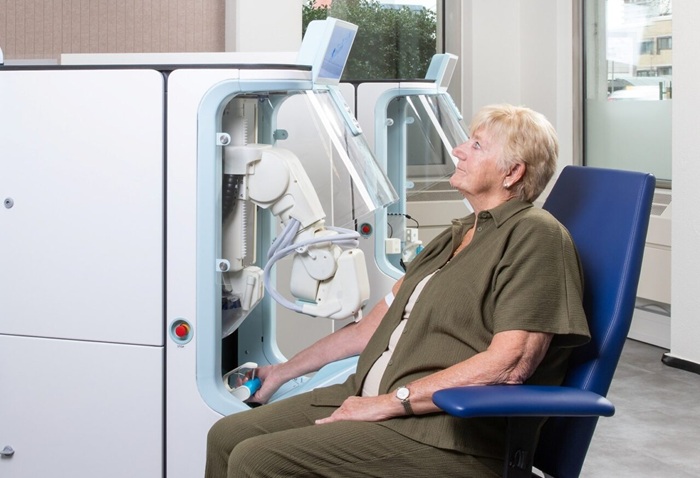
Robotic Technology Unveiled for Automated Diagnostic Blood Draws
Routine diagnostic blood collection is a high‑volume task that can strain staffing and introduce human‑dependent variability, with downstream implications for sample quality and patient experience.... Read more
ADLM Launches First-of-Its-Kind Data Science Program for Laboratory Medicine Professionals
Clinical laboratories generate billions of test results each year, creating a treasure trove of data with the potential to support more personalized testing, improve operational efficiency, and enhance patient care.... Read more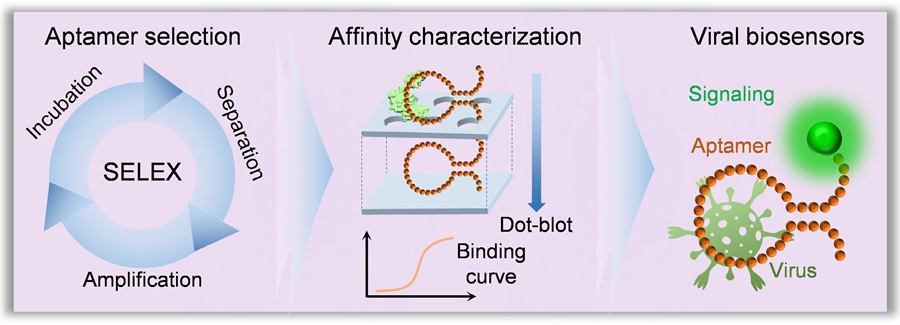
Aptamer Biosensor Technology to Transform Virus Detection
Rapid and reliable virus detection is essential for controlling outbreaks, from seasonal influenza to global pandemics such as COVID-19. Conventional diagnostic methods, including cell culture, antigen... Read more
AI Models Could Predict Pre-Eclampsia and Anemia Earlier Using Routine Blood Tests
Pre-eclampsia and anemia are major contributors to maternal and child mortality worldwide, together accounting for more than half a million deaths each year and leaving millions with long-term health complications.... Read moreIndustry
view channel
New Collaboration Brings Automated Mass Spectrometry to Routine Laboratory Testing
Mass spectrometry is a powerful analytical technique that identifies and quantifies molecules based on their mass and electrical charge. Its high selectivity, sensitivity, and accuracy make it indispensable... Read more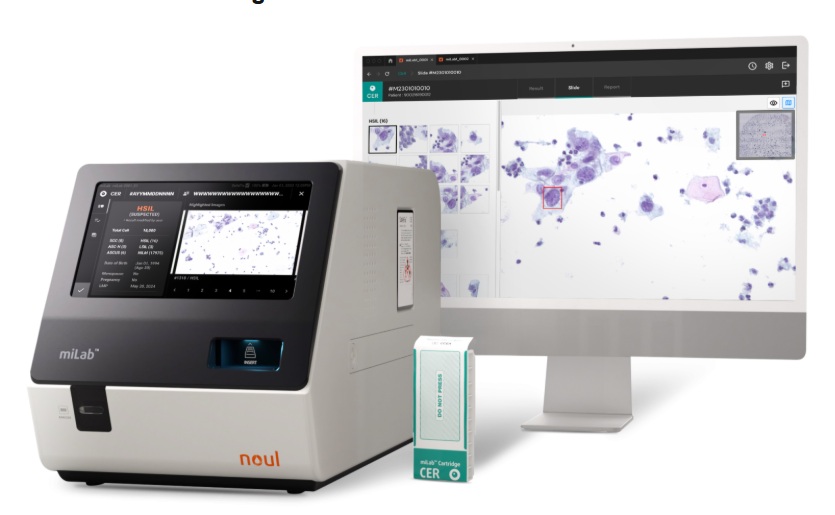
AI-Powered Cervical Cancer Test Set for Major Rollout in Latin America
Noul Co., a Korean company specializing in AI-based blood and cancer diagnostics, announced it will supply its intelligence (AI)-based miLab CER cervical cancer diagnostic solution to Mexico under a multi‑year... Read more
Diasorin and Fisher Scientific Enter into US Distribution Agreement for Molecular POC Platform
Diasorin (Saluggia, Italy) has entered into an exclusive distribution agreement with Fisher Scientific, part of Thermo Fisher Scientific (Waltham, MA, USA), for the LIAISON NES molecular point-of-care... Read more