Lack of Regional Research in Precision Medicine Could Hamper Targeted Therapies
|
By LabMedica International staff writers Posted on 23 Jan 2019 |


|
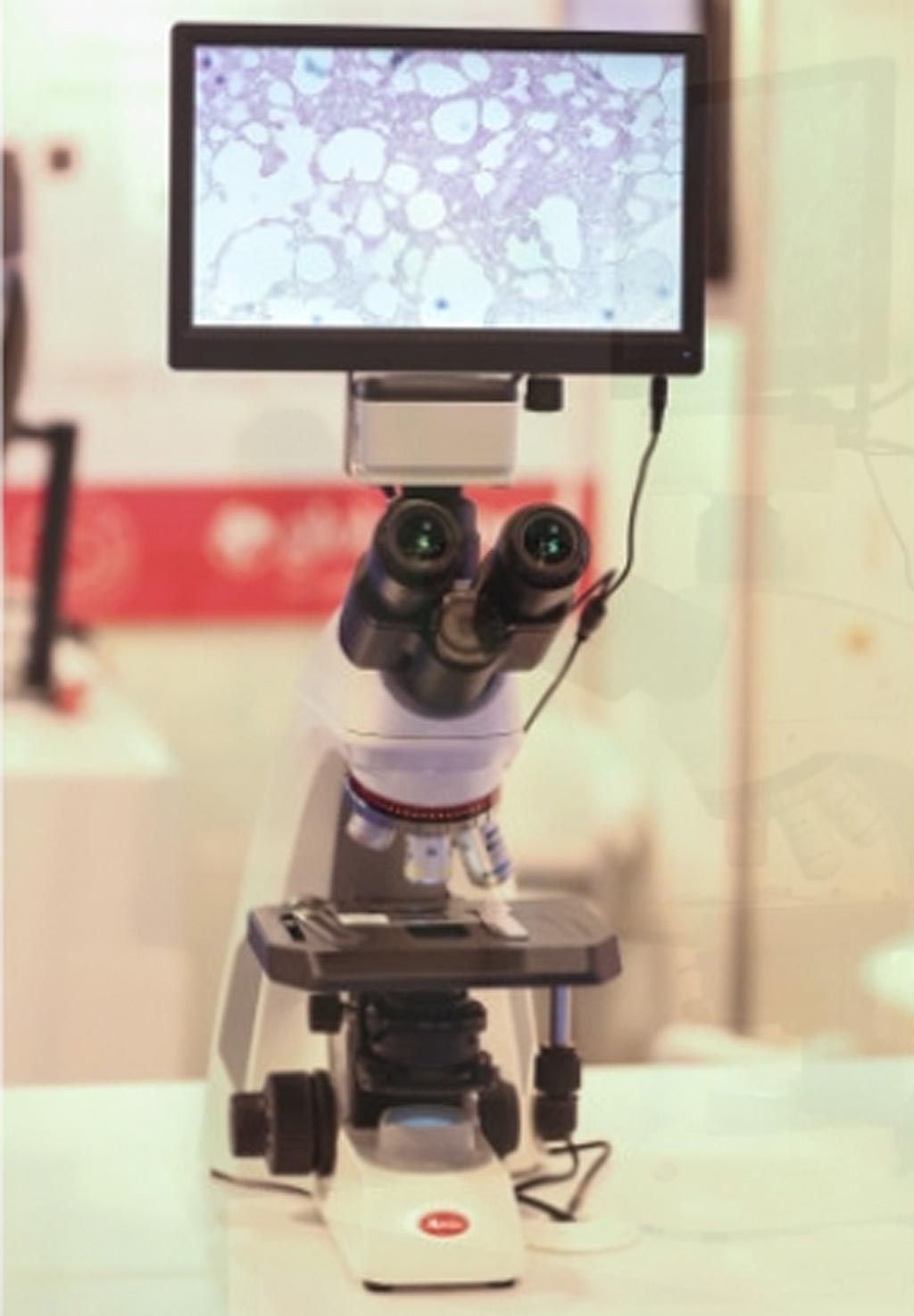
Image: At the MEDLAB Congress, experts from the MENA region met to discuss a wide range of topics such as barriers to providing precision medicine in the Arab World, strategies for the prevention of genetic diseases, and Next-Generation Sequencing in oncology (Photo courtesy of MENA Herald).
Molecular diagnostics and genetics experts from the Middle East & North Africa (MENA) region gathered at the MEDLAB Congress which took place from February 4-7, 2019, at Dubai World Trade Centre to discuss topics such as barriers to providing precision medicine in the Arab World, strategies for the prevention of genetic diseases, and Next-Generation Sequencing in oncology, among others. The MEDLAB Congress, which is organized by Informa Exhibitions, brought together more than 6,700 conference delegates to hear from more than 110 speakers from 20 countries in an effort to provide advanced medical laboratory techniques for better health.
The experts also highlighted the need for advancing genetic and disease research in the Arab world in order to provide targeted gene therapies for certain cancers for citizens in the UAE. This is in line with the UAE Vision 2021 National Agenda, which aims to reduce cancer-related deaths in the country, with the World Health Organization (WHO) estimating 25.6 deaths per 100,000 population in the UAE in 2017. In order to achieve this aim, the UAE government regularly launches national awareness and preventative campaigns within the framework of ‘Itmenan,’ which involves the ‘Universal Periodic Examination’ and ‘Early Detection of Cancer’ initiatives adopted by the Council of Ministers.
According to the WHO, while 70% of deaths from cancer occur in low and middle-income countries, only one in five low and middle-income countries have the necessary data to drive cancer policy. More than 90% of high-income countries reported available treatment services compared to less than 30% in low-income countries. While a portion of countries in MENA do have a high GDP, they are still considered developing economies according to the United Nations.
Targeted therapies, or precision medicine, are defined as tailoring of medical treatment to the individual characteristics of each patient. It is an emerging approach for disease treatment and prevention that takes into account individual variability in genes, environment, and lifestyle for each person. For example, for cancer treatments, based on genetic testing, a physician can choose the most effective chemotherapy based on the mutation or biomarker identified.
“It is well recognized that Middle Eastern populations are underrepresented in disease research and, to date, there is no research to indicate the impact of precision medicine in the UAE. But I think that this is still premature as we don’t even have enough data on the general population genetics of this part of the world, so this is really the first step,” said Dr. Sara Sorrell, Consultant Family Medicine, Intercare Health Center, Abu Dhabi, UAE. “For instance, if a different mutation is found to cause a particular cancer here, compared to European descent populations, this may present a novel target for new cancer therapies for local populations. Or, if a new drug comes on the market, what’s the effect in the local population? Therefore, advancing genetic and disease research in the UAE and the Arab world is very important. For this to occur, there needs to be both a focus on funding research as well as formulating policies around research and healthcare innovation to protect patients, scientists, and physicians.”
“The conferences provide an important platform for the region’s medical laboratory community to engage in discussion that will promote the role of genetic and population research in advancing the health of citizens across the region. This is led by the intense interest in precision medicine, with the region’s laboratories now actively expanding their test menus for more personalized diagnostic services,” said Rejoy Penacerrada, Conference Director, MEDLAB Congress.





The experts also highlighted the need for advancing genetic and disease research in the Arab world in order to provide targeted gene therapies for certain cancers for citizens in the UAE. This is in line with the UAE Vision 2021 National Agenda, which aims to reduce cancer-related deaths in the country, with the World Health Organization (WHO) estimating 25.6 deaths per 100,000 population in the UAE in 2017. In order to achieve this aim, the UAE government regularly launches national awareness and preventative campaigns within the framework of ‘Itmenan,’ which involves the ‘Universal Periodic Examination’ and ‘Early Detection of Cancer’ initiatives adopted by the Council of Ministers.
According to the WHO, while 70% of deaths from cancer occur in low and middle-income countries, only one in five low and middle-income countries have the necessary data to drive cancer policy. More than 90% of high-income countries reported available treatment services compared to less than 30% in low-income countries. While a portion of countries in MENA do have a high GDP, they are still considered developing economies according to the United Nations.
Targeted therapies, or precision medicine, are defined as tailoring of medical treatment to the individual characteristics of each patient. It is an emerging approach for disease treatment and prevention that takes into account individual variability in genes, environment, and lifestyle for each person. For example, for cancer treatments, based on genetic testing, a physician can choose the most effective chemotherapy based on the mutation or biomarker identified.
“It is well recognized that Middle Eastern populations are underrepresented in disease research and, to date, there is no research to indicate the impact of precision medicine in the UAE. But I think that this is still premature as we don’t even have enough data on the general population genetics of this part of the world, so this is really the first step,” said Dr. Sara Sorrell, Consultant Family Medicine, Intercare Health Center, Abu Dhabi, UAE. “For instance, if a different mutation is found to cause a particular cancer here, compared to European descent populations, this may present a novel target for new cancer therapies for local populations. Or, if a new drug comes on the market, what’s the effect in the local population? Therefore, advancing genetic and disease research in the UAE and the Arab world is very important. For this to occur, there needs to be both a focus on funding research as well as formulating policies around research and healthcare innovation to protect patients, scientists, and physicians.”
“The conferences provide an important platform for the region’s medical laboratory community to engage in discussion that will promote the role of genetic and population research in advancing the health of citizens across the region. This is led by the intense interest in precision medicine, with the region’s laboratories now actively expanding their test menus for more personalized diagnostic services,” said Rejoy Penacerrada, Conference Director, MEDLAB Congress.

New
Gold Member
Clinical Drug Testing Panel
DOA Urine MultiPlex
Gel Cards
DG Gel Cards
ESR Analyzer
TEST1 2.0
Latest Industry News
- AI-Powered Cervical Cancer Test Set for Major Rollout in Latin America
- New Collaboration Brings Automated Mass Spectrometry to Routine Laboratory Testing
- Diasorin and Fisher Scientific Enter into US Distribution Agreement for Molecular POC Platform
- WHX Labs Dubai to Gather Global Experts in Antimicrobial Resistance at Inaugural AMR Leaders’ Summit
- BD and Penn Institute Collaborate to Advance Immunotherapy through Flow Cytometry
- Abbott Acquires Cancer-Screening Company Exact Sciences
- Roche and Freenome Collaborate to Develop Cancer Screening Tests
- Co-Diagnostics Forms New Business Unit to Develop AI-Powered Diagnostics
- Qiagen Acquires Single-Cell Omics Firm Parse Biosciences
- Puritan Medical Products Showcasing Innovation at AMP2025 in Boston
- Advanced Instruments Merged Under Nova Biomedical Name
- Bio-Rad and Biodesix Partner to Develop Droplet Digital PCR High Complexity Assays
- Hologic to be Acquired by Blackstone and TPG
- Bio-Techne and Oxford Nanopore to Accelerate Development of Genetics Portfolio
- Terumo BCT and Hemex Health Collaborate to Improve Access to Testing for Hemoglobin Disorders
- Revvity and Sanofi Collaborate on Program to Revolutionize Early Detection of Type 1 Diabetes
Channels
Clinical Chemistry
view channel
New PSA-Based Prognostic Model Improves Prostate Cancer Risk Assessment
Prostate cancer is the second-leading cause of cancer death among American men, and about one in eight will be diagnosed in their lifetime. Screening relies on blood levels of prostate-specific antigen... Read more
Extracellular Vesicles Linked to Heart Failure Risk in CKD Patients
Chronic kidney disease (CKD) affects more than 1 in 7 Americans and is strongly associated with cardiovascular complications, which account for more than half of deaths among people with CKD.... Read more

Molecular Diagnostics
view channel
Diagnostic Device Predicts Treatment Response for Brain Tumors Via Blood Test
Glioblastoma is one of the deadliest forms of brain cancer, largely because doctors have no reliable way to determine whether treatments are working in real time. Assessing therapeutic response currently... Read more
Blood Test Detects Early-Stage Cancers by Measuring Epigenetic Instability
Early-stage cancers are notoriously difficult to detect because molecular changes are subtle and often missed by existing screening tools. Many liquid biopsies rely on measuring absolute DNA methylation... Read more
“Lab-On-A-Disc” Device Paves Way for More Automated Liquid Biopsies
Extracellular vesicles (EVs) are tiny particles released by cells into the bloodstream that carry molecular information about a cell’s condition, including whether it is cancerous. However, EVs are highly... Read more
Blood Test Identifies Inflammatory Breast Cancer Patients at Increased Risk of Brain Metastasis
Brain metastasis is a frequent and devastating complication in patients with inflammatory breast cancer, an aggressive subtype with limited treatment options. Despite its high incidence, the biological... Read moreHematology
view channel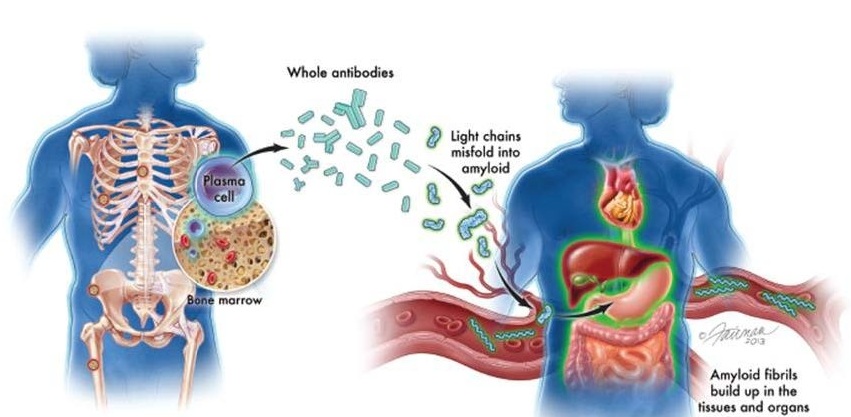
New Guidelines Aim to Improve AL Amyloidosis Diagnosis
Light chain (AL) amyloidosis is a rare, life-threatening bone marrow disorder in which abnormal amyloid proteins accumulate in organs. Approximately 3,260 people in the United States are diagnosed... Read more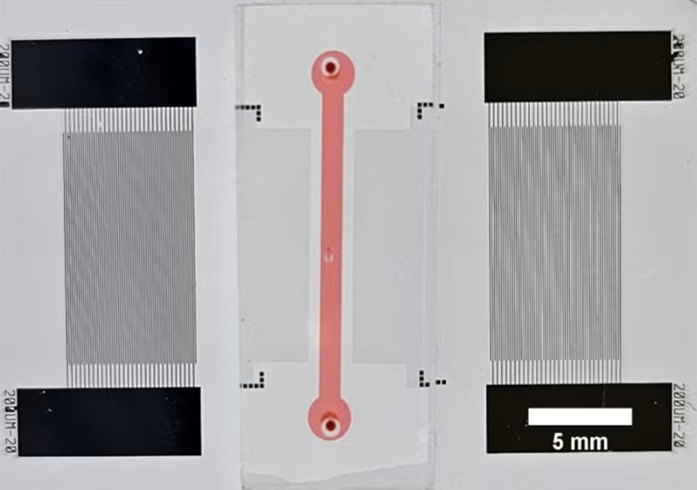
Fast and Easy Test Could Revolutionize Blood Transfusions
Blood transfusions are a cornerstone of modern medicine, yet red blood cells can deteriorate quietly while sitting in cold storage for weeks. Although blood units have a fixed expiration date, cells from... Read more
Automated Hemostasis System Helps Labs of All Sizes Optimize Workflow
High-volume hemostasis sections must sustain rapid turnaround while managing reruns and reflex testing. Manual tube handling and preanalytical checks can strain staff time and increase opportunities for error.... Read more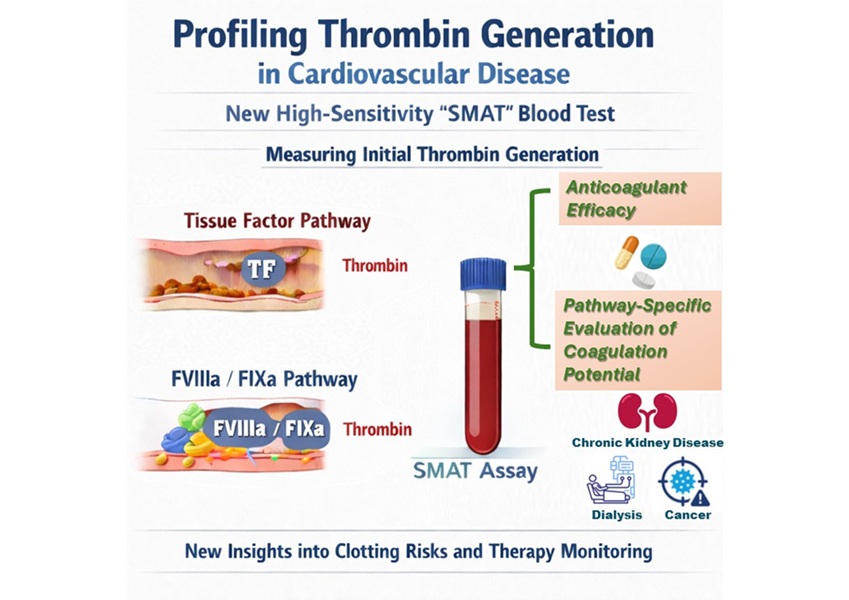
High-Sensitivity Blood Test Improves Assessment of Clotting Risk in Heart Disease Patients
Blood clotting is essential for preventing bleeding, but even small imbalances can lead to serious conditions such as thrombosis or dangerous hemorrhage. In cardiovascular disease, clinicians often struggle... Read moreImmunology
view channel
Blood Test Identifies Lung Cancer Patients Who Can Benefit from Immunotherapy Drug
Small cell lung cancer (SCLC) is an aggressive disease with limited treatment options, and even newly approved immunotherapies do not benefit all patients. While immunotherapy can extend survival for some,... Read more
Whole-Genome Sequencing Approach Identifies Cancer Patients Benefitting From PARP-Inhibitor Treatment
Targeted cancer therapies such as PARP inhibitors can be highly effective, but only for patients whose tumors carry specific DNA repair defects. Identifying these patients accurately remains challenging,... Read more
Ultrasensitive Liquid Biopsy Demonstrates Efficacy in Predicting Immunotherapy Response
Immunotherapy has transformed cancer treatment, but only a small proportion of patients experience lasting benefit, with response rates often remaining between 10% and 20%. Clinicians currently lack reliable... Read more
Microbiology
view channel
Comprehensive Review Identifies Gut Microbiome Signatures Associated With Alzheimer’s Disease
Alzheimer’s disease affects approximately 6.7 million people in the United States and nearly 50 million worldwide, yet early cognitive decline remains difficult to characterize. Increasing evidence suggests... Read more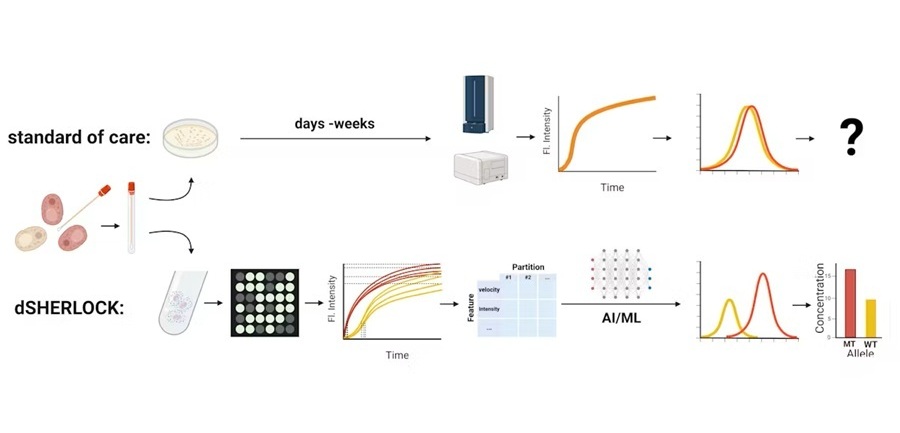
AI-Powered Platform Enables Rapid Detection of Drug-Resistant C. Auris Pathogens
Infections caused by the pathogenic yeast Candida auris pose a significant threat to hospitalized patients, particularly those with weakened immune systems or those who have invasive medical devices.... Read more

Pathology
view channel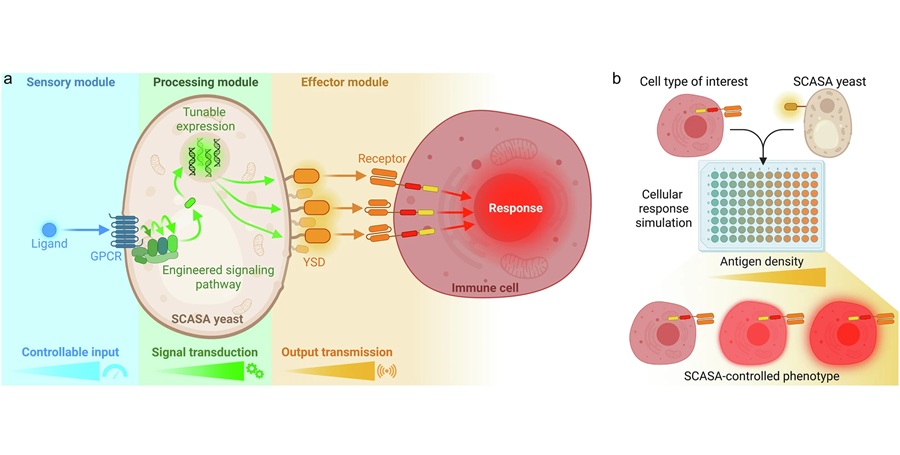
Engineered Yeast Cells Enable Rapid Testing of Cancer Immunotherapy
Developing new cancer immunotherapies is a slow, costly, and high-risk process, particularly for CAR T cell treatments that must precisely recognize cancer-specific antigens. Small differences in tumor... Read more
First-Of-Its-Kind Test Identifies Autism Risk at Birth
Autism spectrum disorder is treatable, and extensive research shows that early intervention can significantly improve cognitive, social, and behavioral outcomes. Yet in the United States, the average age... Read more

Technology
view channel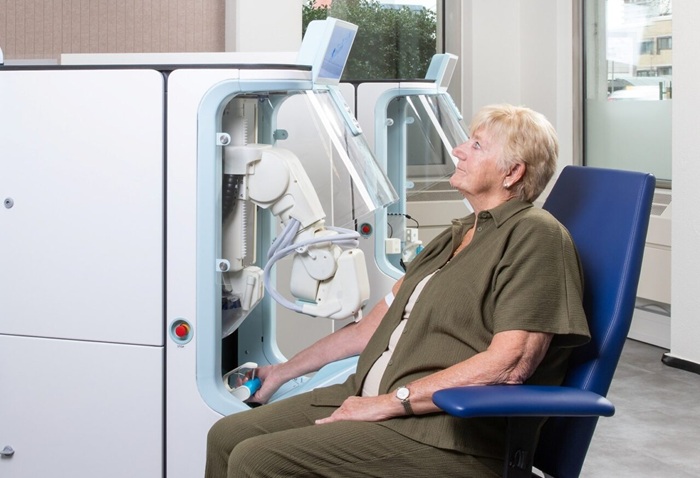
Robotic Technology Unveiled for Automated Diagnostic Blood Draws
Routine diagnostic blood collection is a high‑volume task that can strain staffing and introduce human‑dependent variability, with downstream implications for sample quality and patient experience.... Read more
ADLM Launches First-of-Its-Kind Data Science Program for Laboratory Medicine Professionals
Clinical laboratories generate billions of test results each year, creating a treasure trove of data with the potential to support more personalized testing, improve operational efficiency, and enhance patient care.... Read more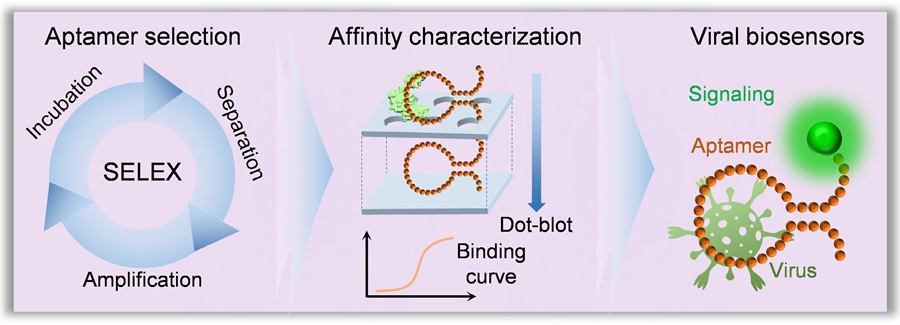
Aptamer Biosensor Technology to Transform Virus Detection
Rapid and reliable virus detection is essential for controlling outbreaks, from seasonal influenza to global pandemics such as COVID-19. Conventional diagnostic methods, including cell culture, antigen... Read more