Определен новый белок-мишень для выявления рака толстой кишки
|
By LabMedica International staff writers Posted on 20 Sep 2018 |


|
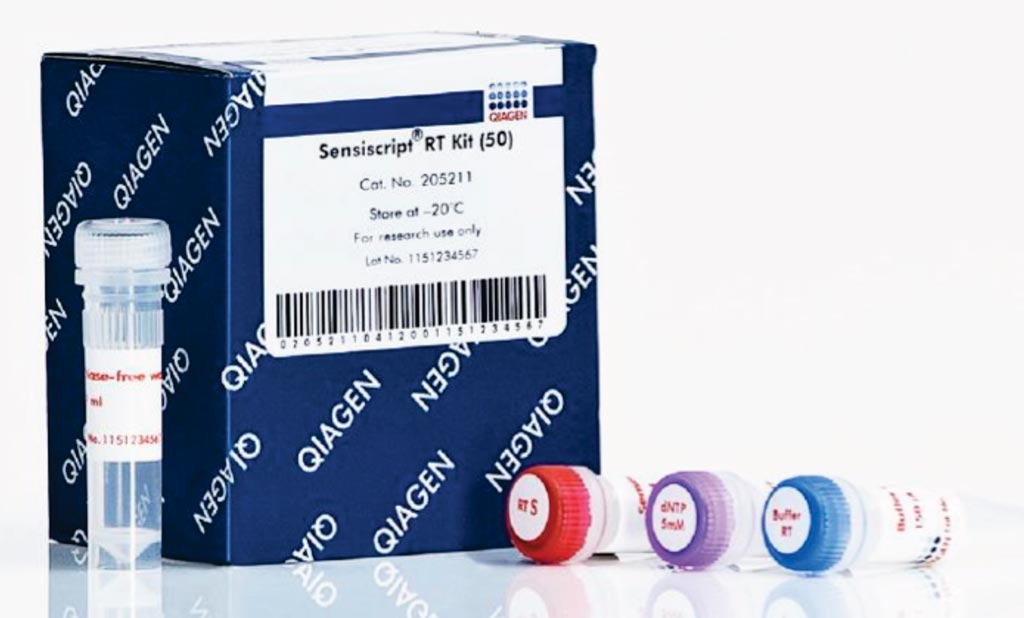
Набор для обратной транскрипции Sensiscript, использующий очень небольшое количество РНК, идеально подходит для случаев применения, требующих высокой чувствительности (фото любезно предоставлено Qiagen).
Колоректальный рак (КРР) является третьим наиболее часто диагностируемым онкологическим заболеванием и третьей ведущей причиной смертности от рака у мужчин и женщин в США. Патогенные переносчики, которые регулируют опухолевый генез КРР, могли бы стать подходящими биомаркерами для предсказания прогноза лечения, рецидива заболевания и реакции на терапию, что позволит улучшить лечение пациентов с КРР.
Лечение КРР становится все более персонализированным и определяется сочетанием клинических, опухолевых и молекулярных характеристик. Протоонкоген β-катенин вызывает онкогенез колоректального рака, Casitas B-lineage lymphoma (c-Cbl) замедляет рост опухоли КРР путем направления ядерного β-катенина с помощью слабоизученного механизма. Кроме того, роль c-Cbl в КРР человека также остается в значительной степени недостаточно изученной.
Ученые из Школы медицины Бостонского университета (Бостон, штат Массачусетс, США) оценили ретроспективное одноцентровое наблюдательное когортное исследование 72 пациентов с IV стадией КРР на основании доступных образцов опухолевых тканей для анализа; отобранные пациенты проходили лечение в период с 1 января 2004 года до 31 декабря 2014 года. Команда получила неокрашенные 6-миллиметровые парафинированные срезы, которые были обработаны и исследованы. Для оценки экспрессии c-Cbl в образцах КРР человека был разработан процесс сегментации окрашенных изображений.
Ученые использовали в своих исследованиях вестерн-блоттинг, клеточную культуру, антитела, in vitro анализ ангиогенеза, анализ убиквитинирования, иммуноферментный анализ для фактора роста эндотелия сосудов (VEGF), а также анализ образования сфероидов. Мини-набор RNeasy использовался для экстракции полной РНК из клеток НТ-29, которые выделяли различные структуры. Исследователи использовали набор обратной транскрипции Qiagen Sensiscript, а затем RT-PCR с применением предварительно проверенных праймеров от человека AXIN2, MYC и VEGF, а также SYBRgreen.
Команда использовала новый количественный гистопатологический метод, чтобы продемонстрировать, что пациенты с опухолями, экспрессирующими высокие уровни c-Cbl, имели значительно лучшую медианную выживаемость (3,7 года), по сравнению с низкими показателями экспрессирования c-Cbl (1,8 года), а также, по сравнению с такими показателями, имели более чем в два раза большую вероятность выжить в течение трех лет. Было продемонстрировано, что регулирование посредством c-Cbl ядерного β-катенина требует фосфорилирования c-Cbl Tyr371, поскольку его мутация ставит под угрозу его способность нацеливаться на β-катенин. Мутантная форма тирозина 371 (Y371H) взаимодействовала с ядерным β-катенином, но не смогла его убиквитинировать. Ядерная локализация мутантного c-Cbl-Y371H способствовала его доминирующему отрицательному воздействию на ядерный β-катенин.
Авторы пришли к выводу, что ассоциация опухолевых уровней c-Cbl и общей выживаемости пациентов с метастатическим КРК усиливает роль c-Cbl как отрицательного регулятора роста опухоли КРК. Эти данные демонстрируют передачу сигналов Wnt/β-катенина как потенциального медиатора последующих эффектов CBL-мутации при c.1111T> C (p.371Y> H) и подтверждают наличие молекулярных особенностей c-Cbl, которые имеют решающее значение для его воздействия на ядерный β-катенин. Исследование было опубликовано 17 июля 2018 года в American Journal of Pathology.
Ссылки по теме:
Boston University School of Medicine




Лечение КРР становится все более персонализированным и определяется сочетанием клинических, опухолевых и молекулярных характеристик. Протоонкоген β-катенин вызывает онкогенез колоректального рака, Casitas B-lineage lymphoma (c-Cbl) замедляет рост опухоли КРР путем направления ядерного β-катенина с помощью слабоизученного механизма. Кроме того, роль c-Cbl в КРР человека также остается в значительной степени недостаточно изученной.
Ученые из Школы медицины Бостонского университета (Бостон, штат Массачусетс, США) оценили ретроспективное одноцентровое наблюдательное когортное исследование 72 пациентов с IV стадией КРР на основании доступных образцов опухолевых тканей для анализа; отобранные пациенты проходили лечение в период с 1 января 2004 года до 31 декабря 2014 года. Команда получила неокрашенные 6-миллиметровые парафинированные срезы, которые были обработаны и исследованы. Для оценки экспрессии c-Cbl в образцах КРР человека был разработан процесс сегментации окрашенных изображений.
Ученые использовали в своих исследованиях вестерн-блоттинг, клеточную культуру, антитела, in vitro анализ ангиогенеза, анализ убиквитинирования, иммуноферментный анализ для фактора роста эндотелия сосудов (VEGF), а также анализ образования сфероидов. Мини-набор RNeasy использовался для экстракции полной РНК из клеток НТ-29, которые выделяли различные структуры. Исследователи использовали набор обратной транскрипции Qiagen Sensiscript, а затем RT-PCR с применением предварительно проверенных праймеров от человека AXIN2, MYC и VEGF, а также SYBRgreen.
Команда использовала новый количественный гистопатологический метод, чтобы продемонстрировать, что пациенты с опухолями, экспрессирующими высокие уровни c-Cbl, имели значительно лучшую медианную выживаемость (3,7 года), по сравнению с низкими показателями экспрессирования c-Cbl (1,8 года), а также, по сравнению с такими показателями, имели более чем в два раза большую вероятность выжить в течение трех лет. Было продемонстрировано, что регулирование посредством c-Cbl ядерного β-катенина требует фосфорилирования c-Cbl Tyr371, поскольку его мутация ставит под угрозу его способность нацеливаться на β-катенин. Мутантная форма тирозина 371 (Y371H) взаимодействовала с ядерным β-катенином, но не смогла его убиквитинировать. Ядерная локализация мутантного c-Cbl-Y371H способствовала его доминирующему отрицательному воздействию на ядерный β-катенин.
Авторы пришли к выводу, что ассоциация опухолевых уровней c-Cbl и общей выживаемости пациентов с метастатическим КРК усиливает роль c-Cbl как отрицательного регулятора роста опухоли КРК. Эти данные демонстрируют передачу сигналов Wnt/β-катенина как потенциального медиатора последующих эффектов CBL-мутации при c.1111T> C (p.371Y> H) и подтверждают наличие молекулярных особенностей c-Cbl, которые имеют решающее значение для его воздействия на ядерный β-катенин. Исследование было опубликовано 17 июля 2018 года в American Journal of Pathology.
Ссылки по теме:
Boston University School of Medicine

Gold Member
Fibrinolysis Assay
HemosIL Fibrinolysis Assay Panel
Rapid Molecular Testing Device
FlashDetect Flash10
Human Estradiol Assay
Human Estradiol CLIA Kit
Latest Патология News
Channels
Clinical Chemistry
view channel
New PSA-Based Prognostic Model Improves Prostate Cancer Risk Assessment
Prostate cancer is the second-leading cause of cancer death among American men, and about one in eight will be diagnosed in their lifetime. Screening relies on blood levels of prostate-specific antigen... Read more
Extracellular Vesicles Linked to Heart Failure Risk in CKD Patients
Chronic kidney disease (CKD) affects more than 1 in 7 Americans and is strongly associated with cardiovascular complications, which account for more than half of deaths among people with CKD.... Read more
Molecular Diagnostics
view channel
Diagnostic Device Predicts Treatment Response for Brain Tumors Via Blood Test
Glioblastoma is one of the deadliest forms of brain cancer, largely because doctors have no reliable way to determine whether treatments are working in real time. Assessing therapeutic response currently... Read more
Blood Test Detects Early-Stage Cancers by Measuring Epigenetic Instability
Early-stage cancers are notoriously difficult to detect because molecular changes are subtle and often missed by existing screening tools. Many liquid biopsies rely on measuring absolute DNA methylation... Read more
“Lab-On-A-Disc” Device Paves Way for More Automated Liquid Biopsies
Extracellular vesicles (EVs) are tiny particles released by cells into the bloodstream that carry molecular information about a cell’s condition, including whether it is cancerous. However, EVs are highly... Read more
Blood Test Identifies Inflammatory Breast Cancer Patients at Increased Risk of Brain Metastasis
Brain metastasis is a frequent and devastating complication in patients with inflammatory breast cancer, an aggressive subtype with limited treatment options. Despite its high incidence, the biological... Read moreHematology
view channel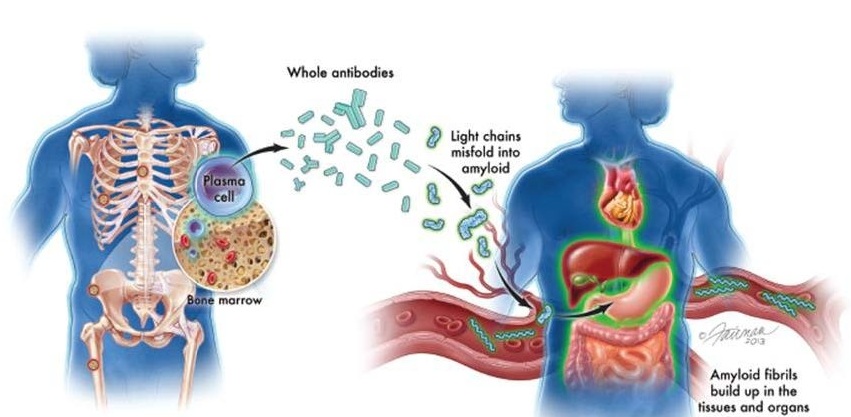
New Guidelines Aim to Improve AL Amyloidosis Diagnosis
Light chain (AL) amyloidosis is a rare, life-threatening bone marrow disorder in which abnormal amyloid proteins accumulate in organs. Approximately 3,260 people in the United States are diagnosed... Read more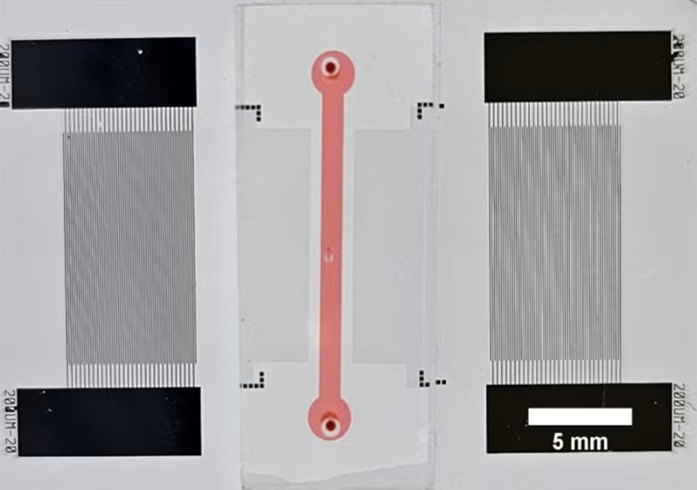
Fast and Easy Test Could Revolutionize Blood Transfusions
Blood transfusions are a cornerstone of modern medicine, yet red blood cells can deteriorate quietly while sitting in cold storage for weeks. Although blood units have a fixed expiration date, cells from... Read more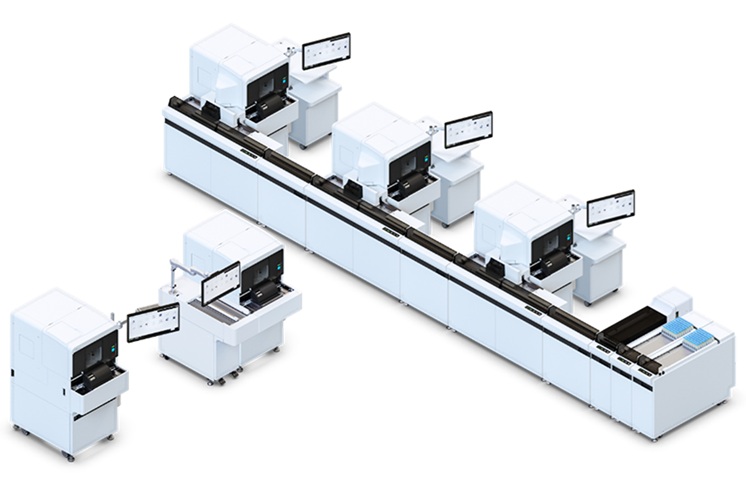
Automated Hemostasis System Helps Labs of All Sizes Optimize Workflow
High-volume hemostasis sections must sustain rapid turnaround while managing reruns and reflex testing. Manual tube handling and preanalytical checks can strain staff time and increase opportunities for error.... Read more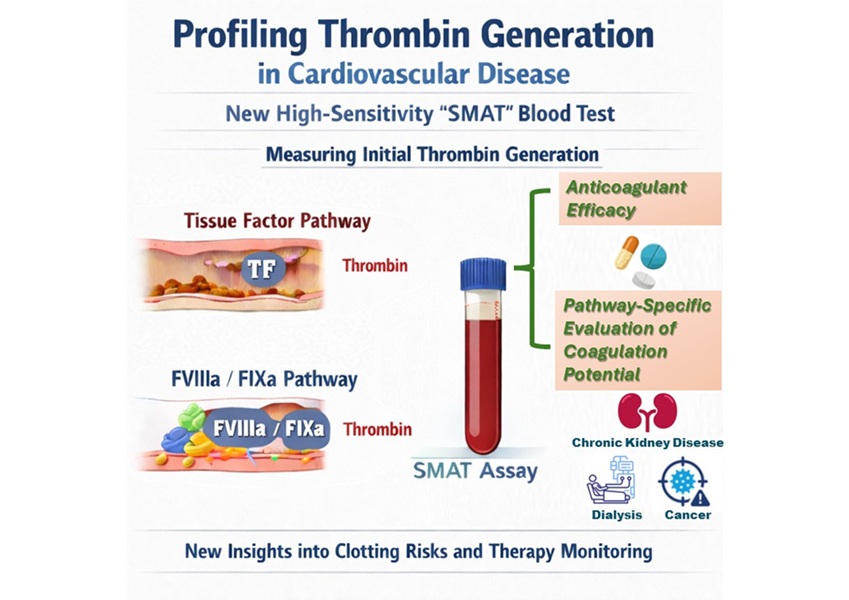
High-Sensitivity Blood Test Improves Assessment of Clotting Risk in Heart Disease Patients
Blood clotting is essential for preventing bleeding, but even small imbalances can lead to serious conditions such as thrombosis or dangerous hemorrhage. In cardiovascular disease, clinicians often struggle... Read moreImmunology
view channel
Blood Test Identifies Lung Cancer Patients Who Can Benefit from Immunotherapy Drug
Small cell lung cancer (SCLC) is an aggressive disease with limited treatment options, and even newly approved immunotherapies do not benefit all patients. While immunotherapy can extend survival for some,... Read more
Whole-Genome Sequencing Approach Identifies Cancer Patients Benefitting From PARP-Inhibitor Treatment
Targeted cancer therapies such as PARP inhibitors can be highly effective, but only for patients whose tumors carry specific DNA repair defects. Identifying these patients accurately remains challenging,... Read more
Ultrasensitive Liquid Biopsy Demonstrates Efficacy in Predicting Immunotherapy Response
Immunotherapy has transformed cancer treatment, but only a small proportion of patients experience lasting benefit, with response rates often remaining between 10% and 20%. Clinicians currently lack reliable... Read more
Microbiology
view channel
Comprehensive Review Identifies Gut Microbiome Signatures Associated With Alzheimer’s Disease
Alzheimer’s disease affects approximately 6.7 million people in the United States and nearly 50 million worldwide, yet early cognitive decline remains difficult to characterize. Increasing evidence suggests... Read more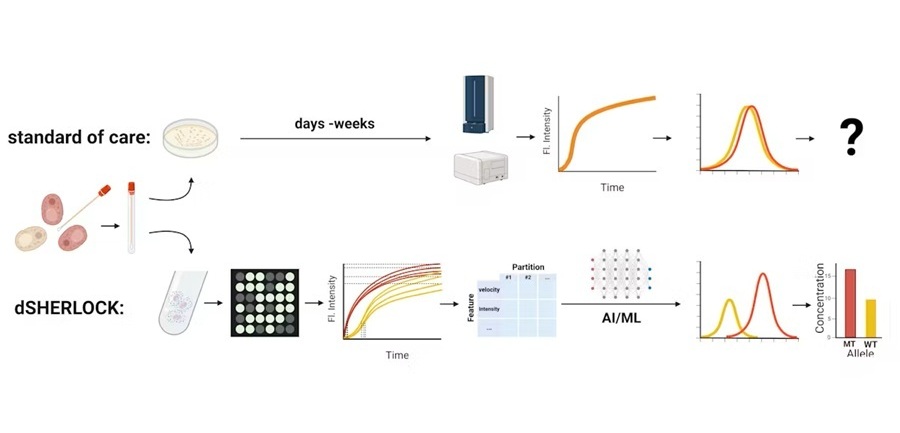
AI-Powered Platform Enables Rapid Detection of Drug-Resistant C. Auris Pathogens
Infections caused by the pathogenic yeast Candida auris pose a significant threat to hospitalized patients, particularly those with weakened immune systems or those who have invasive medical devices.... Read more

Pathology
view channel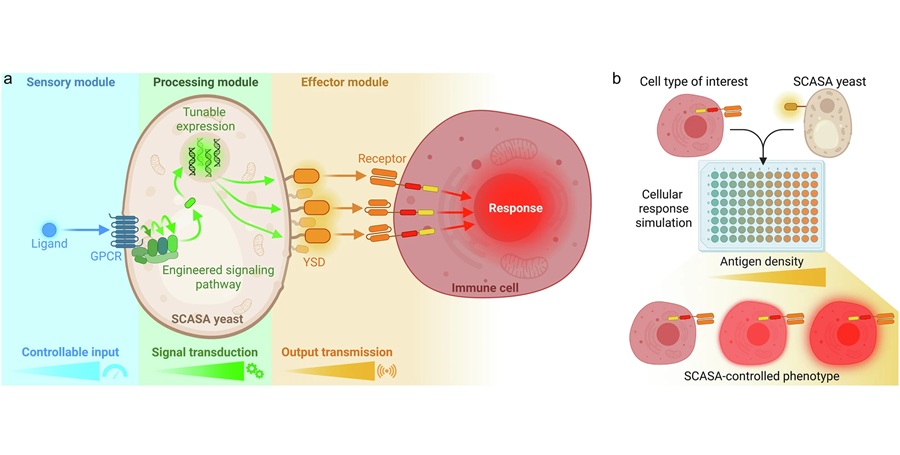
Engineered Yeast Cells Enable Rapid Testing of Cancer Immunotherapy
Developing new cancer immunotherapies is a slow, costly, and high-risk process, particularly for CAR T cell treatments that must precisely recognize cancer-specific antigens. Small differences in tumor... Read more
First-Of-Its-Kind Test Identifies Autism Risk at Birth
Autism spectrum disorder is treatable, and extensive research shows that early intervention can significantly improve cognitive, social, and behavioral outcomes. Yet in the United States, the average age... Read more
Technology
view channel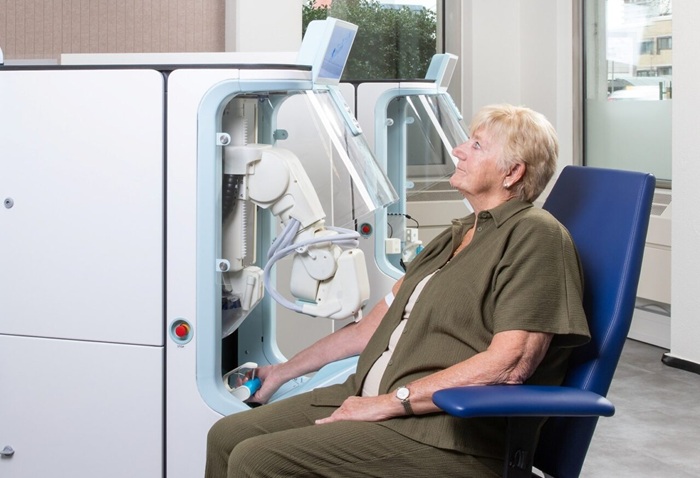
Robotic Technology Unveiled for Automated Diagnostic Blood Draws
Routine diagnostic blood collection is a high‑volume task that can strain staffing and introduce human‑dependent variability, with downstream implications for sample quality and patient experience.... Read more
ADLM Launches First-of-Its-Kind Data Science Program for Laboratory Medicine Professionals
Clinical laboratories generate billions of test results each year, creating a treasure trove of data with the potential to support more personalized testing, improve operational efficiency, and enhance patient care.... Read more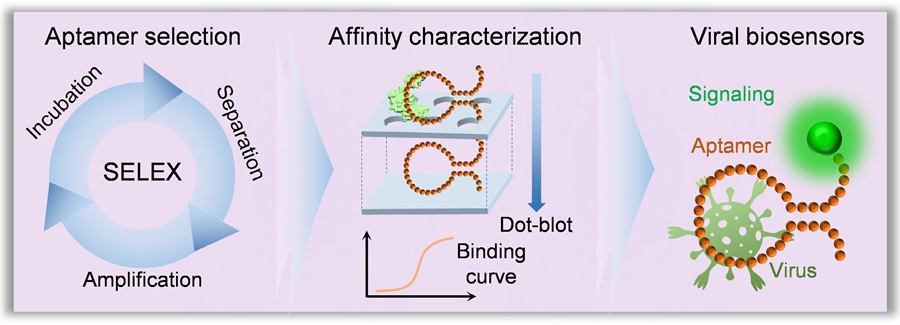
Aptamer Biosensor Technology to Transform Virus Detection
Rapid and reliable virus detection is essential for controlling outbreaks, from seasonal influenza to global pandemics such as COVID-19. Conventional diagnostic methods, including cell culture, antigen... Read more
AI Models Could Predict Pre-Eclampsia and Anemia Earlier Using Routine Blood Tests
Pre-eclampsia and anemia are major contributors to maternal and child mortality worldwide, together accounting for more than half a million deaths each year and leaving millions with long-term health complications.... Read moreIndustry
view channel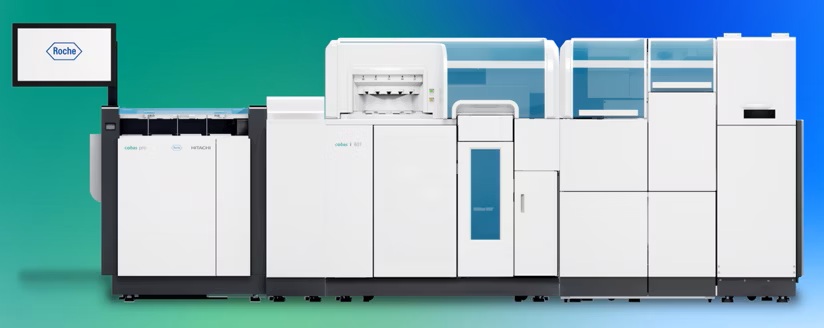
New Collaboration Brings Automated Mass Spectrometry to Routine Laboratory Testing
Mass spectrometry is a powerful analytical technique that identifies and quantifies molecules based on their mass and electrical charge. Its high selectivity, sensitivity, and accuracy make it indispensable... Read more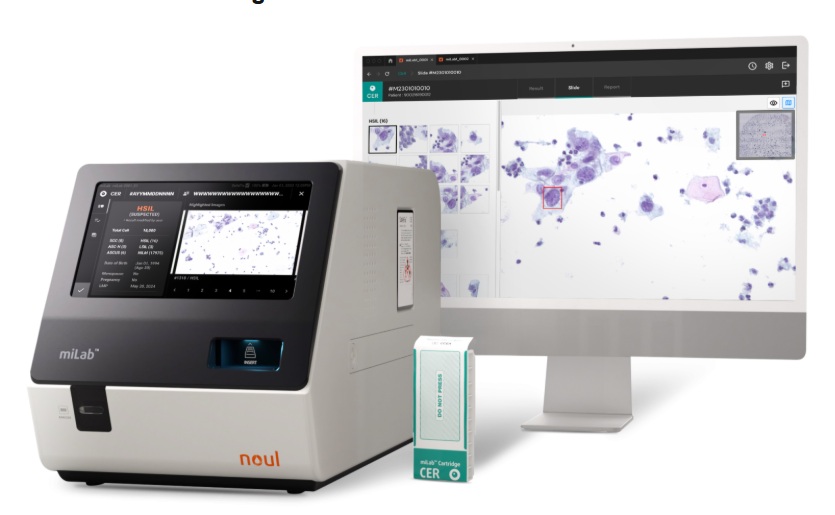
AI-Powered Cervical Cancer Test Set for Major Rollout in Latin America
Noul Co., a Korean company specializing in AI-based blood and cancer diagnostics, announced it will supply its intelligence (AI)-based miLab CER cervical cancer diagnostic solution to Mexico under a multi‑year... Read more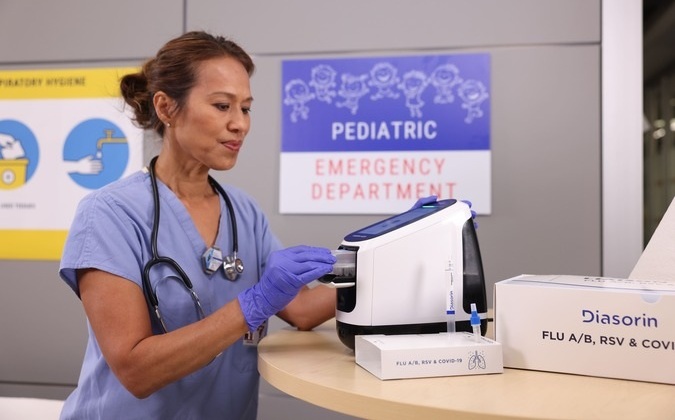
Diasorin and Fisher Scientific Enter into US Distribution Agreement for Molecular POC Platform
Diasorin (Saluggia, Italy) has entered into an exclusive distribution agreement with Fisher Scientific, part of Thermo Fisher Scientific (Waltham, MA, USA), for the LIAISON NES molecular point-of-care... Read more