Определен биомаркер на основе анализа крови для выявления скрытой травмы головного мозга
|
By LabMedica International staff writers Posted on 14 Jun 2018 |


|
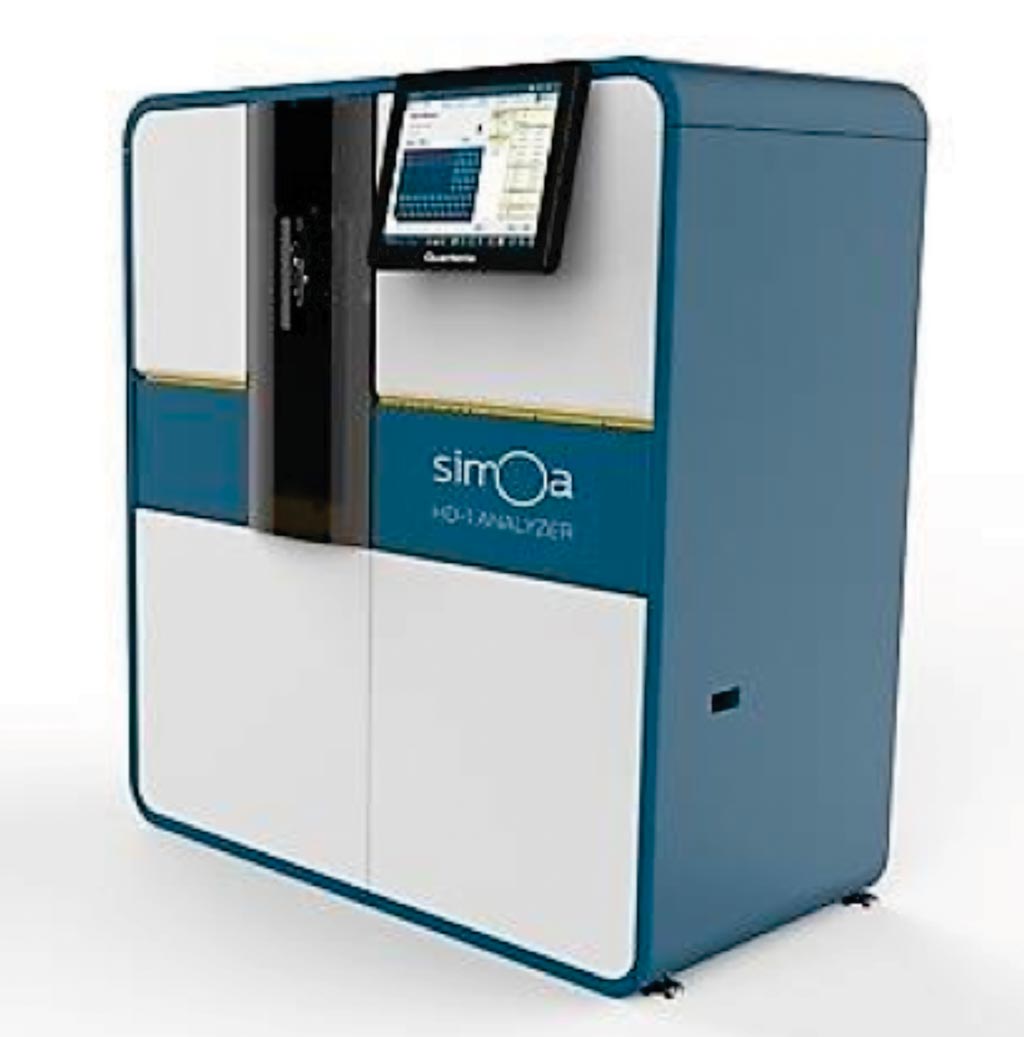
Simoa 2.0, ультрачувствительная платформа для иммуноанализа, используемая для измерения тау-белка плазмы и сывороточного NfL (фото любезно предоставлено Quanterix).
Высокочувствительный анализ крови поможет определить, когда хоккеистам, пережившим сотрясение мозга, можно безопасно вернуться к игре. Тест выявляет надежный биомаркер на основе крови для оценки скрытой черепно-мозговой травмы.
В исследовании проводилось сравнение легких белков нейрофиламентов (NfL) и тау-белков в качестве биомаркеров на основе крови для выявления острого сотрясения мозга при занятиях спортом (СС) и определялось, связаны ли их концентрации в разные моменты времени после травмы с более продолжительным временем возвращения к игре (ВКИ).
Нейробиологи из Академии Салгренска (Sahlgrenska Academy, Гётеборг, Швеция) исследовали 288 хоккеистов, из которых 105 пострадали от сотрясения мозга в течение трех сезонов с 2012 по 2015 годы. У 87 из этих игроков образцы крови были взяты через 1, 12, 36 и 144 часа (шесть дней) после сотрясения мозга. Пятый образец брался в то время, когда человек был признан пригодным для возвращения к соревнованиям без ограничений.
Уровни тау-белка в плазме и сывороточного NfL измерялись с помощью коммерчески доступных иммунологических анализов с использованием технологии цифровых матриц. Образцы для S100 кальциево-связывающего белка B (S100B) и нейрон-специфической энолазы (NSE) были проанализированы на приборе Modular E170. Предел обнаружения при анализе NfL составляет 0,29 пг/мл, что означает примерно в 100 раз большую чувствительность, чем при обычном анализе белка, тогда как предел обнаружения для тау составляет 0,02 пг/мл, что означает более чем в 1000 раз большую чувствительность, чем в обычных иммуноанализах на белок.
Результаты показывают, что были такие уровни легких белков нейрофиламентов (NfL), которые имели самую явную связь с тяжестью сотрясения мозга, измеряемого как количество дней, которое потребовалось игрокам для возвращения в игру. Уровни других исследованных биомаркеров (тау, S100B и NSE) быстро уменьшались и, таким образом, не могли указать, каким было состояние травмированных игроков через 7-10 дней – момент, когда многие игроки, участвующие в исследовании, вернулись к игре.
Авторы пришли к выводу, что уровни сывороточного NfL превосходят уровни тау, S100B и NSE в качестве биомаркера СС. С клинической точки зрения, сывороточный NfL может быть полезен для идентификации лиц, подверженных риску длительного PCS, и может помочь в принятии решений, опирающихся на биомаркеры, в отношении того, когда следует учитывать ВКИ. Пуштун Шахим (Pashtun Shahim), доктор медицины, доктор философии, ведущий автор исследования, говорит: “Сильной стороной этого исследования является то, что мы в течение длительного времени следили за тем, как эти биомаркеры вырабатываются и удаляются из крови. Мы наблюдали, что NfL вырабатывался через час после сотрясения мозга, а затем его уровень с течением времени увеличивался у игроков с длительными симптомами”. Исследование было опубликовано 13 апреля 2018 года в журнале Neurology.
Ссылки по теме:
Sahlgrenska Academy



В исследовании проводилось сравнение легких белков нейрофиламентов (NfL) и тау-белков в качестве биомаркеров на основе крови для выявления острого сотрясения мозга при занятиях спортом (СС) и определялось, связаны ли их концентрации в разные моменты времени после травмы с более продолжительным временем возвращения к игре (ВКИ).
Нейробиологи из Академии Салгренска (Sahlgrenska Academy, Гётеборг, Швеция) исследовали 288 хоккеистов, из которых 105 пострадали от сотрясения мозга в течение трех сезонов с 2012 по 2015 годы. У 87 из этих игроков образцы крови были взяты через 1, 12, 36 и 144 часа (шесть дней) после сотрясения мозга. Пятый образец брался в то время, когда человек был признан пригодным для возвращения к соревнованиям без ограничений.
Уровни тау-белка в плазме и сывороточного NfL измерялись с помощью коммерчески доступных иммунологических анализов с использованием технологии цифровых матриц. Образцы для S100 кальциево-связывающего белка B (S100B) и нейрон-специфической энолазы (NSE) были проанализированы на приборе Modular E170. Предел обнаружения при анализе NfL составляет 0,29 пг/мл, что означает примерно в 100 раз большую чувствительность, чем при обычном анализе белка, тогда как предел обнаружения для тау составляет 0,02 пг/мл, что означает более чем в 1000 раз большую чувствительность, чем в обычных иммуноанализах на белок.
Результаты показывают, что были такие уровни легких белков нейрофиламентов (NfL), которые имели самую явную связь с тяжестью сотрясения мозга, измеряемого как количество дней, которое потребовалось игрокам для возвращения в игру. Уровни других исследованных биомаркеров (тау, S100B и NSE) быстро уменьшались и, таким образом, не могли указать, каким было состояние травмированных игроков через 7-10 дней – момент, когда многие игроки, участвующие в исследовании, вернулись к игре.
Авторы пришли к выводу, что уровни сывороточного NfL превосходят уровни тау, S100B и NSE в качестве биомаркера СС. С клинической точки зрения, сывороточный NfL может быть полезен для идентификации лиц, подверженных риску длительного PCS, и может помочь в принятии решений, опирающихся на биомаркеры, в отношении того, когда следует учитывать ВКИ. Пуштун Шахим (Pashtun Shahim), доктор медицины, доктор философии, ведущий автор исследования, говорит: “Сильной стороной этого исследования является то, что мы в течение длительного времени следили за тем, как эти биомаркеры вырабатываются и удаляются из крови. Мы наблюдали, что NfL вырабатывался через час после сотрясения мозга, а затем его уровень с течением времени увеличивался у игроков с длительными симптомами”. Исследование было опубликовано 13 апреля 2018 года в журнале Neurology.
Ссылки по теме:
Sahlgrenska Academy

Gold Member
Immunochromatographic Assay
CRYPTO Cassette
Automated MALDI-TOF MS System
EXS 3000
Gram-Negative Blood Culture Assay
LIAISON PLEX Gram-Negative Blood Culture Assay
Latest Иммунология News
Channels
Clinical Chemistry
view channel
New PSA-Based Prognostic Model Improves Prostate Cancer Risk Assessment
Prostate cancer is the second-leading cause of cancer death among American men, and about one in eight will be diagnosed in their lifetime. Screening relies on blood levels of prostate-specific antigen... Read more
Extracellular Vesicles Linked to Heart Failure Risk in CKD Patients
Chronic kidney disease (CKD) affects more than 1 in 7 Americans and is strongly associated with cardiovascular complications, which account for more than half of deaths among people with CKD.... Read more
Molecular Diagnostics
view channel
Diagnostic Device Predicts Treatment Response for Brain Tumors Via Blood Test
Glioblastoma is one of the deadliest forms of brain cancer, largely because doctors have no reliable way to determine whether treatments are working in real time. Assessing therapeutic response currently... Read more
Blood Test Detects Early-Stage Cancers by Measuring Epigenetic Instability
Early-stage cancers are notoriously difficult to detect because molecular changes are subtle and often missed by existing screening tools. Many liquid biopsies rely on measuring absolute DNA methylation... Read more
“Lab-On-A-Disc” Device Paves Way for More Automated Liquid Biopsies
Extracellular vesicles (EVs) are tiny particles released by cells into the bloodstream that carry molecular information about a cell’s condition, including whether it is cancerous. However, EVs are highly... Read more
Blood Test Identifies Inflammatory Breast Cancer Patients at Increased Risk of Brain Metastasis
Brain metastasis is a frequent and devastating complication in patients with inflammatory breast cancer, an aggressive subtype with limited treatment options. Despite its high incidence, the biological... Read moreHematology
view channel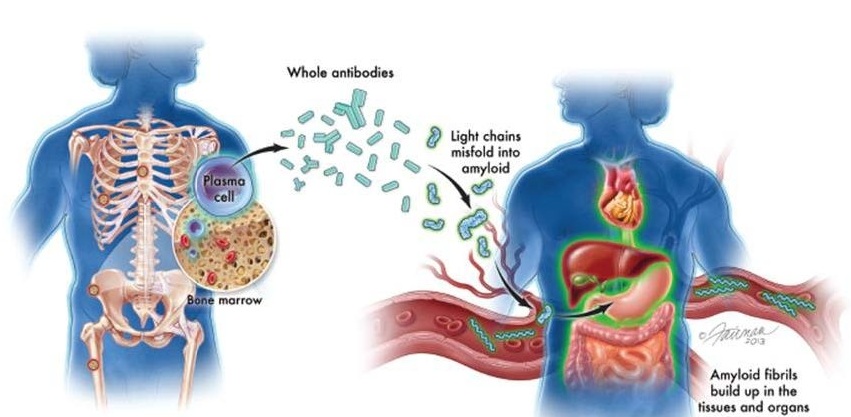
New Guidelines Aim to Improve AL Amyloidosis Diagnosis
Light chain (AL) amyloidosis is a rare, life-threatening bone marrow disorder in which abnormal amyloid proteins accumulate in organs. Approximately 3,260 people in the United States are diagnosed... Read more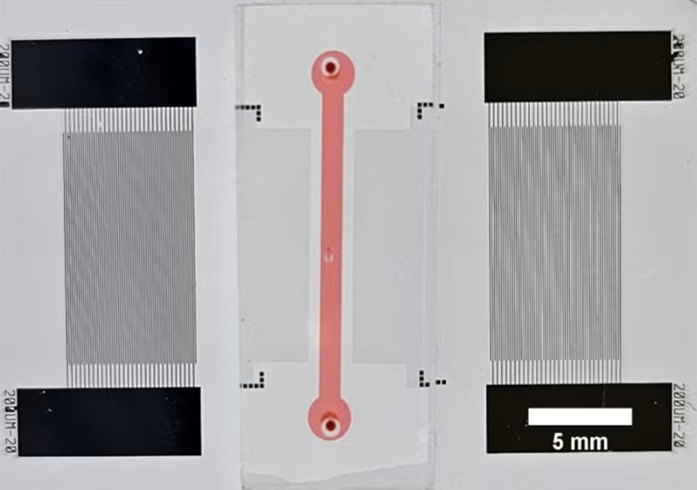
Fast and Easy Test Could Revolutionize Blood Transfusions
Blood transfusions are a cornerstone of modern medicine, yet red blood cells can deteriorate quietly while sitting in cold storage for weeks. Although blood units have a fixed expiration date, cells from... Read more
Automated Hemostasis System Helps Labs of All Sizes Optimize Workflow
High-volume hemostasis sections must sustain rapid turnaround while managing reruns and reflex testing. Manual tube handling and preanalytical checks can strain staff time and increase opportunities for error.... Read more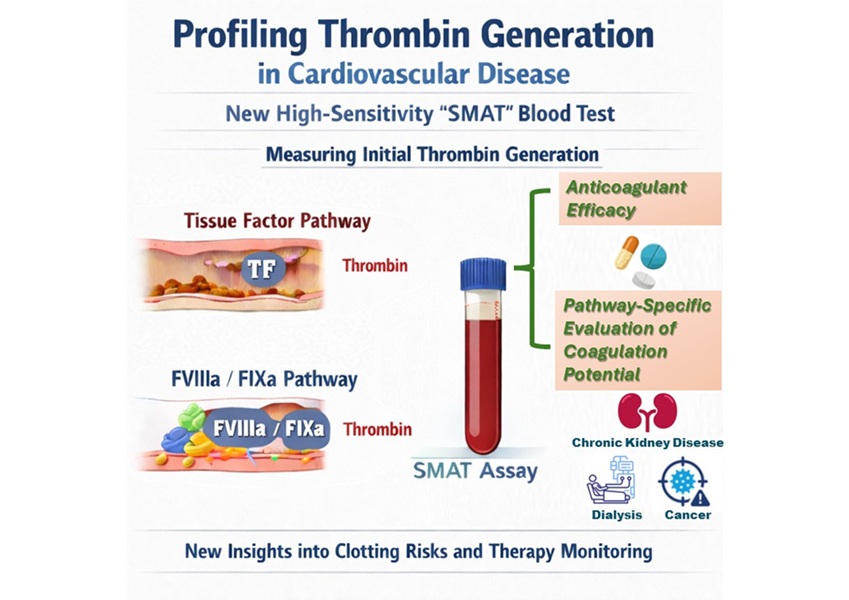
High-Sensitivity Blood Test Improves Assessment of Clotting Risk in Heart Disease Patients
Blood clotting is essential for preventing bleeding, but even small imbalances can lead to serious conditions such as thrombosis or dangerous hemorrhage. In cardiovascular disease, clinicians often struggle... Read moreImmunology
view channel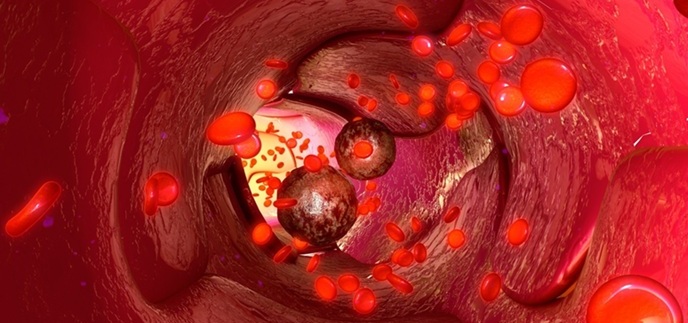
Blood Test Identifies Lung Cancer Patients Who Can Benefit from Immunotherapy Drug
Small cell lung cancer (SCLC) is an aggressive disease with limited treatment options, and even newly approved immunotherapies do not benefit all patients. While immunotherapy can extend survival for some,... Read more
Whole-Genome Sequencing Approach Identifies Cancer Patients Benefitting From PARP-Inhibitor Treatment
Targeted cancer therapies such as PARP inhibitors can be highly effective, but only for patients whose tumors carry specific DNA repair defects. Identifying these patients accurately remains challenging,... Read more
Ultrasensitive Liquid Biopsy Demonstrates Efficacy in Predicting Immunotherapy Response
Immunotherapy has transformed cancer treatment, but only a small proportion of patients experience lasting benefit, with response rates often remaining between 10% and 20%. Clinicians currently lack reliable... Read more
Microbiology
view channel
Comprehensive Review Identifies Gut Microbiome Signatures Associated With Alzheimer’s Disease
Alzheimer’s disease affects approximately 6.7 million people in the United States and nearly 50 million worldwide, yet early cognitive decline remains difficult to characterize. Increasing evidence suggests... Read more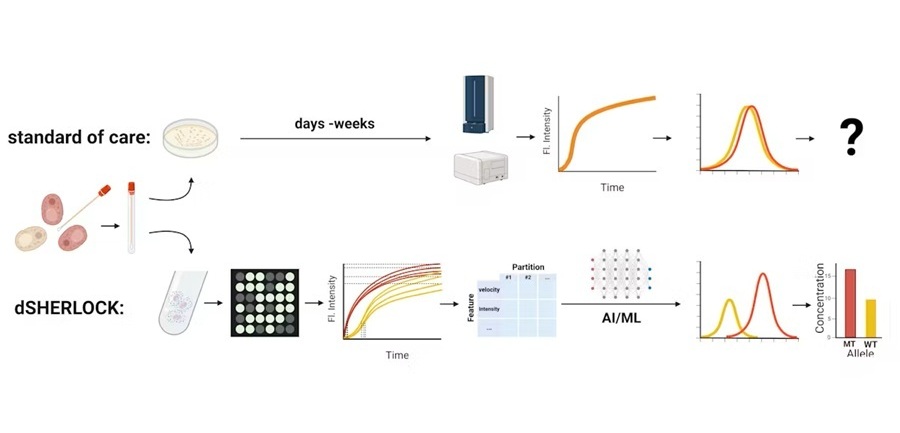
AI-Powered Platform Enables Rapid Detection of Drug-Resistant C. Auris Pathogens
Infections caused by the pathogenic yeast Candida auris pose a significant threat to hospitalized patients, particularly those with weakened immune systems or those who have invasive medical devices.... Read more

Pathology
view channel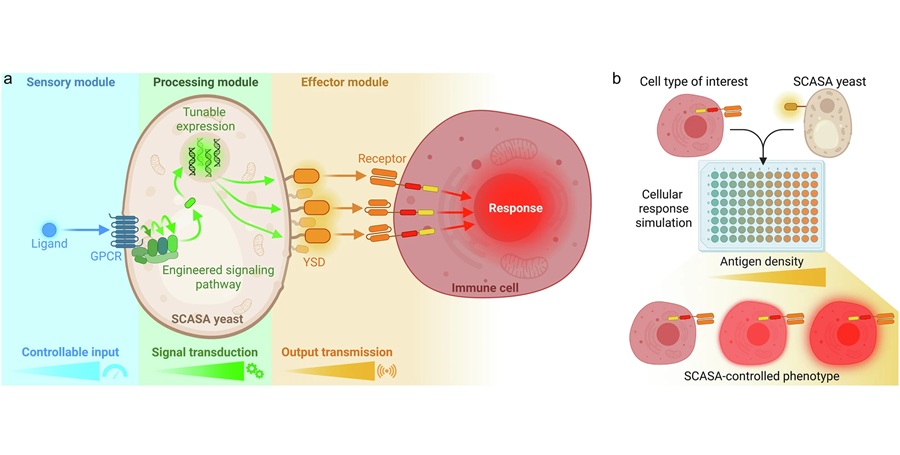
Engineered Yeast Cells Enable Rapid Testing of Cancer Immunotherapy
Developing new cancer immunotherapies is a slow, costly, and high-risk process, particularly for CAR T cell treatments that must precisely recognize cancer-specific antigens. Small differences in tumor... Read more
First-Of-Its-Kind Test Identifies Autism Risk at Birth
Autism spectrum disorder is treatable, and extensive research shows that early intervention can significantly improve cognitive, social, and behavioral outcomes. Yet in the United States, the average age... Read more
Technology
view channel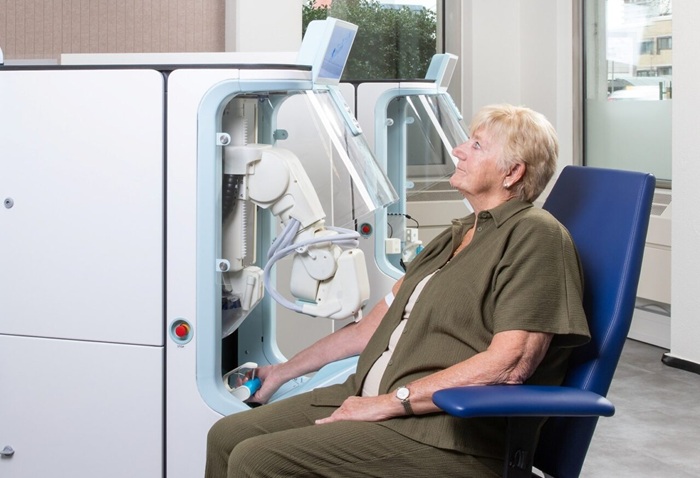
Robotic Technology Unveiled for Automated Diagnostic Blood Draws
Routine diagnostic blood collection is a high‑volume task that can strain staffing and introduce human‑dependent variability, with downstream implications for sample quality and patient experience.... Read more
ADLM Launches First-of-Its-Kind Data Science Program for Laboratory Medicine Professionals
Clinical laboratories generate billions of test results each year, creating a treasure trove of data with the potential to support more personalized testing, improve operational efficiency, and enhance patient care.... Read more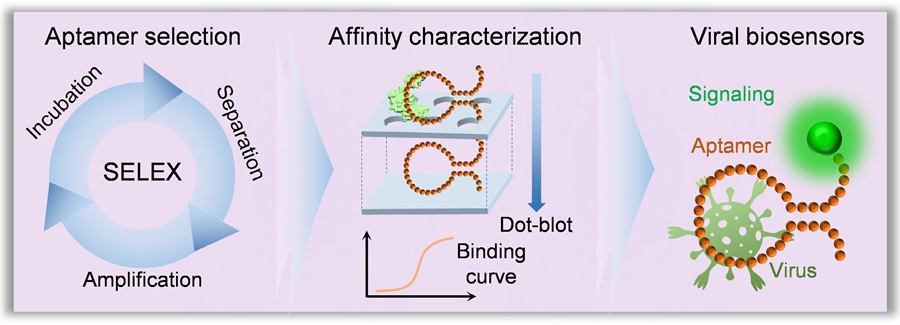
Aptamer Biosensor Technology to Transform Virus Detection
Rapid and reliable virus detection is essential for controlling outbreaks, from seasonal influenza to global pandemics such as COVID-19. Conventional diagnostic methods, including cell culture, antigen... Read more
AI Models Could Predict Pre-Eclampsia and Anemia Earlier Using Routine Blood Tests
Pre-eclampsia and anemia are major contributors to maternal and child mortality worldwide, together accounting for more than half a million deaths each year and leaving millions with long-term health complications.... Read moreIndustry
view channel
New Collaboration Brings Automated Mass Spectrometry to Routine Laboratory Testing
Mass spectrometry is a powerful analytical technique that identifies and quantifies molecules based on their mass and electrical charge. Its high selectivity, sensitivity, and accuracy make it indispensable... Read more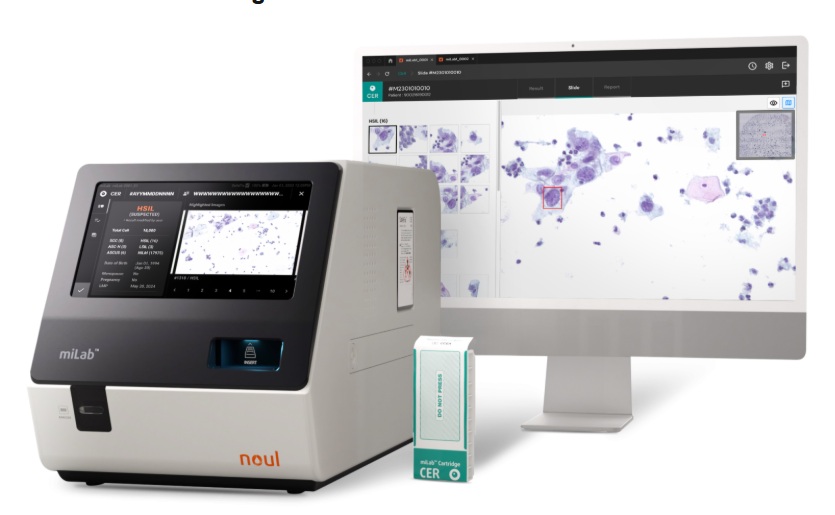
AI-Powered Cervical Cancer Test Set for Major Rollout in Latin America
Noul Co., a Korean company specializing in AI-based blood and cancer diagnostics, announced it will supply its intelligence (AI)-based miLab CER cervical cancer diagnostic solution to Mexico under a multi‑year... Read more
Diasorin and Fisher Scientific Enter into US Distribution Agreement for Molecular POC Platform
Diasorin (Saluggia, Italy) has entered into an exclusive distribution agreement with Fisher Scientific, part of Thermo Fisher Scientific (Waltham, MA, USA), for the LIAISON NES molecular point-of-care... Read more