使检测率翻倍的遗传性乳腺癌检验产品
|
By LabMedica International staff writers Posted on 04 Jun 2018 |


|

图片:显微图像中紫色的乳腺癌细胞被粉红色的健康组织包绕(图片蒙国家卫生研究所惠赐)。
对刚诊断出癌症的患者进行种系基因检验有望通过后续预防和靶向疗法减轻疾病负担。先决条件是理解对于刚诊断出癌症的患者如何把基因检验集成到实践中,并理解结果对治疗决策的影响。
随着临床全基因组测序日益可行,关键是理解基因检验的普及对医疗实践和病人体验的意义。然而社区实践中多基因测序的接受程度、结果或后果几乎不为人知。
美国加利福尼亚州斯坦福大学(www.stanford.edu)率领来自多家单位的科学家调查了一项基于群体的回顾性队列研究,受试者是2013年1月至2015年12月期间诊断出乳腺癌的5,080名患者,她们是从佐治亚州和加利福尼亚州洛杉矶市的监控、流行病和最终结果(SEER)数据库中获得,回应率是70%。病人的种族构成多样,包括51%白人、18%黑人、19%拉丁裔、9%亚裔好2.5%未知种族的病人。
由四家实验室执行检验:美国加利福尼亚州亚里索维耶荷的Ambry Genetics (www.ambrygen.com);美国马里兰州盖瑟斯堡的GeneDx (www.genedx.com);旧金山的Invitae (www.invitae.com);还有美国犹他州盐湖城的Myriad Genetics (https://myriad.com)。结果与SEER临床数据与调查回应相结合。检验从仅用BRCA1/2换成多基因组合:开始时多基因测序占25.6 %,BRCA1/2检验占74.4%,结束时变成多基因组合占66.5%,BRCA1/2检验占33.5%。
检测到接受多基因测序患者体内致病变异的几率是只分析其BRCA1和BRCA2患者的两倍,对这样的变异,指导意见建议改变治疗方法。这些变异出现在多条基因中,包括CHEK2、ATM、PALB2、APC、BRIP1、PMS2和RAD51C。然而,接受多基因检验者的意义不明变异(VUS)频度也是原来的十倍;约30%的人发生一次,而仅接受BRCA1/2检验者VUS率只有3%。对某些人群来说尤其如此:例如,接受多基因组合检验的亚洲患者51%有VUS,黑人患者这一比例为45%。
该研究的论文发表于2018年5月10日的《JAMA》杂志《肿瘤学》分册。作者总结说,多基因测序迅速取代了BRCA1/2检验,用于社区的乳腺癌患者,并使临床相关致病变异的检测率提高了一倍,且未造成更多的预防性乳腺切除术。然而,改进多基因测序的临床效用的重要目标包括术后延迟与意义不明变异的种族/民族差异。
斯坦福大学>>> www.stanford.edu
Ambry Genetics >>> www.ambrygen.com
GeneDx >>> www.genedx.com
Invitae >>> www.invitae.com
Myriad Genetics >>> https://myriad.com

New
Gold Member

Clinical Drug Testing Panel
DOA Urine MultiPlex


6 Part Hematology Analyzer with RET + IPF
Mispa HX 88

Alcohol Testing Device
Dräger Alcotest 7000
Latest 分子诊断 News
Channels
Clinical Chemistry
view channel
New PSA-Based Prognostic Model Improves Prostate Cancer Risk Assessment
Prostate cancer is the second-leading cause of cancer death among American men, and about one in eight will be diagnosed in their lifetime. Screening relies on blood levels of prostate-specific antigen... Read more
Extracellular Vesicles Linked to Heart Failure Risk in CKD Patients
Chronic kidney disease (CKD) affects more than 1 in 7 Americans and is strongly associated with cardiovascular complications, which account for more than half of deaths among people with CKD.... Read more

Molecular Diagnostics
view channel
Diagnostic Device Predicts Treatment Response for Brain Tumors Via Blood Test
Glioblastoma is one of the deadliest forms of brain cancer, largely because doctors have no reliable way to determine whether treatments are working in real time. Assessing therapeutic response currently... Read more
Blood Test Detects Early-Stage Cancers by Measuring Epigenetic Instability
Early-stage cancers are notoriously difficult to detect because molecular changes are subtle and often missed by existing screening tools. Many liquid biopsies rely on measuring absolute DNA methylation... Read more
“Lab-On-A-Disc” Device Paves Way for More Automated Liquid Biopsies
Extracellular vesicles (EVs) are tiny particles released by cells into the bloodstream that carry molecular information about a cell’s condition, including whether it is cancerous. However, EVs are highly... Read more
Blood Test Identifies Inflammatory Breast Cancer Patients at Increased Risk of Brain Metastasis
Brain metastasis is a frequent and devastating complication in patients with inflammatory breast cancer, an aggressive subtype with limited treatment options. Despite its high incidence, the biological... Read moreHematology
view channel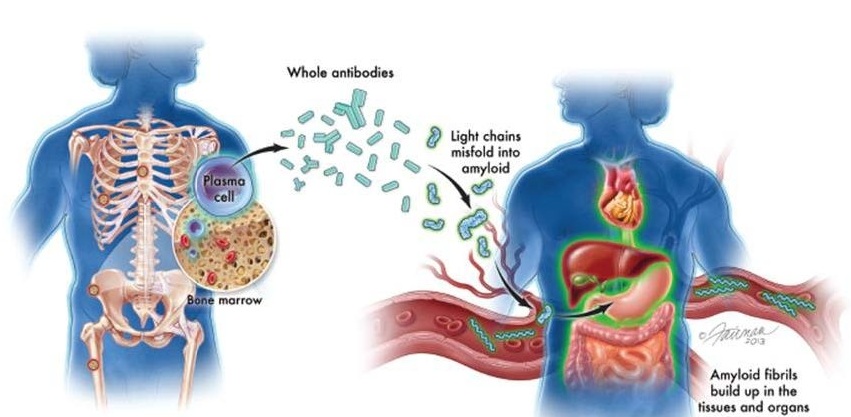
New Guidelines Aim to Improve AL Amyloidosis Diagnosis
Light chain (AL) amyloidosis is a rare, life-threatening bone marrow disorder in which abnormal amyloid proteins accumulate in organs. Approximately 3,260 people in the United States are diagnosed... Read more
Fast and Easy Test Could Revolutionize Blood Transfusions
Blood transfusions are a cornerstone of modern medicine, yet red blood cells can deteriorate quietly while sitting in cold storage for weeks. Although blood units have a fixed expiration date, cells from... Read more
Automated Hemostasis System Helps Labs of All Sizes Optimize Workflow
High-volume hemostasis sections must sustain rapid turnaround while managing reruns and reflex testing. Manual tube handling and preanalytical checks can strain staff time and increase opportunities for error.... Read more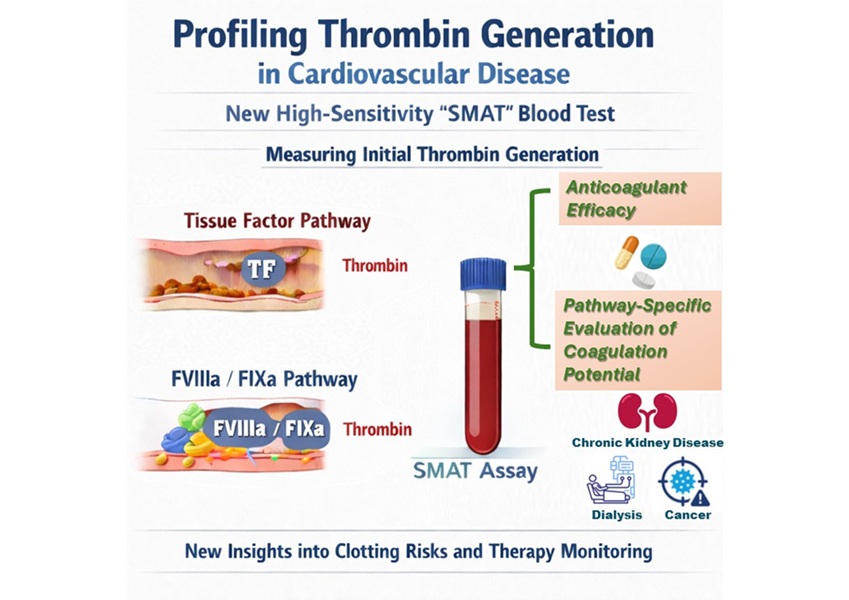
High-Sensitivity Blood Test Improves Assessment of Clotting Risk in Heart Disease Patients
Blood clotting is essential for preventing bleeding, but even small imbalances can lead to serious conditions such as thrombosis or dangerous hemorrhage. In cardiovascular disease, clinicians often struggle... Read moreImmunology
view channel
Blood Test Identifies Lung Cancer Patients Who Can Benefit from Immunotherapy Drug
Small cell lung cancer (SCLC) is an aggressive disease with limited treatment options, and even newly approved immunotherapies do not benefit all patients. While immunotherapy can extend survival for some,... Read more
Whole-Genome Sequencing Approach Identifies Cancer Patients Benefitting From PARP-Inhibitor Treatment
Targeted cancer therapies such as PARP inhibitors can be highly effective, but only for patients whose tumors carry specific DNA repair defects. Identifying these patients accurately remains challenging,... Read more
Ultrasensitive Liquid Biopsy Demonstrates Efficacy in Predicting Immunotherapy Response
Immunotherapy has transformed cancer treatment, but only a small proportion of patients experience lasting benefit, with response rates often remaining between 10% and 20%. Clinicians currently lack reliable... Read more
Microbiology
view channel
Comprehensive Review Identifies Gut Microbiome Signatures Associated With Alzheimer’s Disease
Alzheimer’s disease affects approximately 6.7 million people in the United States and nearly 50 million worldwide, yet early cognitive decline remains difficult to characterize. Increasing evidence suggests... Read more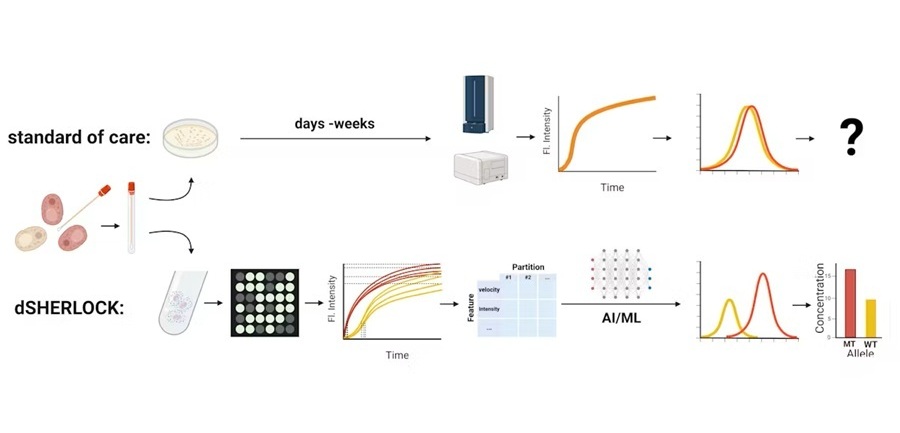
AI-Powered Platform Enables Rapid Detection of Drug-Resistant C. Auris Pathogens
Infections caused by the pathogenic yeast Candida auris pose a significant threat to hospitalized patients, particularly those with weakened immune systems or those who have invasive medical devices.... Read more

Pathology
view channel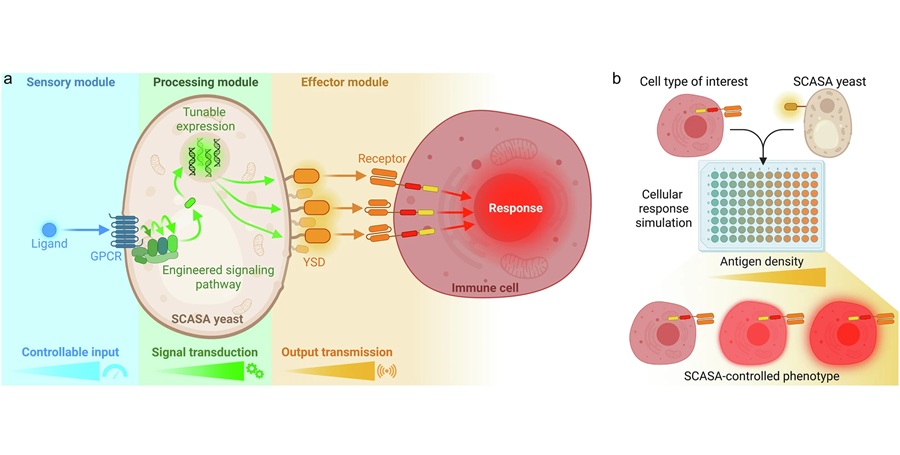
Engineered Yeast Cells Enable Rapid Testing of Cancer Immunotherapy
Developing new cancer immunotherapies is a slow, costly, and high-risk process, particularly for CAR T cell treatments that must precisely recognize cancer-specific antigens. Small differences in tumor... Read more
First-Of-Its-Kind Test Identifies Autism Risk at Birth
Autism spectrum disorder is treatable, and extensive research shows that early intervention can significantly improve cognitive, social, and behavioral outcomes. Yet in the United States, the average age... Read more

Technology
view channel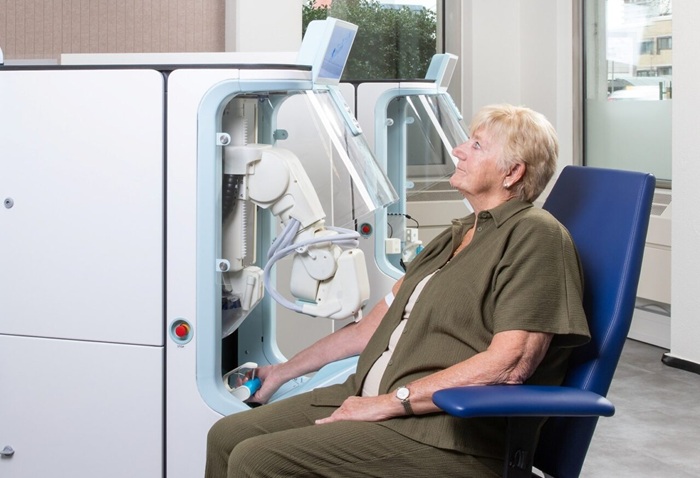
Robotic Technology Unveiled for Automated Diagnostic Blood Draws
Routine diagnostic blood collection is a high‑volume task that can strain staffing and introduce human‑dependent variability, with downstream implications for sample quality and patient experience.... Read more
ADLM Launches First-of-Its-Kind Data Science Program for Laboratory Medicine Professionals
Clinical laboratories generate billions of test results each year, creating a treasure trove of data with the potential to support more personalized testing, improve operational efficiency, and enhance patient care.... Read more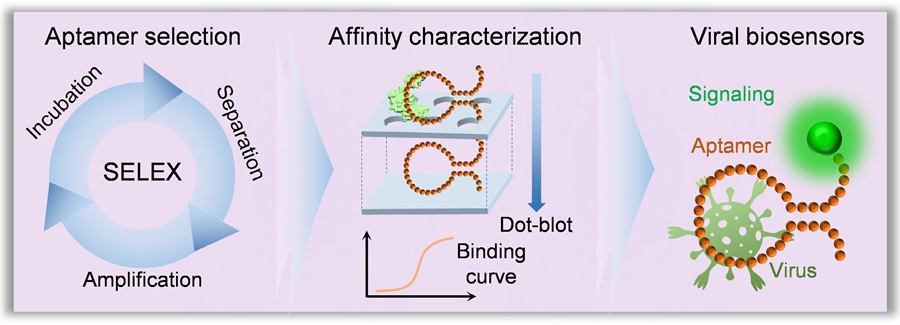
Aptamer Biosensor Technology to Transform Virus Detection
Rapid and reliable virus detection is essential for controlling outbreaks, from seasonal influenza to global pandemics such as COVID-19. Conventional diagnostic methods, including cell culture, antigen... Read more
AI Models Could Predict Pre-Eclampsia and Anemia Earlier Using Routine Blood Tests
Pre-eclampsia and anemia are major contributors to maternal and child mortality worldwide, together accounting for more than half a million deaths each year and leaving millions with long-term health complications.... Read moreIndustry
view channel
New Collaboration Brings Automated Mass Spectrometry to Routine Laboratory Testing
Mass spectrometry is a powerful analytical technique that identifies and quantifies molecules based on their mass and electrical charge. Its high selectivity, sensitivity, and accuracy make it indispensable... Read more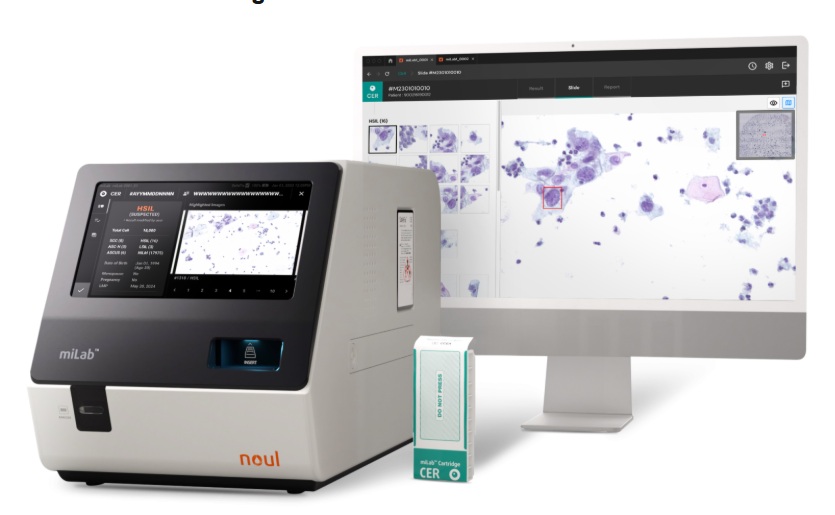
AI-Powered Cervical Cancer Test Set for Major Rollout in Latin America
Noul Co., a Korean company specializing in AI-based blood and cancer diagnostics, announced it will supply its intelligence (AI)-based miLab CER cervical cancer diagnostic solution to Mexico under a multi‑year... Read more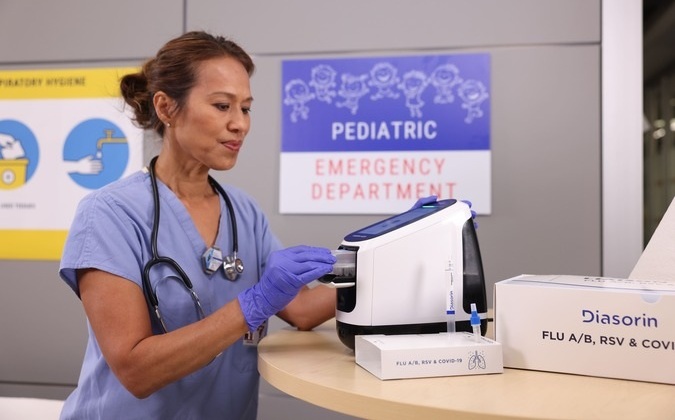
Diasorin and Fisher Scientific Enter into US Distribution Agreement for Molecular POC Platform
Diasorin (Saluggia, Italy) has entered into an exclusive distribution agreement with Fisher Scientific, part of Thermo Fisher Scientific (Waltham, MA, USA), for the LIAISON NES molecular point-of-care... Read more