研究发现严重病毒性肝炎的细胞机制
|
By LabMedica International staff writers Posted on 07 Mar 2018 |


|

图片:T调节细胞(也称 Tregs或调节性T细胞)是抑制其它细胞免疫应答的关键细胞,设计目的是限制过多的反应,防止出现自身免疫。Tregs的特征是表达CD4+、CD25+和Foxp3+,同时缺乏CD127(图片蒙BioLegend公司惠赐)。
众所周知,病毒性肝炎患者的活化免疫细胞杀灭肝细胞,但是它的调控机制尚未得到揭示。调节性T细胞(Tregs)抑制其它免疫细胞的活化,因而对于免疫系统的动态平衡非常重要。
然而,最近的研究显示的结果恰恰相反,在发炎的情况下,调节性T细胞的免疫抑制功能弱化,细胞对此的反应是分泌炎性细胞因子。同时,甲型、乙型和丙型病毒性肝炎都没观察到这一现象。
韩国大田市韩国科学技术院的医学家们分析了韩国63名急性甲肝(AHA)患者住院时(有些人是在稍后的时间点)收集的血样以及19名健康献血者的血样。收集接受肝移植时爆发急性甲肝的患者的肝组织。从全血中分离外周血单核细胞(PBMC),从肝组织中分离出淋巴细胞,用流式细胞术分析。用抗CD3和抗CD28刺激后,根据免疫荧光水平测量Treg细胞产生的细胞因子(CD4+CD25+Foxp3+)。基于DNA甲基化模式确定Treg细胞的表观遗传稳定性。
科学家在急性甲肝患者体内发现了比对照者体内比例更高的CD4+CD25+Foxp3+ Treg细胞,且在用抗CD3和抗CD28 (11.2%比2.8%)刺激时产生肿瘤坏死因子(TNF)。DNA甲基化分析证实了Treg细胞的鉴定结果。产生TNF的Treg细胞具有辅助性T17细胞的特征,包括RAR相关孤儿受体γ (RORγt)的水平上升,这样有利于产生TNF。Treg细胞的抑制功能弱于对照者。急性甲肝患者血液中产TNF Treg细胞的频度与他们血清中丙氨酸转氨酶的水平有关。
该研究的论文首先发表于2017年12月8日的《肠胃病学》(Gastroenterology)杂志的网络版。作者总结说,急性甲肝患者的Treg细胞相较健康人的Treg细胞功能已有所改变。急性甲肝患者的Treg细胞产生的TNF水平更高,获得辅助性T17细胞的特征,且抑制活性降低。这些细胞的存在与急性甲肝患者的严重肝损伤有关。论文的资深作者Eui-Cheol Shin教授说:“这项对调节性T细胞的研究首次揭示了病毒性肝炎患者体内的肝细胞损伤。它的重要意义在于将来治疗病毒性肝炎时确定用哪些细胞和分子作为靶体。”
Related Links:
韩国科学技术院





然而,最近的研究显示的结果恰恰相反,在发炎的情况下,调节性T细胞的免疫抑制功能弱化,细胞对此的反应是分泌炎性细胞因子。同时,甲型、乙型和丙型病毒性肝炎都没观察到这一现象。
韩国大田市韩国科学技术院的医学家们分析了韩国63名急性甲肝(AHA)患者住院时(有些人是在稍后的时间点)收集的血样以及19名健康献血者的血样。收集接受肝移植时爆发急性甲肝的患者的肝组织。从全血中分离外周血单核细胞(PBMC),从肝组织中分离出淋巴细胞,用流式细胞术分析。用抗CD3和抗CD28刺激后,根据免疫荧光水平测量Treg细胞产生的细胞因子(CD4+CD25+Foxp3+)。基于DNA甲基化模式确定Treg细胞的表观遗传稳定性。
科学家在急性甲肝患者体内发现了比对照者体内比例更高的CD4+CD25+Foxp3+ Treg细胞,且在用抗CD3和抗CD28 (11.2%比2.8%)刺激时产生肿瘤坏死因子(TNF)。DNA甲基化分析证实了Treg细胞的鉴定结果。产生TNF的Treg细胞具有辅助性T17细胞的特征,包括RAR相关孤儿受体γ (RORγt)的水平上升,这样有利于产生TNF。Treg细胞的抑制功能弱于对照者。急性甲肝患者血液中产TNF Treg细胞的频度与他们血清中丙氨酸转氨酶的水平有关。
该研究的论文首先发表于2017年12月8日的《肠胃病学》(Gastroenterology)杂志的网络版。作者总结说,急性甲肝患者的Treg细胞相较健康人的Treg细胞功能已有所改变。急性甲肝患者的Treg细胞产生的TNF水平更高,获得辅助性T17细胞的特征,且抑制活性降低。这些细胞的存在与急性甲肝患者的严重肝损伤有关。论文的资深作者Eui-Cheol Shin教授说:“这项对调节性T细胞的研究首次揭示了病毒性肝炎患者体内的肝细胞损伤。它的重要意义在于将来治疗病毒性肝炎时确定用哪些细胞和分子作为靶体。”
Related Links:
韩国科学技术院

Gold Member
Hybrid Pipette
SWITCH
Gel Cards
DG Gel Cards
Sample Transportation System
Tempus1800 Necto
Latest 免疫学 News
Channels
Clinical Chemistry
view channel
New PSA-Based Prognostic Model Improves Prostate Cancer Risk Assessment
Prostate cancer is the second-leading cause of cancer death among American men, and about one in eight will be diagnosed in their lifetime. Screening relies on blood levels of prostate-specific antigen... Read more
Extracellular Vesicles Linked to Heart Failure Risk in CKD Patients
Chronic kidney disease (CKD) affects more than 1 in 7 Americans and is strongly associated with cardiovascular complications, which account for more than half of deaths among people with CKD.... Read more

Molecular Diagnostics
view channel
Diagnostic Device Predicts Treatment Response for Brain Tumors Via Blood Test
Glioblastoma is one of the deadliest forms of brain cancer, largely because doctors have no reliable way to determine whether treatments are working in real time. Assessing therapeutic response currently... Read more
Blood Test Detects Early-Stage Cancers by Measuring Epigenetic Instability
Early-stage cancers are notoriously difficult to detect because molecular changes are subtle and often missed by existing screening tools. Many liquid biopsies rely on measuring absolute DNA methylation... Read more
“Lab-On-A-Disc” Device Paves Way for More Automated Liquid Biopsies
Extracellular vesicles (EVs) are tiny particles released by cells into the bloodstream that carry molecular information about a cell’s condition, including whether it is cancerous. However, EVs are highly... Read more
Blood Test Identifies Inflammatory Breast Cancer Patients at Increased Risk of Brain Metastasis
Brain metastasis is a frequent and devastating complication in patients with inflammatory breast cancer, an aggressive subtype with limited treatment options. Despite its high incidence, the biological... Read moreHematology
view channel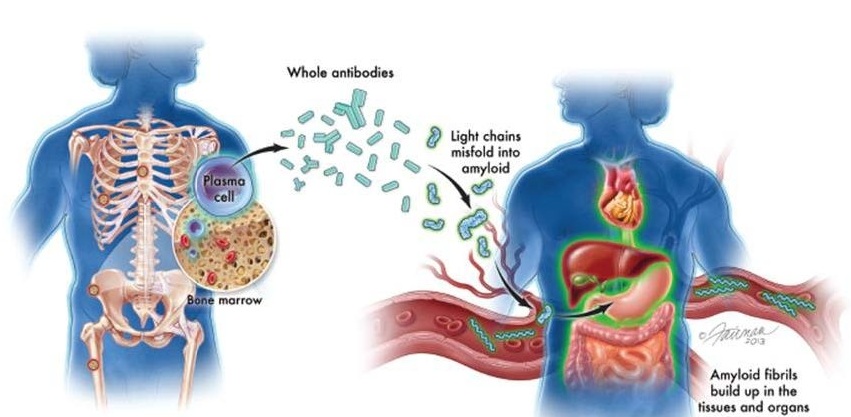
New Guidelines Aim to Improve AL Amyloidosis Diagnosis
Light chain (AL) amyloidosis is a rare, life-threatening bone marrow disorder in which abnormal amyloid proteins accumulate in organs. Approximately 3,260 people in the United States are diagnosed... Read more
Fast and Easy Test Could Revolutionize Blood Transfusions
Blood transfusions are a cornerstone of modern medicine, yet red blood cells can deteriorate quietly while sitting in cold storage for weeks. Although blood units have a fixed expiration date, cells from... Read more
Automated Hemostasis System Helps Labs of All Sizes Optimize Workflow
High-volume hemostasis sections must sustain rapid turnaround while managing reruns and reflex testing. Manual tube handling and preanalytical checks can strain staff time and increase opportunities for error.... Read more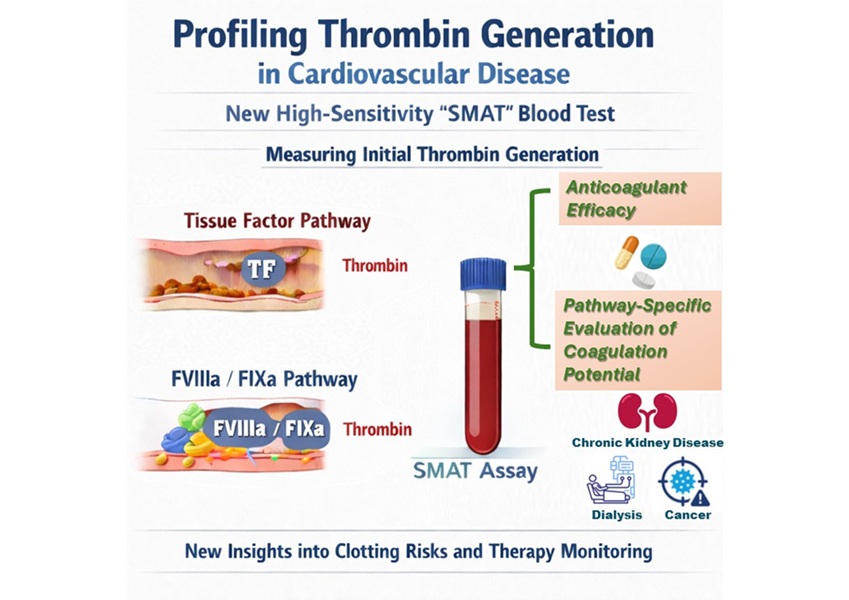
High-Sensitivity Blood Test Improves Assessment of Clotting Risk in Heart Disease Patients
Blood clotting is essential for preventing bleeding, but even small imbalances can lead to serious conditions such as thrombosis or dangerous hemorrhage. In cardiovascular disease, clinicians often struggle... Read moreImmunology
view channel
Blood Test Identifies Lung Cancer Patients Who Can Benefit from Immunotherapy Drug
Small cell lung cancer (SCLC) is an aggressive disease with limited treatment options, and even newly approved immunotherapies do not benefit all patients. While immunotherapy can extend survival for some,... Read more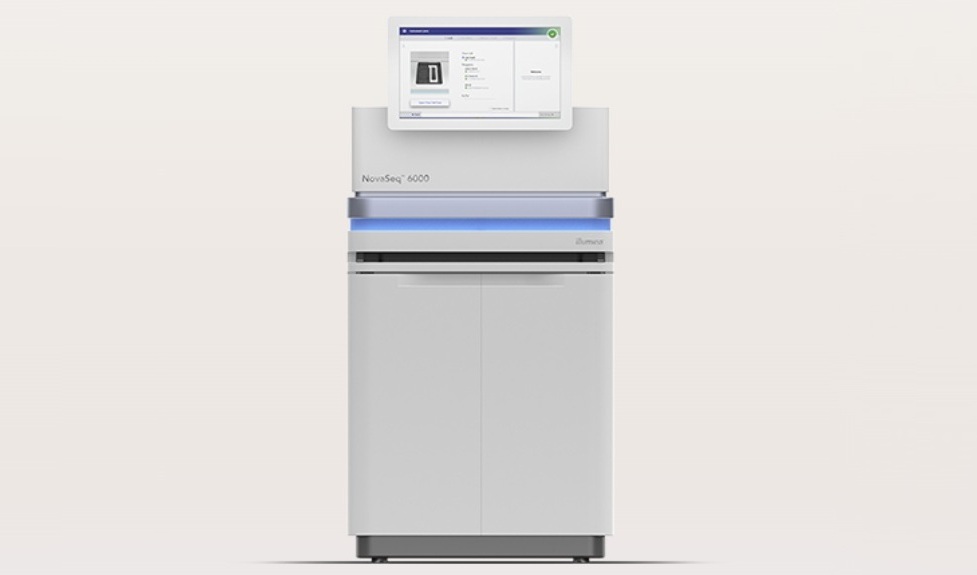
Whole-Genome Sequencing Approach Identifies Cancer Patients Benefitting From PARP-Inhibitor Treatment
Targeted cancer therapies such as PARP inhibitors can be highly effective, but only for patients whose tumors carry specific DNA repair defects. Identifying these patients accurately remains challenging,... Read more
Ultrasensitive Liquid Biopsy Demonstrates Efficacy in Predicting Immunotherapy Response
Immunotherapy has transformed cancer treatment, but only a small proportion of patients experience lasting benefit, with response rates often remaining between 10% and 20%. Clinicians currently lack reliable... Read more
Microbiology
view channel
Comprehensive Review Identifies Gut Microbiome Signatures Associated With Alzheimer’s Disease
Alzheimer’s disease affects approximately 6.7 million people in the United States and nearly 50 million worldwide, yet early cognitive decline remains difficult to characterize. Increasing evidence suggests... Read more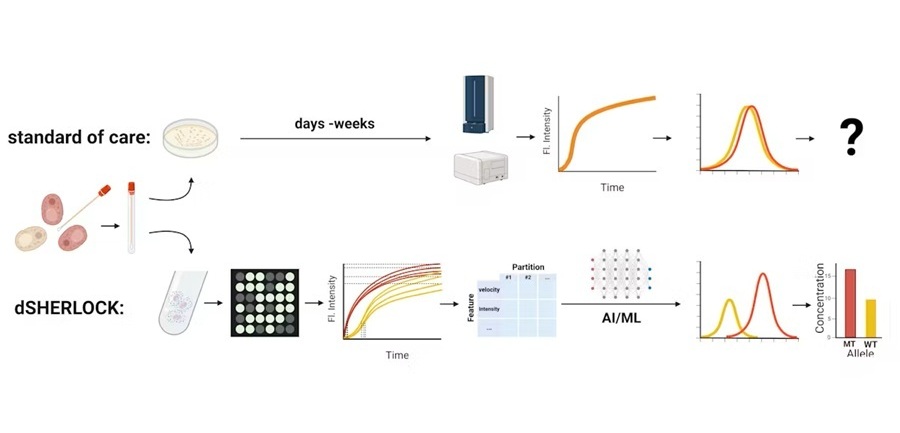
AI-Powered Platform Enables Rapid Detection of Drug-Resistant C. Auris Pathogens
Infections caused by the pathogenic yeast Candida auris pose a significant threat to hospitalized patients, particularly those with weakened immune systems or those who have invasive medical devices.... Read more

Pathology
view channel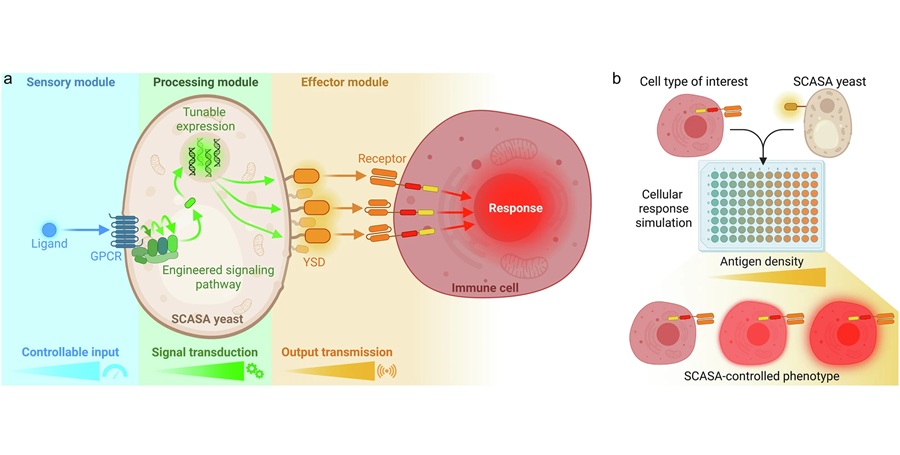
Engineered Yeast Cells Enable Rapid Testing of Cancer Immunotherapy
Developing new cancer immunotherapies is a slow, costly, and high-risk process, particularly for CAR T cell treatments that must precisely recognize cancer-specific antigens. Small differences in tumor... Read more
First-Of-Its-Kind Test Identifies Autism Risk at Birth
Autism spectrum disorder is treatable, and extensive research shows that early intervention can significantly improve cognitive, social, and behavioral outcomes. Yet in the United States, the average age... Read more
Technology
view channel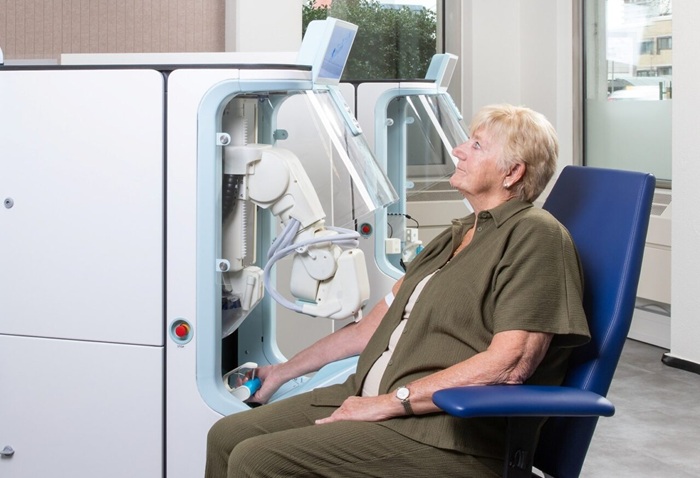
Robotic Technology Unveiled for Automated Diagnostic Blood Draws
Routine diagnostic blood collection is a high‑volume task that can strain staffing and introduce human‑dependent variability, with downstream implications for sample quality and patient experience.... Read more
ADLM Launches First-of-Its-Kind Data Science Program for Laboratory Medicine Professionals
Clinical laboratories generate billions of test results each year, creating a treasure trove of data with the potential to support more personalized testing, improve operational efficiency, and enhance patient care.... Read more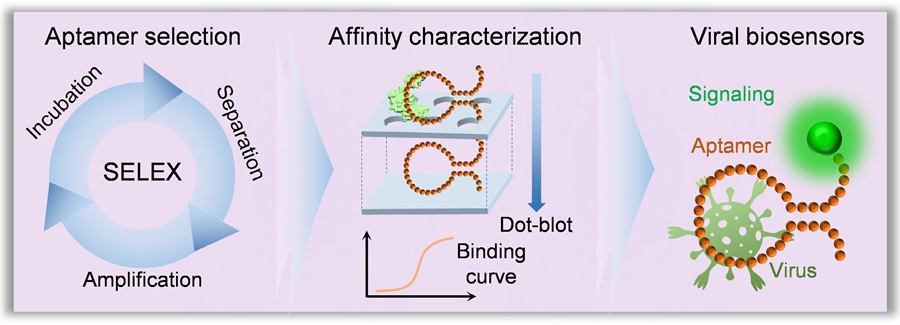
Aptamer Biosensor Technology to Transform Virus Detection
Rapid and reliable virus detection is essential for controlling outbreaks, from seasonal influenza to global pandemics such as COVID-19. Conventional diagnostic methods, including cell culture, antigen... Read more
AI Models Could Predict Pre-Eclampsia and Anemia Earlier Using Routine Blood Tests
Pre-eclampsia and anemia are major contributors to maternal and child mortality worldwide, together accounting for more than half a million deaths each year and leaving millions with long-term health complications.... Read moreIndustry
view channel
New Collaboration Brings Automated Mass Spectrometry to Routine Laboratory Testing
Mass spectrometry is a powerful analytical technique that identifies and quantifies molecules based on their mass and electrical charge. Its high selectivity, sensitivity, and accuracy make it indispensable... Read more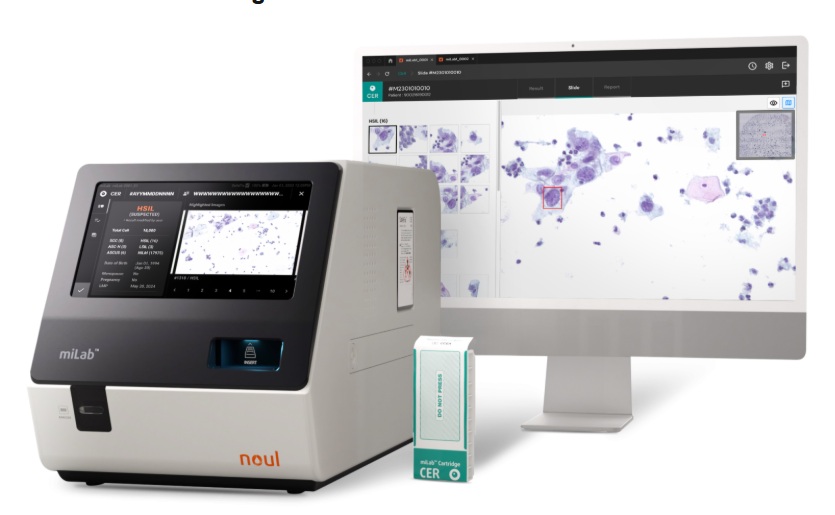
AI-Powered Cervical Cancer Test Set for Major Rollout in Latin America
Noul Co., a Korean company specializing in AI-based blood and cancer diagnostics, announced it will supply its intelligence (AI)-based miLab CER cervical cancer diagnostic solution to Mexico under a multi‑year... Read more
Diasorin and Fisher Scientific Enter into US Distribution Agreement for Molecular POC Platform
Diasorin (Saluggia, Italy) has entered into an exclusive distribution agreement with Fisher Scientific, part of Thermo Fisher Scientific (Waltham, MA, USA), for the LIAISON NES molecular point-of-care... Read more