Diagnostic Company Acquisition to Ease Market Entry and Shorten Development Time for New Tests
|
By LabMedica International staff writers Posted on 15 Sep 2015 |


|
Two North American manufacturers of rapid diagnostic tests are combining in order to pool their products for rapid entry into the diagnostic product market and to boost development of new tests.
NOWDiagnostics Inc. (Springdale, AR, USA) recently completed the acquisition of ZBx Corporation (Toronto, Canada). NOWDiagnostics manufactures and sells a line of blood-based rapid tests that allow health care providers to conduct simple-to-use, highly accurate tests for a variety of ailments and diseases. ZBx Corporation, with a customer base that includes Canada, Europe, Asia, Africa, South America and Mexico, develops and manufactures rapid format, point-of-care diagnostic products in both the human and veterinary fields.
“We are excited about the growth of NOWDiagnostics and what this means for point-of-care testing and the healthcare industry in general. Our acquisition of ZBx, with its deep product portfolio, experienced personnel, and broad capabilities, will help us increase the speed at which we are currently developing our tests,” said Kevin Clark, CEO of NOWDiagnostics. “The tests we are creating have the potential to revolutionize current medical test protocols and to lower costs to insurance companies and, ultimately, consumers.”
Related Links:
NOWDiagnostics
ZBx Corporation






NOWDiagnostics Inc. (Springdale, AR, USA) recently completed the acquisition of ZBx Corporation (Toronto, Canada). NOWDiagnostics manufactures and sells a line of blood-based rapid tests that allow health care providers to conduct simple-to-use, highly accurate tests for a variety of ailments and diseases. ZBx Corporation, with a customer base that includes Canada, Europe, Asia, Africa, South America and Mexico, develops and manufactures rapid format, point-of-care diagnostic products in both the human and veterinary fields.
“We are excited about the growth of NOWDiagnostics and what this means for point-of-care testing and the healthcare industry in general. Our acquisition of ZBx, with its deep product portfolio, experienced personnel, and broad capabilities, will help us increase the speed at which we are currently developing our tests,” said Kevin Clark, CEO of NOWDiagnostics. “The tests we are creating have the potential to revolutionize current medical test protocols and to lower costs to insurance companies and, ultimately, consumers.”
Related Links:
NOWDiagnostics
ZBx Corporation

Platinum Member
Automated Coagulation Analyzer
Hemolumi H6
Gold Member
Automatic Hematology Analyzer
CF9600
New
Microbiology Laboratory Automation Solution
BD Kiestra™ ReadA+BarcodA
New
Gold Member
Platelet Function Analyzer
PL-12
Latest Industry News
- Multi-Cancer Early Detection Test Wins FDA Panel Backing for Approval
- Siemens Healthineers and Novo Collaborate to Expand Access to Noninvasive Liver Testing
- Mayo Clinic and Thermo Fisher Launch Multi-Omics Venture to Identify Early Disease Signals
- Sputum-Based Lung Cancer Test Technology Granted Hong Kong Patent
- Veracyte Acquisition Expands Urine-Based Bladder Cancer Monitoring Capabilities
- Unilabs Expands Digital Pathology Across European Network with Proscia Platform
- Digital Pathology Partnership Integrates Breast Cancer Diagnostic and Prognostic Tools
- MGI Launches Automated Multiplex Tissue Staining and Imaging System at ECP 2026
- Blood-Based Neurology Biomarker Assays Authorized for Use in Brazil
- Sepsis Diagnostics Market Growth Fueled by Faster Pathogen Detection Needs
- Project Advances Single-Cell Diagnostic Test for Triple-Negative Breast Cancer
- Sysmex and Cytek Collaboration Expands Access to Advanced Clinical Flow Cytometry
- Health Canada Licenses Point-of-Care Hematology Analyzer for Decentralized CBC Testing
- New NHS Partnership Expands Access to Epigenetic CNS Tumor Classifiers
- Fujirebio Expands Access to Automated Blood-Based Neurology Testing in Canada
- Natera ctDNA Test to Support Response Monitoring in Solid Tumor Trial
Channels
Clinical Chemistry
view channel
First-of-Its-Kind Rapid Blood Test Gains CE Mark to Support Prehospital Stroke Triage
Rapid stroke identification before hospital arrival is critical because treatment efficacy declines with every minute of delay. However, definitive assessment typically requires hospital-based imaging,... Read more
Multi-Cancer Blood Test Expands Detection to Cancers Lacking Routine Screening Options
Many lethal cancers lack routine screening and are often diagnosed only after symptoms emerge, limiting curative options. Standard programs in the United States cover a small subset of malignancies, leaving... Read more
Blood Test Could Guide Drug Selection to Prevent Repeat Heart Attacks and Strokes
Secondary prevention after myocardial infarction or stroke relies on antiplatelet therapy, yet responses vary widely and both recurrent thrombosis and bleeding remain persistent risks. In the United Kingdom,... Read more
Molecular Diagnostics
view channel
CSF Liquid Biopsy Could Help Distinguish Cancer from Autoimmune Brain Inflammation
Autoimmune encephalitis can cause memory and behavioral changes, seizures, and altered consciousness, but diagnosis can be challenging because cancers involving the brain and central nervous system may... Read more
Mpox Analysis Reveals Substantial Suspected False Positives Associated with Contamination
Reliable confirmation of mpox can be difficult where multiple rash-causing illnesses co-circulate and laboratory capacity is limited. Although PCR is central to case detection, contamination during specimen... Read more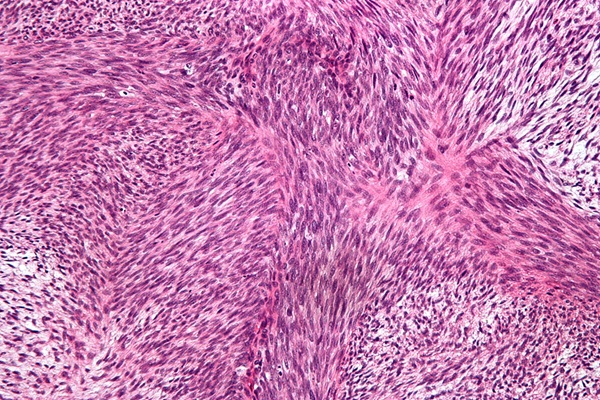
Liquid Biopsy Shows Promise for Detecting and Monitoring Malignant Nerve Sheath Tumors
Malignant peripheral nerve sheath tumor (MPNST) is one of the most serious cancers affecting people with neurofibromatosis type 1 (NF1), yet timely recognition remains difficult. Clinicians often struggle... Read more
Hematology
view channel
New Donor Genetic Marker May Help Predict Stem Cell Transplant Success
Donor selection for hematopoietic stem cell transplantation plays a major role in relapse risk and survival for patients with blood cancers and other blood disorders. Despite advances in genotyping, uncertainty... Read more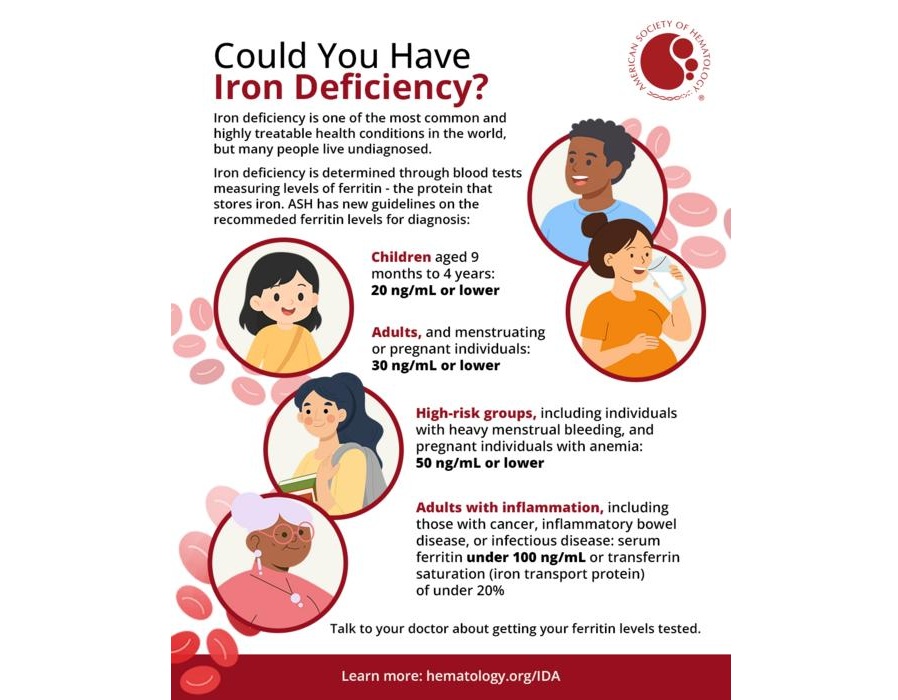
Updated Ferritin Thresholds Improve Detection of Iron Deficiency
Iron deficiency is one of the most common health conditions worldwide, yet its nonspecific symptoms can delay diagnosis for months. Variation in testing practices and ferritin thresholds may contribute... Read more
Immunology
view channel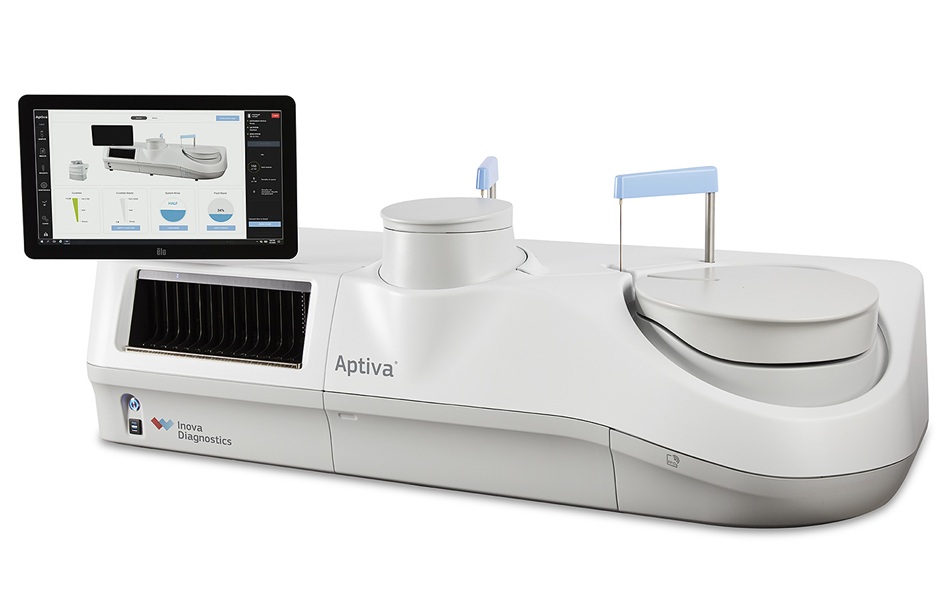
Werfen Expands Automated APS Testing with FDA-Cleared and CE-Marked IgA Reagent
Antiphospholipid syndrome (APS) is an autoimmune disorder associated with thrombosis and pregnancy complications, but its symptoms can overlap with those of other conditions, complicating diagnosis.... Read more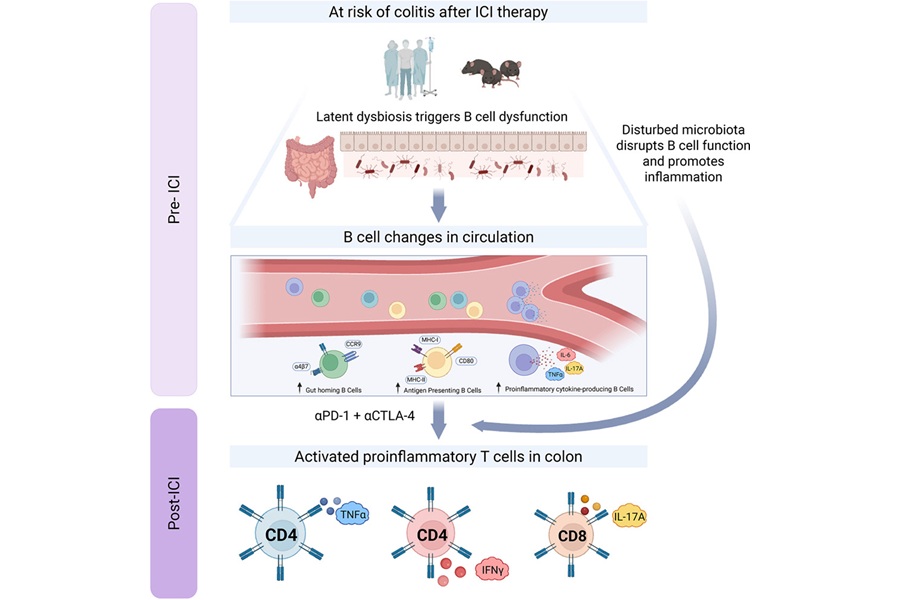
Blood Biomarker May Predict Colitis Risk in Checkpoint Inhibitor Therapy
Immune checkpoint inhibitors can trigger immune-related colitis that leads to severe diarrhea, abdominal pain, and treatment interruptions. Clinicians currently lack validated tools to identify which patients... Read more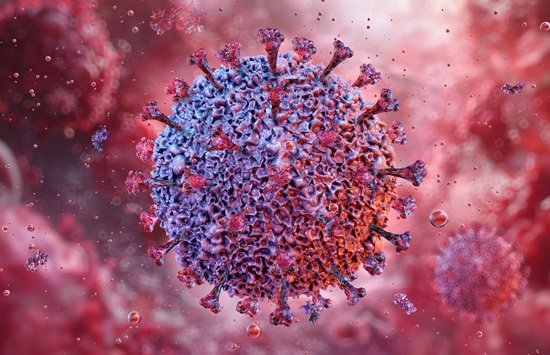
Blood EBV Activity Biomarkers May Predict Multiple Sclerosis Relapse Months Ahead
Predicting relapse in multiple sclerosis (MS) remains difficult, limiting opportunities for timely intervention and monitoring. Although many people harbor latent Epstein-Barr virus (EBV), growing evidence... Read more
Microbiology
view channel
Collaboration Targets Blood-Based Ebola Detection Outside Central Laboratories
Co-Diagnostics, Inc. (Salt Lake City, UT, USA) and ReadyGo Diagnostics Ltd. (Bath, UK) have initiated a collaboration to evaluate ReadyGo’s GoCollect with the Co-Dx PCR platform for blood-based molecular... Read more
Study Finds Frequent Overlap in Antibodies to Lyme and Other Tick-Borne Pathogens
Lyme disease and other tick-borne illnesses cause overlapping symptoms, making them difficult to distinguish clinically. The Centers for Disease Control and Prevention estimates that more than 476,000... Read more
Pathology
view channel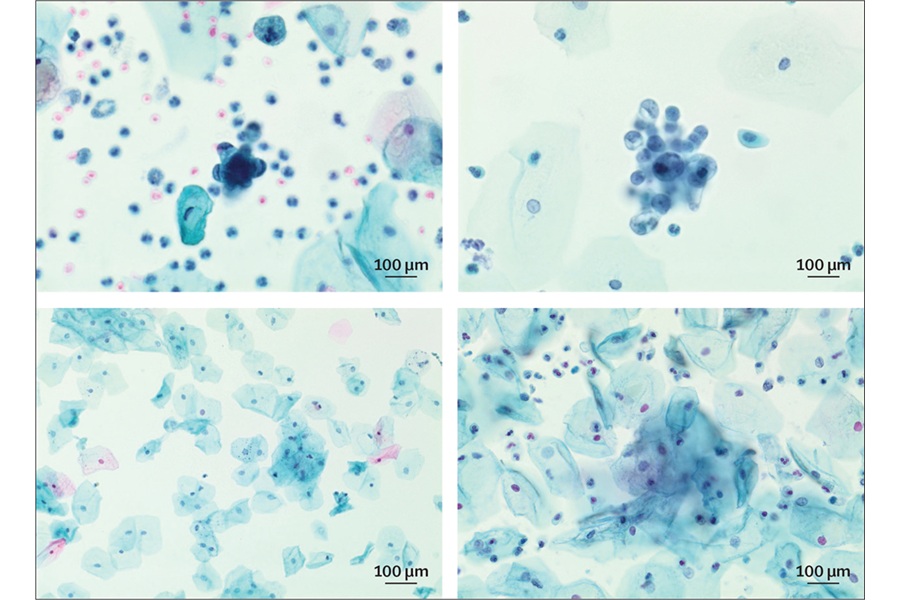
Simple Test Could Reduce the Need for Invasive Uterine Cancer Checks
Bleeding after menopause requires prompt investigation for uterine cancer, although most women who undergo testing do not have the disease. In the U.K., uterine cancer affects nearly 10,000 women each... Read more
Tumor Blood Vessel Features May Help Predict Colorectal Cancer Survival
Colorectal cancer outcomes vary widely, and tumor biology remains a key determinant of prognosis. Because neoplasms depend on a vascular supply, differences in intratumoral vessels may influence survival.... Read more
Multimodal AI Improves Breast Cancer Recurrence Risk Prediction Beyond Standard Genomic Testing
Predicting which patients with early-stage breast cancer will develop distant recurrence remains difficult, complicating decisions about long-term therapy and surveillance. Widely used genomic assays are... Read more
Technology
view channel
ADLM Calls for CLIA Updates to Support Safe AI Use in Laboratory Medicine
Clinical laboratories increasingly use artificial intelligence to verify, interpret, and report results, but safeguards under the Clinical Laboratory Improvement Amendments (CLIA) were designed in 1992.... Read more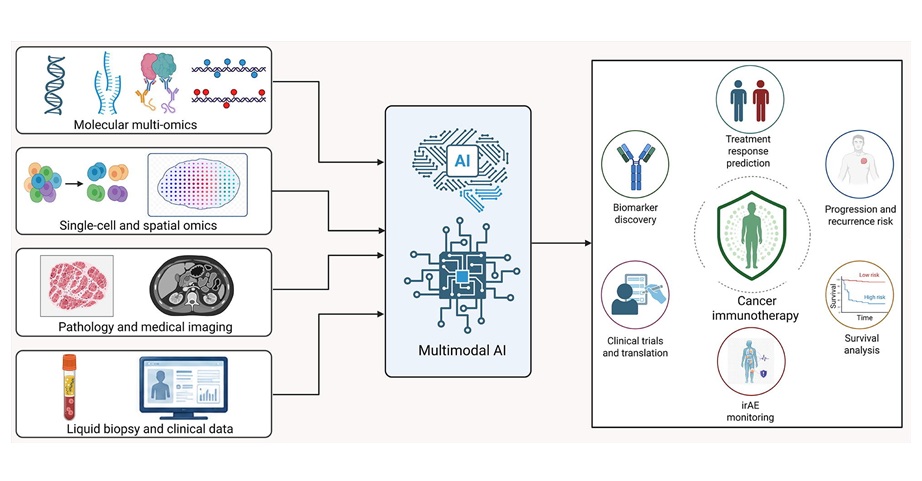
Multimodal AI Framework Aims to Guide Cancer Immunotherapy Decisions
Cancer immunotherapy has reshaped oncology, but heterogeneous responses and immune-related toxicities continue to complicate routine decision-making. Standard biomarkers, including programmed death-ligand... Read more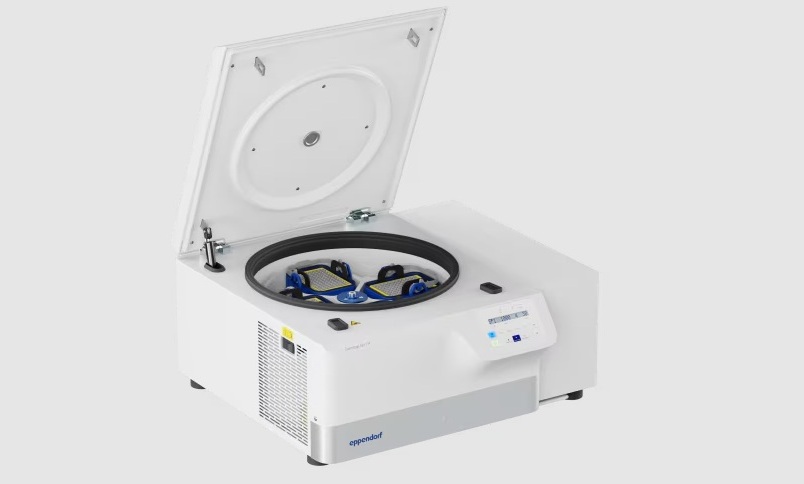
New Multipurpose Centrifuge Combines High Capacity with Sustainable Cooling
Laboratories often need centrifugation that accommodates multiple vessel formats while maintaining controlled temperatures to protect sensitive samples. Intuitive controls and repeatable operation can... Read more