Маркеры крови позволяют определить женщин, находящихся в группе риска возникновения послеродовой депрессии
|
By LabMedica International staff writers Posted on 10 Sep 2015 |


|
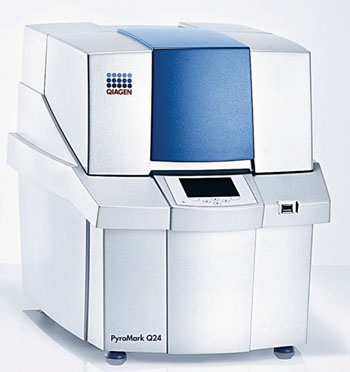
Прибор PyroMark Q24 использует технологию пиросеквенирования для обнаружения и определения количества вариантов последовательности и эпигенетического метилирования в режиме реального времени на основе метода секвенирования (фото любезно предоставлено компанией QIAGEN).
Была исследована взаимосвязь между окситоциновым рецептором метилирования ДНК и генотипом и рассмотрена вероятность риска возникновения послеродовой депрессии у женщин, у которых не было депрессии во время беременности.
Послеродовая депрессия поражает до 19% женщин, отрицательно влияя на здоровье матери и младенца. Снижение уровней окситоцина в плазме крови было связано с послеродовой депрессией, и в ходе научно-исследовательских работ по изучению наследуемости была установлена генетическая роль.
Команда ученых во главе с коллегами в Университете Виргинии (Шарлотсвилль, штат Виргиния, США) выполнила исследование методом случай-контроль, которое включало 269 пациентов с послеродовой депрессией и 276 представителей контрольной группы, подобранных в пару по возрастным группам, количеству родов в прошлом и наличию либо отсутствию симптомов депрессии во время беременности, оцененным по Эдинбургской шкале послеродовой депрессии. Кровь для анализа была взята у пациентов во время беременности, между 7-й и 41-й неделями, во время обычных визитов в медицинские учреждения для дородового наблюдения.
Эпигенетическое типирование было выполнено на ДНК, извлеченной из цельной крови, которая подверглась обработке бисульфитом. Такая обработанная бисульфитом ДНК использовалась в качестве матрицы для проведения полимеразной цепной реакции (ПЦР) с использованием комплекта Pyromark PCR kit (компания Qiagen; Валенсия, штат Калифорния, США). Пиросеквенирование было выполнено с использованием подходящих праймеров на приборе компании Qiagen - Pyromark Q24 с применением реагентов PyroMark Gold Q24 Reagents.
В общей выборке образцов не было обнаружено никаких генетических/эпигенетических взаимосвязей для прогнозирования возникновения послеродовой депрессии. Однако была определена выраженная взаимосвязь трех факторов между генотипом окситоцинового рецептора OXTR rs53576, метилированием OXTR и депрессией во время беременности как для откорректированных, так и для неоткорректированных моделей. Авторы пришли к заключению, что депрессия особенно негативно влияет на здоровье в первый год после рождения ребенка, когда эмоциональная реакция матери и ее чувствительность к своему младенцу формируют уровень эмоционального взаимодействия с ним и впоследствии влияют на развитие ребенка. Определение генетической и эпигенетической предрасположенности к депрессии во время беременности может быть главным условием в многостороннем подходе к уменьшению развития послеродовой депрессии и, следовательно, неблагоприятных последствий депрессии.
C. Сью Картер (C. Sue Carter), доктор философии, соавтор исследования, сказала: “Роль окситоциновой системы в материнском поведении хорошо изучена у грызунов. Наша работа подчеркивает ее важность в патологическом состоянии материнского поведения у человека и выдвигает на первый план эпигенетическую регуляцию окситоцинового рецептора”. Авторы надеются, что маркер окситоцинового рецептора, который они определили, будет полезен для врачей-клиницистов при выявлении женщин, находящихся в группе риска возникновения послеродовой депрессии. Исследование было опубликовано 21 июля 2015 года в журнале Frontiers in Genetics.
Ссылки по теме:
University of Virginia
Qiagen






Послеродовая депрессия поражает до 19% женщин, отрицательно влияя на здоровье матери и младенца. Снижение уровней окситоцина в плазме крови было связано с послеродовой депрессией, и в ходе научно-исследовательских работ по изучению наследуемости была установлена генетическая роль.
Команда ученых во главе с коллегами в Университете Виргинии (Шарлотсвилль, штат Виргиния, США) выполнила исследование методом случай-контроль, которое включало 269 пациентов с послеродовой депрессией и 276 представителей контрольной группы, подобранных в пару по возрастным группам, количеству родов в прошлом и наличию либо отсутствию симптомов депрессии во время беременности, оцененным по Эдинбургской шкале послеродовой депрессии. Кровь для анализа была взята у пациентов во время беременности, между 7-й и 41-й неделями, во время обычных визитов в медицинские учреждения для дородового наблюдения.
Эпигенетическое типирование было выполнено на ДНК, извлеченной из цельной крови, которая подверглась обработке бисульфитом. Такая обработанная бисульфитом ДНК использовалась в качестве матрицы для проведения полимеразной цепной реакции (ПЦР) с использованием комплекта Pyromark PCR kit (компания Qiagen; Валенсия, штат Калифорния, США). Пиросеквенирование было выполнено с использованием подходящих праймеров на приборе компании Qiagen - Pyromark Q24 с применением реагентов PyroMark Gold Q24 Reagents.
В общей выборке образцов не было обнаружено никаких генетических/эпигенетических взаимосвязей для прогнозирования возникновения послеродовой депрессии. Однако была определена выраженная взаимосвязь трех факторов между генотипом окситоцинового рецептора OXTR rs53576, метилированием OXTR и депрессией во время беременности как для откорректированных, так и для неоткорректированных моделей. Авторы пришли к заключению, что депрессия особенно негативно влияет на здоровье в первый год после рождения ребенка, когда эмоциональная реакция матери и ее чувствительность к своему младенцу формируют уровень эмоционального взаимодействия с ним и впоследствии влияют на развитие ребенка. Определение генетической и эпигенетической предрасположенности к депрессии во время беременности может быть главным условием в многостороннем подходе к уменьшению развития послеродовой депрессии и, следовательно, неблагоприятных последствий депрессии.
C. Сью Картер (C. Sue Carter), доктор философии, соавтор исследования, сказала: “Роль окситоциновой системы в материнском поведении хорошо изучена у грызунов. Наша работа подчеркивает ее важность в патологическом состоянии материнского поведения у человека и выдвигает на первый план эпигенетическую регуляцию окситоцинового рецептора”. Авторы надеются, что маркер окситоцинового рецептора, который они определили, будет полезен для врачей-клиницистов при выявлении женщин, находящихся в группе риска возникновения послеродовой депрессии. Исследование было опубликовано 21 июля 2015 года в журнале Frontiers in Genetics.
Ссылки по теме:
University of Virginia
Qiagen

Gold Member
Respiratory Syncytial Virus Test
OSOM® RSV Test
8-Channel Pipette
SAPPHIRE 20–300 µL
Automatic Hematology Analyzer
DH-800 Series
Latest Молекулярная диагностика News
Channels
Clinical Chemistry
view channel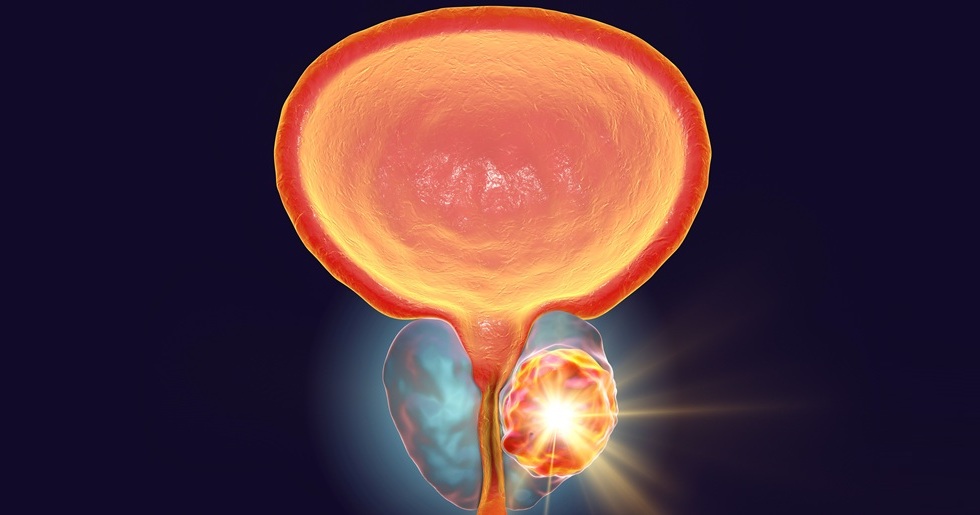
New PSA-Based Prognostic Model Improves Prostate Cancer Risk Assessment
Prostate cancer is the second-leading cause of cancer death among American men, and about one in eight will be diagnosed in their lifetime. Screening relies on blood levels of prostate-specific antigen... Read more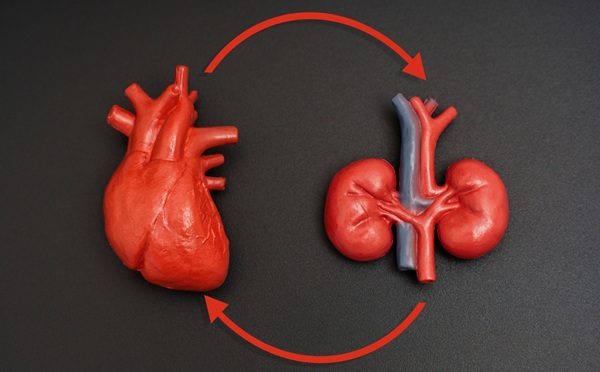
Extracellular Vesicles Linked to Heart Failure Risk in CKD Patients
Chronic kidney disease (CKD) affects more than 1 in 7 Americans and is strongly associated with cardiovascular complications, which account for more than half of deaths among people with CKD.... Read more
Molecular Diagnostics
view channel
Diagnostic Device Predicts Treatment Response for Brain Tumors Via Blood Test
Glioblastoma is one of the deadliest forms of brain cancer, largely because doctors have no reliable way to determine whether treatments are working in real time. Assessing therapeutic response currently... Read more
Blood Test Detects Early-Stage Cancers by Measuring Epigenetic Instability
Early-stage cancers are notoriously difficult to detect because molecular changes are subtle and often missed by existing screening tools. Many liquid biopsies rely on measuring absolute DNA methylation... Read more
“Lab-On-A-Disc” Device Paves Way for More Automated Liquid Biopsies
Extracellular vesicles (EVs) are tiny particles released by cells into the bloodstream that carry molecular information about a cell’s condition, including whether it is cancerous. However, EVs are highly... Read more
Blood Test Identifies Inflammatory Breast Cancer Patients at Increased Risk of Brain Metastasis
Brain metastasis is a frequent and devastating complication in patients with inflammatory breast cancer, an aggressive subtype with limited treatment options. Despite its high incidence, the biological... Read moreHematology
view channel
New Guidelines Aim to Improve AL Amyloidosis Diagnosis
Light chain (AL) amyloidosis is a rare, life-threatening bone marrow disorder in which abnormal amyloid proteins accumulate in organs. Approximately 3,260 people in the United States are diagnosed... Read more
Fast and Easy Test Could Revolutionize Blood Transfusions
Blood transfusions are a cornerstone of modern medicine, yet red blood cells can deteriorate quietly while sitting in cold storage for weeks. Although blood units have a fixed expiration date, cells from... Read more
Automated Hemostasis System Helps Labs of All Sizes Optimize Workflow
High-volume hemostasis sections must sustain rapid turnaround while managing reruns and reflex testing. Manual tube handling and preanalytical checks can strain staff time and increase opportunities for error.... Read more
High-Sensitivity Blood Test Improves Assessment of Clotting Risk in Heart Disease Patients
Blood clotting is essential for preventing bleeding, but even small imbalances can lead to serious conditions such as thrombosis or dangerous hemorrhage. In cardiovascular disease, clinicians often struggle... Read moreImmunology
view channel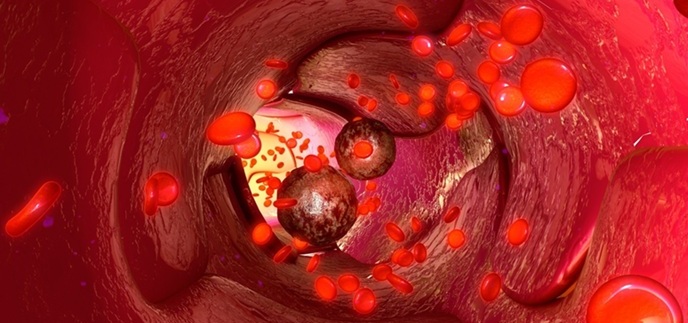
Blood Test Identifies Lung Cancer Patients Who Can Benefit from Immunotherapy Drug
Small cell lung cancer (SCLC) is an aggressive disease with limited treatment options, and even newly approved immunotherapies do not benefit all patients. While immunotherapy can extend survival for some,... Read more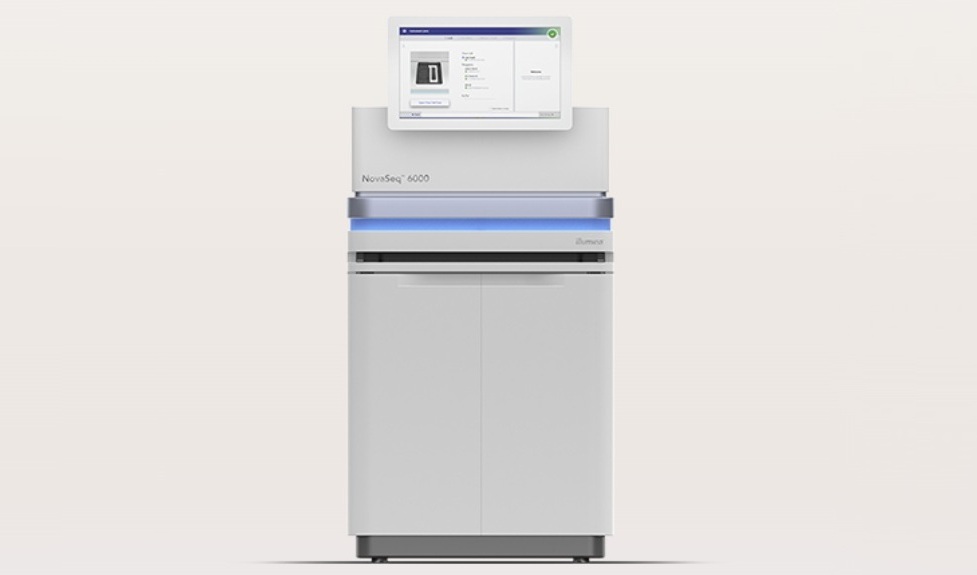
Whole-Genome Sequencing Approach Identifies Cancer Patients Benefitting From PARP-Inhibitor Treatment
Targeted cancer therapies such as PARP inhibitors can be highly effective, but only for patients whose tumors carry specific DNA repair defects. Identifying these patients accurately remains challenging,... Read more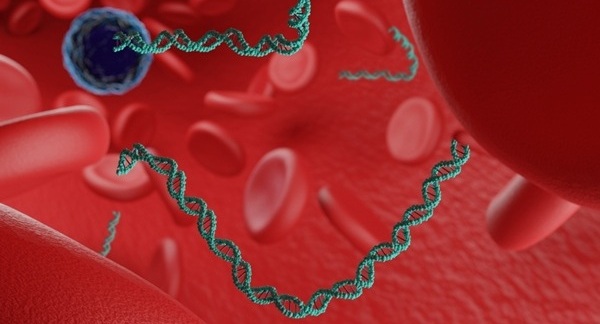
Ultrasensitive Liquid Biopsy Demonstrates Efficacy in Predicting Immunotherapy Response
Immunotherapy has transformed cancer treatment, but only a small proportion of patients experience lasting benefit, with response rates often remaining between 10% and 20%. Clinicians currently lack reliable... Read more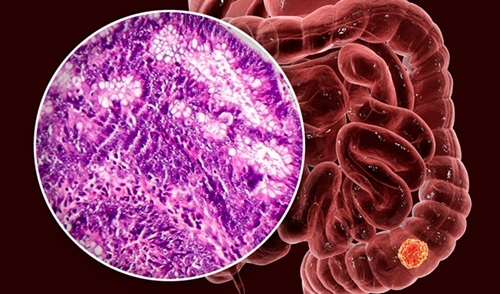
Microbiology
view channel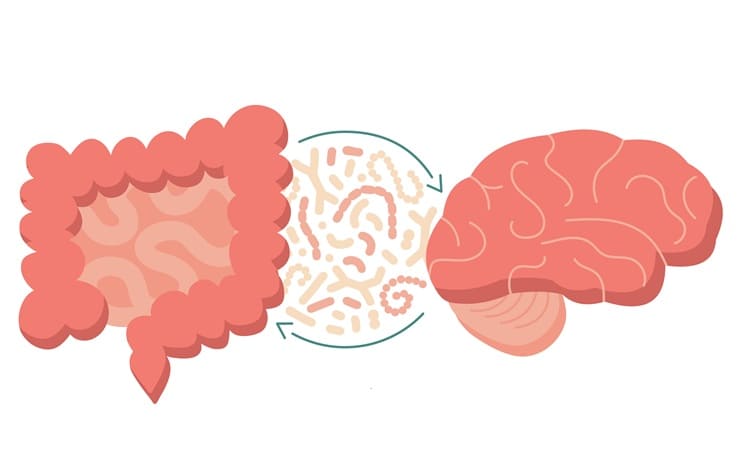
Comprehensive Review Identifies Gut Microbiome Signatures Associated With Alzheimer’s Disease
Alzheimer’s disease affects approximately 6.7 million people in the United States and nearly 50 million worldwide, yet early cognitive decline remains difficult to characterize. Increasing evidence suggests... Read more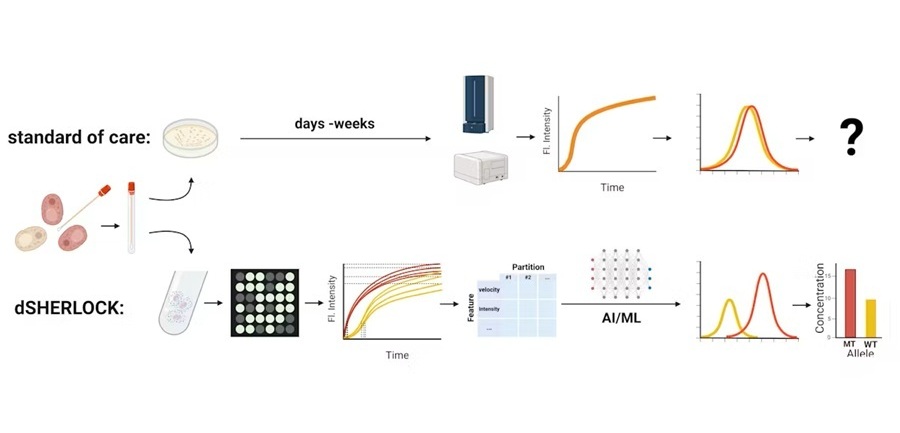
AI-Powered Platform Enables Rapid Detection of Drug-Resistant C. Auris Pathogens
Infections caused by the pathogenic yeast Candida auris pose a significant threat to hospitalized patients, particularly those with weakened immune systems or those who have invasive medical devices.... Read more

Pathology
view channel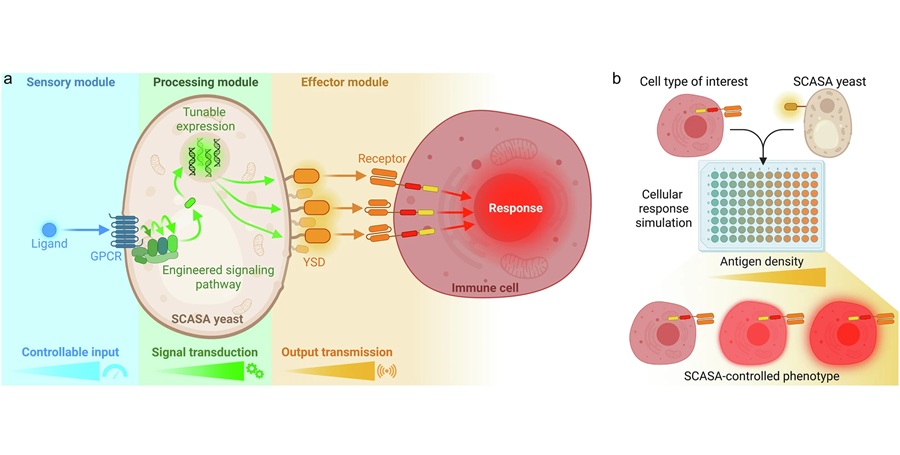
Engineered Yeast Cells Enable Rapid Testing of Cancer Immunotherapy
Developing new cancer immunotherapies is a slow, costly, and high-risk process, particularly for CAR T cell treatments that must precisely recognize cancer-specific antigens. Small differences in tumor... Read more
First-Of-Its-Kind Test Identifies Autism Risk at Birth
Autism spectrum disorder is treatable, and extensive research shows that early intervention can significantly improve cognitive, social, and behavioral outcomes. Yet in the United States, the average age... Read more
Technology
view channel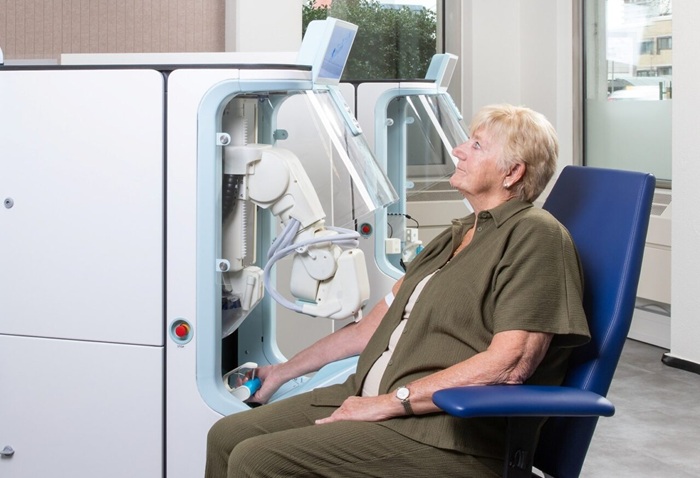
Robotic Technology Unveiled for Automated Diagnostic Blood Draws
Routine diagnostic blood collection is a high‑volume task that can strain staffing and introduce human‑dependent variability, with downstream implications for sample quality and patient experience.... Read more
ADLM Launches First-of-Its-Kind Data Science Program for Laboratory Medicine Professionals
Clinical laboratories generate billions of test results each year, creating a treasure trove of data with the potential to support more personalized testing, improve operational efficiency, and enhance patient care.... Read more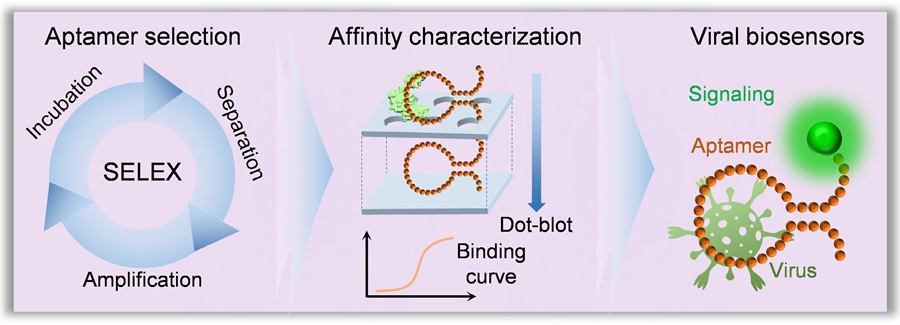
Aptamer Biosensor Technology to Transform Virus Detection
Rapid and reliable virus detection is essential for controlling outbreaks, from seasonal influenza to global pandemics such as COVID-19. Conventional diagnostic methods, including cell culture, antigen... Read more
AI Models Could Predict Pre-Eclampsia and Anemia Earlier Using Routine Blood Tests
Pre-eclampsia and anemia are major contributors to maternal and child mortality worldwide, together accounting for more than half a million deaths each year and leaving millions with long-term health complications.... Read moreIndustry
view channel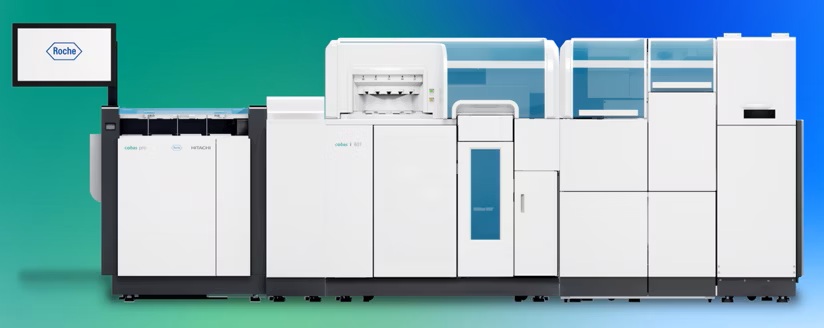
New Collaboration Brings Automated Mass Spectrometry to Routine Laboratory Testing
Mass spectrometry is a powerful analytical technique that identifies and quantifies molecules based on their mass and electrical charge. Its high selectivity, sensitivity, and accuracy make it indispensable... Read more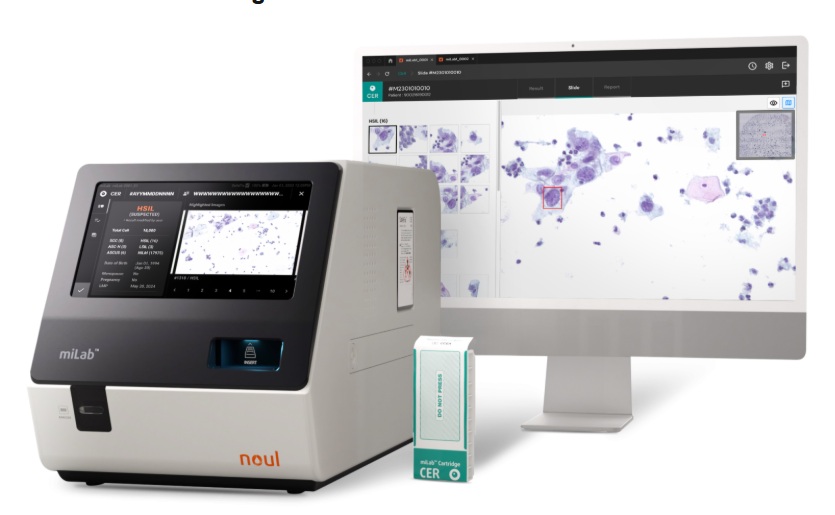
AI-Powered Cervical Cancer Test Set for Major Rollout in Latin America
Noul Co., a Korean company specializing in AI-based blood and cancer diagnostics, announced it will supply its intelligence (AI)-based miLab CER cervical cancer diagnostic solution to Mexico under a multi‑year... Read more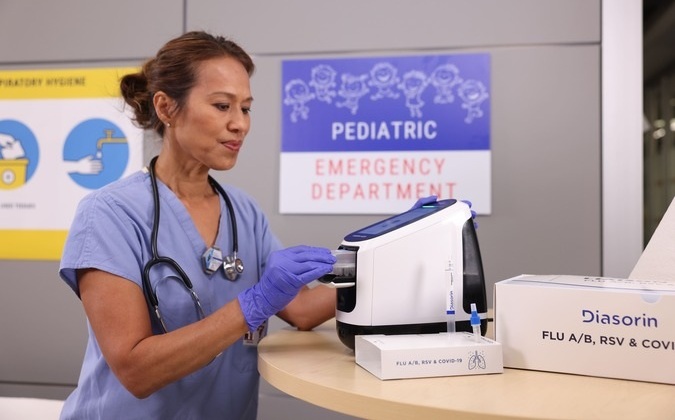
Diasorin and Fisher Scientific Enter into US Distribution Agreement for Molecular POC Platform
Diasorin (Saluggia, Italy) has entered into an exclusive distribution agreement with Fisher Scientific, part of Thermo Fisher Scientific (Waltham, MA, USA), for the LIAISON NES molecular point-of-care... Read more