A previously unknown genetic immunodeficiency linked to mutations in a gene deactivates many features of the immune system and leaves affected children open to a unique pattern of aggressive, potentially fatal infections early in life.
Genetic immunodeficiencies, such as X-linked severe combined immunodeficiency (X-SCID) or Wiskott-Aldrich syndrome (WAS), are a group of devastating conditions where mutations to specific genes cause either functional defects in or interfere with production of T-cells and other components of a patient's immune system.
An international team of scientists led by those at Boston Children's Hospital (MA, USA) conducted genetic, genomic and immunological analyses on five patients from Lebanon, Finland, Turkey, and Honduras/Nicaragua who early in life demonstrated symptoms indicating a severe but distinctive immunodeficiency that left patients susceptible to a broad range of infections, but particularly vulnerable to viruses. Three out of the five patients were born of closely related parents, and three were successfully treated by hematopoietic stem cell transplant (HSCT).
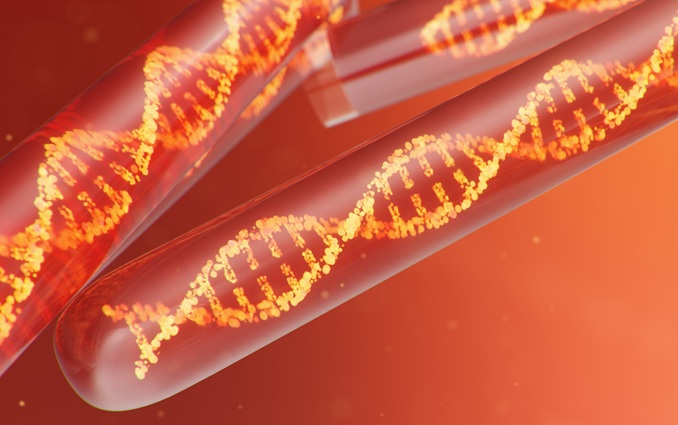
The underlying genetic defects in the DOCK2 gene were identified by whole exome sequencing (WES), with or without additional positional information generated by genome-wide linkage analysis. Genomic DNA was extracted from whole blood using the Gentra Puregene kit or the FlexiGene DNA kit or the QIAamp midi DNA kit (Qiagen; Venlo, Netherlands) or the Wizard Genomic DNA Purification kit (Promega; Madison, WI, USA). Sequencing was completed on the HiSeq2500 sequencing platform (Illumina; San Diego, CA, USA). Several other methods were used to complete the study.
The team discovered through whole exome sequencing that all five patients harbored mutations in the gene dedicator of cytokinesis 2 (DOCK2), mutations that rendered the DOCK2 protein inactive. The mutations had profound effects on multiple aspects of the patients' immune systems, causing an acute decrease in T-cells and defects in T-, B- and natural killer (NK) cell function. The study data show that defects in DOCK2, which helps immune cells react to external chemical signals, can have a profound effect on several aspects of immunity, including unforeseen effects on how non-immune cells, such as cells of the skin, respond to viruses.
Luigi Notarangelo, MD, a professor of pediatrics and a lead author of the study said, “'Until recently, a correct diagnosis for babies born with SCID or other combined immunodeficiencies, such as DOCK2 deficiency, could be made only after these babies had developed serious infections, which could lead to death or compromise the efficacy of an HSCT. Newborn screening for these diseases is now available for most babies with SCID born in the USA, and this gives increased chances of definitive cure by performing the transplant while the baby is still well.”
Related Links:
Boston Children's Hospital
Qiagen
Promega
Gold Member
Fibrinolysis Assay
HemosIL Fibrinolysis Assay Panel
POC Helicobacter Pylori Test Kit
Hepy Urease Test
Sample Transportation System
Tempus1800 Necto
Sperm Quality Analyis Kit
QwikCheck Beads Precision and Linearity Kit