LabMedica

Download Mobile App
Recent News Expo Clinical Chem. Molecular Diagnostics Hematology Immunology Microbiology Pathology Technology Industry Focus

Blood Test Could Predict Schizophrenia Risk

By LabMedica International staff writers
Posted on 08 Oct 2014
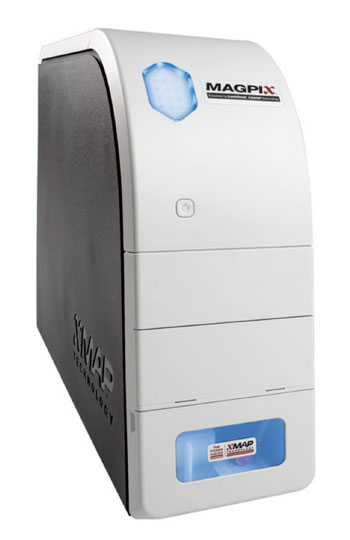
Luminex\' MAGPIX multiplexing platform for analyzing multiplex immunoassays
The MAGPIX multiplexing platform for analyzing multiplex immunoassays (Photo courtesy of Luminex - A Diasorin Company)
A blood test could determine which patients are at high risk of developing schizophrenia and other forms of psychosis, paving the way for earlier treatment and better outcomes.

Early intervention is associated with better clinical outcomes in persons with schizophrenia, and treatment during the prodromal phase of illness could prevent the development of a psychotic disorder and thus reduce risk of chronic symptoms and disability.

Scientists at the University of North Carolina (Chapel Hill, NC, USA) analyzed blood samples of 32 patients with symptoms that suggested a high risk for psychosis, alongside blood samples of 35 control subjects. The team was looking for abnormal levels of markers of inflammation, oxidative stress, metabolism and hormones. All participants were clinically assessed every six months and were followed for up to two years.

Samples were analyzed with the Human Discovery Map assay (Luminex; Austin, TX, USA), a bead-based multiplex immunoassay that included 185 analytes involved in hormonal responses, inflammation, growth, oxidative stress, and metabolism. The team found that among the 32 patients at high risk of psychosis, they were accurately able to identify those who went on to develop psychosis through the presence of 15 specific markers, or analytes, in their blood. Of these patients, 14 had schizophrenia, 13 had unspecified psychosis, 2 had major depression with psychotic features, 1 had bipolar disorder, 1 had schizoaffective disorder, and 1 had delusional disorder.

Most of the analytes included in the 15-analyte index are immunomodulatory: as cytokines (interleukin-1B, growth hormone, KIT ligand, interleukin-8, interleukin-7, resistin, chemokine [c-c motif] ligand 8) or as proteins involved in modulating inflammation including blood-brain barrier integrity (matrix metalloproteinase-7, immunoglobulin E, and coagulation factor VII). Three of the analytes, thyroid stimulating hormone, growth hormone, and cortisol are part of hypothalamic-pituitary axes. Interestingly, five of the included cytokines (interleukin-1B, interleukin-7, interleukin-8, KIT ligand, and resistin) are known to regulate hypothalamic-pituitary axes.

Diana O. Perkins, MD, MPH, professor of psychiatry and corresponding author of the study, said, “The blood test included a selection of 15 measures of immune and hormonal system imbalances as well as evidence of oxidative stress. While further research is required before this blood test could be clinically available, these results provide evidence regarding the fundamental nature of schizophrenia, and point towards novel pathways that could be targets for preventative interventions.” The study was published on August 6, 2014, in the journal Schizophrenia Bulletin.

Related Links:

University of North Carolina 
Luminex 

Gold Member
Quality Control Material
iPLEX Pro Exome QC Panel
POC Helicobacter Pylori Test Kit
Hepy Urease Test
Rapid Molecular Testing Device
FlashDetect Flash10
Automated MALDI-TOF MS System
EXS 3000
Read the full article by registering today, it's FREE! It's Free!
Register now for FREE to LabMedica.com and get access to news and events that shape the world of Clinical Laboratory Medicine.
  • Free digital version edition of LabMedica International sent by email on regular basis
  • Free print version of LabMedica International magazine (available only outside USA and Canada).
  • Free and unlimited access to back issues of LabMedica International in digital format
  • Free LabMedica International Newsletter sent every week containing the latest news
  • Free breaking news sent via email
  • Free access to Events Calendar
  • Free access to LinkXpress new product services
  • REGISTRATION IS FREE AND EASY!
Click here to Register


Channels

Molecular Diagnostics

view channel
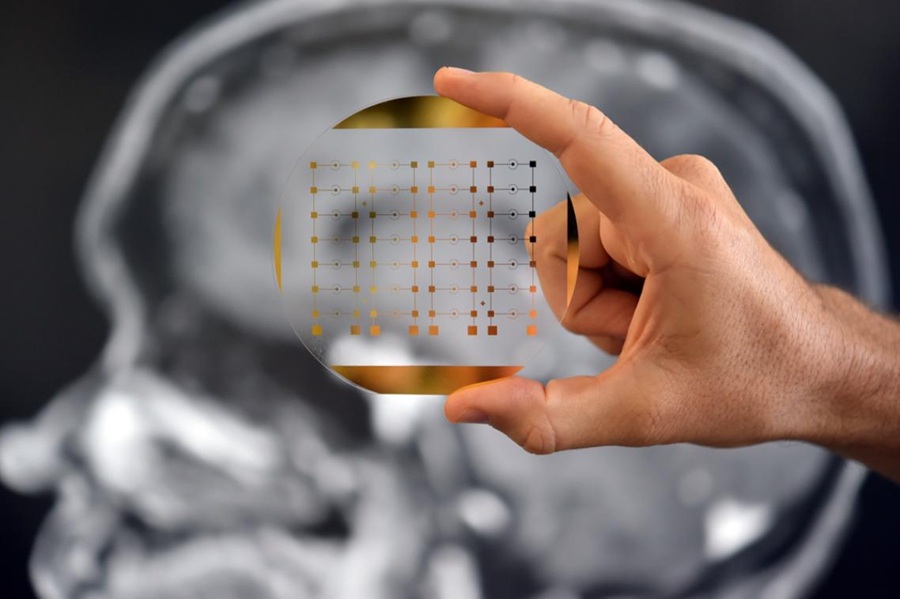
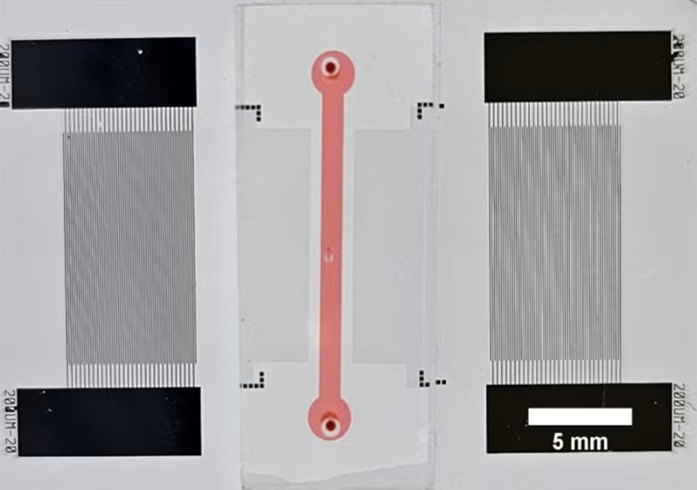
Image: The diagnostic device can tell how deadly brain tumors respond to treatment from a simple blood test (Photo courtesy of UQ)

Diagnostic Device Predicts Treatment Response for Brain Tumors Via Blood Test

Glioblastoma is one of the deadliest forms of brain cancer, largely because doctors have no reliable way to determine whether treatments are working in real time. Assessing therapeutic response currently... Read more

Microbiology

view channel
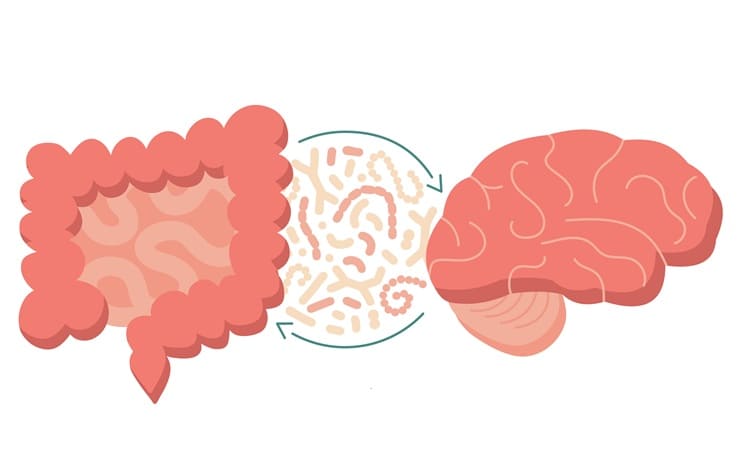
Image: New evidence suggests that imbalances in the gut microbiome may contribute to the onset and progression of MCI and Alzheimer’s disease (Photo courtesy of Adobe Stock)

Comprehensive Review Identifies Gut Microbiome Signatures Associated With Alzheimer’s Disease

Alzheimer’s disease affects approximately 6.7 million people in the United States and nearly 50 million worldwide, yet early cognitive decline remains difficult to characterize. Increasing evidence suggests... Read more

Technology

view channel
Image: Vitestro has shared a detailed visual explanation of its Autonomous Robotic Phlebotomy Device (photo courtesy of Vitestro)

Robotic Technology Unveiled for Automated Diagnostic Blood Draws

Routine diagnostic blood collection is a high‑volume task that can strain staffing and introduce human‑dependent variability, with downstream implications for sample quality and patient experience.... Read more

Industry

view channel
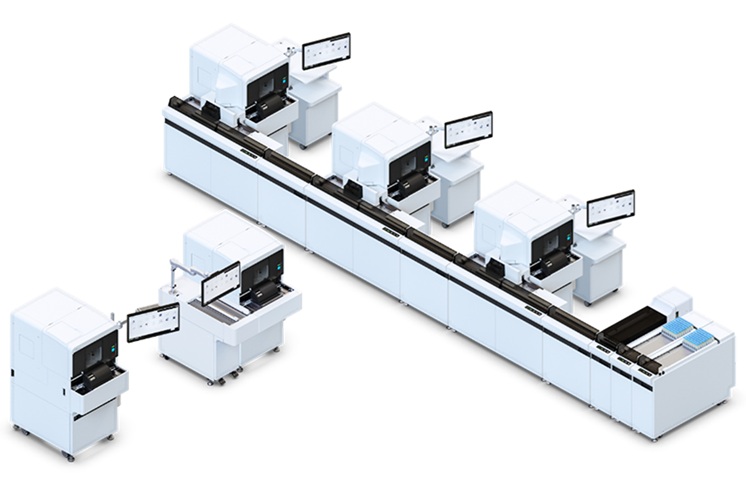
Image: Roche’s cobas® Mass Spec solution enables fully automated mass spectrometry in routine clinical laboratories (Photo courtesy of Roche)

New Collaboration Brings Automated Mass Spectrometry to Routine Laboratory Testing

Mass spectrometry is a powerful analytical technique that identifies and quantifies molecules based on their mass and electrical charge. Its high selectivity, sensitivity, and accuracy make it indispensable... Read more