Shrink-Wrap Technology Helps Enhance Detection of Biomarkers
|
By LabMedica International staff writers Posted on 02 Apr 2014 |


|
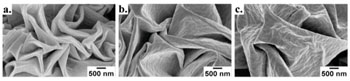
Image: Close-up images taken with a scanning electron microscope (SEM) showing the shrink-wrap surface with metal-coating made of a fixed amount of gold (10 nm) and different thicknesses of nickel: Left: 5 nm thick. Middle: 15 nm thick. Right: 25 nm thick (Photo courtesy of Optical Materials Express).
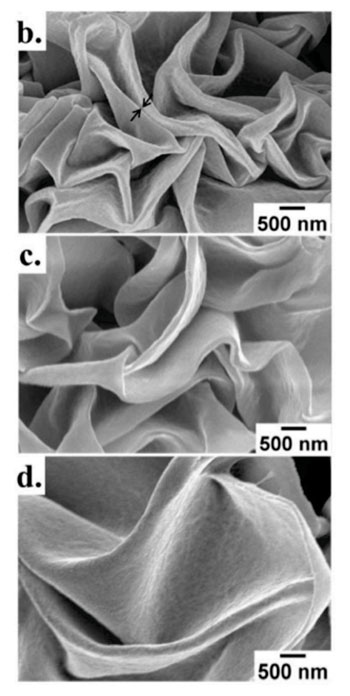
Image: Close-up images of the new metal-coated shrink-wrap nanostructures taken with a scanning electron microscope (SEM). Each image depicts the shrink-wrap surface with metal-coating made of a fixed amount of nickel (5 nm) and different thicknesses of gold: Top: 10 nm thick. Middle: 20 nm thick. Bottom: 30 nm thick. The black arrows in the top image indicate a nanogap (Photo courtesy of Optical Materials Express).
A novel technique uses wrinkles in metal-coated shrink-wrap to boost fluorescent signals 1,000-fold. The new technology may pave the way for low-cost, highly sensitive biomarker detection and diagnostic devices, and for enabling clinics in resource-limited regions provide their communities with more sensitive detection of infectious diseases.
A persistent challenge in fluorescence detection is to increase the signal to noise ratio of weakly fluorescent biomarkers or of biomolecules present at low concentration. Also, current methods for detection of infectious disease agents are predominantly cost-prohibitive in most areas of the world. Now a novel nanotechnology method using common shrink-wrap may help solve both problems.
The new technology, described by H. Sharma et al. in the Optical Society’s (Washington DC, USA) journal Optical Materials Express, on March 20, 2014, offers a way to significantly boost the signal of fluorescent markers used in biosensing by depositing a combination of metals onto shrink-wrap. “Using commodity shrink-wrap and bulk manufacturing processes, we can make low-cost nanostructures to enable fluorescence enhancements greater than a 1,000-fold, allowing for significantly lower limits of detection,” said Michelle Khine, biomedical engineering professor at the University of California, Irvine (USA); “If you have a solution with very few molecules that you are trying to detect—as in the case of infectious diseases—this platform will help amplify the signal so that a single molecule can be detected.”
In the method, developed by the UC Irvine team led by Prof. Khine, thin layers of gold and nickel are first deposited onto a prestressed thermoplastic polymer (shrink-wrap film). When heated, the shrink-wrap contracts, causing the stiffer metal layers to buckle and wrinkle into flower-like structures that are significantly smaller than previously achieved. Fluorescent-probe tagged biomarkers are added onto the wrinkled metal layer. Specifically, they observed more than three orders of magnitude enhancement in the fluorescence signal emitted from a single molecule of goat anti-mouse immunoglobulin G (IgG) antibody tagged with fluorescein isothiocyanate, FITC, (FITC-IgG), by two-photon excitation.
The enhanced emission is due to the excitation of localized surface plasmons (coherent oscillations of the free electrons in the metal). When light was shined onto the wrinkled surface, the electromagnetic field was amplified within the nanogaps between the shrink-wrap folds. This produced “hotspot” areas characterized by sudden bursts of intense fluorescence signals from the biomarkers. This is the first demonstration of leveraging the plasmons in such hybrid nanostructures by metal enhanced fluorescence (MEF) in the near-infrared wavelengths. The structures can be tuned to have a diverse range of architectures and nanogap sizes with tunable plasmon resonances, to achieve large fluorescence enhancements in other regions of the excitation wavelength spectrum.
Though the current setup requires expensive equipment, the team believes this approach will pave the way to creating an integrated, low-cost device to magnetically trap and sensitively detect labeled molecules and nanoparticles. However, biological sample testing is itself another technical challenge: “The technique should work with measuring fluorescent markers in biological samples, but we have not yet tested bodily fluids,” said Prof. Khine, who cautions that the technique is far from ready for clinical use. For example, she notes, “We are currently working on trying to detect Rotavirus, but one of the main challenges is that our surface is hydrophobic so diffusion of the biomarker onto our composite structures is limited."
University of California, Irvine
The Optical Society
Related Links:




A persistent challenge in fluorescence detection is to increase the signal to noise ratio of weakly fluorescent biomarkers or of biomolecules present at low concentration. Also, current methods for detection of infectious disease agents are predominantly cost-prohibitive in most areas of the world. Now a novel nanotechnology method using common shrink-wrap may help solve both problems.
The new technology, described by H. Sharma et al. in the Optical Society’s (Washington DC, USA) journal Optical Materials Express, on March 20, 2014, offers a way to significantly boost the signal of fluorescent markers used in biosensing by depositing a combination of metals onto shrink-wrap. “Using commodity shrink-wrap and bulk manufacturing processes, we can make low-cost nanostructures to enable fluorescence enhancements greater than a 1,000-fold, allowing for significantly lower limits of detection,” said Michelle Khine, biomedical engineering professor at the University of California, Irvine (USA); “If you have a solution with very few molecules that you are trying to detect—as in the case of infectious diseases—this platform will help amplify the signal so that a single molecule can be detected.”
In the method, developed by the UC Irvine team led by Prof. Khine, thin layers of gold and nickel are first deposited onto a prestressed thermoplastic polymer (shrink-wrap film). When heated, the shrink-wrap contracts, causing the stiffer metal layers to buckle and wrinkle into flower-like structures that are significantly smaller than previously achieved. Fluorescent-probe tagged biomarkers are added onto the wrinkled metal layer. Specifically, they observed more than three orders of magnitude enhancement in the fluorescence signal emitted from a single molecule of goat anti-mouse immunoglobulin G (IgG) antibody tagged with fluorescein isothiocyanate, FITC, (FITC-IgG), by two-photon excitation.
The enhanced emission is due to the excitation of localized surface plasmons (coherent oscillations of the free electrons in the metal). When light was shined onto the wrinkled surface, the electromagnetic field was amplified within the nanogaps between the shrink-wrap folds. This produced “hotspot” areas characterized by sudden bursts of intense fluorescence signals from the biomarkers. This is the first demonstration of leveraging the plasmons in such hybrid nanostructures by metal enhanced fluorescence (MEF) in the near-infrared wavelengths. The structures can be tuned to have a diverse range of architectures and nanogap sizes with tunable plasmon resonances, to achieve large fluorescence enhancements in other regions of the excitation wavelength spectrum.
Though the current setup requires expensive equipment, the team believes this approach will pave the way to creating an integrated, low-cost device to magnetically trap and sensitively detect labeled molecules and nanoparticles. However, biological sample testing is itself another technical challenge: “The technique should work with measuring fluorescent markers in biological samples, but we have not yet tested bodily fluids,” said Prof. Khine, who cautions that the technique is far from ready for clinical use. For example, she notes, “We are currently working on trying to detect Rotavirus, but one of the main challenges is that our surface is hydrophobic so diffusion of the biomarker onto our composite structures is limited."
University of California, Irvine
The Optical Society
Related Links:

Gold Member
Blood Gas Analyzer
Stat Profile pHOx
Gold Member
Hematology Analyzer
Medonic M32B
Gel Cards
DG Gel Cards
Latest Immunology News
- Blood Test Identifies Lung Cancer Patients Who Can Benefit from Immunotherapy Drug
- Whole-Genome Sequencing Approach Identifies Cancer Patients Benefitting From PARP-Inhibitor Treatment
- Ultrasensitive Liquid Biopsy Demonstrates Efficacy in Predicting Immunotherapy Response
- Blood Test Could Identify Colon Cancer Patients to Benefit from NSAIDs
- Blood Test Could Detect Adverse Immunotherapy Effects
- Routine Blood Test Can Predict Who Benefits Most from CAR T-Cell Therapy
- New Test Distinguishes Vaccine-Induced False Positives from Active HIV Infection
- Gene Signature Test Predicts Response to Key Breast Cancer Treatment
- Chip Captures Cancer Cells from Blood to Help Select Right Breast Cancer Treatment
- Blood-Based Liquid Biopsy Model Analyzes Immunotherapy Effectiveness
- Signature Genes Predict T-Cell Expansion in Cancer Immunotherapy
- Molecular Microscope Diagnostic System Assesses Lung Transplant Rejection
- Blood Test Tracks Treatment Resistance in High-Grade Serous Ovarian Cancer
- Luminescent Probe Measures Immune Cell Activity in Real Time
- Blood-Based Immune Cell Signatures Could Guide Treatment Decisions for Critically Ill Patients
- Novel Tool Predicts Most Effective Multiple Sclerosis Medication for Patients
Channels
Clinical Chemistry
view channel
New PSA-Based Prognostic Model Improves Prostate Cancer Risk Assessment
Prostate cancer is the second-leading cause of cancer death among American men, and about one in eight will be diagnosed in their lifetime. Screening relies on blood levels of prostate-specific antigen... Read more
Extracellular Vesicles Linked to Heart Failure Risk in CKD Patients
Chronic kidney disease (CKD) affects more than 1 in 7 Americans and is strongly associated with cardiovascular complications, which account for more than half of deaths among people with CKD.... Read more
Molecular Diagnostics
view channel
Diagnostic Device Predicts Treatment Response for Brain Tumors Via Blood Test
Glioblastoma is one of the deadliest forms of brain cancer, largely because doctors have no reliable way to determine whether treatments are working in real time. Assessing therapeutic response currently... Read more
Blood Test Detects Early-Stage Cancers by Measuring Epigenetic Instability
Early-stage cancers are notoriously difficult to detect because molecular changes are subtle and often missed by existing screening tools. Many liquid biopsies rely on measuring absolute DNA methylation... Read more
“Lab-On-A-Disc” Device Paves Way for More Automated Liquid Biopsies
Extracellular vesicles (EVs) are tiny particles released by cells into the bloodstream that carry molecular information about a cell’s condition, including whether it is cancerous. However, EVs are highly... Read more
Blood Test Identifies Inflammatory Breast Cancer Patients at Increased Risk of Brain Metastasis
Brain metastasis is a frequent and devastating complication in patients with inflammatory breast cancer, an aggressive subtype with limited treatment options. Despite its high incidence, the biological... Read moreHematology
view channel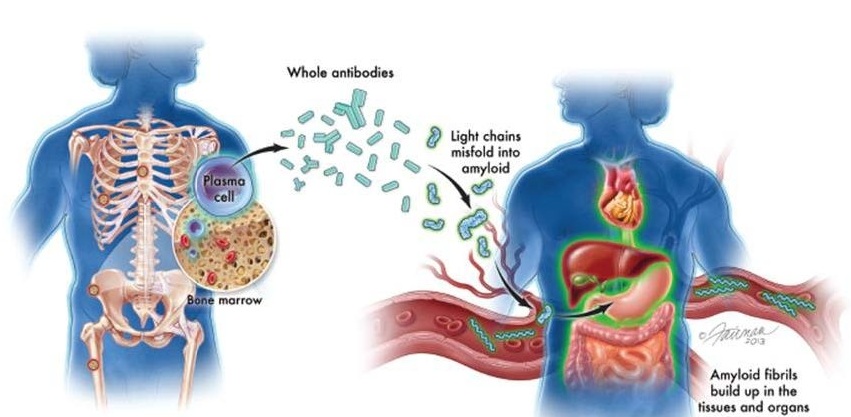
New Guidelines Aim to Improve AL Amyloidosis Diagnosis
Light chain (AL) amyloidosis is a rare, life-threatening bone marrow disorder in which abnormal amyloid proteins accumulate in organs. Approximately 3,260 people in the United States are diagnosed... Read more
Fast and Easy Test Could Revolutionize Blood Transfusions
Blood transfusions are a cornerstone of modern medicine, yet red blood cells can deteriorate quietly while sitting in cold storage for weeks. Although blood units have a fixed expiration date, cells from... Read more
Automated Hemostasis System Helps Labs of All Sizes Optimize Workflow
High-volume hemostasis sections must sustain rapid turnaround while managing reruns and reflex testing. Manual tube handling and preanalytical checks can strain staff time and increase opportunities for error.... Read more
High-Sensitivity Blood Test Improves Assessment of Clotting Risk in Heart Disease Patients
Blood clotting is essential for preventing bleeding, but even small imbalances can lead to serious conditions such as thrombosis or dangerous hemorrhage. In cardiovascular disease, clinicians often struggle... Read moreImmunology
view channel
Blood Test Identifies Lung Cancer Patients Who Can Benefit from Immunotherapy Drug
Small cell lung cancer (SCLC) is an aggressive disease with limited treatment options, and even newly approved immunotherapies do not benefit all patients. While immunotherapy can extend survival for some,... Read more
Whole-Genome Sequencing Approach Identifies Cancer Patients Benefitting From PARP-Inhibitor Treatment
Targeted cancer therapies such as PARP inhibitors can be highly effective, but only for patients whose tumors carry specific DNA repair defects. Identifying these patients accurately remains challenging,... Read more
Ultrasensitive Liquid Biopsy Demonstrates Efficacy in Predicting Immunotherapy Response
Immunotherapy has transformed cancer treatment, but only a small proportion of patients experience lasting benefit, with response rates often remaining between 10% and 20%. Clinicians currently lack reliable... Read more
Microbiology
view channel
Comprehensive Review Identifies Gut Microbiome Signatures Associated With Alzheimer’s Disease
Alzheimer’s disease affects approximately 6.7 million people in the United States and nearly 50 million worldwide, yet early cognitive decline remains difficult to characterize. Increasing evidence suggests... Read more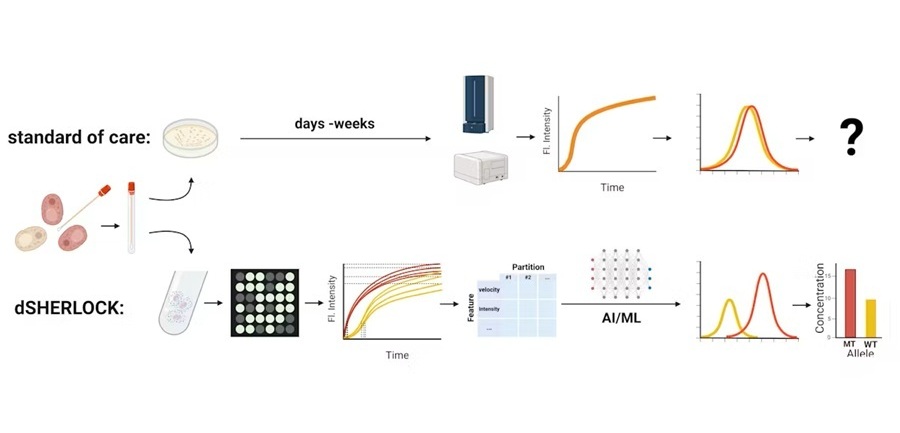
AI-Powered Platform Enables Rapid Detection of Drug-Resistant C. Auris Pathogens
Infections caused by the pathogenic yeast Candida auris pose a significant threat to hospitalized patients, particularly those with weakened immune systems or those who have invasive medical devices.... Read more

Pathology
view channel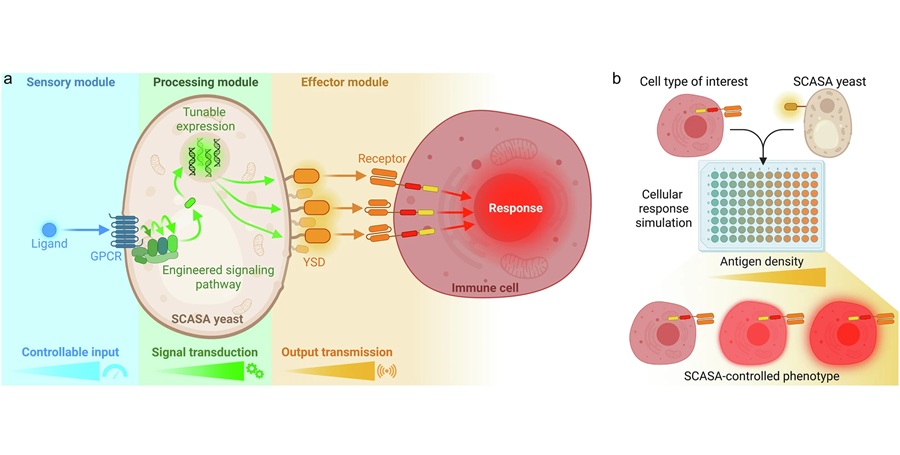
Engineered Yeast Cells Enable Rapid Testing of Cancer Immunotherapy
Developing new cancer immunotherapies is a slow, costly, and high-risk process, particularly for CAR T cell treatments that must precisely recognize cancer-specific antigens. Small differences in tumor... Read more
First-Of-Its-Kind Test Identifies Autism Risk at Birth
Autism spectrum disorder is treatable, and extensive research shows that early intervention can significantly improve cognitive, social, and behavioral outcomes. Yet in the United States, the average age... Read more
Industry
view channel
New Collaboration Brings Automated Mass Spectrometry to Routine Laboratory Testing
Mass spectrometry is a powerful analytical technique that identifies and quantifies molecules based on their mass and electrical charge. Its high selectivity, sensitivity, and accuracy make it indispensable... Read more
AI-Powered Cervical Cancer Test Set for Major Rollout in Latin America
Noul Co., a Korean company specializing in AI-based blood and cancer diagnostics, announced it will supply its intelligence (AI)-based miLab CER cervical cancer diagnostic solution to Mexico under a multi‑year... Read more
Diasorin and Fisher Scientific Enter into US Distribution Agreement for Molecular POC Platform
Diasorin (Saluggia, Italy) has entered into an exclusive distribution agreement with Fisher Scientific, part of Thermo Fisher Scientific (Waltham, MA, USA), for the LIAISON NES molecular point-of-care... Read more