Testing Calcium in Urine Can Detect Early Bone Loss
|
By LabMedica International staff writers Posted on 07 Jun 2012 |


|
Scientists have analyzed calcium isotopes in patients' urine to determine early bone loss.
This technique was more sensitive in detecting bone loss than the X-ray method used today, with less risk to patients. Eventually, it could be used in clinical settings, and could be the beginning of additional innovative biosignatures to detect disease.
Scientists at Arizona State University (ASU; Phoenix, AZ, USA) and NASA are developing and applying the technique that originated in the Earth sciences. Using a model developed by ASU Professor, Joseph Skulan, scientists can compare the variously sized isotopes to determine whether patients' bone density is decreasing.
Bone deterioration can strike when a person experiences skeletal unloading--a result of bones not having to carry weight--and that is common in both hospital patients and astronauts. The scientists studied the urine of 12 healthy, but bed-ridden patients, finding that their method could detect bone loss after just a week of bed rest, much faster than the current method of X-ray absorptiometry.
The findings were published in the online Early Edition of the Proceedings of the National Academy of Sciences of the USA (PNAS) the week of May 28, 2012. With proof of concept in hand, the scientists hope to expand the method to detect bone-density changes in cancer patients. "We showed that the concept works as expected in healthy people in a well-defined experiment," said senior author Ariel Anbar. "The next step is to see if it works as expected in patients with bone-altering diseases. That would open the door to clinical applications."
With the new technique, bone loss is detected by carefully analyzing the isotopes of the chemical element calcium that are naturally present in urine. Patients do not need to ingest any artificial tracers and they are not exposed to any radiation, so there is virtually no risk, the authors noted.
The concept extends even beyond bone and calcium, the authors noted. Many diseases cause subtle changes in element isotope abundances, or in the concentrations of elements. These sorts of signatures have not been systematically explored in the development of biosignatures of cancers and other diseases.
Related Links:
Arizona State University
NASA





This technique was more sensitive in detecting bone loss than the X-ray method used today, with less risk to patients. Eventually, it could be used in clinical settings, and could be the beginning of additional innovative biosignatures to detect disease.
Scientists at Arizona State University (ASU; Phoenix, AZ, USA) and NASA are developing and applying the technique that originated in the Earth sciences. Using a model developed by ASU Professor, Joseph Skulan, scientists can compare the variously sized isotopes to determine whether patients' bone density is decreasing.
Bone deterioration can strike when a person experiences skeletal unloading--a result of bones not having to carry weight--and that is common in both hospital patients and astronauts. The scientists studied the urine of 12 healthy, but bed-ridden patients, finding that their method could detect bone loss after just a week of bed rest, much faster than the current method of X-ray absorptiometry.
The findings were published in the online Early Edition of the Proceedings of the National Academy of Sciences of the USA (PNAS) the week of May 28, 2012. With proof of concept in hand, the scientists hope to expand the method to detect bone-density changes in cancer patients. "We showed that the concept works as expected in healthy people in a well-defined experiment," said senior author Ariel Anbar. "The next step is to see if it works as expected in patients with bone-altering diseases. That would open the door to clinical applications."
With the new technique, bone loss is detected by carefully analyzing the isotopes of the chemical element calcium that are naturally present in urine. Patients do not need to ingest any artificial tracers and they are not exposed to any radiation, so there is virtually no risk, the authors noted.
The concept extends even beyond bone and calcium, the authors noted. Many diseases cause subtle changes in element isotope abundances, or in the concentrations of elements. These sorts of signatures have not been systematically explored in the development of biosignatures of cancers and other diseases.
Related Links:
Arizona State University
NASA

Gold Member
STI Test
Vivalytic MG, MH, UP/UU
Manual Pipetting Aid
Pipette Controllers macro
Automated Clinical Chemistry Analyzer
Envoy 500+
Latest Clinical Chem. News
- Simple Blood-Based Cholesterol Efflux Assay Identifies High-Risk Coronary Plaque Features
- Plasma Vitamin C Levels Associated with Brain Structure and Connectivity in Aging
- Mass Spectrometry Detects Tumor Metabolites for Cancer Monitoring
- Urinary Biomarker Assay Predicts Kidney Disease Progression Beyond Standard Measures
- Saliva-Based Test Detects Biochemical Signs of Sleep Loss
- Simple Dual-Tau Blood Test Detects and Stages Alzheimer’s Disease
- Alzheimer’s Blood Biomarkers Linked to Early Cognitive Differences Before Dementia
- Urine-Based Test Shows Promise for Autism Screening in Children
- Blood-Based Sensor Detects Early Signs of Alzheimer’s and Parkinson’s
- Liquid Biopsy Biomarkers May Improve Childhood Epilepsy Diagnosis
- Urine-Based Alzheimer’s Test Receives FDA Breakthrough Device Designation
- Fluid Biomarker Improves Diagnosis and Monitoring of Primary CNS Lymphoma
- New CA19-9 Cutoff Value Helps Identify High-Risk Pancreatic Cancer Patients
- Blood-Based Biomarkers Show Promise for Psychosis Risk Prediction
- International Experts Recommend Ending Routine 'Corrected' Calcium Reporting
- Long-Term Data Show PSA Screening Modestly Reduces Prostate Cancer Deaths
Channels
Molecular Diagnostics
view channel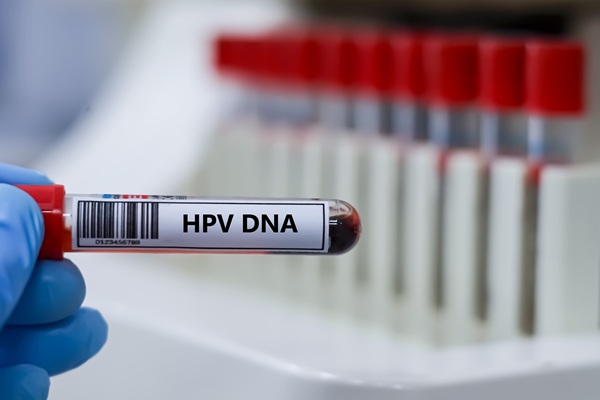
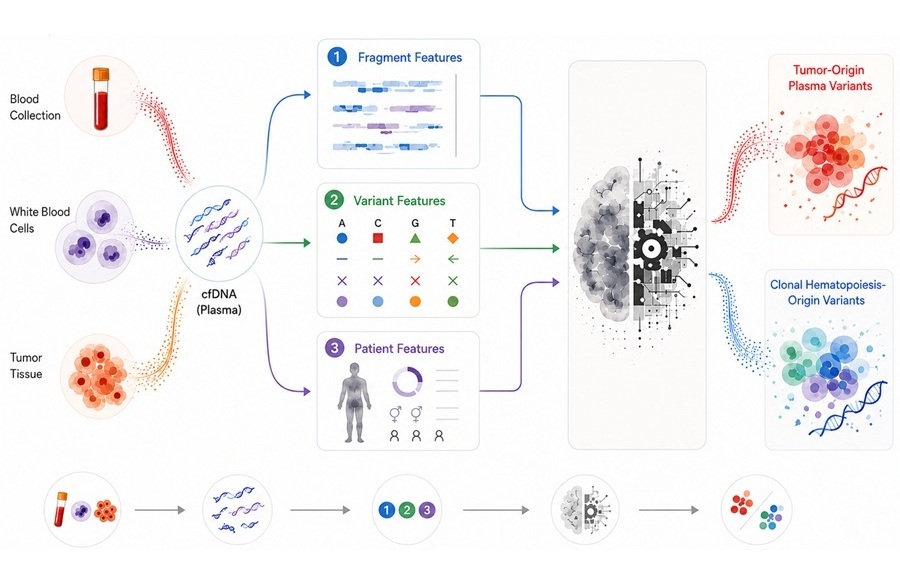
Ultrasensitive HPV Blood Test Predicts Early Recurrence in Head and Neck Cancer
Human papillomavirus (HPV)-associated head and neck cancers are frequently treated with surgery, but some patients experience recurrence due to residual microscopic disease. Postoperative decisions about... Read more
New Library Normalization and Amplification Tools Support Oncology Sequencing
High-throughput next-generation sequencing (NGS) laboratories continue to grapple with uneven library pooling and amplification artifacts that can degrade variant calling accuracy and increase reruns.... Read more
Hematology
view channel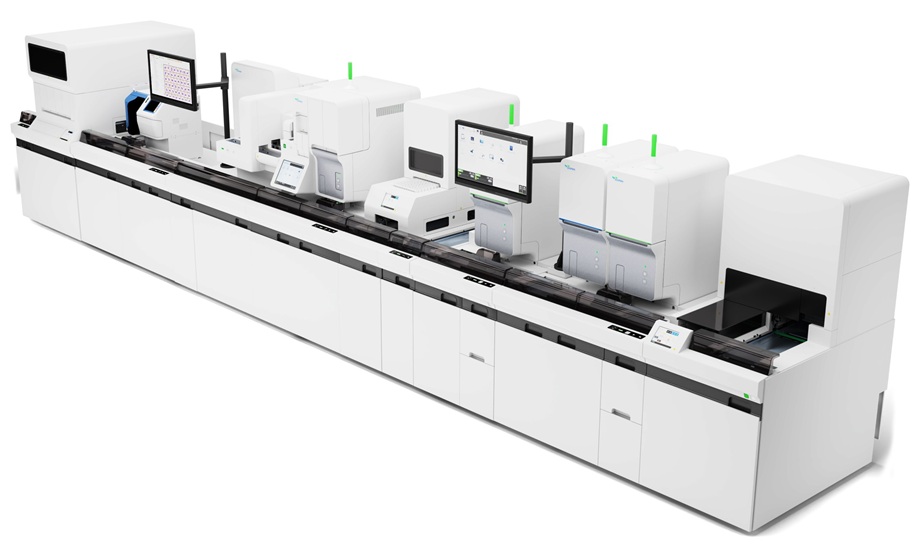
Next-Generation Hematology Platform Streamlines High-Complexity Lab Workflows
Sysmex America (Chicago, IL, USA) has introduced the next generation XR-Series, centered on the XR-10 Automated Hematology Module for high-complexity laboratories. The platform builds on the widely used... Read more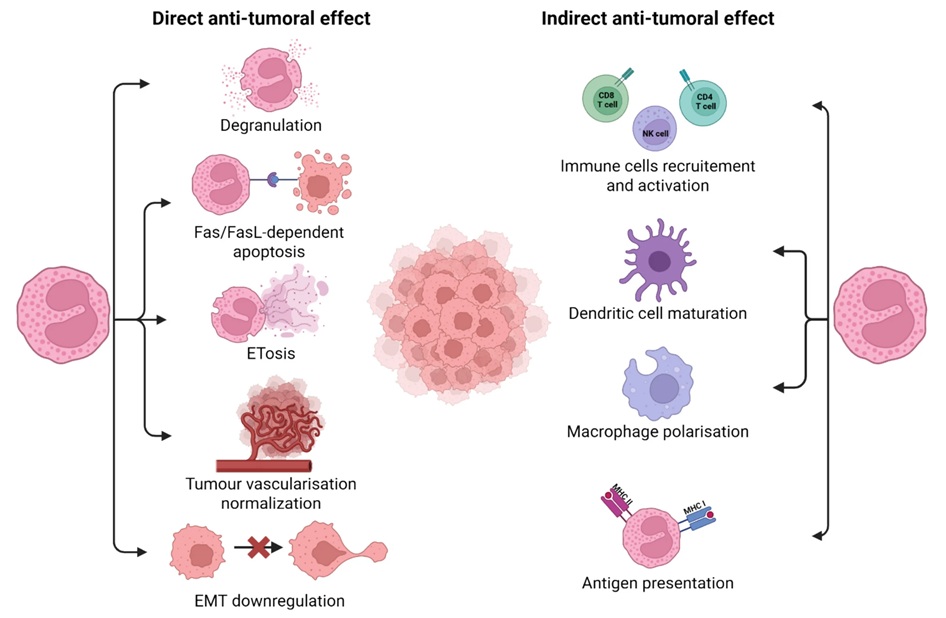
Blood Eosinophil Count May Predict Cancer Immunotherapy Response and Toxicity
Immune checkpoint inhibitors have improved outcomes across many cancers, yet only a subset of patients derive durable benefit and biomarkers to guide treatment remain limited. Eosinophils, best known for... Read more
Immunology
view channel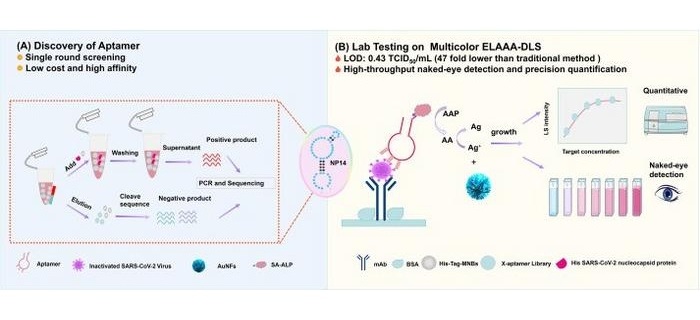
Aptamer-Based Biosensor Enables Mutation-Resilient SARS-CoV-2 Detection
Rapid evolution of severe acute respiratory syndrome coronavirus 2 (SARS-CoV-2) can undermine existing molecular diagnostics, especially when assays target small viral components. Double-antibody sandwich... Read more
Study Points to Autoimmune Pathway Behind Long COVID Symptoms
Long COVID leaves many SARS-CoV-2 survivors with persistent fatigue, cognitive issues, palpitations, and musculoskeletal pain for months or years. Estimates cited in new research suggest 4%–20% of infected... Read more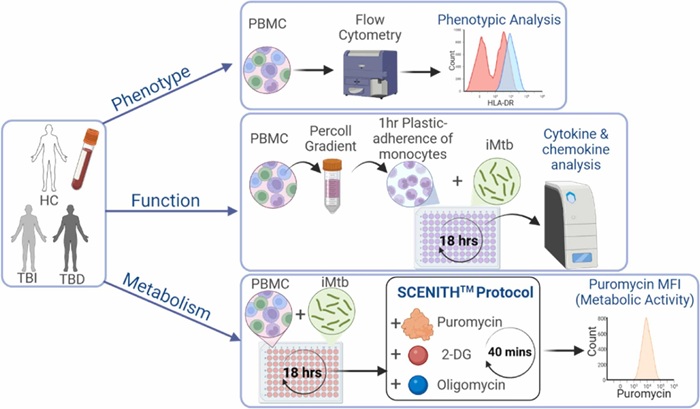
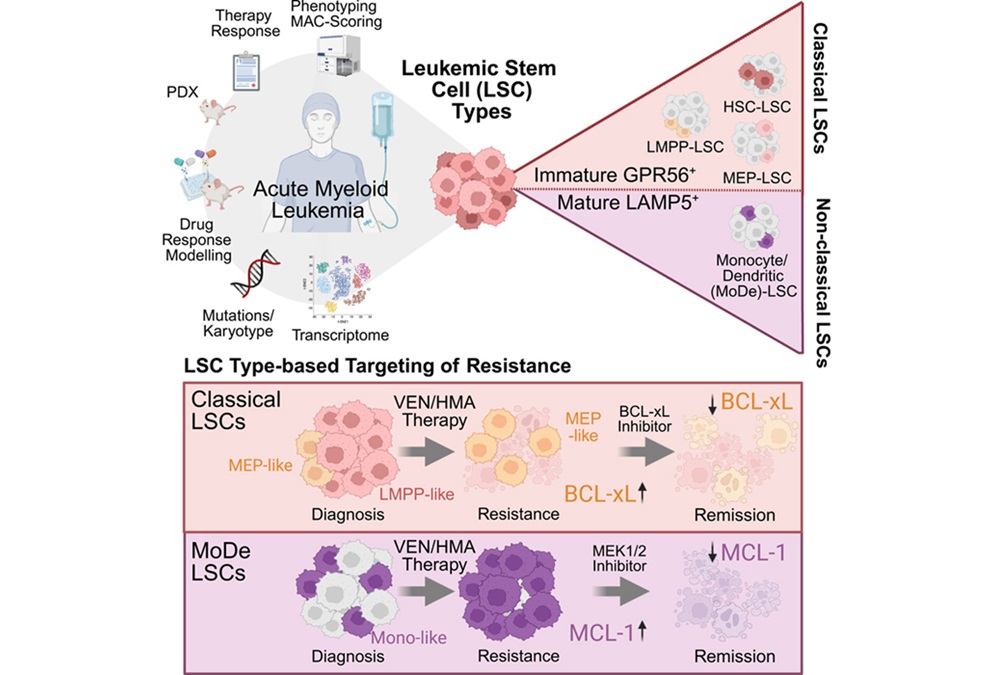
Metabolic Biomarker Distinguishes Latent from Active Tuberculosis and Tracks Treatment Response
Tuberculosis (TB) remains the world’s leading infectious killer, with 10.8 million cases and 1.25 million deaths recorded globally in 2023. Yet many infected individuals never develop active disease, underscoring... Read more
Microbiology
view channel
TORCH Infection Trends Point to Need for Tailored Screening in Pregnancy
Congenital TORCH infections can be asymptomatic during pregnancy yet cause stillbirth, birth defects, and lifelong disability in infants. Many regions still lack robust surveillance to guide testing and... Read more
New Culture Medium Speeds C. difficile Resistance Detection and Reduces Costs
Clostridioides difficile infections remain a persistent threat in hospitals and communities, affecting about 500,000 people in the United States each year. Severe cases can be fatal within 30 days of diagnosis,... Read more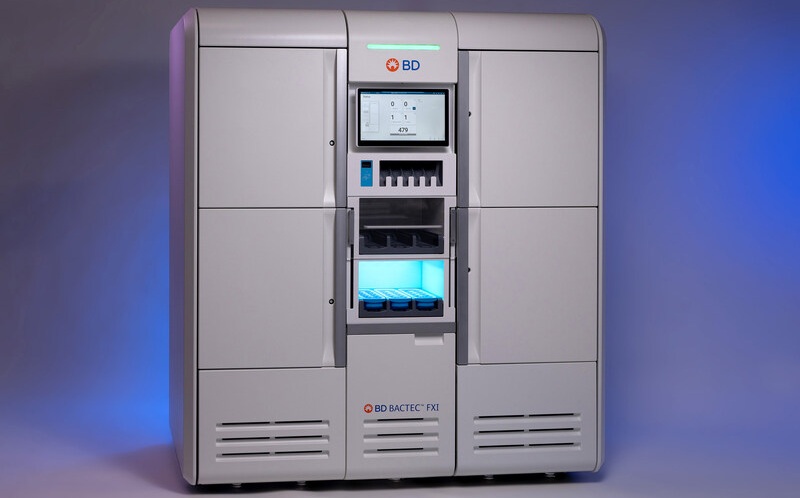
Pathology
view channel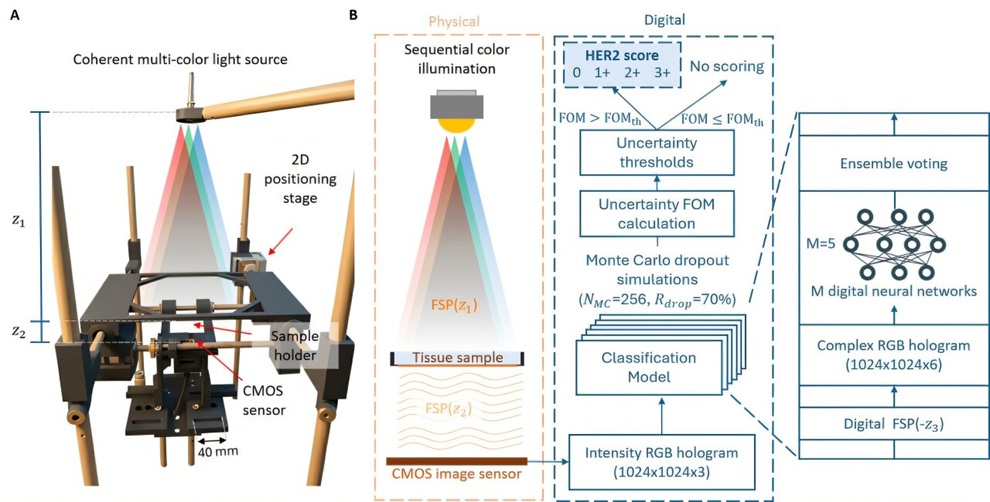
Uncertainty-Aware AI Platform Supports Automated HER2 Assessment in Breast Cancer
Accurate assessment of human epidermal growth factor receptor 2 (HER2) is critical for breast cancer diagnosis and treatment selection, yet scoring variability and infrastructure requirements can complicate... Read more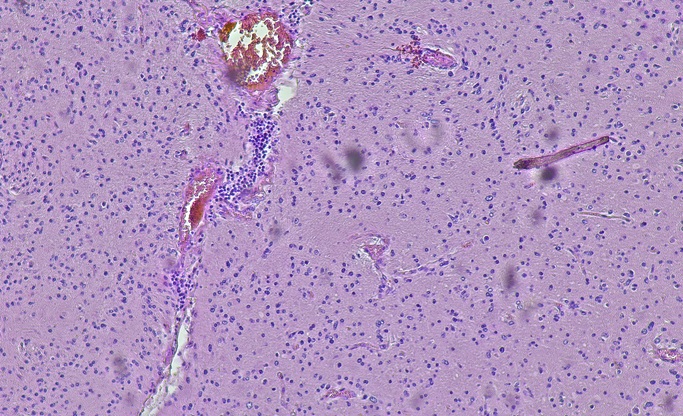
AI Tool Speeds Brain Tumor Classification from Routine Histology Slides
Accurate classification of brain and spinal cord tumors increasingly depends on molecular profiling alongside histology, but access to such testing remains limited and results can take about two weeks.... Read more
IHC Companion Diagnostic Standardizes Mismatch Repair Testing for Cancer Immunotherapy
Deficient DNA mismatch repair is an established predictive biomarker for response to immune checkpoint inhibitors, yet access to standardized assessment has varied across tumor types. Cancer remains the... Read more
Technology
view channel
AI Platform Links Biomarker Results to Cancer Clinical Trials and Guidelines
Oncology teams must manage growing volumes of genomic data, rapidly evolving clinical trial options, and frequently updated care guidelines, all within tight clinic schedules. Translating complex tumor... Read more
Agentic AI Platform Supports Genomic Decision-Making in Oncology
Oncology care teams increasingly face the challenge of managing complex molecular diagnostics, evolving treatment options, and extensive electronic health record documentation. Translating multimodal data... Read more
Industry
view channel
Open-Source Consortium Aims to Standardize Digital Pathology Workflows
Digital pathology is expanding rapidly as laboratories adopt whole-slide imaging and computational tools to meet growing diagnostic and biomarker-testing demand. However, fragmented software infrastructure... Read more