Optical Microscope Can Image Flow of Individual Blood Cells
|
By LabMedica International staff writers Posted on 31 May 2012 |


|
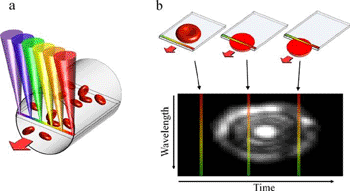
Image: Image acquisition in SEFC. (a) A single line within a blood vessel is imaged with multiple colors of light that encode lateral positions. (b) A single cell crossing the spectral line produces a two-dimensional image with one axis encoded by wavelength and the other by time (Photo courtesy of the Technion, Israel Institute of Technology, Biomedical Optics Lab).
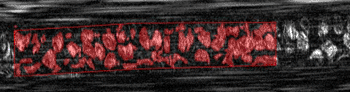
Image: In vivo imaging in microvessels. Extracting the fractional area occupied by RBCs in a vessel using manual segmentation for assessing hematocrit levels. Red regions correspond to areas occupied by RBCs (Photo courtesy of the Technion, Israel Institute of Technology, Biomedical Optics Lab).
A new device uses a technique called spectrally encoded confocal microscopy (SECM), which creates images by splitting a light beam into its constituent colors.
The rainbow of light has been used to image the flow of individual blood cells providing a noninvasive test, which promises rapid, pain free diagnoses. The optical instrument is able to provide high-resolution images of blood coursing through the veins without the need for harsh and short-lived fluorescent dyes.
The colors are spread out in a line from red to violet. To scan blood cells in motion, a probe is pressed against the skin of a patient and the rainbow-like line of light is directed across a blood vessel near the surface of the skin. As blood cells cross the line, they scatter light, which is collected and analyzed. The color of the scattered light carries spatial information, and computer programs interpret the signal over time to create 2-D images of the blood cells.
Using the new microscope, scientists imaged the blood flowing through a vessel in the lower lip of a volunteer. They successfully measured the average diameter of the red and white blood cells and calculated the percent volume of the different cell types, a key measurement for many medical diagnoses.
Lior Golan, a graduate student in the biomedical engineering department at the Israel Institute of Technology, or Technion (Haifa, Israel), noted that by eliminating the long waiting time for blood test results, "the new microscope might help spotlight warning signs, like high white blood cell count, before a patient develops severe medical problems. The portability of the device could also enable doctors in rural areas without easy access to medical labs to screen large populations for common blood disorders."
The narrow field of view of the microscope made it difficult for the team to locate suitable capillary vessels to image. Therefore, the scientists added a green light-emitting diode (LED) and camera to the system to provide a wider view in which the blood vessels appeared dark because hemoglobin absorbs green light. “Unfortunately, the green channel does not help in finding the depth of the blood vessel,” noted Dr. Golan. “Adjusting the imaging depth of the probe for imaging a small capillary is still a challenge we will address in future research.”
The scientists are also working on a second-generation system with higher penetration depth. The new system might expand the range of possible imaging sites beyond the inside lip, which was selected as a test site because it is rich in blood vessels, has no pigment to block light, and doesn’t lose blood flow in trauma patients.
Additional steps include work to miniaturize the system for ease of transport and use. “Currently, the probe is a bench-top laboratory version about the size of a small shoebox,” said Dr. Golan. “We hope to have a thumb-size prototype within the next year.”
Other blood-scanning systems with cellular resolution do exist, but they are far less practical, relying on bulky equipment or potentially harmful fluorescent dyes that must be injected into the bloodstream.
A paper describing the device will appear on June 1, 2012, in the Optical Society's (OSA) open-access journal Biomedical Optics Express.
Related Links:
Technion
Technion Biomedical Optics Lab





The rainbow of light has been used to image the flow of individual blood cells providing a noninvasive test, which promises rapid, pain free diagnoses. The optical instrument is able to provide high-resolution images of blood coursing through the veins without the need for harsh and short-lived fluorescent dyes.
The colors are spread out in a line from red to violet. To scan blood cells in motion, a probe is pressed against the skin of a patient and the rainbow-like line of light is directed across a blood vessel near the surface of the skin. As blood cells cross the line, they scatter light, which is collected and analyzed. The color of the scattered light carries spatial information, and computer programs interpret the signal over time to create 2-D images of the blood cells.
Using the new microscope, scientists imaged the blood flowing through a vessel in the lower lip of a volunteer. They successfully measured the average diameter of the red and white blood cells and calculated the percent volume of the different cell types, a key measurement for many medical diagnoses.
Lior Golan, a graduate student in the biomedical engineering department at the Israel Institute of Technology, or Technion (Haifa, Israel), noted that by eliminating the long waiting time for blood test results, "the new microscope might help spotlight warning signs, like high white blood cell count, before a patient develops severe medical problems. The portability of the device could also enable doctors in rural areas without easy access to medical labs to screen large populations for common blood disorders."
The narrow field of view of the microscope made it difficult for the team to locate suitable capillary vessels to image. Therefore, the scientists added a green light-emitting diode (LED) and camera to the system to provide a wider view in which the blood vessels appeared dark because hemoglobin absorbs green light. “Unfortunately, the green channel does not help in finding the depth of the blood vessel,” noted Dr. Golan. “Adjusting the imaging depth of the probe for imaging a small capillary is still a challenge we will address in future research.”
The scientists are also working on a second-generation system with higher penetration depth. The new system might expand the range of possible imaging sites beyond the inside lip, which was selected as a test site because it is rich in blood vessels, has no pigment to block light, and doesn’t lose blood flow in trauma patients.
Additional steps include work to miniaturize the system for ease of transport and use. “Currently, the probe is a bench-top laboratory version about the size of a small shoebox,” said Dr. Golan. “We hope to have a thumb-size prototype within the next year.”
Other blood-scanning systems with cellular resolution do exist, but they are far less practical, relying on bulky equipment or potentially harmful fluorescent dyes that must be injected into the bloodstream.
A paper describing the device will appear on June 1, 2012, in the Optical Society's (OSA) open-access journal Biomedical Optics Express.
Related Links:
Technion
Technion Biomedical Optics Lab

Gold Member
STI Test
Vivalytic MG, MH, UP/UU
Japanese Encephalitis Test
Japanese Encephalitis Virus Real Time PCR Kit
Steam Sterilizer
Hi Vac II Line
Latest Hematology News
- Next-Generation Hematology Platform Streamlines High-Complexity Lab Workflows
- Blood Eosinophil Count May Predict Cancer Immunotherapy Response and Toxicity
- Higher Ferritin Threshold May Improve Iron Deficiency Detection in Children
- Stem Cell Biomarkers May Guide Precision Treatment in Acute Myeloid Leukemia
- Advanced CBC-Derived Indices Integrated into Hematology Platforms
- Blood Test Enables Early Detection of Multiple Myeloma Relapse
- Single Assay Enables Rapid HLA and ABO Genotyping for Transplant Matching
- Prognostic Biomarker Identified in Diffuse Large B-Cell Lymphoma
- Routine Blood Test Parameters Link Anemia to Cancer Risk and Mortality
- Prognostic Tool Guides Personalized Treatment in Rare Blood Cancer
- New Platelet Function Assay Enables Monitoring of Antiplatelet Therapy
- Open Multi-Omics Platform Identifies Prognostic Subtypes in Blood Cancers
- AI-Powered Digital Workflow Standardizes Bone Marrow Aspirate Morphology
- Rapid Cartridge-Based Test Aims to Expand Access to Hemoglobin Disorder Diagnosis
- New Guidelines Aim to Improve AL Amyloidosis Diagnosis
- Automated Hemostasis System Helps Labs of All Sizes Optimize Workflow
Channels
Clinical Chemistry
view channel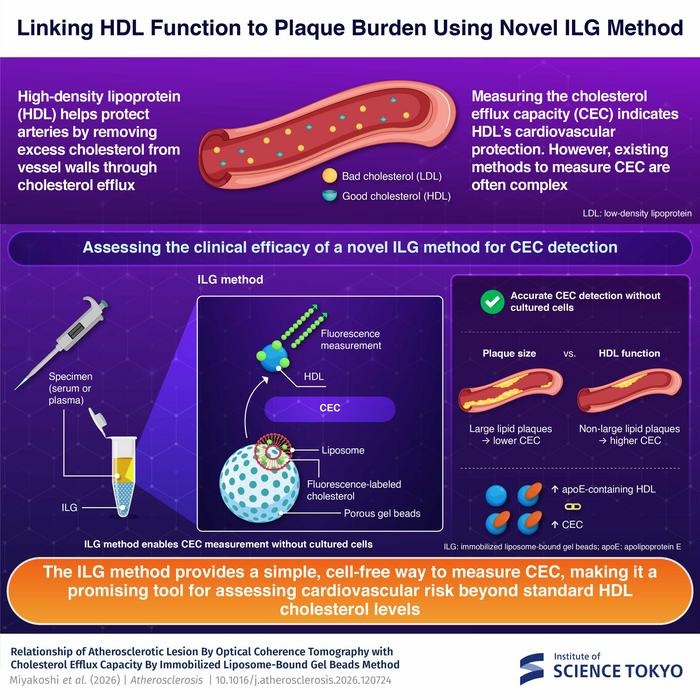
Simple Blood-Based Cholesterol Efflux Assay Identifies High-Risk Coronary Plaque Features
Unstable coronary plaques are difficult to identify before they trigger acute cardiovascular events. Standard high-density lipoprotein (HDL) measurements do not always capture how well HDL particles function... Read more
Plasma Vitamin C Levels Associated with Brain Structure and Connectivity in Aging
Previous studies have linked vitamin C–rich diets with lower risk of cognitive impairment in older adults. However, few investigations have directly examined blood plasma vitamin C in relation to brain... Read more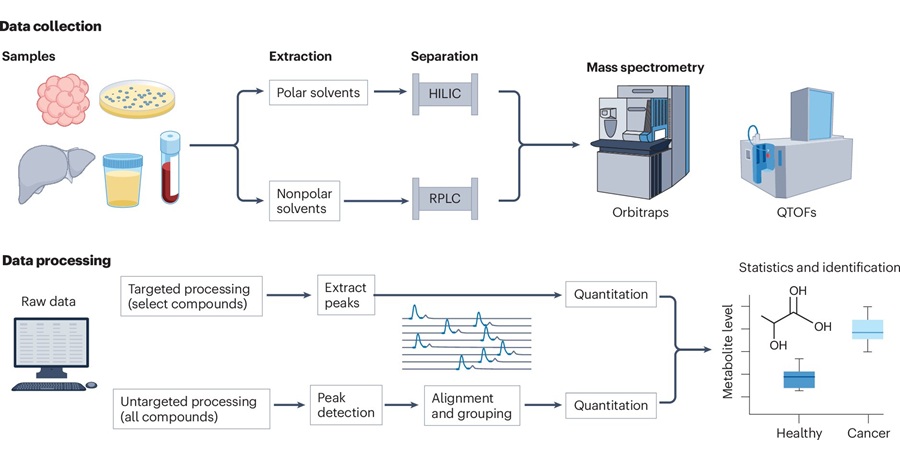
Mass Spectrometry Detects Tumor Metabolites for Cancer Monitoring
Cancer’s altered metabolism complicates how clinicians detect and monitor tumors, because nutrient use can shift with context and time. Measuring small-molecule metabolites that distinguish malignant from... Read more
Urinary Biomarker Assay Predicts Kidney Disease Progression Beyond Standard Measures
Many patients with type 2 diabetes and chronic kidney disease continue to experience progressive renal decline, yet conventional markers such as albuminuria and estimated glomerular filtration rate (eGFR)... Read moreMolecular Diagnostics
view channel
Ultrasensitive HPV Blood Test Predicts Early Recurrence in Head and Neck Cancer
Human papillomavirus (HPV)-associated head and neck cancers are frequently treated with surgery, but some patients experience recurrence due to residual microscopic disease. Postoperative decisions about... Read more
New Library Normalization and Amplification Tools Support Oncology Sequencing
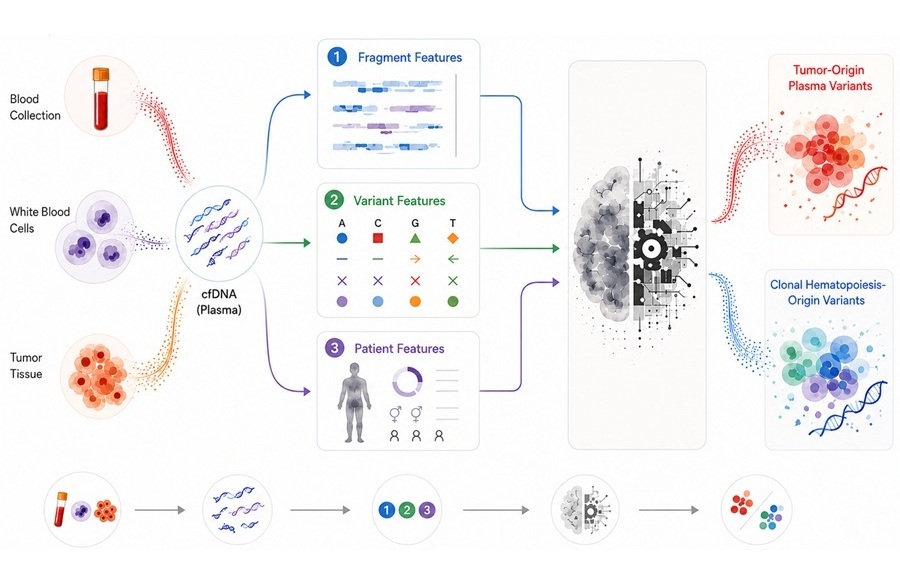
High-throughput next-generation sequencing (NGS) laboratories continue to grapple with uneven library pooling and amplification artifacts that can degrade variant calling accuracy and increase reruns.... Read more
Immunology
view channel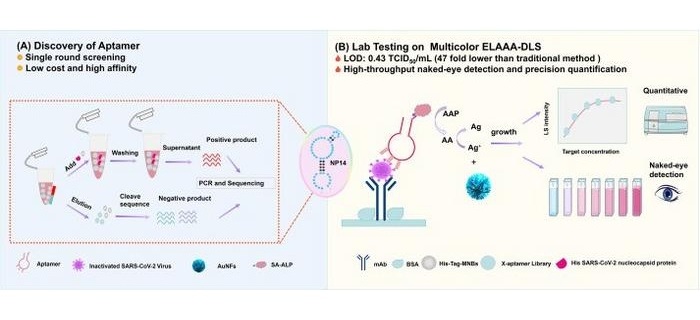
Aptamer-Based Biosensor Enables Mutation-Resilient SARS-CoV-2 Detection
Rapid evolution of severe acute respiratory syndrome coronavirus 2 (SARS-CoV-2) can undermine existing molecular diagnostics, especially when assays target small viral components. Double-antibody sandwich... Read more
Study Points to Autoimmune Pathway Behind Long COVID Symptoms
Long COVID leaves many SARS-CoV-2 survivors with persistent fatigue, cognitive issues, palpitations, and musculoskeletal pain for months or years. Estimates cited in new research suggest 4%–20% of infected... Read more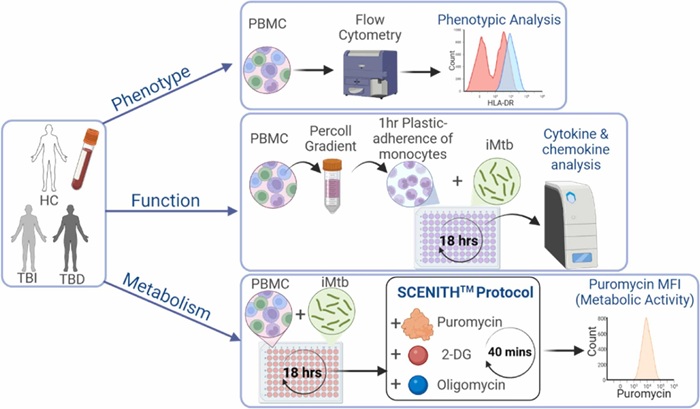
Metabolic Biomarker Distinguishes Latent from Active Tuberculosis and Tracks Treatment Response
Tuberculosis (TB) remains the world’s leading infectious killer, with 10.8 million cases and 1.25 million deaths recorded globally in 2023. Yet many infected individuals never develop active disease, underscoring... Read more
Microbiology
view channel
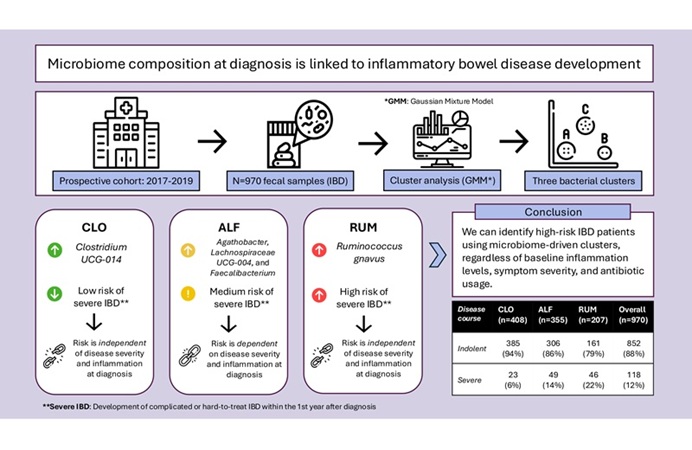
TORCH Infection Trends Point to Need for Tailored Screening in Pregnancy
Congenital TORCH infections can be asymptomatic during pregnancy yet cause stillbirth, birth defects, and lifelong disability in infants. Many regions still lack robust surveillance to guide testing and... Read more
New Culture Medium Speeds C. difficile Resistance Detection and Reduces Costs
Clostridioides difficile infections remain a persistent threat in hospitals and communities, affecting about 500,000 people in the United States each year. Severe cases can be fatal within 30 days of diagnosis,... Read more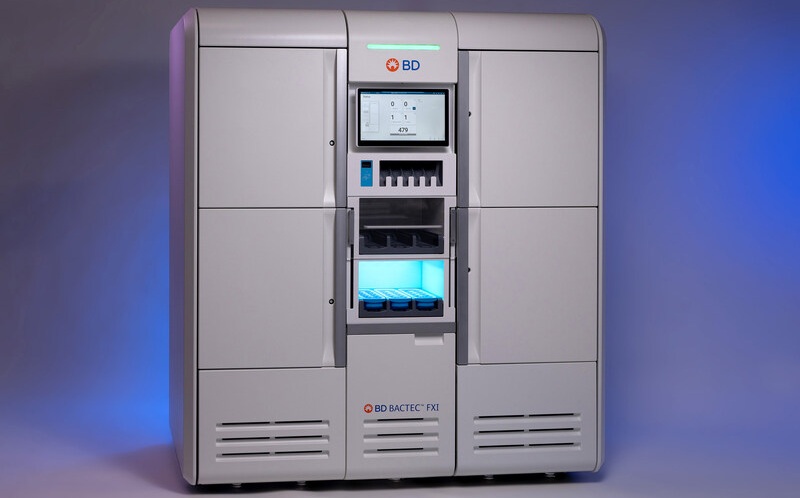
Pathology
view channel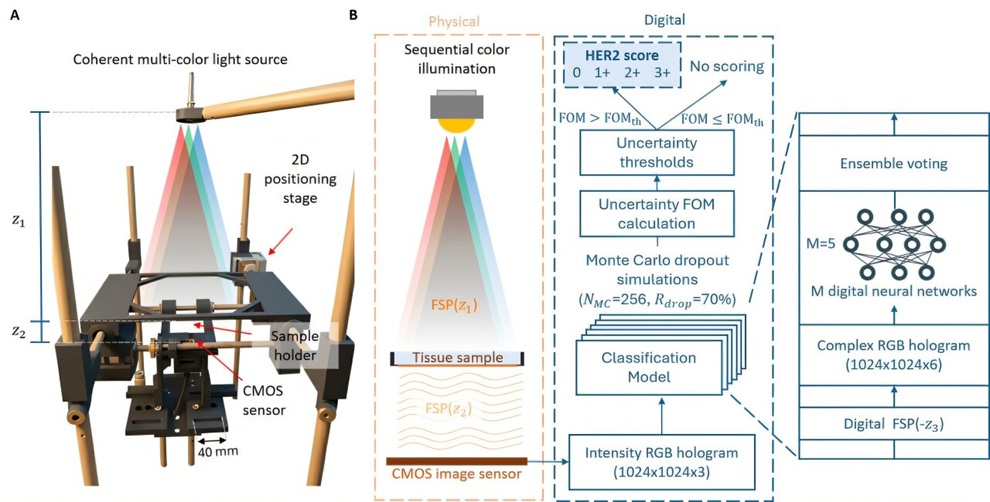
Uncertainty-Aware AI Platform Supports Automated HER2 Assessment in Breast Cancer
Accurate assessment of human epidermal growth factor receptor 2 (HER2) is critical for breast cancer diagnosis and treatment selection, yet scoring variability and infrastructure requirements can complicate... Read more
AI Tool Speeds Brain Tumor Classification from Routine Histology Slides
Accurate classification of brain and spinal cord tumors increasingly depends on molecular profiling alongside histology, but access to such testing remains limited and results can take about two weeks.... Read more
IHC Companion Diagnostic Standardizes Mismatch Repair Testing for Cancer Immunotherapy
Deficient DNA mismatch repair is an established predictive biomarker for response to immune checkpoint inhibitors, yet access to standardized assessment has varied across tumor types. Cancer remains the... Read more
Technology
view channel
AI Platform Links Biomarker Results to Cancer Clinical Trials and Guidelines
Oncology teams must manage growing volumes of genomic data, rapidly evolving clinical trial options, and frequently updated care guidelines, all within tight clinic schedules. Translating complex tumor... Read more
Agentic AI Platform Supports Genomic Decision-Making in Oncology
Oncology care teams increasingly face the challenge of managing complex molecular diagnostics, evolving treatment options, and extensive electronic health record documentation. Translating multimodal data... Read more

Industry
view channel
Open-Source Consortium Aims to Standardize Digital Pathology Workflows
Digital pathology is expanding rapidly as laboratories adopt whole-slide imaging and computational tools to meet growing diagnostic and biomarker-testing demand. However, fragmented software infrastructure... Read more