IVD Market Expected to Grow Substantially in 2012-2014
|
By LabMedica International staff writers Posted on 13 Dec 2011 |


|
The global in vitro diagnostics (IVD) market is expected to grow in 2012-2014 following a surge in Mergers and Acquisitions (M&A) deal values, an acceleration of companion diagnostics partnerships, and the emergence of new prospects for early detection testing, according to Diagnostics 2011, PwC's (New York, NY, USA) biennial review of the IVD sector.
Financial investors, life sciences research groups, clinical laboratories, and medical technology players are all entering the IVD market. Multibillion dollar IVD deals in first seven months of 2011 more than triple total M&A deal value from 2010 to more than US $15 billion.
Several companies are driving the development of a wave of new tests for early detection of major cancers. If the market adopts the concept of using noninvasive in vitro diagnostics for early detection, a major diagnostics or pharmaceutical company could move to acquire one or several of the promising new ventures in this field.
"The IVD sector has attracted exceptional levels of interest, especially reflected in the acceleration of companion diagnostics partnerships with pharmaceutical companies. This momentum will continue as long as innovation and growth prospects in key market segments, such as molecular and tissue diagnostics, remain strong, and rapid action is taken by stakeholders to create a favorable environment for sustaining such innovation, including pricing, regulatory pathways, clinical trial design, reimbursement, and drug-diagnostic value-sharing," said Loic Kubitza, director, pharmaceutical & life sciences advisory services, PwC Luxembourg, and author of the Diagnostics 2011 report.
PwC's Pharmaceutical, Medical Device and Life Sciences industry group is dedicated to delivering effective solutions to the strategic, operational and financial challenges facing pharmaceutical, biotechnology and medical device companies.
Related Links:
PwC





Financial investors, life sciences research groups, clinical laboratories, and medical technology players are all entering the IVD market. Multibillion dollar IVD deals in first seven months of 2011 more than triple total M&A deal value from 2010 to more than US $15 billion.
Several companies are driving the development of a wave of new tests for early detection of major cancers. If the market adopts the concept of using noninvasive in vitro diagnostics for early detection, a major diagnostics or pharmaceutical company could move to acquire one or several of the promising new ventures in this field.
"The IVD sector has attracted exceptional levels of interest, especially reflected in the acceleration of companion diagnostics partnerships with pharmaceutical companies. This momentum will continue as long as innovation and growth prospects in key market segments, such as molecular and tissue diagnostics, remain strong, and rapid action is taken by stakeholders to create a favorable environment for sustaining such innovation, including pricing, regulatory pathways, clinical trial design, reimbursement, and drug-diagnostic value-sharing," said Loic Kubitza, director, pharmaceutical & life sciences advisory services, PwC Luxembourg, and author of the Diagnostics 2011 report.
PwC's Pharmaceutical, Medical Device and Life Sciences industry group is dedicated to delivering effective solutions to the strategic, operational and financial challenges facing pharmaceutical, biotechnology and medical device companies.
Related Links:
PwC

Gold Member
Flocked Fiber Swabs
Puritan® Patented HydraFlock®
Electrolyte Analyzer
CBS-4000 (CBS-400)
Manual Pipetting Aid
Pipette Controllers macro
Latest Industry News
- Collaboration Advances ctDNA-Guided Development in Metastatic Colorectal Cancer
- Diazyme Laboratories Acquires Carolina Liquid Chemistries
- Partnership Expands Access to Alzheimer’s Blood Tests in Latin America and Caribbean
- Global Multiplex Assays Market Driven by High-Throughput Diagnostic Demand
- GRAIL Presents Full Results from NHS-Galleri Trial at ASCO 2026
- Global Framework Integrates Digital Pathology for Companion Diagnostic Development
- Werfen and Oxford Nanopore Collaborate on Transplant Assay Development
- New Distribution Agreement Expands Access to CE-Marked Precision Oncology Assays
- ClearNote Health to Present Pancreatic Cancer Blood Test Data at ASCO 2026
- Artera to Highlight AI-Based Cancer Risk Stratification at ASCO 2026
- Natera to Present Data on MRD-Guided Cancer Care at ASCO 2026
- Fujifilm Integrates Structured Reporting into Digital Pathology Workflow
- Strategic Collaboration Advances RNA Foundation Models for Precision Oncology
- Partnership Brings Single-Cell Analysis into Clinical Oncology Workflows
- Partnership Aims to Bring Risk-Guided CKD Care to Health Systems
- AI-Powered Multi-Functional Analyzer Wins German Innovation Award
Channels
Clinical Chemistry
view channel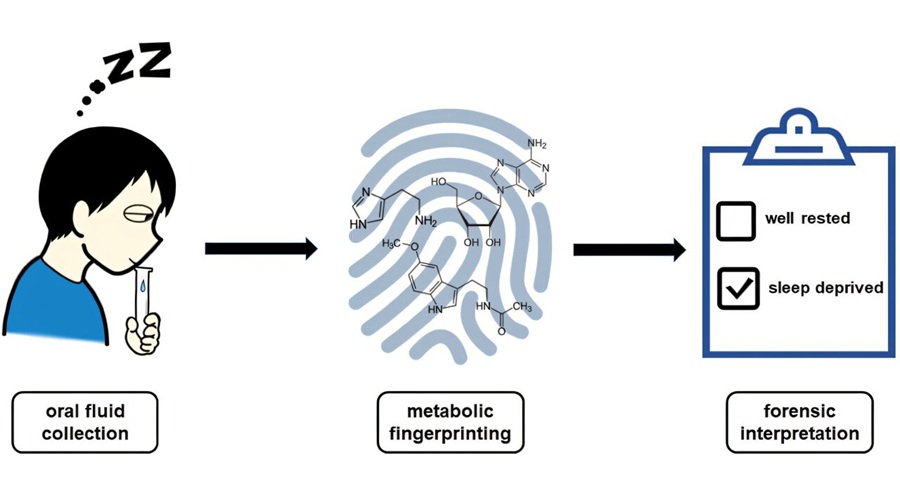
Saliva-Based Test Detects Biochemical Signs of Sleep Loss
Acute sleep loss impairs cognition and motor skills, raising safety risks that resemble alcohol intoxication. Clinicians currently lack an objective biochemical test to determine when someone is dangerously... Read more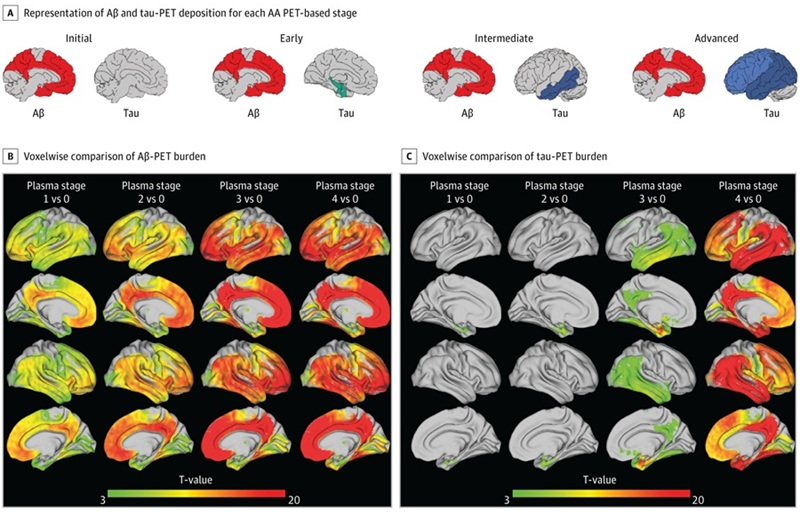
Simple Dual-Tau Blood Test Detects and Stages Alzheimer’s Disease
Alzheimer’s disease is typically confirmed and staged with positron emission tomography scans and cerebrospinal fluid testing, procedures that are costly and invasive. Broader access to minimally invasive... Read more
Alzheimer’s Blood Biomarkers Linked to Early Cognitive Differences Before Dementia
Blood-based screening for Alzheimer’s disease offers a noninvasive, lower-cost alternative to brain imaging or spinal fluid testing, yet its ability to flag the earliest cognitive changes has been unclear.... Read more
Molecular Diagnostics
view channel
Blood Test Predicts Immunotherapy Response in Head and Neck Cancer
Head and neck squamous cell carcinoma affects hundreds of thousands of people worldwide each year, yet response rates to immunotherapy remain low. Clinicians lack reliable, minimally invasive tools to... Read more
New PCR Assay Supports Bundibugyo Ebola Outbreak Surveillance
Rapid identification of Ebola infections is essential to limit transmission and guide public health response, yet detection can be difficult when outbreaks involve rare variants. The current outbreaks... Read more
Hematology
view channel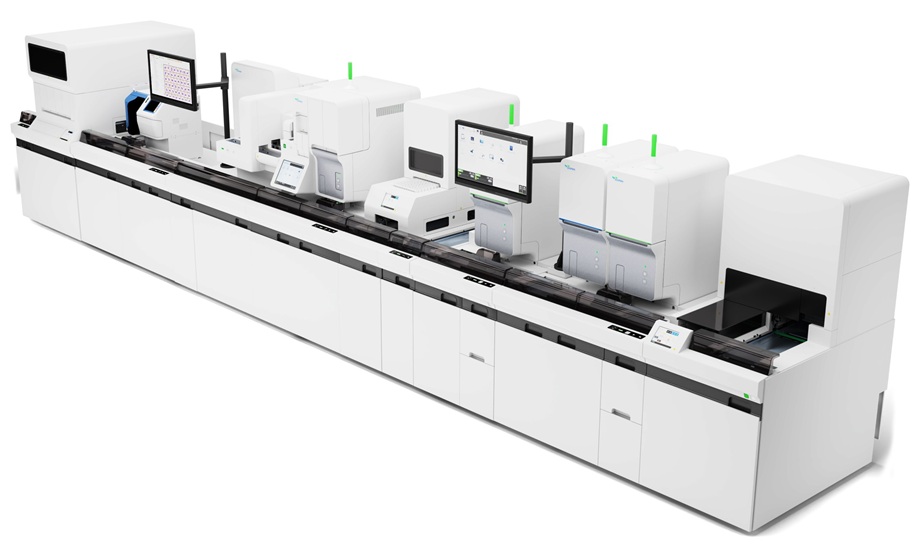
Next-Generation Hematology Platform Streamlines High-Complexity Lab Workflows
Sysmex America (Chicago, IL, USA) has introduced the next generation XR-Series, centered on the XR-10 Automated Hematology Module for high-complexity laboratories. The platform builds on the widely used... Read more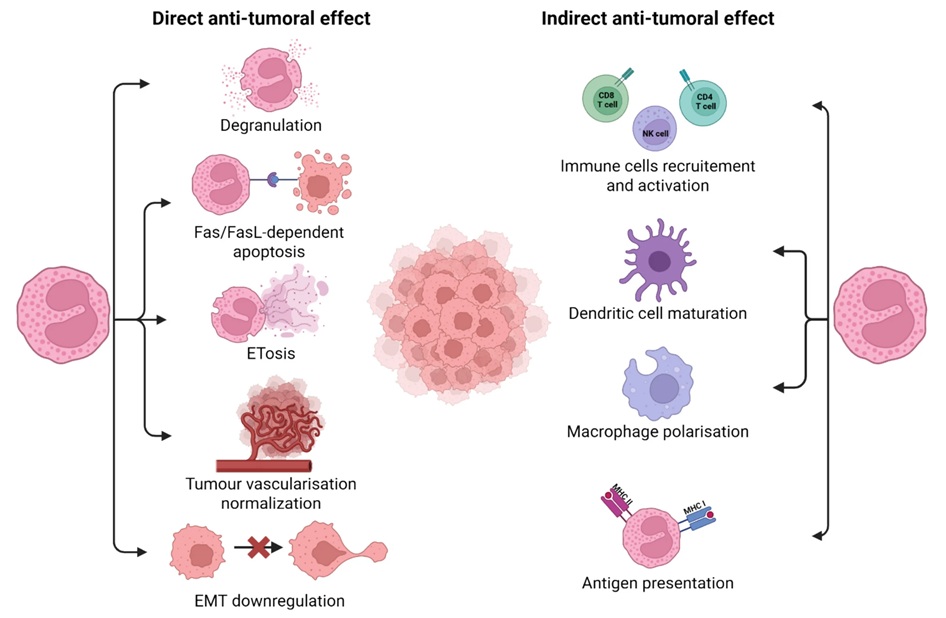
Blood Eosinophil Count May Predict Cancer Immunotherapy Response and Toxicity
Immune checkpoint inhibitors have improved outcomes across many cancers, yet only a subset of patients derive durable benefit and biomarkers to guide treatment remain limited. Eosinophils, best known for... Read more
Immunology
view channel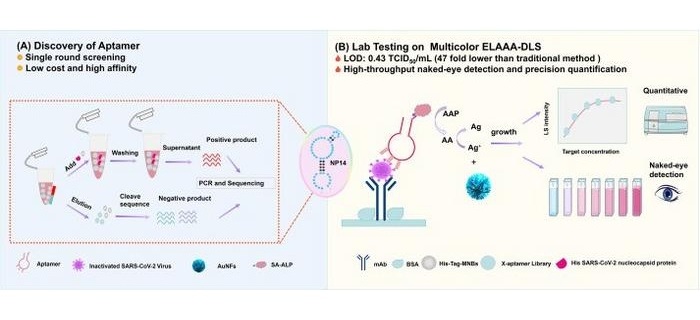
Aptamer-Based Biosensor Enables Mutation-Resilient SARS-CoV-2 Detection
Rapid evolution of severe acute respiratory syndrome coronavirus 2 (SARS-CoV-2) can undermine existing molecular diagnostics, especially when assays target small viral components. Double-antibody sandwich... Read more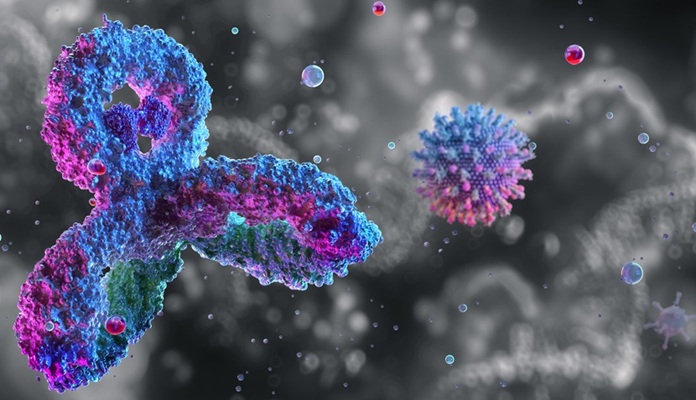
Study Points to Autoimmune Pathway Behind Long COVID Symptoms
Long COVID leaves many SARS-CoV-2 survivors with persistent fatigue, cognitive issues, palpitations, and musculoskeletal pain for months or years. Estimates cited in new research suggest 4%–20% of infected... Read more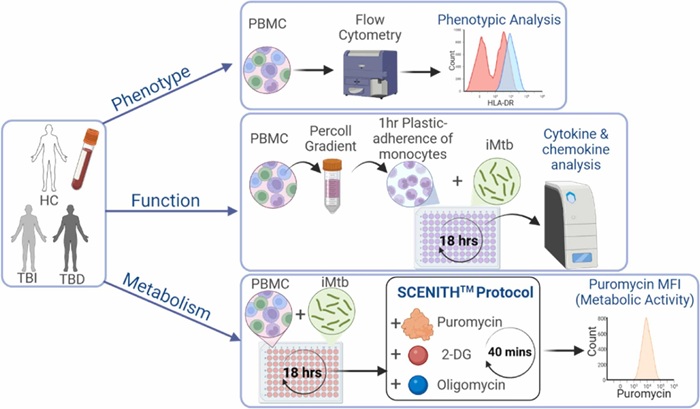
Metabolic Biomarker Distinguishes Latent from Active Tuberculosis and Tracks Treatment Response
Tuberculosis (TB) remains the world’s leading infectious killer, with 10.8 million cases and 1.25 million deaths recorded globally in 2023. Yet many infected individuals never develop active disease, underscoring... Read more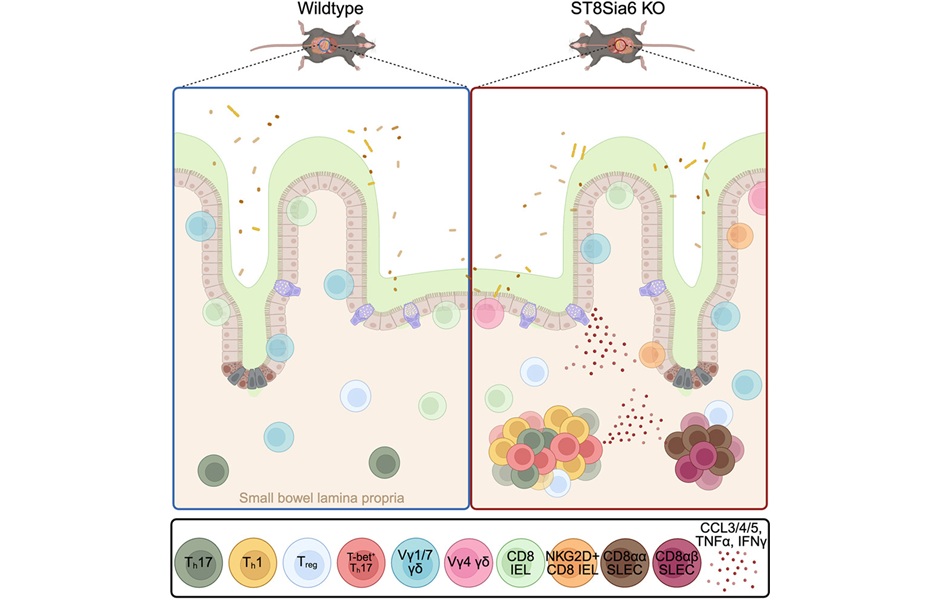
Microbiology
view channel
New Culture Medium Speeds C. difficile Resistance Detection and Reduces Costs
Clostridioides difficile infections remain a persistent threat in hospitals and communities, affecting about 500,000 people in the United States each year. Severe cases can be fatal within 30 days of diagnosis,... Read more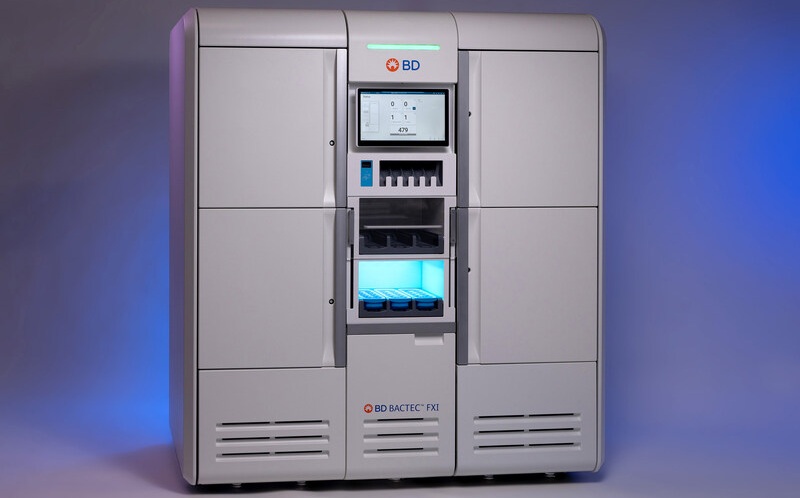
Automated Blood Culture System Speeds Detection of Bloodstream Infections
Bloodstream infections and sepsis require rapid laboratory detection to guide targeted antimicrobial therapy and reduce mortality. Conventional blood culture workflows can delay actionable results by critical... Read more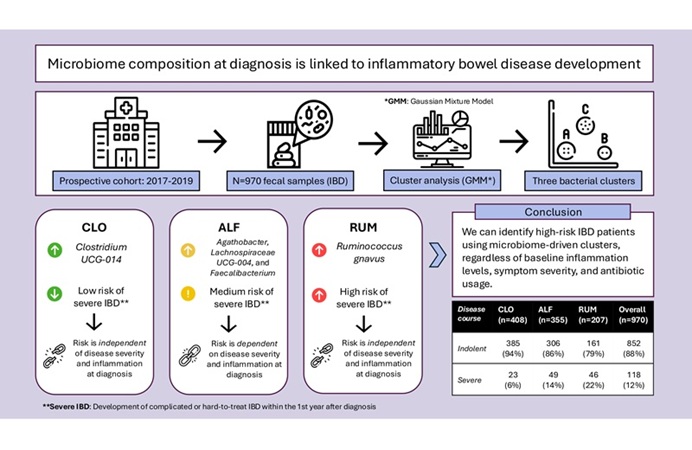
Pathology
view channel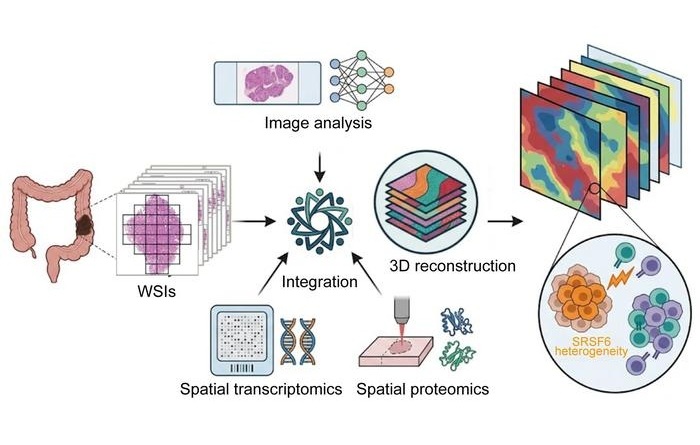
3D Spatial Multi-Omics Maps Intra-Tumor Diversity in Colorectal Cancer
Colorectal cancer remains a leading cause of cancer death, and clinical decision-making is complicated by marked intra-tumor heterogeneity. Conventional bulk sequencing averages molecular signals across... Read more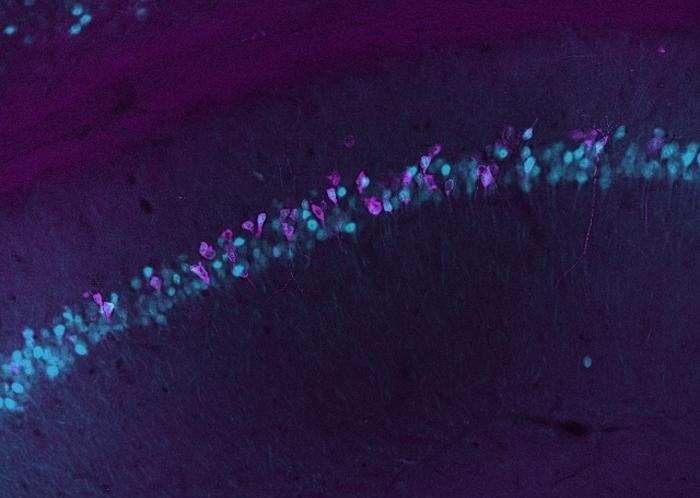
Blood-Based Method Tracks Gene Activity in the Living Brain
Real-time measurement of gene activity in the brain has been limited by assays requiring destructive tissue sampling. Tracking active genes could reveal how the body responds to environmental factors,... Read more
Technology
view channel
AI Platform Links Biomarker Results to Cancer Clinical Trials and Guidelines
Oncology teams must manage growing volumes of genomic data, rapidly evolving clinical trial options, and frequently updated care guidelines, all within tight clinic schedules. Translating complex tumor... Read more