Blocking Basigin Binding Prevents Erythrocyte Invasion by Malaria Parasites
|
By LabMedica International staff writers Posted on 24 Nov 2011 |


|
The red blood cell protein basigin has been identified as the focus for attachment and invasion of human erythrocytes by the malaria parasite Plasmodium falciparum.
Investigators at the Wellcome Trust Sanger Institute (Cambridge, United Kingdom) used their novel AVEXIS (Avidity-based Extracellular Interaction Screen) screening method to search a library of erythrocyte proteins for those with specific P. falciparum binding capability.
They reported in the November 9, 2011, online edition of the journal Nature that basigin, the Ok blood group antigen, is a receptor for PfRh5, a parasite ligand that is essential for blood stage growth. Basigin (BSG), also known as extracellular matrix metalloproteinase inducer (EMMPRIN) or cluster of differentiation 147 (CD147), is a protein that in humans is encoded by the BSG gene. This protein is a determinant for the Ok blood group system.
Erythrocyte invasion was potently inhibited by soluble basigin or by basigin knockdown, and invasion could be completely blocked using low concentrations of anti-basigin antibodies. These effects were observed across all laboratory-adapted and field strains of P. falciparum tested. Furthermore, erythrocytes that expressed a basigin variant with weaker binding affinity for PfRh5 had reduced invasion efficiencies.
This discovery of a cross-strain dependency on a single extracellular receptor–ligand pair for erythrocyte invasion by P. falciparum provides a focus for new antimalarial therapies. “Our findings were unexpected and have completely changed the way in which we view the invasion process,” said senior author Dr. Gavin Wright, head of the cell surface signaling laboratory at the Wellcome Trust Sanger Institute. “Our research seems to have revealed an Achilles' heel in the way the parasite invades our red blood cells. It is rewarding to see how our techniques can be used to answer important biological problems and lay the foundations for new therapies.”
Related Links:
Wellcome Trust Sanger Institute







Investigators at the Wellcome Trust Sanger Institute (Cambridge, United Kingdom) used their novel AVEXIS (Avidity-based Extracellular Interaction Screen) screening method to search a library of erythrocyte proteins for those with specific P. falciparum binding capability.
They reported in the November 9, 2011, online edition of the journal Nature that basigin, the Ok blood group antigen, is a receptor for PfRh5, a parasite ligand that is essential for blood stage growth. Basigin (BSG), also known as extracellular matrix metalloproteinase inducer (EMMPRIN) or cluster of differentiation 147 (CD147), is a protein that in humans is encoded by the BSG gene. This protein is a determinant for the Ok blood group system.
Erythrocyte invasion was potently inhibited by soluble basigin or by basigin knockdown, and invasion could be completely blocked using low concentrations of anti-basigin antibodies. These effects were observed across all laboratory-adapted and field strains of P. falciparum tested. Furthermore, erythrocytes that expressed a basigin variant with weaker binding affinity for PfRh5 had reduced invasion efficiencies.
This discovery of a cross-strain dependency on a single extracellular receptor–ligand pair for erythrocyte invasion by P. falciparum provides a focus for new antimalarial therapies. “Our findings were unexpected and have completely changed the way in which we view the invasion process,” said senior author Dr. Gavin Wright, head of the cell surface signaling laboratory at the Wellcome Trust Sanger Institute. “Our research seems to have revealed an Achilles' heel in the way the parasite invades our red blood cells. It is rewarding to see how our techniques can be used to answer important biological problems and lay the foundations for new therapies.”
Related Links:
Wellcome Trust Sanger Institute

Platinum Member
Automated Coagulation Analyzer
Hemolumi H6
Gold Member
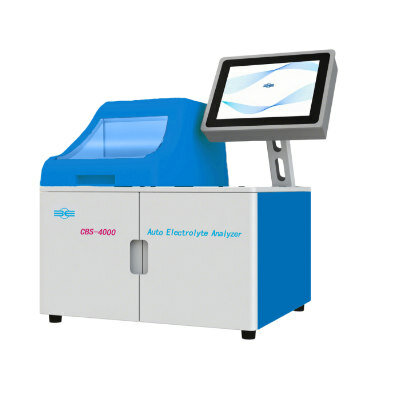
Electrolyte Analyzer
CBS-4000 (CBS-400)
Gold Member
Blood-Based Protein Biomarker Solution for Alzheimer's Disease
BG-DTi2000.
New
Automated Immunoassay Analyzer
SuperFlex™
Latest BioResearch News
- Population-Scale Proteomics Study Identifies New Genetic-Protein Links
- Circulating Tumor DNA Helps Identify Targets for Personalized Immunotherapy
- Researchers Classify 108 Lysosomal Disorders in Updated Diagnostic Framework
- New Autoantibody Target Identified in Neuromyelitis Optica Spectrum Disorder
- New Immune Target Could Support More Precise High Blood Pressure Treatment
- New Gene-Disease Link May Help Diagnose Rare Neurodevelopmental Disorders
- Researchers Identify Shared Molecular Networks Behind Fatigue-Related Illnesses
- Blood Metabolite Signature Predicts ALS Progression and Points to Treatment Strategy
- Whole-Blood Extracellular Vesicle Analysis Captures Molecular Signals Missed by Plasma Testing
- Age-Related Genomic Differences Could Refine Treatment Decisions in Lung Cancer
- Computational Tool Identifies Central Asthma Genes for Target Discovery
- Molecular Pathway Reveals Driver of Triple-Negative Breast Cancer Spread
- D-Serine May Predict Immune Checkpoint Therapy Resistance in Gastric Cancer
- New Genetic Cause Identified for Neurodevelopmental Disorder
- New Genetic Discovery Could Support Precision Diabetes Care
- Inherited Genetic Differences Help Explain Variable CAR T-Cell Therapy Outcomes
Channels
Clinical Chemistry
view channel
Lollipop-Inspired Device Measures Acetaminophen Levels in Saliva
Acetaminophen is used in many over-the-counter pain relievers, cold and flu products, and other medications. Excess dosing can cause serious side effects, including liver damage, and children may be at... Read more
New Insights Into Fetal DNA Could Improve Non-Invasive Prenatal Testing
Non-invasive prenatal testing is widely used to screen pregnancies for genetic conditions by analyzing DNA fragments in maternal blood. Although it offers a safer alternative to invasive procedures such... Read more

Molecular Diagnostics
view channel
Blood Test Detects Molecular Signals of Early Liver Cancer Progression
Liver diseases can progress along a spectrum that begins with inflammation from viral and non-viral causes such as hepatitis and metabolic dysfunction-associated steatohepatitis. Over decades, dormant... Read more
Blood-Based MRD Test Shows High Specificity in Colorectal Cancer Trials
Patients with stage II and III colorectal cancer may require monitoring for residual or recurrent disease after treatment. Circulating tumor DNA (ctDNA) testing offers a blood-based way to detect remaining... Read more

Hematology
view channel
New Donor Genetic Marker May Help Predict Stem Cell Transplant Success
Donor selection for hematopoietic stem cell transplantation plays a major role in relapse risk and survival for patients with blood cancers and other blood disorders. Despite advances in genotyping, uncertainty... Read more
Updated Ferritin Thresholds Improve Detection of Iron Deficiency
Iron deficiency is one of the most common health conditions worldwide, yet its nonspecific symptoms can delay diagnosis for months. Variation in testing practices and ferritin thresholds may contribute... Read more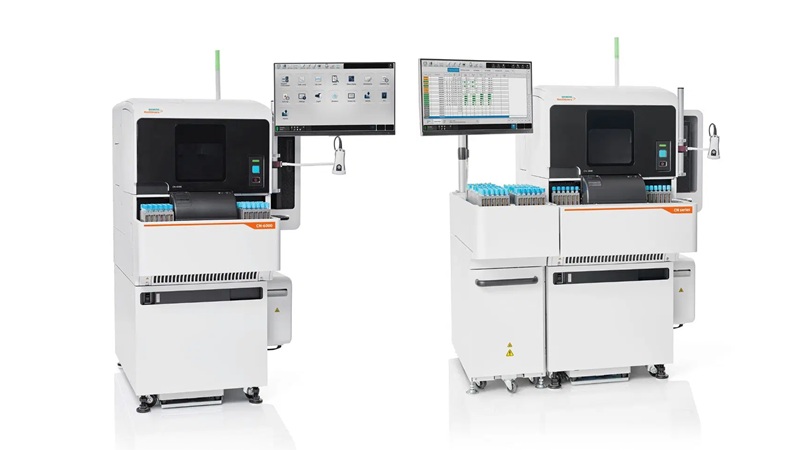
Immunology
view channel
New Web-Based Platform Helps Autoimmune Laboratories Manage Testing Complexity
Autoimmune disease testing often requires laboratories to coordinate results across multiple instruments, manual microscopy, and patient histories. As testing volumes and workflow complexity increase,... Read more
Routine Newborn Blood Spots Can Measure GBS Antibody Levels
Group B Streptococcus (GBS) can cause serious infections in newborns. Protecting infants remains challenging because immune protection may depend on antibodies transferred from mother to baby before birth.... Read more

Microbiology
view channel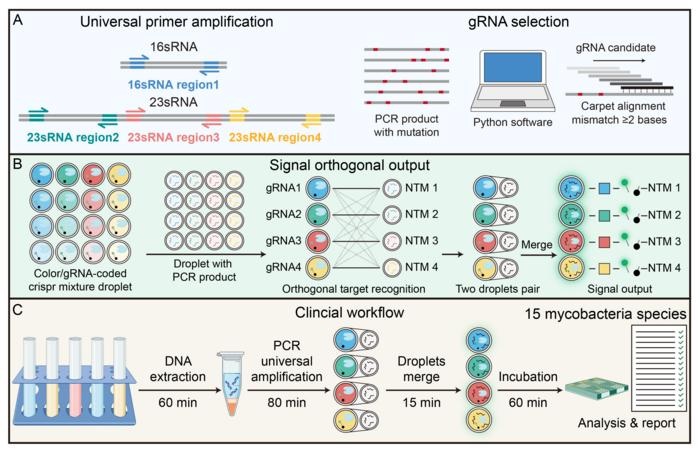
Nanodroplet CRISPR Technology Supports Rapid, Multiplexed Mycobacterial Identification
Mycobacterial infections are difficult to diagnose because closely related species can have different clinical and therapeutic implications. Nontuberculous mycobacteria (NTM) are increasingly recognized... Read more
Genomic Workflow Identifies Fungal Pathogens Before Blood Cultures Turn Positive
Fungal bloodstream infections pose a major threat to hospitalized patients. Candida species cause most invasive fungal infections worldwide and are among the leading causes of hospital-acquired bloodstream... Read more
FDA-Cleared Multiplex PCR Test Detects 13 Respiratory Pathogens in a Single Sample
Respiratory tract infections can be difficult to distinguish at presentation because many cause overlapping, nonspecific symptoms and are initially grouped as influenza-like illnesses. Causes span a range... Read more
One-Hour Molecular Panel Expands Bloodstream Infection Testing for Gram-Negative Pathogens
Bloodstream infections can progress rapidly and lead to sepsis, organ failure, and death. In the United States, about 1.7 million adults develop sepsis each year, and at least 350,000 die during hospitalization... Read morePathology
view channel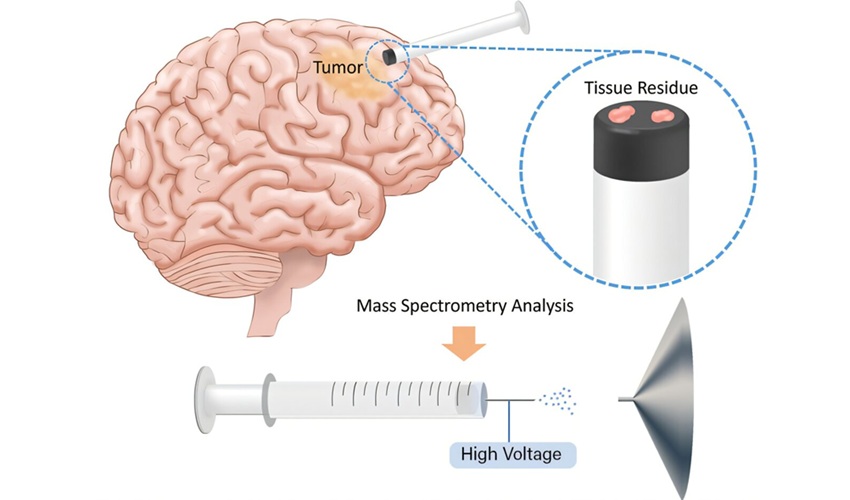
Rapid Mass Spectrometry Test May Aid Glioma Margin Decisions
Glioma brain tumors are highly infiltrative and can extend into nearby healthy brain tissue, making tumor margins difficult to define during surgery. Residual tumor cells may contribute to recurrence and... Read more
Genomic Classifier Predicts Benefit From Adding Hormone Therapy to Salvage Prostate Radiation
Men who have undergone prostatectomy for prostate cancer may later develop a detectable or rising prostate-specific antigen, prompting salvage radiation therapy. A key challenge is determining who is most... Read more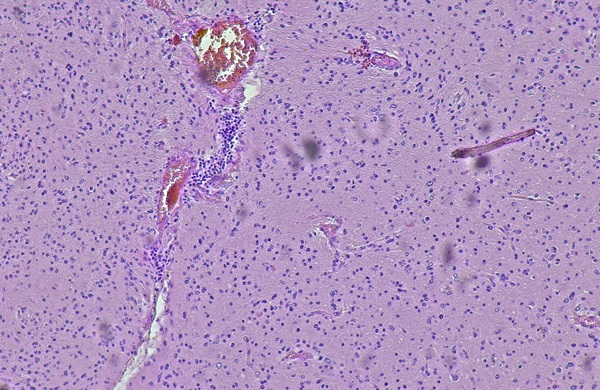
Technology
view channel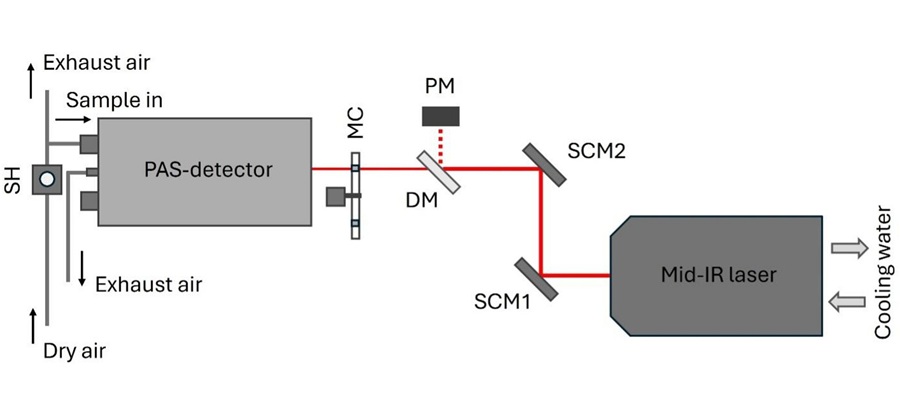
Laser-Based Swab Analysis Shows Promise for Detecting Disease-Linked Odor Patterns
Disease-related changes in volatile organic compounds can alter body odor, producing measurable patterns in exhaled breath and bodily fluids. Current analytical methods can be complex, time-consuming,... Read more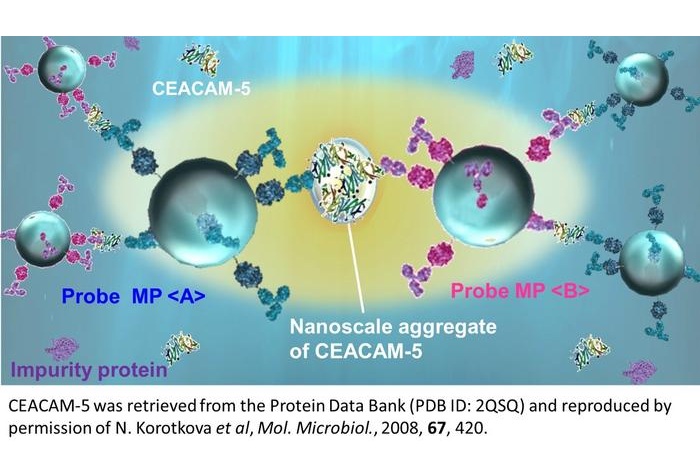
Laser-Enhanced Assay Boosts Sensitivity for Colorectal Cancer Biomarker Detection
Colorectal cancer is the third most commonly diagnosed cancer and the second leading cause of cancer-related death worldwide. Early detection remains critical, but cancer biomarkers can produce only faint... Read more

Industry
view channel
Collaboration Advances Automated Benchtop Platform for Routine Blood Testing
Routine blood testing is central to clinical decision-making, but access can vary across laboratory and healthcare settings. Broader use of automated benchtop platforms may help integrate testing more... Read more
Expanded Partnership Supports AI Biomarker Validation and Clinical Trial Deployment
CellCarta (Montreal, Canada) and Imagene AI (Miami, FL, USA) have expanded their collaboration to provide biopharma companies with a coordinated pathway for biomarker strategy, assay development, validation,... Read more
Collaboration Combines AI Cognitive Assessment and RNA Blood Testing for Earlier Alzheimer’s Detection
Alzheimer’s disease is often identified only after substantial neurodegeneration, partly because current diagnostic pathways are fragmented and difficult to scale. As treatment shifts toward earlier intervention,... Read more