Low Energy Cost PCR System Offers Five Channel Multiplexing Capability
|
By LabMedica International staff writers Posted on 21 Nov 2011 |


|
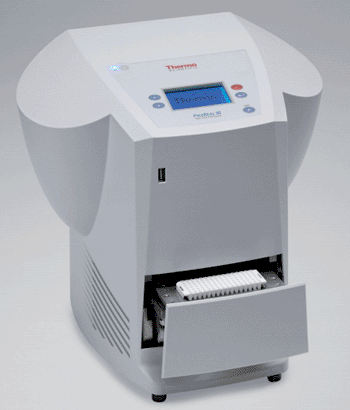
Image: The PikoReal Real-Time PCR System (Photo courtesy of Thermo Fisher Scientific).
A new, energy-saving PCR system has entered the United States biotech market and will be available in Europe in the second half of 2012.
The Thermo Fisher Scientific Inc. (Milford, MA, USA) PikoReal Real-Time PCR System is available as either a 24-well or a 96-well instrument that utilizes proprietary UTW Piko PCR Plates. These plates are a quarter the size and half the thickness of standard PCR plates but still maintain industry standards for well volumes and well spacing, thus having compatibility with standard multichannel pipettes (both eight- and 16-channel) and liquid handling robots. The Piko PCR plates enable shorter incubation times and improved data uniformity by improving thermal transfer between block and sample.
The built-in optical system of the PikoReal contains five channels, precalibrated for the most common dyes, so users can perform multiplexing with four dyes while dedicating the fifth channel to SYBR Green (an asymmetrical cyanine dye used as a nucleic acid stain in molecular biology) experiments. Data is collected from all wells simultaneously with a low noise and high sensitivity CCD camera (520 nm to 740 nm). The scanning time for all four channels is less than 10 seconds, supporting the development of fast qPCR (quantitative real-time polymerase chain reaction) protocols for multiplexing.
Five long-lasting LEDs are used as the instruments' light source. These lamps emit constant and stable light over a broad spectrum (475 nm to 640 nm) and require no user maintenance. Separate light sources of different excitation wavelengths reduce crosstalk and focus high light energy levels.
The instruments are controlled by PikoReal software, which enables absolute and relative quantification, melting curve analysis, and genotyping.
The PikoReal PCR system is now being marketed in the US and it will become available in Canada, Brazil, and Western Europe beginning the second half of 2012.
Related Links:
Thermo Fisher Scientific Inc.







The Thermo Fisher Scientific Inc. (Milford, MA, USA) PikoReal Real-Time PCR System is available as either a 24-well or a 96-well instrument that utilizes proprietary UTW Piko PCR Plates. These plates are a quarter the size and half the thickness of standard PCR plates but still maintain industry standards for well volumes and well spacing, thus having compatibility with standard multichannel pipettes (both eight- and 16-channel) and liquid handling robots. The Piko PCR plates enable shorter incubation times and improved data uniformity by improving thermal transfer between block and sample.
The built-in optical system of the PikoReal contains five channels, precalibrated for the most common dyes, so users can perform multiplexing with four dyes while dedicating the fifth channel to SYBR Green (an asymmetrical cyanine dye used as a nucleic acid stain in molecular biology) experiments. Data is collected from all wells simultaneously with a low noise and high sensitivity CCD camera (520 nm to 740 nm). The scanning time for all four channels is less than 10 seconds, supporting the development of fast qPCR (quantitative real-time polymerase chain reaction) protocols for multiplexing.
Five long-lasting LEDs are used as the instruments' light source. These lamps emit constant and stable light over a broad spectrum (475 nm to 640 nm) and require no user maintenance. Separate light sources of different excitation wavelengths reduce crosstalk and focus high light energy levels.
The instruments are controlled by PikoReal software, which enables absolute and relative quantification, melting curve analysis, and genotyping.
The PikoReal PCR system is now being marketed in the US and it will become available in Canada, Brazil, and Western Europe beginning the second half of 2012.
Related Links:
Thermo Fisher Scientific Inc.

Platinum Member
Automated Coagulation Analyzer
Hemolumi H6
Gold Member
Platelet Function Analyzer
PL-12
New
Silver Member
Connectivity Solution
EKF Link
New
Fully Automated Urinalysis System
DxU 1800 Fully Automated Urinalysis System
Latest BioResearch News
- Genetic Study Links Inherited Blindness to Gene Tied to Rare Metabolic Disorder
- Population-Scale Proteomics Study Identifies New Genetic-Protein Links
- Circulating Tumor DNA Helps Identify Targets for Personalized Immunotherapy
- Researchers Classify 108 Lysosomal Disorders in Updated Diagnostic Framework
- New Autoantibody Target Identified in Neuromyelitis Optica Spectrum Disorder
- New Immune Target Could Support More Precise High Blood Pressure Treatment
- New Gene-Disease Link May Help Diagnose Rare Neurodevelopmental Disorders
- Researchers Identify Shared Molecular Networks Behind Fatigue-Related Illnesses
- Blood Metabolite Signature Predicts ALS Progression and Points to Treatment Strategy
- Whole-Blood Extracellular Vesicle Analysis Captures Molecular Signals Missed by Plasma Testing
- Age-Related Genomic Differences Could Refine Treatment Decisions in Lung Cancer
- Computational Tool Identifies Central Asthma Genes for Target Discovery
- Molecular Pathway Reveals Driver of Triple-Negative Breast Cancer Spread
- D-Serine May Predict Immune Checkpoint Therapy Resistance in Gastric Cancer
- New Genetic Cause Identified for Neurodevelopmental Disorder
- New Genetic Discovery Could Support Precision Diabetes Care
Channels
Clinical Chemistry
view channel
Blood Biomarker Detects Alzheimer’s Changes Decades Before Symptoms in Down Syndrome
Alzheimer’s disease can begin altering the brain long before clinical symptoms appear, creating a challenge for early-stage detection and research. People with Down syndrome face a particularly high age-related... Read more
Study Questions Broad Fasting Requirements Before Routine Blood Tests
Routine blood testing is central to diagnosis, monitoring, and disease risk assessment. Many patients are still asked to fast for 8–12 hours before phlebotomy, even though the requirement was originally... Read more
Elevated Lipoprotein(a) Linked to Long-Term Progression of Carotid Atherosclerosis
Lipoprotein(a), or Lp(a), is a genetically determined blood lipid and an important risk factor for cardiovascular disease. Its relationship to long-term carotid atherosclerosis has remained unclear, particularly... Read more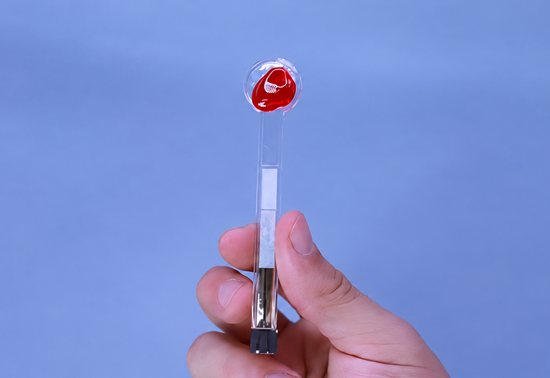
Molecular Diagnostics
view channel
Genomic Screening Expands Detection of Treatable Conditions in Newborns
Conventional newborn screening can miss conditions that lack biochemical biomarkers or present atypically. Initial hearing screens may also fail to detect hearing loss that is later identified through... Read more
Age-Based Genetic Testing May Miss Most Inherited Cancer Risk Variants
Inherited cancer risk can influence diagnosis, treatment planning, and family screening, yet current testing practices often depend on a patient’s age at diagnosis. Many patients undergo germline genetic... Read more
New NGS Suite Expands Clonality and MRD Research in Lymphoid Malignancies
Lymphoid malignancies require molecular tools that can distinguish clonal immune receptor rearrangements and track disease-related sequences over time. As immune receptor measurable residual disease analysis... Read more
Tumor-Informed ctDNA Test Shows Utility Across Gastrointestinal and Gynecologic Cancers
Natera announced new data on Signatera, its tumor-informed circulating tumor DNA test, that were presented in four oral presentations at the 2026 American Society of Clinical Oncology (ASCO) Annual Meeting.... Read moreHematology
view channel
New Donor Genetic Marker May Help Predict Stem Cell Transplant Success
Donor selection for hematopoietic stem cell transplantation plays a major role in relapse risk and survival for patients with blood cancers and other blood disorders. Despite advances in genotyping, uncertainty... Read more
Updated Ferritin Thresholds Improve Detection of Iron Deficiency
Iron deficiency is one of the most common health conditions worldwide, yet its nonspecific symptoms can delay diagnosis for months. Variation in testing practices and ferritin thresholds may contribute... Read more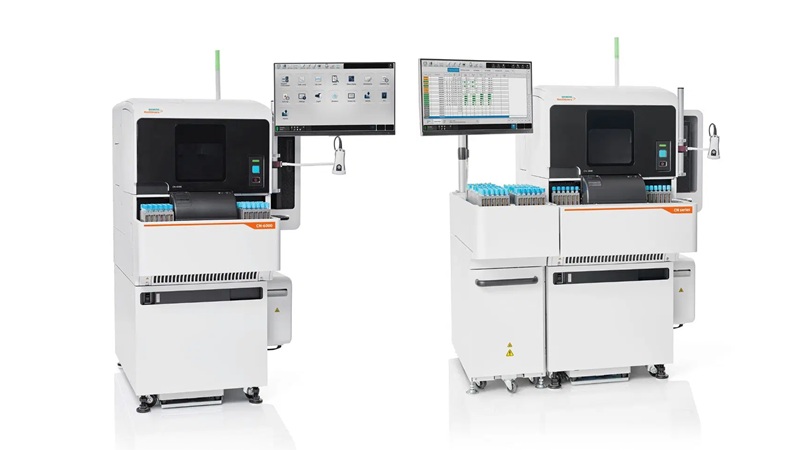
Immunology
view channel
Blood-Based Immune Signal Could Reveal Lung Cancer Risk Before Tumors Develop
Lung cancer remains difficult to detect before symptoms appear, when advanced disease is harder to treat. In the U.K., about 32,800 people die from lung cancer each year, and only 11.1% of those diagnosed... Read more
Prototype Point-of-Care Test Aims to Improve Neonatal Sepsis Diagnosis
Neonatal sepsis remains difficult to diagnose because early signs can resemble other newborn conditions. Diagnostic delays may increase the risk of complications, death, long-term adverse outcomes, and... Read more
Microbiology
view channel
Rapid Urine Test Aids Diagnosis of Invasive Aspergillosis
Invasive aspergillosis is an uncommon mold infection in the general population but can pose serious risks for people with weakened immune defenses. Diagnosis can be difficult because existing approaches... Read more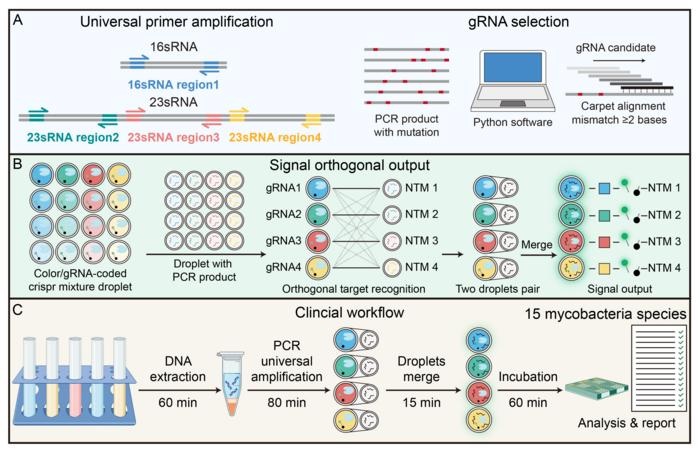
Nanodroplet CRISPR Technology Supports Rapid, Multiplexed Mycobacterial Identification
Mycobacterial infections are difficult to diagnose because closely related species can have different clinical and therapeutic implications. Nontuberculous mycobacteria (NTM) are increasingly recognized... Read more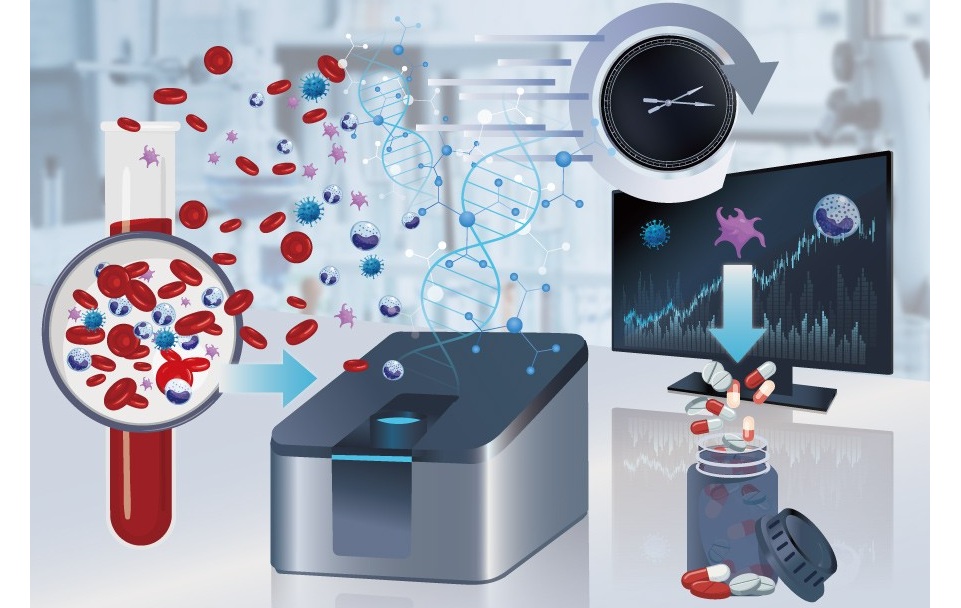
Genomic Workflow Identifies Fungal Pathogens Before Blood Cultures Turn Positive
Fungal bloodstream infections pose a major threat to hospitalized patients. Candida species cause most invasive fungal infections worldwide and are among the leading causes of hospital-acquired bloodstream... Read more
FDA-Cleared Multiplex PCR Test Detects 13 Respiratory Pathogens in a Single Sample
Respiratory tract infections can be difficult to distinguish at presentation because many cause overlapping, nonspecific symptoms and are initially grouped as influenza-like illnesses. Causes span a range... Read morePathology
view channel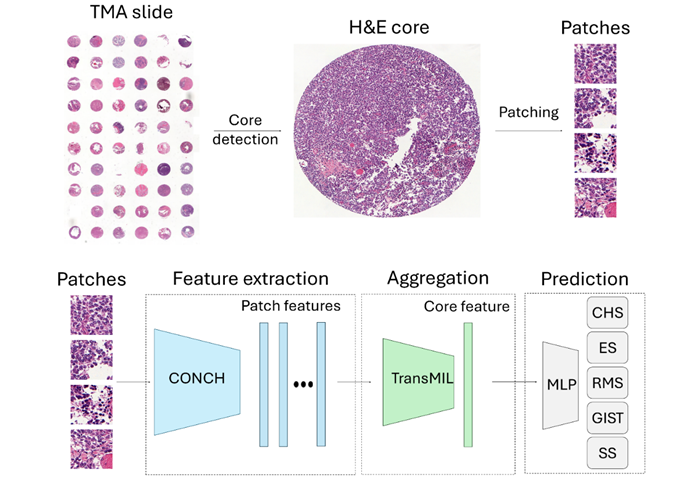
AI Histopathology Tool Distinguishes Ewing Sarcoma for Diagnosis
Ewing sarcoma is a rare malignant tumor that mainly affects children, adolescents, and young adults. It usually arises in bone but can also develop in soft tissue, where its microscopic appearance may... Read more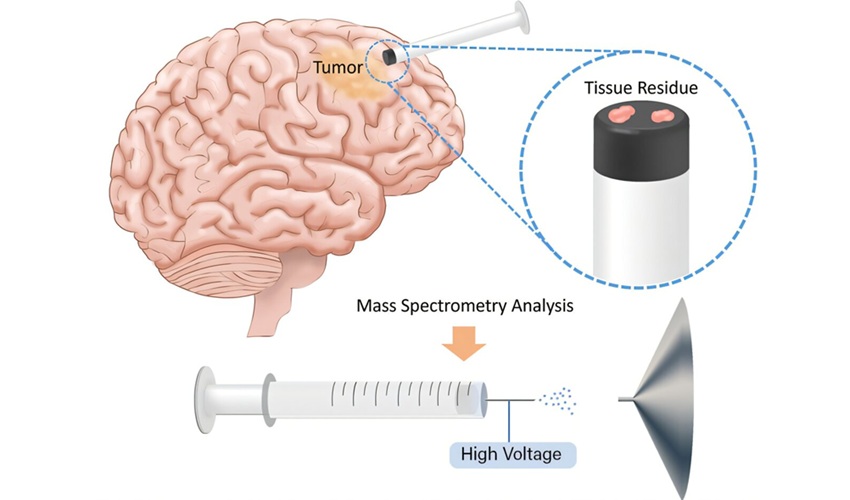
Rapid Mass Spectrometry Test May Aid Glioma Margin Decisions
Glioma brain tumors are highly infiltrative and can extend into nearby healthy brain tissue, making tumor margins difficult to define during surgery. Residual tumor cells may contribute to recurrence and... Read more
Genomic Classifier Predicts Benefit From Adding Hormone Therapy to Salvage Prostate Radiation
Men who have undergone prostatectomy for prostate cancer may later develop a detectable or rising prostate-specific antigen, prompting salvage radiation therapy. A key challenge is determining who is most... Read more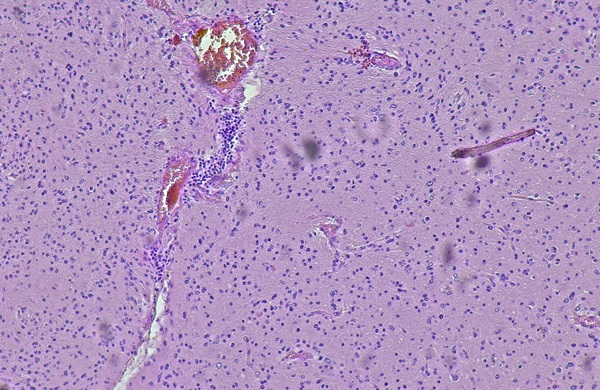
Technology
view channel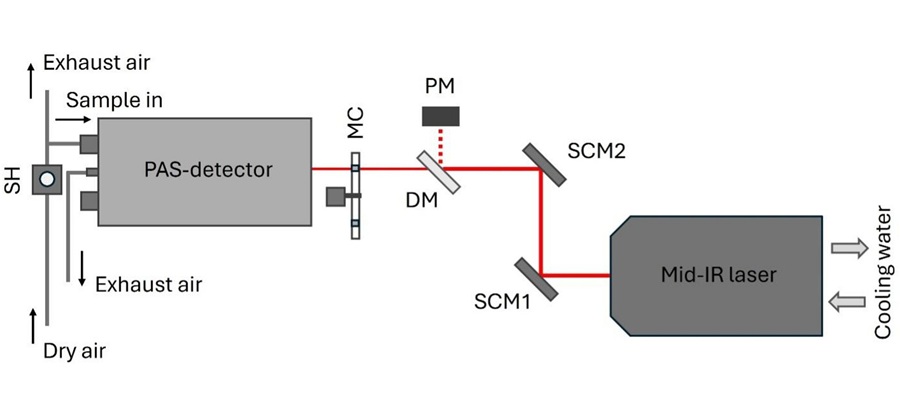
Laser-Based Swab Analysis Shows Promise for Detecting Disease-Linked Odor Patterns
Disease-related changes in volatile organic compounds can alter body odor, producing measurable patterns in exhaled breath and bodily fluids. Current analytical methods can be complex, time-consuming,... Read more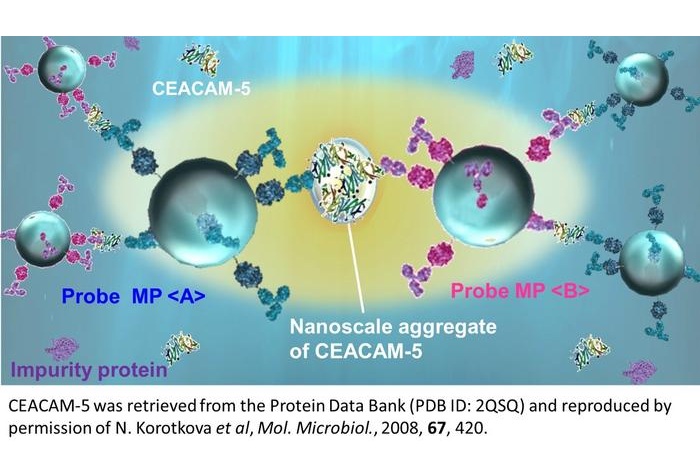
Laser-Enhanced Assay Boosts Sensitivity for Colorectal Cancer Biomarker Detection
Colorectal cancer is the third most commonly diagnosed cancer and the second leading cause of cancer-related death worldwide. Early detection remains critical, but cancer biomarkers can produce only faint... Read more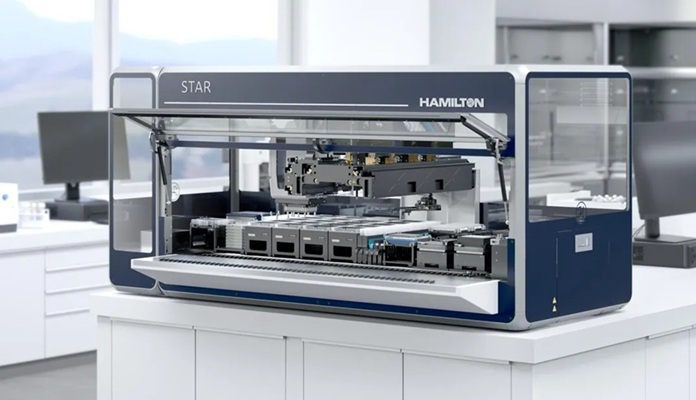

Industry
view channel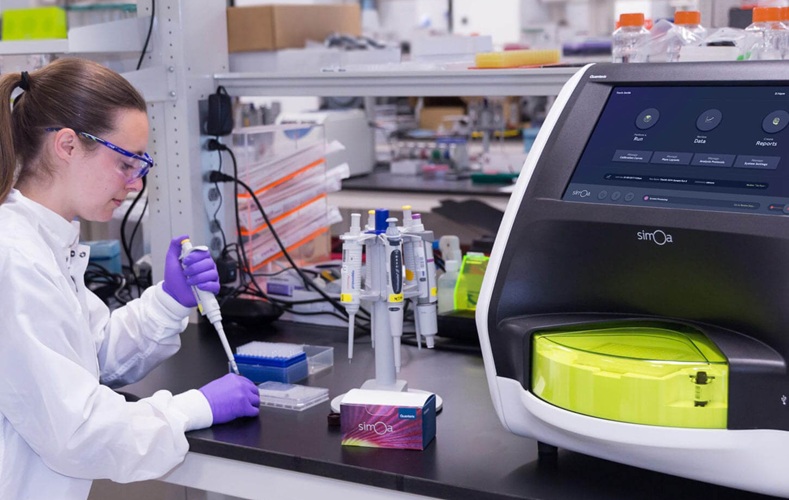
Regulatory Milestone Expands Access to Blood-Based Neurology Biomarker Testing in China
Quanterix Corporation (Billerica, MA, USA) and Innovita Biological Technology Co., Ltd. (Beijing, China) announced regulatory approvals that expand access to Quanterix SIMOA technology and neurology biomarker... Read more
Collaboration Advances Automated Benchtop Platform for Routine Blood Testing
Routine blood testing is central to clinical decision-making, but access can vary across laboratory and healthcare settings. Broader use of automated benchtop platforms may help integrate testing more... Read more
Expanded Partnership Supports AI Biomarker Validation and Clinical Trial Deployment
CellCarta (Montreal, Canada) and Imagene AI (Miami, FL, USA) have expanded their collaboration to provide biopharma companies with a coordinated pathway for biomarker strategy, assay development, validation,... Read more