Invitrogen and Applied Biosystems to Merge in $6.7 Billion Deal
|
By Labmedica staff writers Posted on 17 Jun 2008 |


|
Invitrogen and Applera, the parent company of Applied Biosystems, announced a merger agreement in which Invitrogen will acquire all outstanding shares of Applera's Applied Biosystems group for US$6.7 billion.
The strategic combination will create a global leader in biotechnology reagents and systems generating approximately $3.5 billion in combined sales, with significant commercial, operational, and technical scale, well positioned to accelerate and guide discoveries and applications. The combined company will generate over 70% of its revenue from consumables and services. In addition, cost savings, operational and other efficiencies are expected to add to the bottom line.
Gregory T. Lucier, chairman and chief executive officer of Invitrogen, said, "With this acquisition, we are nearly doubling our consumables business as almost half of Applied Biosystems's revenues are consumable in nature. It also provides significant value creating opportunities for customers, shareholders and employees alike.”
Industry insiders commented that the transaction makes sense given the overlapping expertise, sales force, and product lines of both companies. Insiders also thought the price paid for Applied Biosystems to be somewhat of a bargain.
The new company will have considerable presence in key growth markets and advanced technical capabilities in the areas of genetics, proteomics, and cellular biology. Invitrogen and Applied Biosystems have highly recognizable brands in core structural and functional genomic product areas, cell biology, proteomics, as well as essential tools such as transfection reagents, antibodies, fluorescent technologies, and cell culture reagents.
Mark P. Stevenson, president and chief operating officer of Applied Biosystems, said, "Combining Applied Biosystems's and Invitrogen's capabilities will realize growth opportunities greater and faster than either company could achieve independently.”
Following the close of the transaction, the combined organization will be named Applied Biosystems, Inc. and will have its corporate headquarters in Carlsbad, CA, USA. The board of directors of the new company will be composed of the nine current Invitrogen board members and three additional members from the current Applera board. Gregory T. Lucier will be chairman and chief executive officer of the combined company, and Mark P. Stevenson will become president and chief operating officer.
The cash and stock transaction is expected to be split 45 and 55% respectively. Applera-Applied Biosystems shareholders will receive $38 dollars per share of common stock, an amount representing a 17% premium over market value. However, under the terms of the agreement the split and the total value per share may differ depending on certain market conditions.
The transaction is subject to approval by Invitrogen and Applera-Applied Biosystems shareholders, customary closing conditions and regulatory approvals. The transaction is expected to close sometime in the fall of 2008.
Invitrogen Corporation (Carlsbad, CA, USA) provides products and services that support academic, government research institutions, pharmaceutical, and biotech companies worldwide. The company employs about 4,700 scientists and other professionals and had revenues of approximately $1.3 billion in 2007.
Applera-Applied Biosystems (Foster City, CA, USA) serves the life science industry and research community by developing and marketing instrument-based systems, consumables, software, and services. Applied Biosystems employs about 5,000 worldwide and reported sales of approximately $2.1 billion during fiscal 2007.
Related Links:
Invitrogen Corporation
Applied Biosystems




The strategic combination will create a global leader in biotechnology reagents and systems generating approximately $3.5 billion in combined sales, with significant commercial, operational, and technical scale, well positioned to accelerate and guide discoveries and applications. The combined company will generate over 70% of its revenue from consumables and services. In addition, cost savings, operational and other efficiencies are expected to add to the bottom line.
Gregory T. Lucier, chairman and chief executive officer of Invitrogen, said, "With this acquisition, we are nearly doubling our consumables business as almost half of Applied Biosystems's revenues are consumable in nature. It also provides significant value creating opportunities for customers, shareholders and employees alike.”
Industry insiders commented that the transaction makes sense given the overlapping expertise, sales force, and product lines of both companies. Insiders also thought the price paid for Applied Biosystems to be somewhat of a bargain.
The new company will have considerable presence in key growth markets and advanced technical capabilities in the areas of genetics, proteomics, and cellular biology. Invitrogen and Applied Biosystems have highly recognizable brands in core structural and functional genomic product areas, cell biology, proteomics, as well as essential tools such as transfection reagents, antibodies, fluorescent technologies, and cell culture reagents.
Mark P. Stevenson, president and chief operating officer of Applied Biosystems, said, "Combining Applied Biosystems's and Invitrogen's capabilities will realize growth opportunities greater and faster than either company could achieve independently.”
Following the close of the transaction, the combined organization will be named Applied Biosystems, Inc. and will have its corporate headquarters in Carlsbad, CA, USA. The board of directors of the new company will be composed of the nine current Invitrogen board members and three additional members from the current Applera board. Gregory T. Lucier will be chairman and chief executive officer of the combined company, and Mark P. Stevenson will become president and chief operating officer.
The cash and stock transaction is expected to be split 45 and 55% respectively. Applera-Applied Biosystems shareholders will receive $38 dollars per share of common stock, an amount representing a 17% premium over market value. However, under the terms of the agreement the split and the total value per share may differ depending on certain market conditions.
The transaction is subject to approval by Invitrogen and Applera-Applied Biosystems shareholders, customary closing conditions and regulatory approvals. The transaction is expected to close sometime in the fall of 2008.
Invitrogen Corporation (Carlsbad, CA, USA) provides products and services that support academic, government research institutions, pharmaceutical, and biotech companies worldwide. The company employs about 4,700 scientists and other professionals and had revenues of approximately $1.3 billion in 2007.
Applera-Applied Biosystems (Foster City, CA, USA) serves the life science industry and research community by developing and marketing instrument-based systems, consumables, software, and services. Applied Biosystems employs about 5,000 worldwide and reported sales of approximately $2.1 billion during fiscal 2007.
Related Links:
Invitrogen Corporation
Applied Biosystems

Gold Member
Blood Gas Analyzer
Stat Profile pHOx
Gel Cards
DG Gel Cards
Gold Member
Hematology Analyzer
Medonic M32B
Latest Industry News
- AI-Powered Cervical Cancer Test Set for Major Rollout in Latin America
- New Collaboration Brings Automated Mass Spectrometry to Routine Laboratory Testing
- Diasorin and Fisher Scientific Enter into US Distribution Agreement for Molecular POC Platform
- WHX Labs Dubai to Gather Global Experts in Antimicrobial Resistance at Inaugural AMR Leaders’ Summit
- BD and Penn Institute Collaborate to Advance Immunotherapy through Flow Cytometry
- Abbott Acquires Cancer-Screening Company Exact Sciences
- Roche and Freenome Collaborate to Develop Cancer Screening Tests
- Co-Diagnostics Forms New Business Unit to Develop AI-Powered Diagnostics
- Qiagen Acquires Single-Cell Omics Firm Parse Biosciences
- Puritan Medical Products Showcasing Innovation at AMP2025 in Boston
- Advanced Instruments Merged Under Nova Biomedical Name
- Bio-Rad and Biodesix Partner to Develop Droplet Digital PCR High Complexity Assays
- Hologic to be Acquired by Blackstone and TPG
- Bio-Techne and Oxford Nanopore to Accelerate Development of Genetics Portfolio
- Terumo BCT and Hemex Health Collaborate to Improve Access to Testing for Hemoglobin Disorders
- Revvity and Sanofi Collaborate on Program to Revolutionize Early Detection of Type 1 Diabetes
Channels
Clinical Chemistry
view channel
New PSA-Based Prognostic Model Improves Prostate Cancer Risk Assessment
Prostate cancer is the second-leading cause of cancer death among American men, and about one in eight will be diagnosed in their lifetime. Screening relies on blood levels of prostate-specific antigen... Read more
Extracellular Vesicles Linked to Heart Failure Risk in CKD Patients
Chronic kidney disease (CKD) affects more than 1 in 7 Americans and is strongly associated with cardiovascular complications, which account for more than half of deaths among people with CKD.... Read more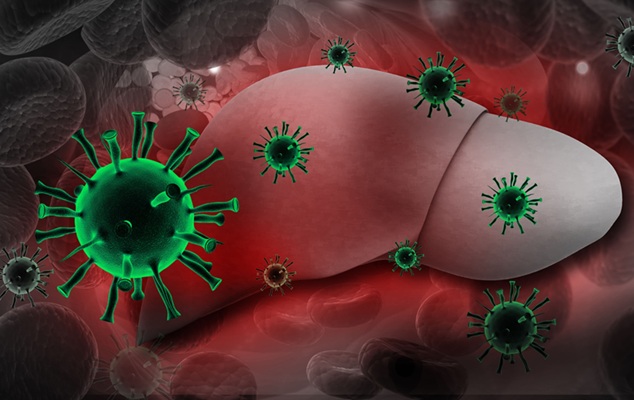
Molecular Diagnostics
view channel
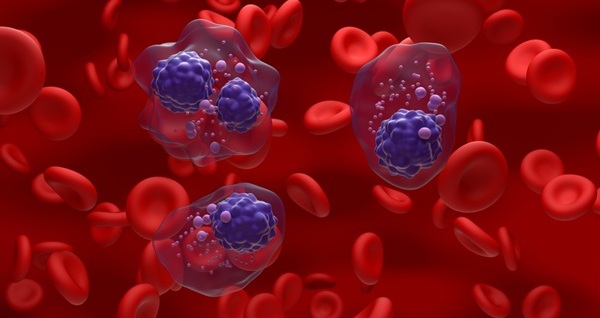
Diagnostic Device Predicts Treatment Response for Brain Tumors Via Blood Test
Glioblastoma is one of the deadliest forms of brain cancer, largely because doctors have no reliable way to determine whether treatments are working in real time. Assessing therapeutic response currently... Read more
Blood Test Detects Early-Stage Cancers by Measuring Epigenetic Instability
Early-stage cancers are notoriously difficult to detect because molecular changes are subtle and often missed by existing screening tools. Many liquid biopsies rely on measuring absolute DNA methylation... Read more
“Lab-On-A-Disc” Device Paves Way for More Automated Liquid Biopsies
Extracellular vesicles (EVs) are tiny particles released by cells into the bloodstream that carry molecular information about a cell’s condition, including whether it is cancerous. However, EVs are highly... Read more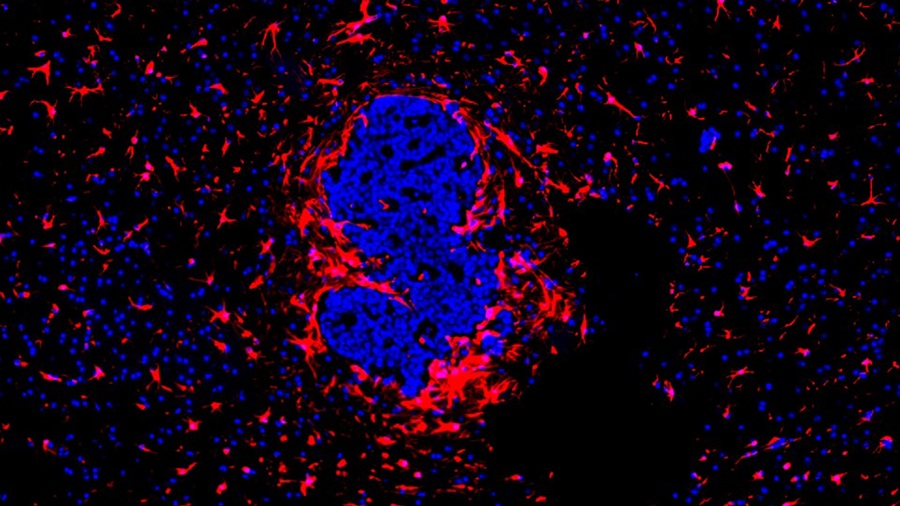
Blood Test Identifies Inflammatory Breast Cancer Patients at Increased Risk of Brain Metastasis
Brain metastasis is a frequent and devastating complication in patients with inflammatory breast cancer, an aggressive subtype with limited treatment options. Despite its high incidence, the biological... Read moreHematology
view channel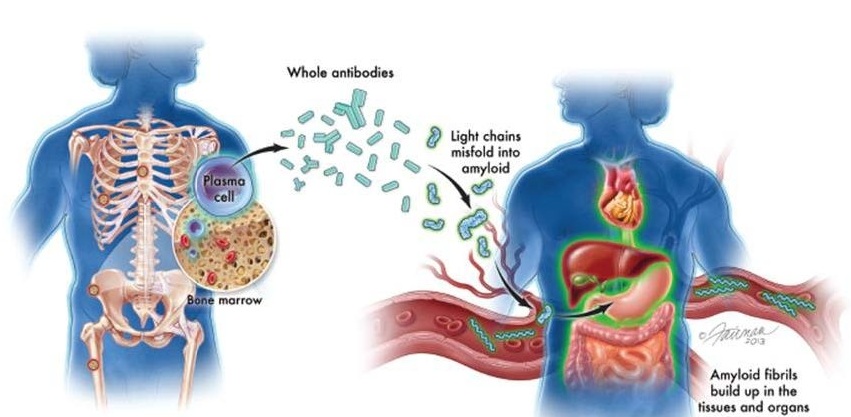
New Guidelines Aim to Improve AL Amyloidosis Diagnosis
Light chain (AL) amyloidosis is a rare, life-threatening bone marrow disorder in which abnormal amyloid proteins accumulate in organs. Approximately 3,260 people in the United States are diagnosed... Read more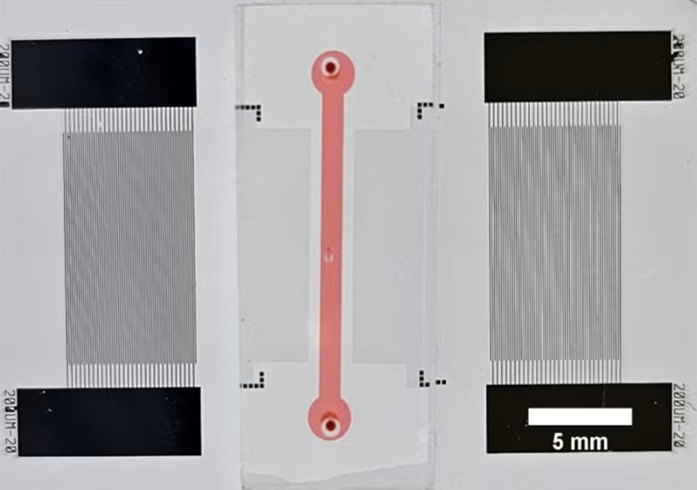
Fast and Easy Test Could Revolutionize Blood Transfusions
Blood transfusions are a cornerstone of modern medicine, yet red blood cells can deteriorate quietly while sitting in cold storage for weeks. Although blood units have a fixed expiration date, cells from... Read more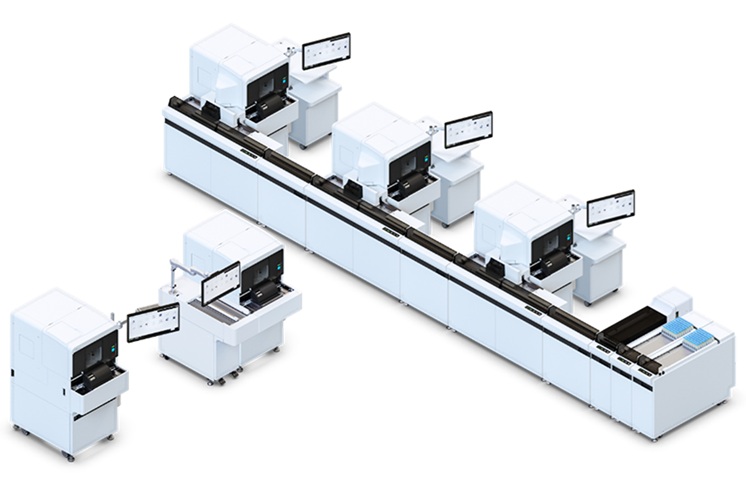
Automated Hemostasis System Helps Labs of All Sizes Optimize Workflow
High-volume hemostasis sections must sustain rapid turnaround while managing reruns and reflex testing. Manual tube handling and preanalytical checks can strain staff time and increase opportunities for error.... Read more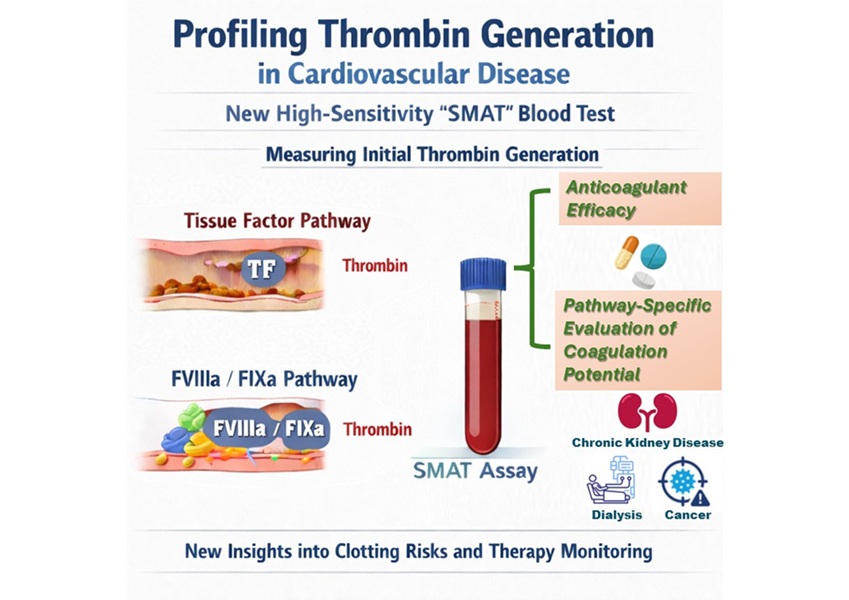
High-Sensitivity Blood Test Improves Assessment of Clotting Risk in Heart Disease Patients
Blood clotting is essential for preventing bleeding, but even small imbalances can lead to serious conditions such as thrombosis or dangerous hemorrhage. In cardiovascular disease, clinicians often struggle... Read moreImmunology
view channel
Blood Test Identifies Lung Cancer Patients Who Can Benefit from Immunotherapy Drug
Small cell lung cancer (SCLC) is an aggressive disease with limited treatment options, and even newly approved immunotherapies do not benefit all patients. While immunotherapy can extend survival for some,... Read more
Whole-Genome Sequencing Approach Identifies Cancer Patients Benefitting From PARP-Inhibitor Treatment
Targeted cancer therapies such as PARP inhibitors can be highly effective, but only for patients whose tumors carry specific DNA repair defects. Identifying these patients accurately remains challenging,... Read more
Ultrasensitive Liquid Biopsy Demonstrates Efficacy in Predicting Immunotherapy Response
Immunotherapy has transformed cancer treatment, but only a small proportion of patients experience lasting benefit, with response rates often remaining between 10% and 20%. Clinicians currently lack reliable... Read more
Microbiology
view channel
Comprehensive Review Identifies Gut Microbiome Signatures Associated With Alzheimer’s Disease
Alzheimer’s disease affects approximately 6.7 million people in the United States and nearly 50 million worldwide, yet early cognitive decline remains difficult to characterize. Increasing evidence suggests... Read more
AI-Powered Platform Enables Rapid Detection of Drug-Resistant C. Auris Pathogens
Infections caused by the pathogenic yeast Candida auris pose a significant threat to hospitalized patients, particularly those with weakened immune systems or those who have invasive medical devices.... Read more

Pathology
view channel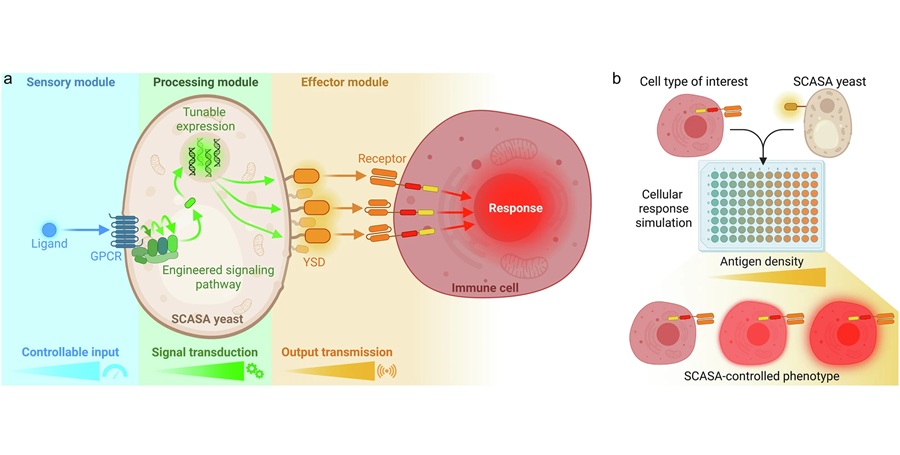
Engineered Yeast Cells Enable Rapid Testing of Cancer Immunotherapy
Developing new cancer immunotherapies is a slow, costly, and high-risk process, particularly for CAR T cell treatments that must precisely recognize cancer-specific antigens. Small differences in tumor... Read more
First-Of-Its-Kind Test Identifies Autism Risk at Birth
Autism spectrum disorder is treatable, and extensive research shows that early intervention can significantly improve cognitive, social, and behavioral outcomes. Yet in the United States, the average age... Read more
Technology
view channel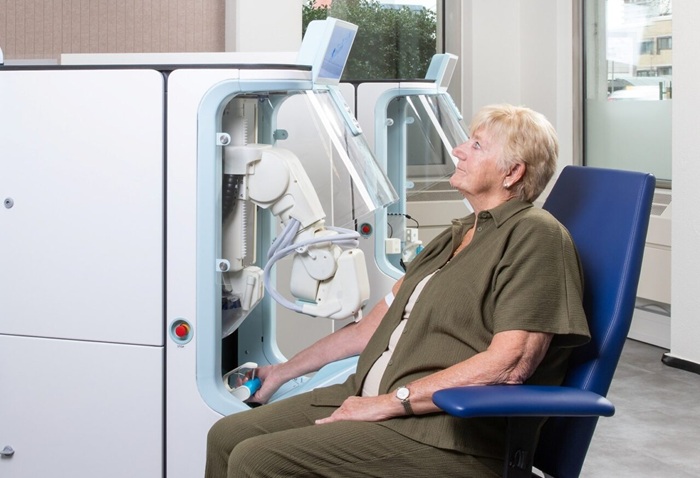
Robotic Technology Unveiled for Automated Diagnostic Blood Draws
Routine diagnostic blood collection is a high‑volume task that can strain staffing and introduce human‑dependent variability, with downstream implications for sample quality and patient experience.... Read more
ADLM Launches First-of-Its-Kind Data Science Program for Laboratory Medicine Professionals
Clinical laboratories generate billions of test results each year, creating a treasure trove of data with the potential to support more personalized testing, improve operational efficiency, and enhance patient care.... Read more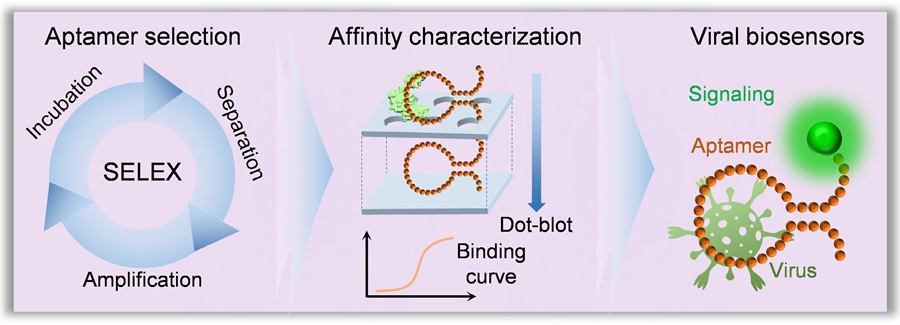
Aptamer Biosensor Technology to Transform Virus Detection
Rapid and reliable virus detection is essential for controlling outbreaks, from seasonal influenza to global pandemics such as COVID-19. Conventional diagnostic methods, including cell culture, antigen... Read more