Cannabinoid Receptor Stimulator Reverses Symptoms of Alzheimer's Disease in Animal Model
|
By LabMedica International staff writers Posted on 12 Sep 2012 |


|
A candidate drug that stimulates the activity of cannabinoid type 2 (CB2) receptors in the brain have been shown to reverse the symptoms of Alzheimer's disease in a rodent model.
The drug, 1-((3-benzyl-3-methyl-2,3-dihydro-1-benzofuran-6-yl) carbonyl) piperidine (MDA7), lacks psychoactivity. In a paper published in the July 16, 2012, online edition of the journal Neurobiology of Aging investigators at the Cleveland Clinic (OH, USA) presented results obtained by treating a rat model of Alzheimer's disease with MDA7. Alzheimer's disease was induced in the animals by bilateral microinjection of amyloid-beta (A-beta) 1–40 fibrils into the hippocampal CA1 area of the rats' brains. The animals developed symptoms of a neuroinflammatory process, synaptic dysfunction, and cognitive impairment.
A group of the Alzheimer's rats was treated with intraperitoneal injections of MDA7 daily for 14 days. These animals showed decreased production of inflammatory cytokines and signaling molecules as well as restored cognition, memory, and synaptic plasticity.
"Cleveland Clinic dedicated two years of research into the examination of this compound and our findings show it could represent a novel therapeutic target in the treatment of Alzheimer's disease," said senior author Dr. Mohamed Naguib, professor of anesthesiology at the Cleveland Clinic. "Development of this compound as a potential drug for Alzheimer's would take many more years, but this is a promising finding worthy of further investigation."
Related Links:
Cleveland Clinic








The drug, 1-((3-benzyl-3-methyl-2,3-dihydro-1-benzofuran-6-yl) carbonyl) piperidine (MDA7), lacks psychoactivity. In a paper published in the July 16, 2012, online edition of the journal Neurobiology of Aging investigators at the Cleveland Clinic (OH, USA) presented results obtained by treating a rat model of Alzheimer's disease with MDA7. Alzheimer's disease was induced in the animals by bilateral microinjection of amyloid-beta (A-beta) 1–40 fibrils into the hippocampal CA1 area of the rats' brains. The animals developed symptoms of a neuroinflammatory process, synaptic dysfunction, and cognitive impairment.
A group of the Alzheimer's rats was treated with intraperitoneal injections of MDA7 daily for 14 days. These animals showed decreased production of inflammatory cytokines and signaling molecules as well as restored cognition, memory, and synaptic plasticity.
"Cleveland Clinic dedicated two years of research into the examination of this compound and our findings show it could represent a novel therapeutic target in the treatment of Alzheimer's disease," said senior author Dr. Mohamed Naguib, professor of anesthesiology at the Cleveland Clinic. "Development of this compound as a potential drug for Alzheimer's would take many more years, but this is a promising finding worthy of further investigation."
Related Links:
Cleveland Clinic

Platinum Member
Automated Coagulation Analyzer
Hemolumi H6
Gold Member
Neonatal Heel Incision Device
Tenderfoot
Automatic CLIA Analyzer
Shine i6000
New
Drug Testing Assays
Atellica DT 250 Analyzer
Latest BioResearch News
- Researchers Classify 108 Lysosomal Disorders in Updated Diagnostic Framework
- New Autoantibody Target Identified in Neuromyelitis Optica Spectrum Disorder
- New Immune Target Could Support More Precise High Blood Pressure Treatment
- New Gene-Disease Link May Help Diagnose Rare Neurodevelopmental Disorders
- Researchers Identify Shared Molecular Networks Behind Fatigue-Related Illnesses
- Blood Metabolite Signature Predicts ALS Progression and Points to Treatment Strategy
- Whole-Blood Extracellular Vesicle Analysis Captures Molecular Signals Missed by Plasma Testing
- Age-Related Genomic Differences Could Refine Treatment Decisions in Lung Cancer
- Computational Tool Identifies Central Asthma Genes for Target Discovery
- Molecular Pathway Reveals Driver of Triple-Negative Breast Cancer Spread
- D-Serine May Predict Immune Checkpoint Therapy Resistance in Gastric Cancer
- New Genetic Cause Identified for Neurodevelopmental Disorder
- New Genetic Discovery Could Support Precision Diabetes Care
- Inherited Genetic Differences Help Explain Variable CAR T-Cell Therapy Outcomes
- AI-Powered Genome Mapping Reveals New Layer of Alzheimer’s Disease Biology
- Genetic Variations Reveal Mechanisms Behind Sudden Cardiac Death Risk
Channels
Clinical Chemistry
view channel
Prehospital Blood Test Could Reduce Emergency Transfers for Chest Pain
Chest pain leads to ambulance transport to an emergency department for about 95% of patients, although only a minority have a serious cardiac condition. Troponin testing helps assess heart muscle damage,... Read more
First-of-Its-Kind Rapid Blood Test Gains CE Mark to Support Prehospital Stroke Triage
Rapid stroke identification before hospital arrival is critical because treatment efficacy declines with every minute of delay. However, definitive assessment typically requires hospital-based imaging,... Read more
Multi-Cancer Blood Test Expands Detection to Cancers Lacking Routine Screening Options
Many lethal cancers lack routine screening and are often diagnosed only after symptoms emerge, limiting curative options. Standard programs in the United States cover a small subset of malignancies, leaving... Read more
Blood Test Could Guide Drug Selection to Prevent Repeat Heart Attacks and Strokes
Secondary prevention after myocardial infarction or stroke relies on antiplatelet therapy, yet responses vary widely and both recurrent thrombosis and bleeding remain persistent risks. In the United Kingdom,... Read moreMolecular Diagnostics
view channel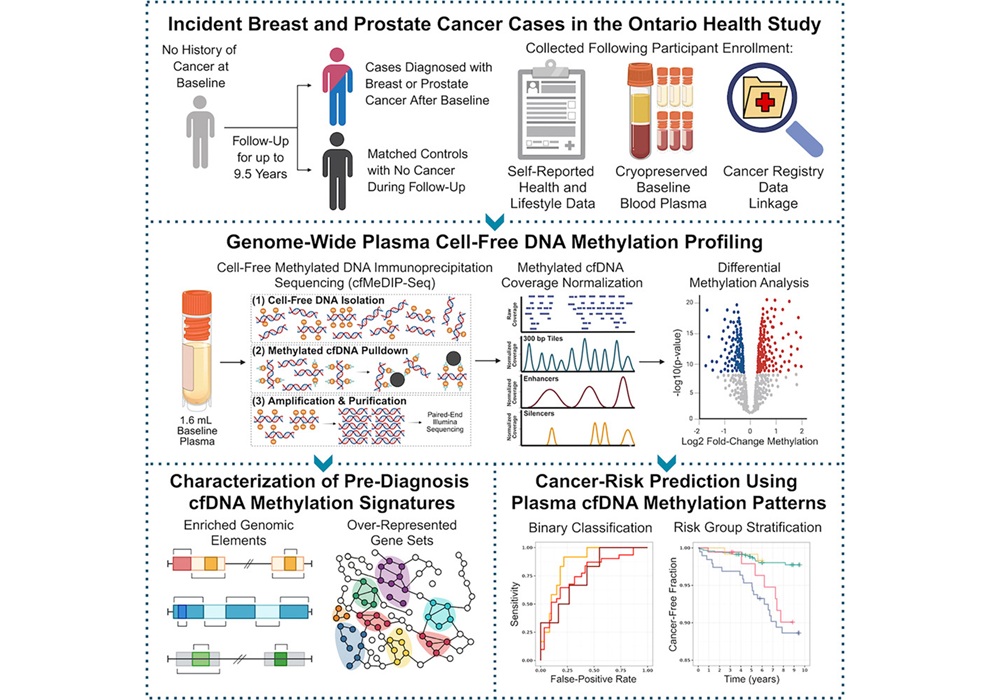
Blood Test Stratifies Prostate and Breast Cancer Risk Years Before Diagnosis
Cancer is the second leading cause of death globally, and late diagnosis contributes substantially to mortality. Routine screening is available for only a few cancer types, while other early detection... Read more
CSF Liquid Biopsy Could Help Distinguish Cancer from Autoimmune Brain Inflammation
Autoimmune encephalitis can cause memory and behavioral changes, seizures, and altered consciousness, but diagnosis can be challenging because cancers involving the brain and central nervous system may... Read more
Mpox Analysis Reveals Substantial Suspected False Positives Associated with Contamination
Reliable confirmation of mpox can be difficult where multiple rash-causing illnesses co-circulate and laboratory capacity is limited. Although PCR is central to case detection, contamination during specimen... Read more
Liquid Biopsy Shows Promise for Detecting and Monitoring Malignant Nerve Sheath Tumors
Malignant peripheral nerve sheath tumor (MPNST) is one of the most serious cancers affecting people with neurofibromatosis type 1 (NF1), yet timely recognition remains difficult. Clinicians often struggle... Read moreHematology
view channel
New Donor Genetic Marker May Help Predict Stem Cell Transplant Success
Donor selection for hematopoietic stem cell transplantation plays a major role in relapse risk and survival for patients with blood cancers and other blood disorders. Despite advances in genotyping, uncertainty... Read more
Updated Ferritin Thresholds Improve Detection of Iron Deficiency
Iron deficiency is one of the most common health conditions worldwide, yet its nonspecific symptoms can delay diagnosis for months. Variation in testing practices and ferritin thresholds may contribute... Read more

Immunology
view channel
Werfen Expands Automated APS Testing with FDA-Cleared and CE-Marked IgA Reagent
Antiphospholipid syndrome (APS) is an autoimmune disorder associated with thrombosis and pregnancy complications, but its symptoms can overlap with those of other conditions, complicating diagnosis.... Read more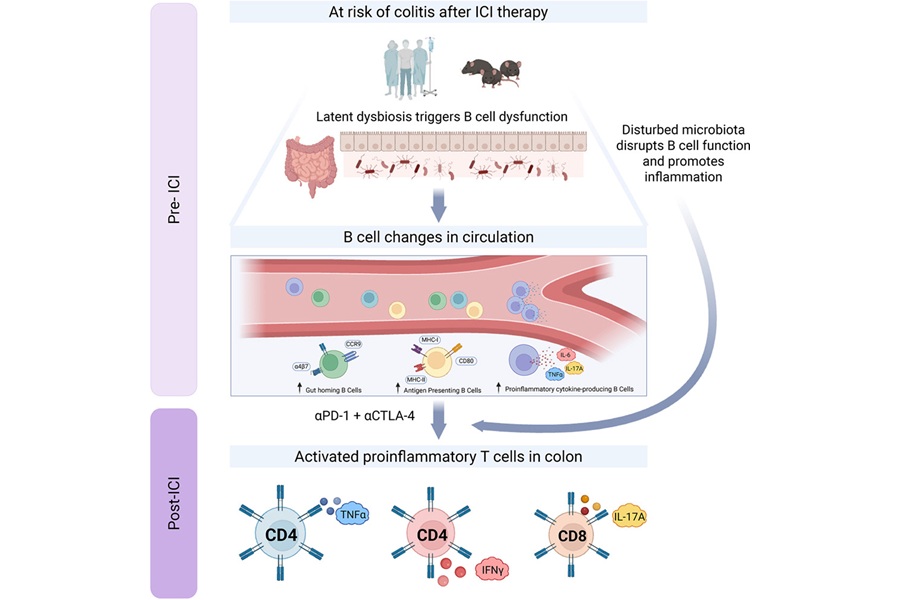
Blood Biomarker May Predict Colitis Risk in Checkpoint Inhibitor Therapy
Immune checkpoint inhibitors can trigger immune-related colitis that leads to severe diarrhea, abdominal pain, and treatment interruptions. Clinicians currently lack validated tools to identify which patients... Read more
Blood EBV Activity Biomarkers May Predict Multiple Sclerosis Relapse Months Ahead
Predicting relapse in multiple sclerosis (MS) remains difficult, limiting opportunities for timely intervention and monitoring. Although many people harbor latent Epstein-Barr virus (EBV), growing evidence... Read more
Microbiology
view channel
New Urine Test Expands Mycotoxin Analysis to 31 Markers for Broader Exposure Assessment
Clinical evaluation of mold exposure increasingly relies on urinary mycotoxin testing, but limited marker coverage and metabolite masking can make results more difficult to interpret. Broader analysis... Read more
Collaboration Targets Blood-Based Ebola Detection Outside Central Laboratories
Co-Diagnostics, Inc. (Salt Lake City, UT, USA) and ReadyGo Diagnostics Ltd. (Bath, UK) have initiated a collaboration to evaluate ReadyGo’s GoCollect with the Co-Dx PCR platform for blood-based molecular... Read more

Pathology
view channel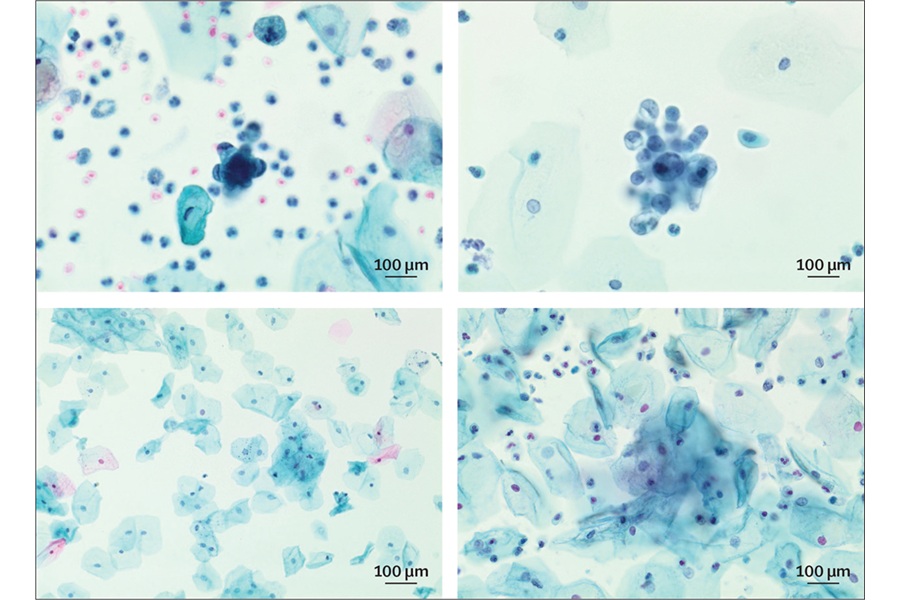
Simple Test Could Reduce the Need for Invasive Uterine Cancer Checks
Bleeding after menopause requires prompt investigation for uterine cancer, although most women who undergo testing do not have the disease. In the U.K., uterine cancer affects nearly 10,000 women each... Read more
Tumor Blood Vessel Features May Help Predict Colorectal Cancer Survival
Colorectal cancer outcomes vary widely, and tumor biology remains a key determinant of prognosis. Because neoplasms depend on a vascular supply, differences in intratumoral vessels may influence survival.... Read more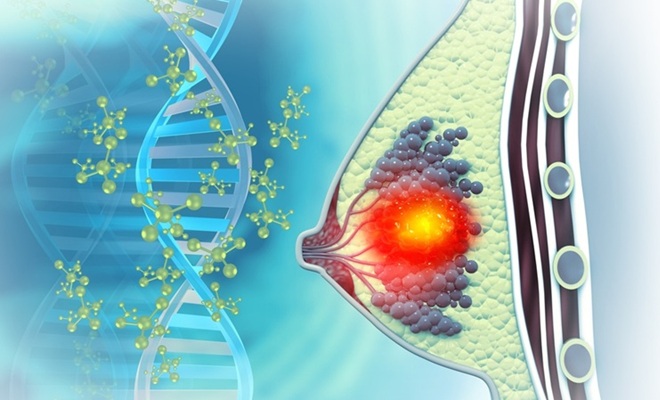
Multimodal AI Improves Breast Cancer Recurrence Risk Prediction Beyond Standard Genomic Testing
Predicting which patients with early-stage breast cancer will develop distant recurrence remains difficult, complicating decisions about long-term therapy and surveillance. Widely used genomic assays are... Read more
Technology
view channel
ADLM Calls for CLIA Updates to Support Safe AI Use in Laboratory Medicine
Clinical laboratories increasingly use artificial intelligence to verify, interpret, and report results, but safeguards under the Clinical Laboratory Improvement Amendments (CLIA) were designed in 1992.... Read more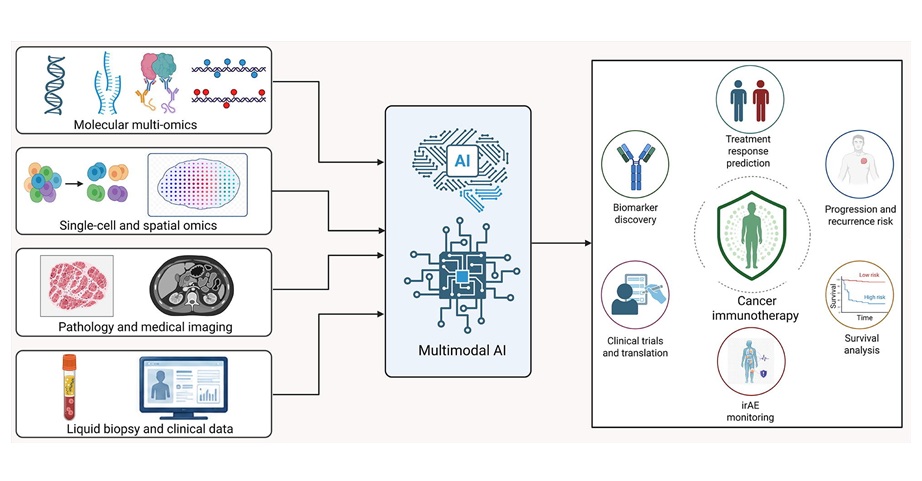
Multimodal AI Framework Aims to Guide Cancer Immunotherapy Decisions
Cancer immunotherapy has reshaped oncology, but heterogeneous responses and immune-related toxicities continue to complicate routine decision-making. Standard biomarkers, including programmed death-ligand... Read more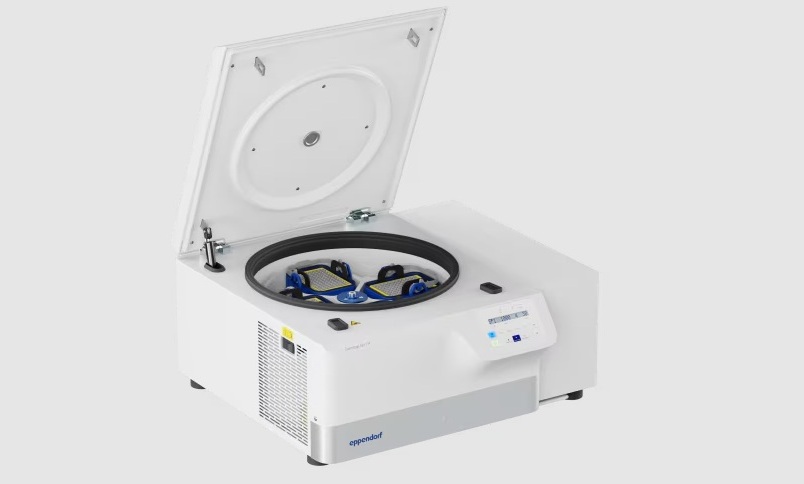
New Multipurpose Centrifuge Combines High Capacity with Sustainable Cooling
Laboratories often need centrifugation that accommodates multiple vessel formats while maintaining controlled temperatures to protect sensitive samples. Intuitive controls and repeatable operation can... Read more
Bacterial Vesicle Expression System Streamlines Production of Cancer Diagnostic Proteins
Recombinant proteins are central to many cancer diagnostics and therapies, but numerous targets remain difficult and costly to produce because they are unstable, toxic to microbial hosts, or require precise folding.... Read moreIndustry
view channel
New UK Collaboration Expands Access to Integrated Alzheimer’s Diagnostic Testing
C2N Diagnostics and Cambridge Cognition have partnered with The Alzheimer’s Trust to create an integrated pathway aimed at supporting earlier and more accurate diagnosis of Alzheimer’s disease and related dementias.... Read more
Multi-Cancer Early Detection Test Wins FDA Panel Backing for Approval
GRAIL’s Galleri multi-cancer early detection (MCED) test was reviewed by the Molecular and Clinical Genetics Devices Panel of the U.S. Food and Drug Administration’s (FDA) Medical Devices Advisory Committee.... Read more
Siemens Healthineers and Novo Collaborate to Expand Access to Noninvasive Liver Testing
Metabolic dysfunction‑associated steatotic liver disease (MASLD) and its progressive form, metabolic dysfunction‑associated steatohepatitis (MASH), affect millions and are linked to obesity, type 2 diabetes,... Read more