






Pathology
Single-Cell Analysis Provides New Insights into Mitochondrial Diseases
Mitochondrial diseases result from failure of mitochondria, specialized compartments within cells that contain their own DNA and produce the energy needed to sustain life. Some of the most challenging mitochondrial disorders arise from mutations in mitochondrial DNA (mtDNA), a high-copy-number genome that is maternally inherited. More...24 Aug 2020
Prostate Cancer Identified By Profiling Immune Cell Subsets
With an estimated 1.8 million new cases in 2018 alone, prostate cancer is the fourth most common cancer in the world. Diagnosing the disease early increases the chances of survival, but this cancer remains difficult to detect. More...19 Aug 2020

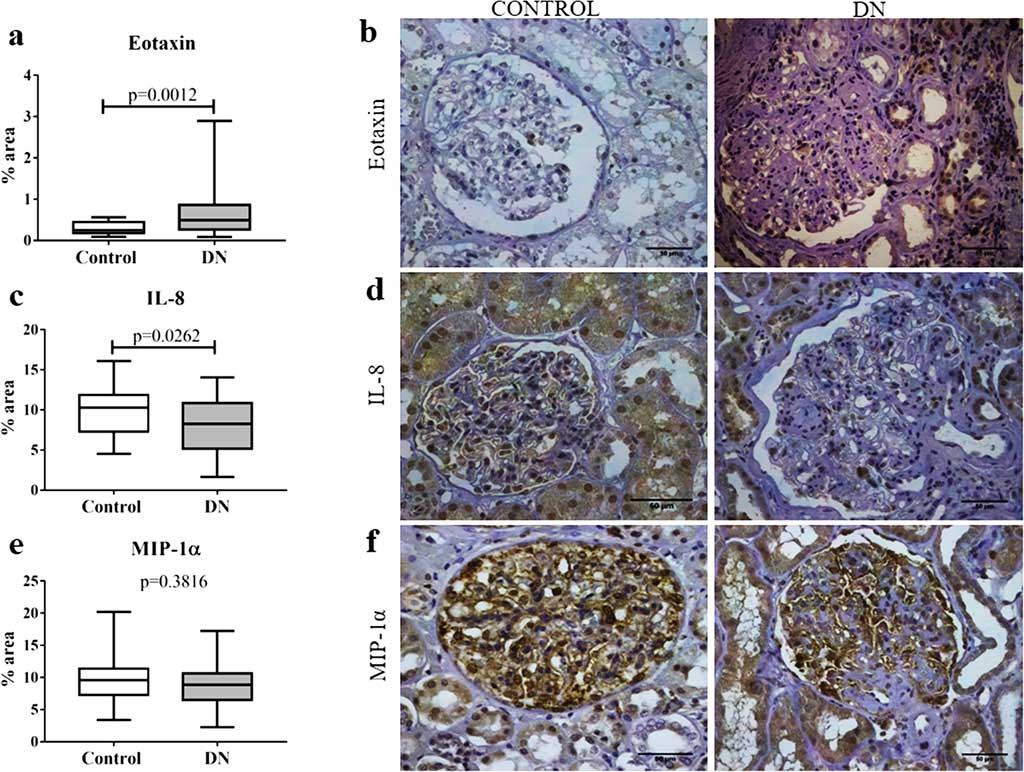
Renal Expression of Immunomodulators in Diabetic Nephropathy
Diabetic nephropathy (DN) is a chronic microvascular complication that affects about 20% to 30% of patients with type 2 diabetes mellitus (T2DM). It is considered the leading cause of end-stage renal failure requiring renal replacement therapy. More...12 Aug 2020
Simple Urine Test Significantly Improves Detection of Adrenal Cancer
Prognosis for patients discovered to have an adrenal cortical carcinoma (ACC), a cancerous adrenal mass, is poor, and a cure is only achievable through early detection and surgery. The incidental discovery of an adrenal mass often triggers additional scans to determine whether the mass is cancerous. More...06 Aug 2020
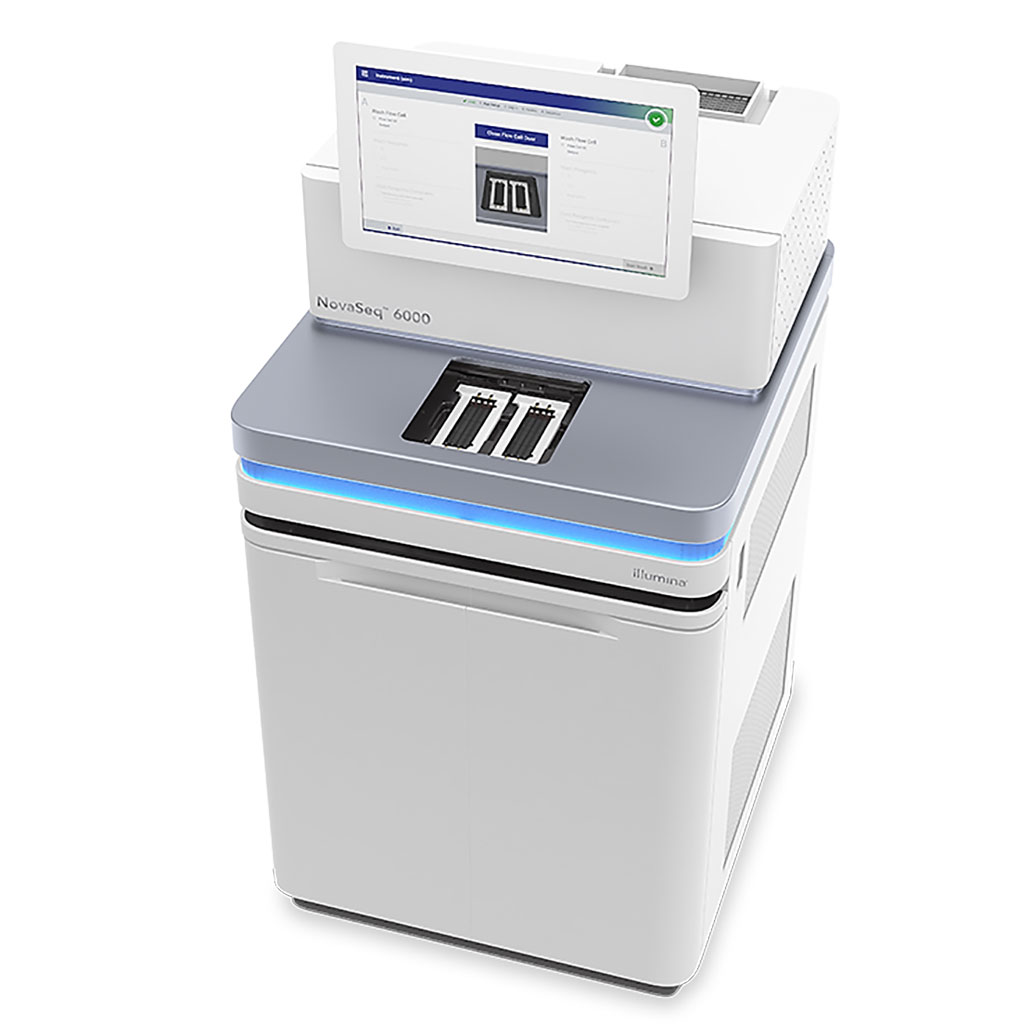
Somatic Evolution Identified in Non-Neoplastic IBD-Affected Colon
Inflammatory bowel disease (IBD) is a debilitating disease characterized by repeated flares of intestinal inflammation. The two major subtypes of IBD, Crohn’s disease (CD) and ulcerative colitis (UC) are distinguished by the location, continuity, and nature of the inflammatory lesions. More...06 Aug 2020
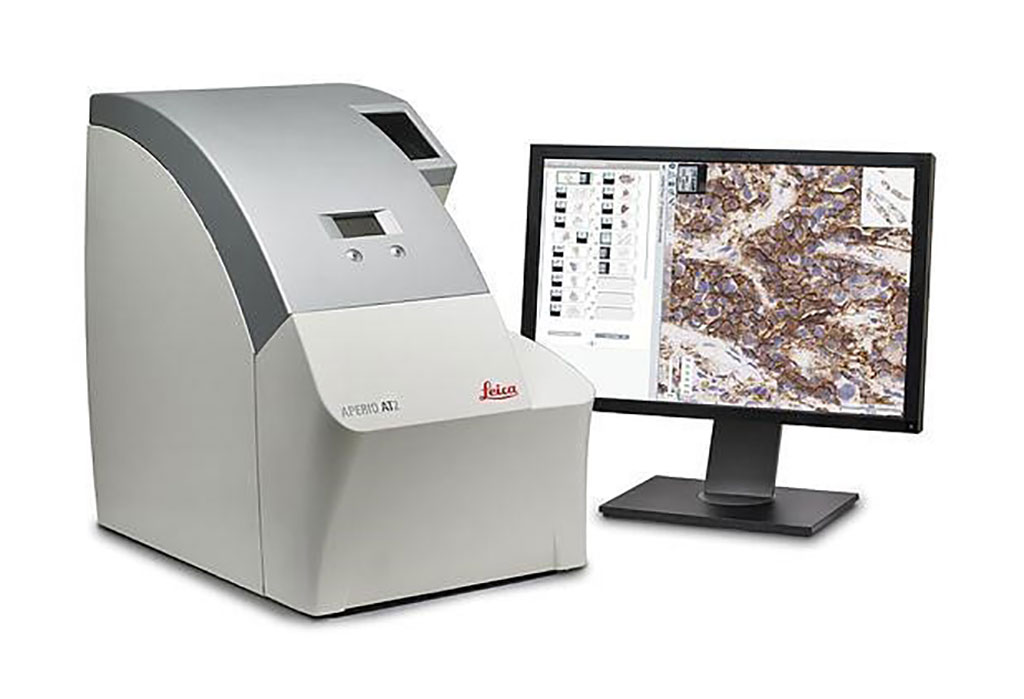
Digital Pathology Solution Resolves the Tissue Floater Conundrum
In routine clinical practice, pathologists may encounter extraneous pieces of tissue on glass slides that could be because of contamination from other specimens. These are typically called tissue floaters. The dilemma pathologists often face is whether such a tissue floater truly belongs to the case in question, or if instead it represents a true contaminant from another patient’s sample in which case it should be ignored. More...30 Jul 2020


Platinum Member

Automated Coagulation Analyzer
Hemolumi H6

Gold Member

POC Helicobacter Pylori Test Kit
Hepy Urease Test

New

Gastrointestinal Panel
Xpert® GI Panel
New

Fully Automated Urinalysis System
DxU 1800 Fully Automated Urinalysis System
In Other News
Pediatric Ependymoma Single-Cell Analysis Signatures Linked to Outcomes
Circulating Tumor DNA Associated with Triple-Negative Breast Cancer Recurrence
CtDNA Assay for Cancer Recurrence, MRD Applications Demonstrated
Cancer Cells Reprogram Immune Cells to Assist in Metastasis
Type 2 Diabetes Associated with Arrhythmic Daily Gut Microbe
Gene Genomic Prostate Score Test Evaluated as Prognosis Predictor
Early-Onset Preeclampsia Risk Reflected in Circulating Maternal Transcripts
Rapid Genomic Profiling of Colon Cancers Improves Therapy Selection
RNA Sequencing as Alternative to Immunohistochemistry in Cancer Diagnostics
Immune Cells Hampered Fighting Soft Tissue and Bone Sarcomas
Blood Test Could Predict Multiple Sclerosis Progression
Precision Medicine-Based Genetic Testing Developed for Prostate Cancer
Roche Advances Personalized Healthcare with Development of Image Analysis Algorithms Using Artificial Intelligence
Blood Test Predicts Prostate Cancer Treatment Response
Tumor Microbiome Appears to Vary with Cancer Type
Precision Oncology Confers Clinical Benefit in Relapsed Pediatric Cancer
Saliva-Based Assay Developed for HPV-Driven Oropharyngeal Cancer
Representative Tumor Sampling Method Lessens Molecular Analyses Bias
Germline Risk Variants Found in Prostate Cancer Patients
Non-Invasive Blood Assay Can Detect Early Colorectal Cancer
Microcytosis Is a Risk Marker of Cancer in Primary Care
Rare Kidney Cancer Marked by Molecular Features
Blood Test Shows Promise for Predicting Cancer


The Pathology channel details advances in the field of Surgical Pathology and all its subspecialties, including Cytopathology and its subspecialties.