






Pathology

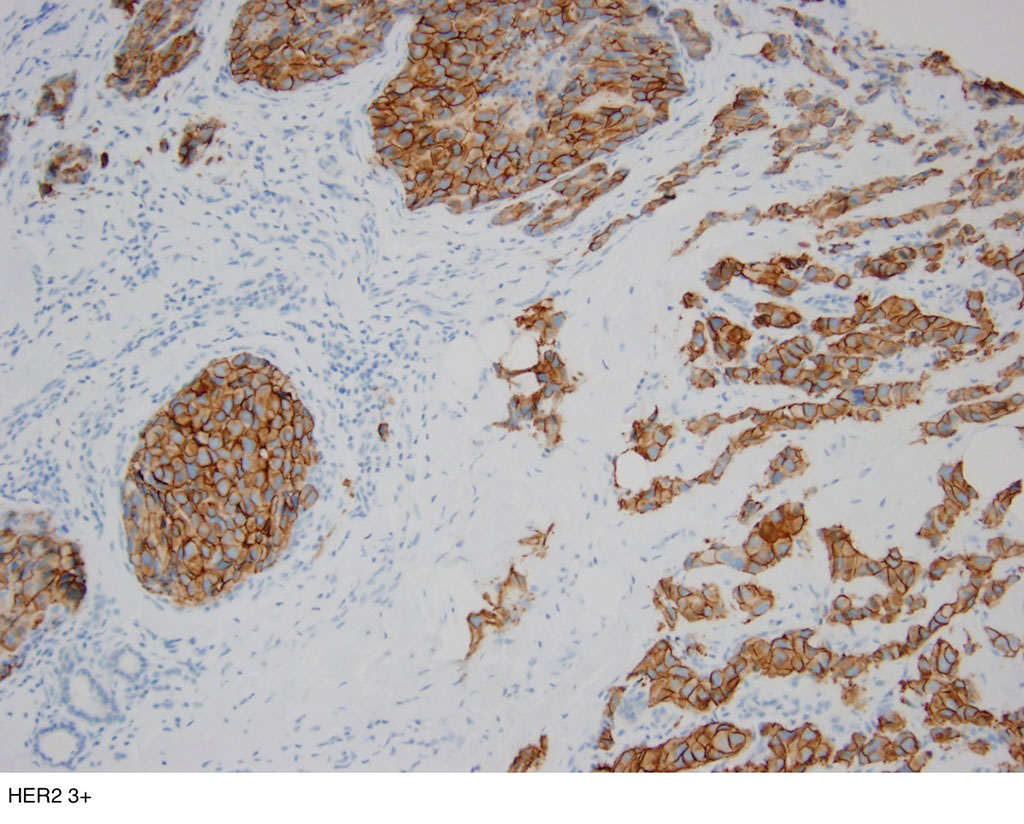
Liquid Biopsy Identifies Breast Cancer Patients Destined to Recur
Breast cancer is the most commonly diagnosed cancer worldwide. Most breast cancers, nearly 80%, are hormone receptor–positive (HR+). Unlike other subtypes of breast cancers in which risk of recurrence decreases 5 years after diagnosis, the recurrence risk for HR+ breast cancer remains steady from 5 years to at least 20 years with some patients experiencing recurrence three decades after diagnosis. More...15 Jun 2022

Pathology Workflow Uses AI for Analyzing Patient Samples
A cloud-based platform enables a holistic approach to cancer diagnostics and prognostics through the viewing of whole slide digital images of human histopathological samples and deep learning AI produced results along with their seamless reporting. More...15 Jun 2022
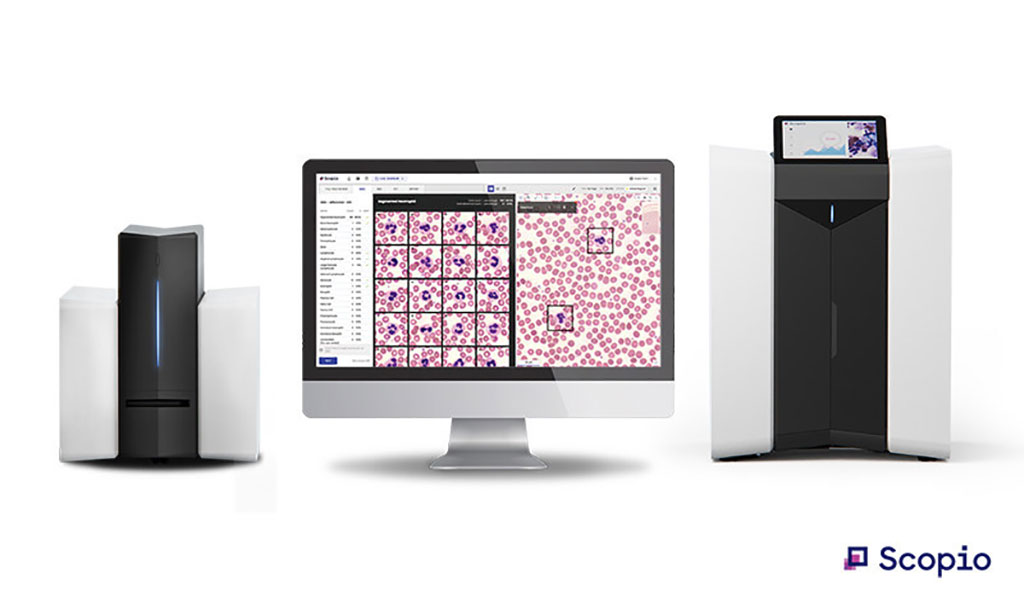
Digital Cell Morphology Platform May Replace Microscopes
A disruptive Peripheral Blood Smear (PBS) morphology solution combines high throughput capabilities with the highest resolution for hematological analysis, completely eliminating the need for additional manual microscopic examination. More...15 Jun 2022

Recurrent Disease Following DCIS Unrelated to Initial Lesions
Ductal carcinoma in situ (DCIS) is the most common form of pre-invasive breast cancer and, despite treatment, a small fraction (5% to 10%) of DCIS patients develop subsequent invasive disease. While DCIS are generally low-grade lesions that do not progress, a small portion of patients do experience recurrence, even after treatment. More...15 Jun 2022


Platinum Member

Automated Coagulation Analyzer
Hemolumi H6

Gold Member

POC Helicobacter Pylori Test Kit
Hepy Urease Test

New
Gold Member

Platelet Function Analyzer
PL-12
New

Microbiology Laboratory Automation Solution
BD Kiestra™ ReadA+BarcodA
In Other News
Leica Biosystems Launches Advanced Staining Solution for Increased Speed, Quality and Diagnostic Productivity
AI-Enabled Digital Pathology Scanner Provides Real-Time Predictive Analysis
Molecular Profiling Identifies High-Risk Subtype of Pediatric Liver Cancer
Serum Thrombospondin-2 Levels Associated with MAFLD Severity
AI-Assisted Tissue Sample Analytics Model Speeds Up Breast Cancer Diagnostics
Pathology Lab on Wheels Can Revolutionize Brain Surgery
Autoantibodies Combined With Tumor Markers Detect Lung Cancer
AI Image Analysis Module Detects Cancers at the Time of Surgery
Different Subtypes Defined in Small Cell Lung Cancer
Novel Surrogate Marker Described for Pancreatic Neuroendocrine Tumors
Tear-Based Method Detects Breast Cancer
Immunohistochemistry Biomarkers Used to Subtype Gastric Intestinal Metaplasia
Leica Biosystems Launches HistoCore PEGASUS Plus Dual-Retort Tissue Processor in Europe
Urinary Microbiome Linked to Prostate Cancer Risk
Lunit AI-Powered Pathology Solution Aids Highly Accurate Cancer Diagnosis
Immunohistochemistry-Guided Sequencing Finds Mutations in Most Cortisol-Producing Adenomas
Single-Cell Proteomics of Localized Prostate Cancer Defines Disease Heterogeneity
Two Simple Serum Biomarkers Differentiate Lymphoma from Glioma
Neurofilament Light Biomarker Linked With Parkinson's Disease
Epigenomic Biomarker Predict CAR T-Cell Therapy Resistance in Pediatric Leukemia
Broad Gene Panel Diagnoses Patients With Kidney Disease
First-of-Its-Kind AI-Enabled Service Digitizes Glass Slides to Help Labs Create Digital Pathology Repositories
Genetic Overlap Found for Ovarian Cancer Subtypes and Endometriosis (Cell Reports Medicine: University of Queensland)


The Pathology channel details advances in the field of Surgical Pathology and all its subspecialties, including Cytopathology and its subspecialties.