






Molecular Diagnostics


Serological Biomarker Aids Diagnosis of Rare Kidney Disease Without Biopsy
Antibodies against PLA2R (phospholipase A2 receptors) have been recognized as a significant serological biomarker for the diagnosis of primary membranous nephropathy (pMN) and can be determined using exclusive test systems from EUROIMMUN (Luebeck, Germany), a PerkinElmer, Inc. (Waltham, MA; USA) company. More...15 Jun 2022
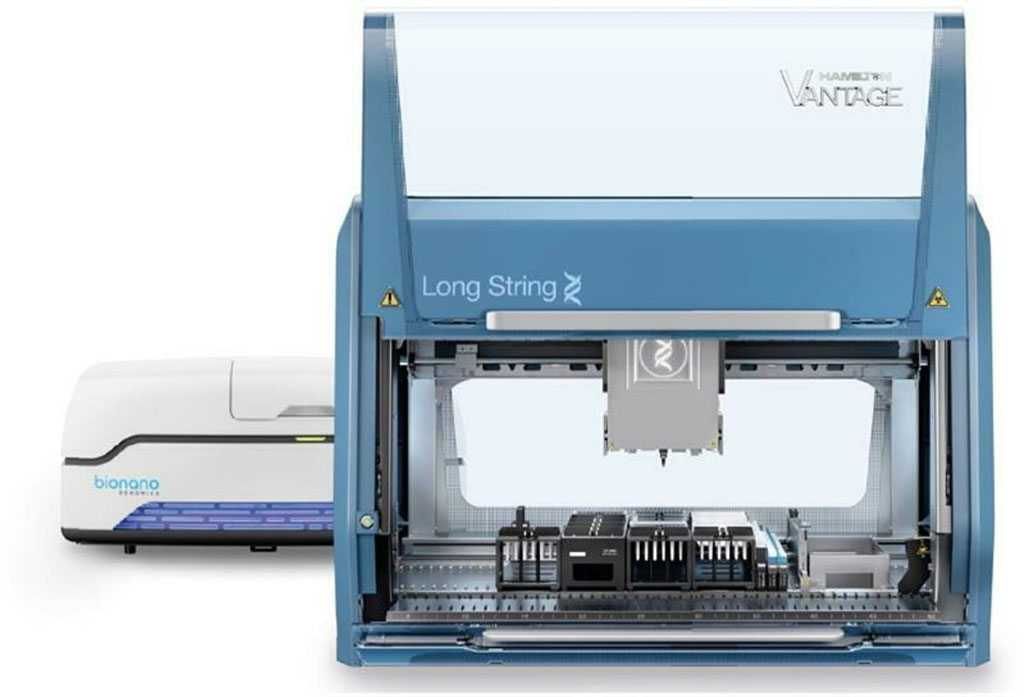
Automated Extraction of Ultra High Molecular Weight DNA
Hamilton (Reno, NV, USA) and Bionano Genomics (San Diego, CA, USA) have announced the collaborative development of the Long String VANTAGE for the isolation of Ultra High Molecular Weight (UHMW) DNA for use in optical genome mapping (OGM). More...15 Jun 2022
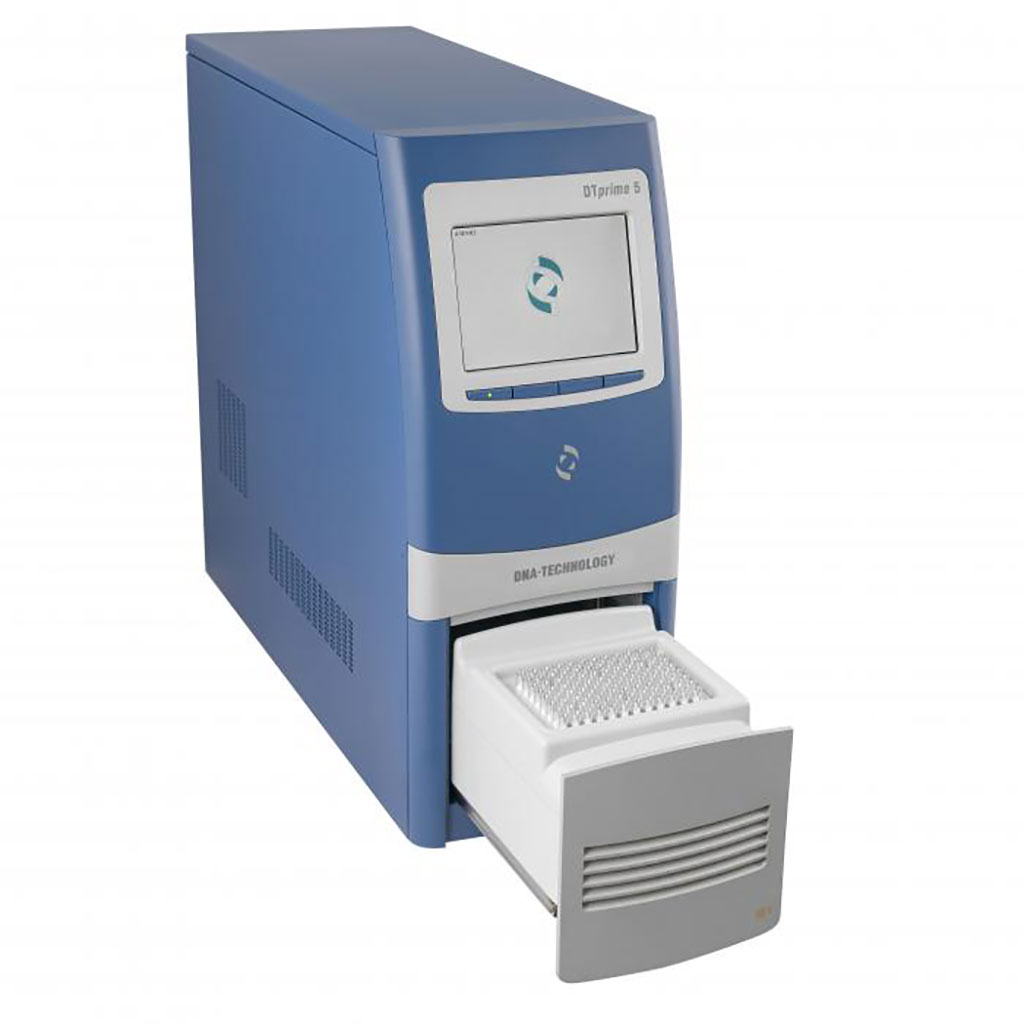
Genetic Polymorphisms Related to Recurrent Pregnancy Loss
Recurrent pregnancy loss (RPL) is defined as experiencing two or more spontaneous miscarriages occurring within 20 weeks of gestation and was reported to affect up to 1%–5% of women of reproductive age seeking pregnancy. The causes are unidentifiable in 50% of the patients who are classified as experiencing unexplained recurrent pregnancy loss (URPL). More...13 Jun 2022


Biobank Samples for Genetic Testing to Enable Accurate Diagnosis of Rare Diseases
Treatment of rare diseases requires accurate diagnosis which is often challenging to achieve. Now, a unique collaboration has pioneered new ways to find individuals in biobanks who may benefit from genetic testing to obtain an accurate diagnosis. More...13 Jun 2022



Platinum Member

Automated Coagulation Analyzer
Hemolumi H6

Gold Member

Neonatal Heel Incision Device
Tenderfoot
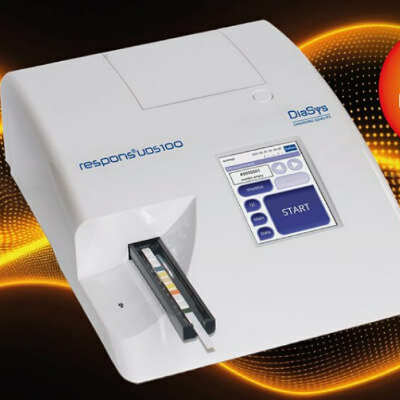

Urine Analyzer
respons® UDS100

New
Gold Member

Serum Indices Control
Acusera Serum Indices Control
In Other News
Thermo Scientific Launches Blood Tests for Diagnosing Autoimmune Disease
First Blood-Based Diagnostic Test for Bipolar Disorder Also Differentiates Patients with Depression
Novel Method for Fast Detection of Key Antiviral to Speed Hepatitis Diagnosis
Detection of ctDNA Can Guide Post-Surgical Treatment of Colon Cancer Patients
New Tool Improves Ebola Virus Diagnosis
New Way to Identify Influenza A Virus Could Pave Way for More Sensitive Tests
Randox Quality Control Launches Acusera Anti-Müllerian Hormone (AMH) Control
Blood Test Combines Epigenetics, NGS and Machine Learning for Multi-Cancer Early Detection
Quantitative Diagnostic System Delivers Results in Minutes at True POC Situation
Biodesix’s MRD Test for Solid Tumors to Run on Bio-Rad's Upcoming QX600 ddPCR System
Blood Test Enables Early Detection of Oral Cancer
MIS-C Linked to Rare, Immune-Related Variants
Noninvasive Blood Test Predicts Rejection After Heart Transplant
Genome-Wide NIPT Uncovers Additional Findings
Proteomics-based Blood Test May Replace Biopsy for Diagnosis of Liver Disease
Novel Method Uses DNA Droplets for Early Disease Detection
Testing for DNA Shed from Colon Cancers into Bloodstream Guides Chemotherapy After Surgery
Blood Test May Be a Game-Changer for TB Diagnoses and Treatment
Blood Test Detects and Monitors Cell Death to Predict Disease Severity
Non-Invasive Tests for Diagnosing Liver Diseases Could Shape Future Clinical Care
Results of Alzheimer’s Disease Blood Tests Are Skewed by Unrelated Chronic Conditions
Liquid Biopsy Predicts Success of ICI Treatment in Lung Cancer Patients
Lung Cancer Detection Blood Test to Reduce Need for Repeated CT Scanning


Genetic Testing channel of LabMedica brings the latest in molecular genetics, cytogenetics, and epigenetics, and methods from PCR to FISH, and more.