Quidel Introduces Savanna True Sample-to-Result Multiplex RT-PCR System at ECCMID 2022
|
By LabMedica International staff writers Posted on 22 Apr 2022 |


|
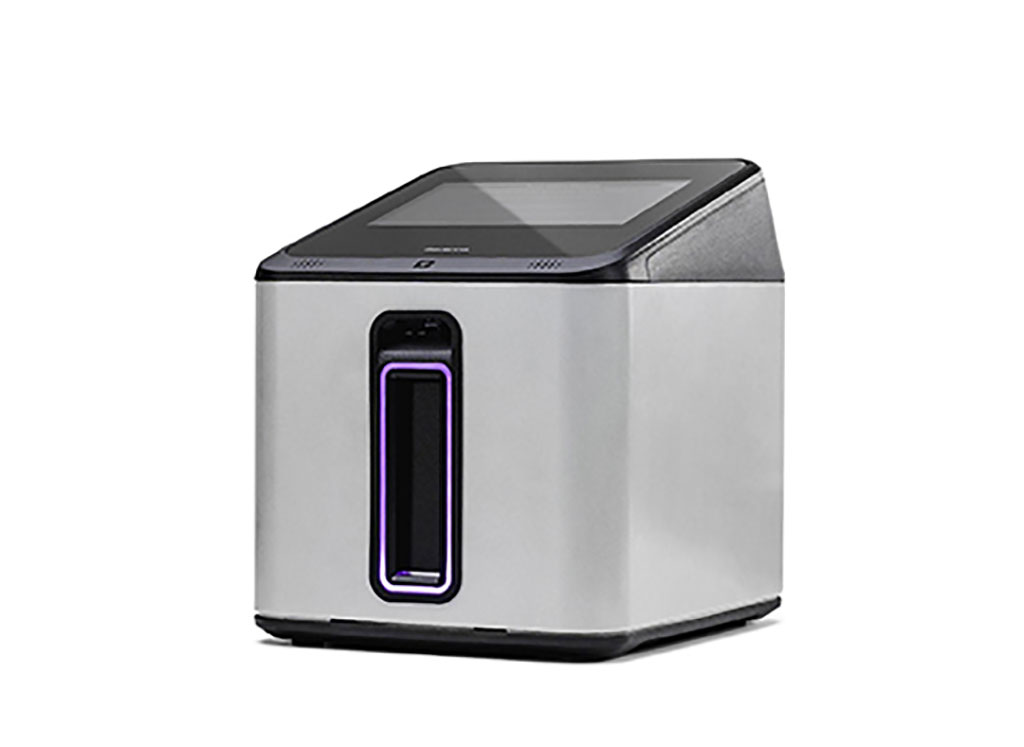
Quidel (San Diego, CA, USA) introduced the Savanna true sample-to-result multiplex RT-PCR system at ECCMID 2022 which took place for the first time as a hybrid event both online and on-site in Lisbon, Portugal on 23 - 26 April 2022. ESCMID's yearly congress attracts over 14,000 participants. This year, the congress featured a hybrid format to facilitate an onsite and online experience for attendees allowing for remote and face-to-face opportunities to take part in the multifaceted program.
Savanna is a multiplex molecular platform that enables professional customers to analyze up to 12 pathogens or targets, plus controls, from a single assay run in less than 30 minutes. The Savanna system is a fully integrated, sample-to-result automated in-vitro diagnostic platform that performs real-time Polymerization Chain Reaction (PCR) tests by using the Savanna instrument and Savanna assay cartridges. After inserting the assay cartridge, the instrument performs sample and reagent preparation, nucleic acid extraction and amplification, real-time detection of RNA or DNA target sequence, and qualitative or quantitative result interpretation from a variety of sample types. The Savanna system is intended to aid in the diagnosis of related diseases. Quidel has received the CE Mark for its Savanna multiplex molecular analyzer, allowing the company to market and sell the Savanna system in Europe, as well as other countries that accept the CE Mark.
“The Savanna system’s small footprint features integrated sample prep combined with rapid real-time PCR amplification and detection technologies, making it a perfect fit for syndromic testing in hospitals and moderate-complexity labs, with the goal of eventually accessing physician offices, urgent care clinics and other point-of-care locations,” said Douglas Bryant, president and CEO of Quidel Corporation.
Related Links:
Quidel








Latest ECCMID 2022 News
- BD Presents Latest Automated Solutions to Combat Antimicrobial Resistance at ECCMID 2022
- Boditech Presents Latest IVD Solutions at ECCMID 2022
- CerTest Presents VIASURE Complete Solution for Improved Molecular Diagnostic Workflow
- BioVendor Presents Its Portfolio of IVD Products and Technologies for Lab Automation
- Bio-Rad Exhibits Complete Infectious Disease Testing Portfolio at ECCMID 2022
- Siemens Presents Its Full Portfolio of COVID-19 Testing Solutions at ECCMID 2022
- MeMed Highlights Pioneering Blood Test for Accurately Distinguishing Between Bacterial and Viral Infection
- Abbott Highlights Rapid Diagnostic Platforms to Complement Centralized RT-PCR Testing at ECCMID 2022
- Seegene Showcases All-in-One Platform for Molecular Diagnostic Testing for Infectious Diseases
- Beckman Coulter Presents Virtual Showcase of MicroScan Microbiology Solutions
- Randox Presents Vivalytic Universal, Fully Automated All-in-One Solution for Molecular Diagnostics at ECCMID 2022
- Meridian Bioscience Exhibits Curian Immunofluorescent Testing Platform at ECCMID 2022
- Copan Showcases Fully Automated Solutions for Antibiotic Susceptibility Testing at ECCMID 2022
- Autobio Diagnostics Showcases Automated Microbial Identification and ID-AST Solutions at ECCMID 2022
- Altona Diagnostics Exhibits AltoStar Product Range at ECCMID 2022
- Alifax Presents First Automated System for Bacterial Culture and Susceptibility Testing at ECCMID 2022
Channels
Clinical Chemistry
view channel
Common Kidney Function Tests May Miss CKD in Cancer Patients
Chronic kidney disease (CKD) can complicate cancer care, as reduced kidney filtration may affect treatment eligibility and dosing. In oncology, kidney function assessment often relies on estimated glomerular... Read more
Point-of-Care Blood Biomarker Test Detects Brain Injury Missed by CT
Traumatic brain injury remains difficult to assess in emergency settings because some patients continue to have symptoms despite normal computed tomography findings. Approximately 2.8 million people in the U.... Read more

Molecular Diagnostics
view channel
Molecular Vaginitis Panel Gains FDA Clearance and CLIA Waiver for Point-of-Care Use
Vaginitis affects most women at least once in their lifetime and can cause painful, disruptive symptoms. Common causes include bacterial vaginosis, vulvovaginal candidiasis, and trichomoniasis, reflecting... Read more
AI Tool Predicts Immunotherapy Response Using Tumor Senescence Signals
Patients receiving the same cancer immunotherapy can have markedly different outcomes, with some showing little or no response. Identifying these patients earlier could reduce the costs of ineffective... Read more
Hematology
view channel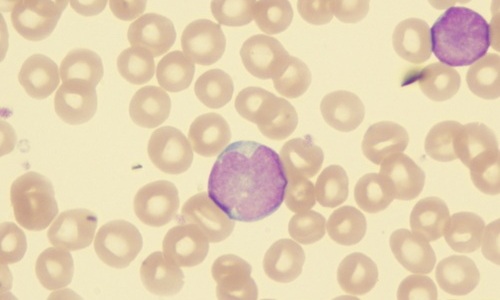
New Risk-Stratification Tool Predicts Relapse After Blinatumomab in Childhood ALL
Acute lymphoblastic leukemia in children and young people requires careful assessment of relapse risk, particularly as treatment approaches move beyond standard chemotherapy. Traditional relapse predictors... Read more
New Myelofibrosis Guidelines Recommend Expanded Genetic Testing at Diagnosis
Myelofibrosis is a rare, life-threatening blood cancer affecting up to six per 100,000 people. The disease causes scarring in the bone marrow, limiting the production of healthy blood cells and potentially... Read more

Immunology
view channel
Antibody Profiling Predicts Inflammatory Bowel Disease Years Before Diagnosis
Inflammatory bowel disease (IBD), which includes Crohn’s disease and ulcerative colitis, involves abnormal immune responses that cause persistent inflammation and damage in the digestive system.... Read more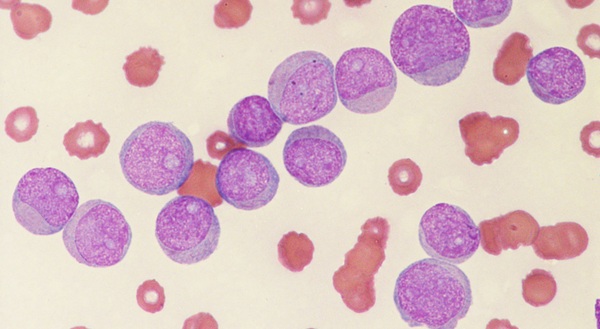
Immune Profiling Initiative Aims to Improve Bone Marrow Analysis in Leukemia
Acute myeloid leukemia (AML) is an aggressive blood cancer in which assessing disease burden after therapy can help guide clinical evaluation. Patients with measurable residual disease (MRD) after treatment... Read more
Immune Profiling Identifies Early Maternal Autoantibodies Linked to Preterm Birth Risk
A typical pregnancy lasts about 40 weeks, but labor begins prematurely in roughly one in 10 pregnancies. Preterm birth is the leading cause of newborn death worldwide, yet its underlying causes and which... Read more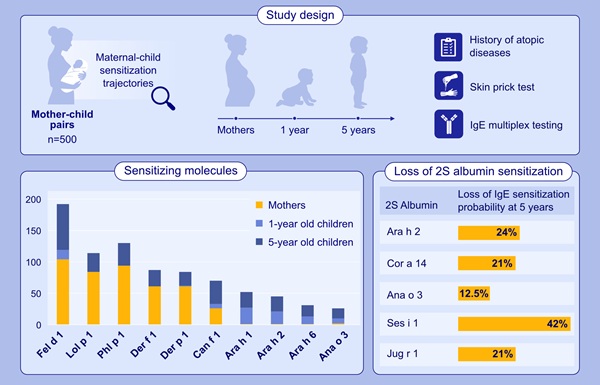
Longitudinal Blood Testing Reveals Changes in Allergen Sensitization During Childhood
Food allergy is a major childhood health concern, and distinguishing persistent risk from transient sensitization can guide clinical decisions. Specific IgE antibodies may be detectable even when a child... Read moreMicrobiology
view channel
Molecular Panel Gains WHO Emergency Use Listing to Support Ebola Outbreak Response
The ongoing Ebola Bundibugyo outbreak in the Democratic Republic of the Congo and neighboring countries has become one of the largest outbreaks of this Ebola virus species recorded to date.... Read more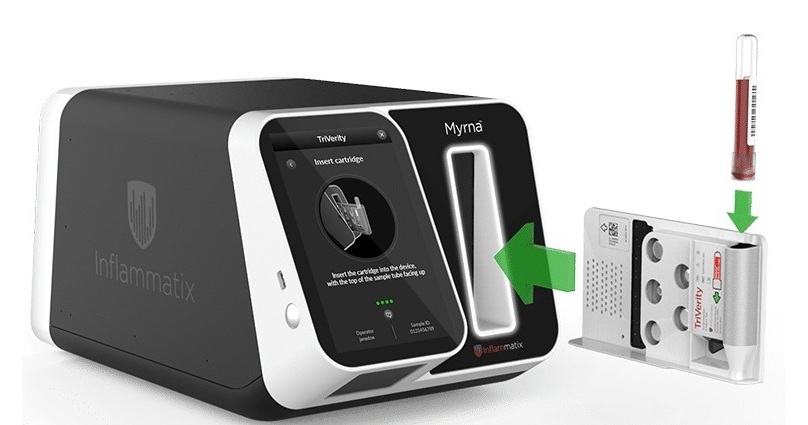
Rapid Host-Response Test Aims to Predict Corticosteroid Benefit in Sepsis
Sepsis and severe infections are difficult to treat because patients with similar clinical presentations may have very different underlying immune responses. Corticosteroids are commonly used in severe... Read more
Pathology
view channel
Digital Pathology Test Stratifies Recurrence Risk in Early Breast Cancer
In hormone receptor-positive, human epidermal growth factor receptor 2 (HER2)-negative early breast cancer, accurate recurrence-risk assessment helps guide treatment decisions. However, individual risks... Read more
AI Pathology Tool Predicts DNA Repair Deficiency in High-Grade Serous Ovarian Cancer
High-grade serous tubo-ovarian carcinoma is an aggressive cancer arising in the ovaries or fallopian tubes. Some tumors exhibit homologous recombination deficiency (HRD), a feature reflecting impaired DNA repair.... Read more

Technology
view channel
Compact PCR Thermal Cycler Launches for Routine Molecular Laboratory Workflows
Molecular laboratories rely on nucleic acid analysis to detect molecular information accurately and reproducibly across a wide range of applications. Supporting these routine workflows, a newly launched... Read more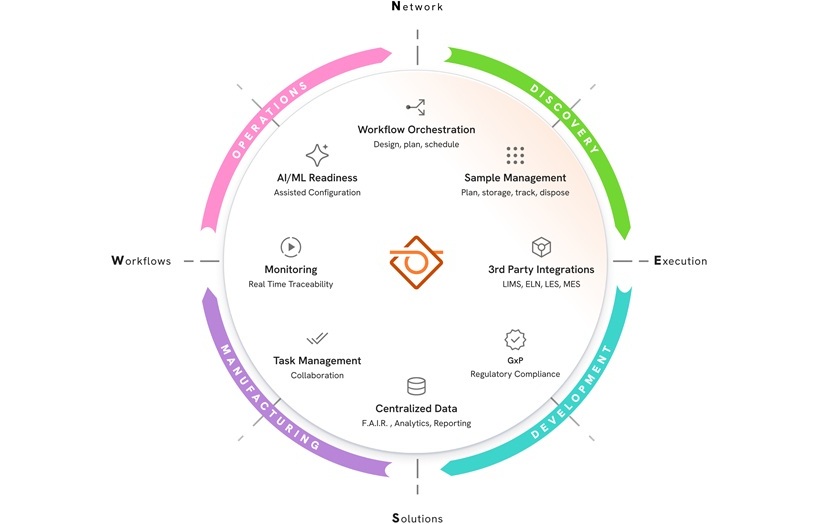
New AI-Powered System Aims to Streamline Laboratory and Manufacturing Workflows
Scientific laboratories supporting drug development, biotechnology, and materials research increasingly rely on coordinated digital workflows to move data, samples, and activities across teams.... Read more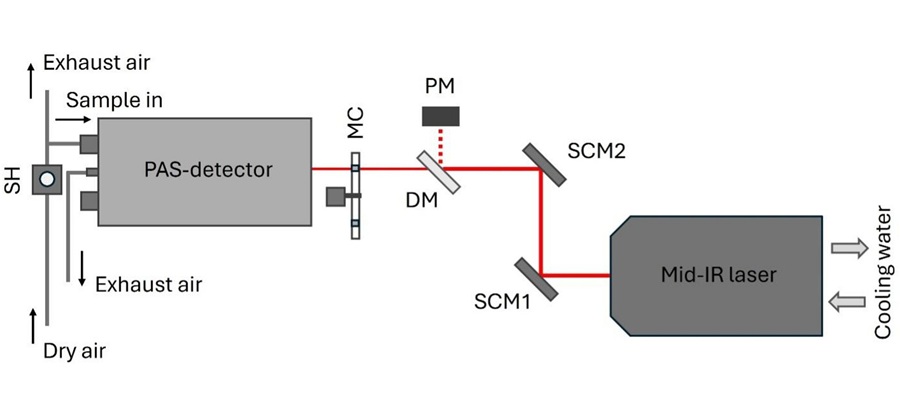
Industry
view channel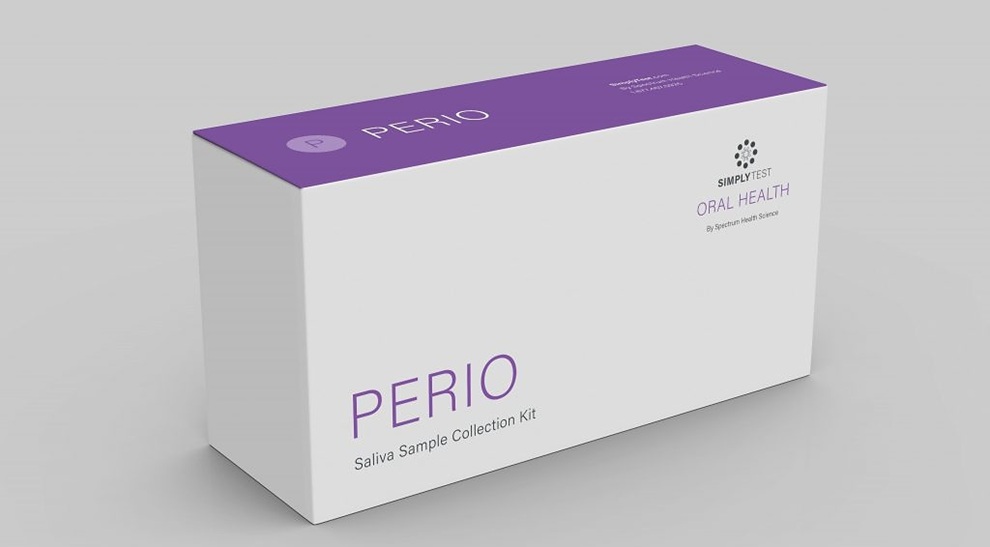
Real Diagnostics Adds Saliva-Based Periodontal Testing With SimplyTest Deal
Real Diagnostics (Reisterstown, MD, USA) has acquired SimplyTest (Huntsville, AL, USA), a provider of saliva-based diagnostic tests for oral health. The acquisition adds the SimplyTest PERIO product to... Read more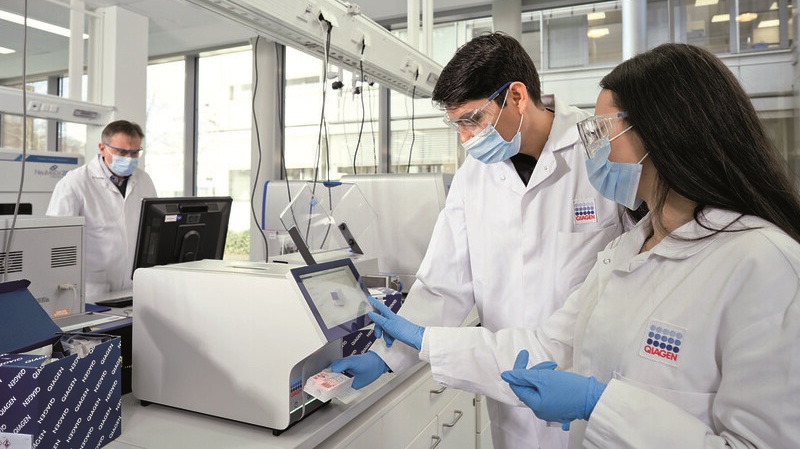
Qiagen Agrees to Go Private Through EQT-Led Acquisition
QIAGEN N.V. (Venlo, the Netherlands) and EQT Private Equity (Stockholm, Sweden) have agreed to an all-cash public takeover offer for all outstanding QIAGEN shares at EUR 46.50 per share.... Read more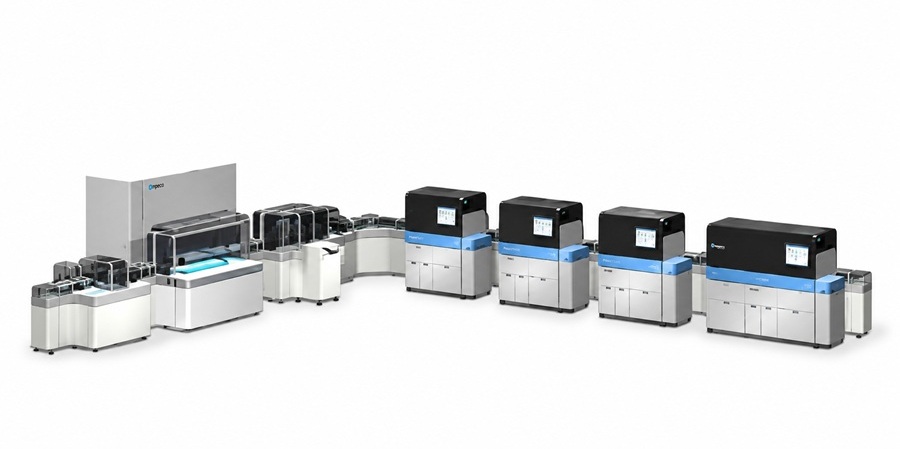
Hologic and Inpeco Partner to Advance Molecular Laboratory Automation in Europe
Hologic, Inc. (Marlborough, MA, USA) and Inpeco S.A. (Novazzano, Switzerland) have signed a co-marketing partnership in Europe for Inpeco’s recently launched FlexLab X automation solution and Hologic’s... Read more