Laboratory Medicine and Nosocomial Infections: Coping with Clostridium Difficile
|
By LabMedica International staff writers Posted on 19 Feb 2010 |


|
Sixth article in Laboratory Medicine and Nosocomial Infections series - A bacterium transmitted in hospitals, called Clostridium difficile, is found in the intestines where it can cause severe diarrhea and life-threatening intestinal conditions, such as pseudomembranous colitis (inflammation of the large intestine), toxic megacolon (extreme inflammation and distention of the colon), and sepsis (a condition in which the body fights a severe infection that has spread via the bloodstream), which can be fatal.
New products on the market that diagnose C. difficile have received clearance from the U.S. Food and Drug Administration (FDA; Atlanta, GA, USA). These include products from Prodesse Inc. (Waukesha, WI, USA), BD Diagnostics, of Becton, Dickinson and Co (Franklin Lakes, NJ, USA), and Cepheid, (Sunnyvale, CA, USA).
The Health Protection Agency in the United Kingdom (HPA), which tracks deaths from C. difficile, reports that it is responsible for more deaths than the more widely known methicillin-resistant Staphylococcus aureus (MRSA), and that the death rate is increasing.
Many health care professionals maintain that the problem is compounded by the fact that more than 90% of US laboratories use immunoassay tests, which have been shown to be insensitive, with some testing below 50% compared to molecular testing.
"The previous lack of an accurate and rapid diagnostic test for C. difficile has greatly impeded our ability to halt the increasing rate of C. difficile, which has taken a severe turn in the past several years. Patients can have their first diarrhea symptoms on a Monday and be dead by Thursday," said Dale Gerding, MD, professor of medicine, division of infectious diseases, Loyola University Chicago Stritch School of Medicine (IL, USA).
"Toxigenic culture offers high sensitivity, but laboratories find it burdensome and far too slow for practical diagnostic use. Instead, many use less labor-intensive toxin EIA [enzyme immunoassay] and GDH [glutamate dehydrogenase] tests, which fail to detect 20 to 50 % of cases," he explained. "From a practical standpoint, this means many patients are not subjected to proper isolation procedures that can curtail transmission of C. difficile."
In April 2009, Prodesse received approval from the FDA to sell its diagnostic ProGastro Cd, which detects toxic strains of C. difficile. The tool uses real-time polymerase chain reaction (RT-PCR) technology to produce a sensitive result on a stool sample in about three hours. Simple to use and with low inhibition, ProGastro Cd runs on a standard molecular instrument and fits easily into existing workflow.
In trials at three clinics, ProGastro Cd detected 43% more positives than did the current gold standard. Genetic sequencing confirmed that more than 90% of the additional positives detected by ProGastro Cd were accurate. In addition, the three clinical sites reported no inhibited samples--an important aspect because stools usually contain many PCR inhibitors.
In January 2009, BD Diagnostics received the FDA go-ahead to market GeneOhm--a molecular assay for the rapid detection of the Toxin B gene found in C. difficile. The GeneOhm assay targets the Toxin B gene, discovered in 1978, to be the cause of antibiotic-associated diarrhea and colitis and found in virtually all toxigenic C. difficile strains, including the emerging BI/NAP1/027 epidemic strain. It combines high sensitivity and specificity, and provides definitive test results in less than 2 hours.
"From our assay, you do not have to do a culture confirmation," Tobi Karchmer M.D., medical affairs director, BD Diagnostics (Franklin Lakes, NJ, USA) said. "The hospital could start an infection control based on the assay."
Results can be obtained in 16 hours, a shorter time than the chromogenic incubation period of 18 to 24 hours and far shorter than the 48 hours required for a culture to give results.
Cepheid received FDA clearance in July 2009 for its Xpert C. difficile test, an on-demand molecular diagnostic test designed for 45-minute detection of the bacterium. Blue colonies on Cepheid's spectra plate represent a positive result for MRSA. The Xpert C. difficile test is Cepheid's seventh test to receive FDA clearance, and fourth in its expanding menu of on-demand HAI products. Cepheid will also continue to work closely with the FDA to deliver an additional product featuring simultaneous differentiation of the 027/NAP1/BI epidemic strain.
According to BD's Dr. Karchmer, before the advent of molecular testing, many physicians would ignore the results of the less sensitive tests if they did not confirm what the symptoms indicated.
"The clinicians would resend the test and order multiple tests," Karchmer says. "They didn't understand that ordering multiple tests using the same inaccurate method does not improve results. It doesn't help and is costly."
Related Links:
U.S. Food and Drug Administration
Prodesse Inc.
Becton, Dickinson and Co.
Cepheid
Health Protection Agency in the United Kingdom
University Chicago Stritch School of Medicine






New products on the market that diagnose C. difficile have received clearance from the U.S. Food and Drug Administration (FDA; Atlanta, GA, USA). These include products from Prodesse Inc. (Waukesha, WI, USA), BD Diagnostics, of Becton, Dickinson and Co (Franklin Lakes, NJ, USA), and Cepheid, (Sunnyvale, CA, USA).
The Health Protection Agency in the United Kingdom (HPA), which tracks deaths from C. difficile, reports that it is responsible for more deaths than the more widely known methicillin-resistant Staphylococcus aureus (MRSA), and that the death rate is increasing.
Many health care professionals maintain that the problem is compounded by the fact that more than 90% of US laboratories use immunoassay tests, which have been shown to be insensitive, with some testing below 50% compared to molecular testing.
"The previous lack of an accurate and rapid diagnostic test for C. difficile has greatly impeded our ability to halt the increasing rate of C. difficile, which has taken a severe turn in the past several years. Patients can have their first diarrhea symptoms on a Monday and be dead by Thursday," said Dale Gerding, MD, professor of medicine, division of infectious diseases, Loyola University Chicago Stritch School of Medicine (IL, USA).
"Toxigenic culture offers high sensitivity, but laboratories find it burdensome and far too slow for practical diagnostic use. Instead, many use less labor-intensive toxin EIA [enzyme immunoassay] and GDH [glutamate dehydrogenase] tests, which fail to detect 20 to 50 % of cases," he explained. "From a practical standpoint, this means many patients are not subjected to proper isolation procedures that can curtail transmission of C. difficile."
In April 2009, Prodesse received approval from the FDA to sell its diagnostic ProGastro Cd, which detects toxic strains of C. difficile. The tool uses real-time polymerase chain reaction (RT-PCR) technology to produce a sensitive result on a stool sample in about three hours. Simple to use and with low inhibition, ProGastro Cd runs on a standard molecular instrument and fits easily into existing workflow.
In trials at three clinics, ProGastro Cd detected 43% more positives than did the current gold standard. Genetic sequencing confirmed that more than 90% of the additional positives detected by ProGastro Cd were accurate. In addition, the three clinical sites reported no inhibited samples--an important aspect because stools usually contain many PCR inhibitors.
In January 2009, BD Diagnostics received the FDA go-ahead to market GeneOhm--a molecular assay for the rapid detection of the Toxin B gene found in C. difficile. The GeneOhm assay targets the Toxin B gene, discovered in 1978, to be the cause of antibiotic-associated diarrhea and colitis and found in virtually all toxigenic C. difficile strains, including the emerging BI/NAP1/027 epidemic strain. It combines high sensitivity and specificity, and provides definitive test results in less than 2 hours.
"From our assay, you do not have to do a culture confirmation," Tobi Karchmer M.D., medical affairs director, BD Diagnostics (Franklin Lakes, NJ, USA) said. "The hospital could start an infection control based on the assay."
Results can be obtained in 16 hours, a shorter time than the chromogenic incubation period of 18 to 24 hours and far shorter than the 48 hours required for a culture to give results.
Cepheid received FDA clearance in July 2009 for its Xpert C. difficile test, an on-demand molecular diagnostic test designed for 45-minute detection of the bacterium. Blue colonies on Cepheid's spectra plate represent a positive result for MRSA. The Xpert C. difficile test is Cepheid's seventh test to receive FDA clearance, and fourth in its expanding menu of on-demand HAI products. Cepheid will also continue to work closely with the FDA to deliver an additional product featuring simultaneous differentiation of the 027/NAP1/BI epidemic strain.
According to BD's Dr. Karchmer, before the advent of molecular testing, many physicians would ignore the results of the less sensitive tests if they did not confirm what the symptoms indicated.
"The clinicians would resend the test and order multiple tests," Karchmer says. "They didn't understand that ordering multiple tests using the same inaccurate method does not improve results. It doesn't help and is costly."
Related Links:
U.S. Food and Drug Administration
Prodesse Inc.
Becton, Dickinson and Co.
Cepheid
Health Protection Agency in the United Kingdom
University Chicago Stritch School of Medicine

Gold Member
Flocked Fiber Swabs
Puritan® Patented HydraFlock®
Japanese Encephalitis Test
Japanese Encephalitis Virus Real Time PCR Kit
Repetitive Pipette
VWR® Stepper Pro
Latest Microbiology News
- TORCH Infection Trends Point to Need for Tailored Screening in Pregnancy
- Automated Blood Culture System Speeds Detection of Bloodstream Infections
- New Culture Medium Speeds C. difficile Resistance Detection and Reduces Costs
- Gut Microbiome Signatures Help Identify Risk of IBD Progression
- FDA-Cleared Gastrointestinal Panel Detects 24 Pathogen Targets
- New AMR Assay Supports Rapid Infection Control Screening in Hospitals
- Diagnostic Gaps Complicate Bundibugyo Ebola Outbreak Response in Congo
- Study Finds Hidden Mpox Infections May Drive Ongoing Spread
- Large-Scale Genomic Surveillance Tracks Resistant Bacteria Across European Hospitals
- Molecular Urine and Stool Tests Do Not Improve Early TB Treatment in Hospitalized HIV Patients
- Rapid Antigen Biosensor Detects Active Tuberculosis in One Hour
- Label-Free Microscopy Method Enables Faster, Quantitative Detection of Malaria
- Oral–Gut Microbiome Signatures Identify Early Gastric Cancer
- Gut Microbiome Test Predicts Melanoma Recurrence After Surgery
- Rapid Blood-Culture Susceptibility Panel Expands Coverage for Gram-Negative Infections
- Antibiotic Resistance Genes Found in Newborns Within Hours of Birth
Channels
Clinical Chemistry
view channel
Simple Blood-Based Cholesterol Efflux Assay Identifies High-Risk Coronary Plaque Features
Unstable coronary plaques are difficult to identify before they trigger acute cardiovascular events. Standard high-density lipoprotein (HDL) measurements do not always capture how well HDL particles function... Read more
Plasma Vitamin C Levels Associated with Brain Structure and Connectivity in Aging
Previous studies have linked vitamin C–rich diets with lower risk of cognitive impairment in older adults. However, few investigations have directly examined blood plasma vitamin C in relation to brain... Read more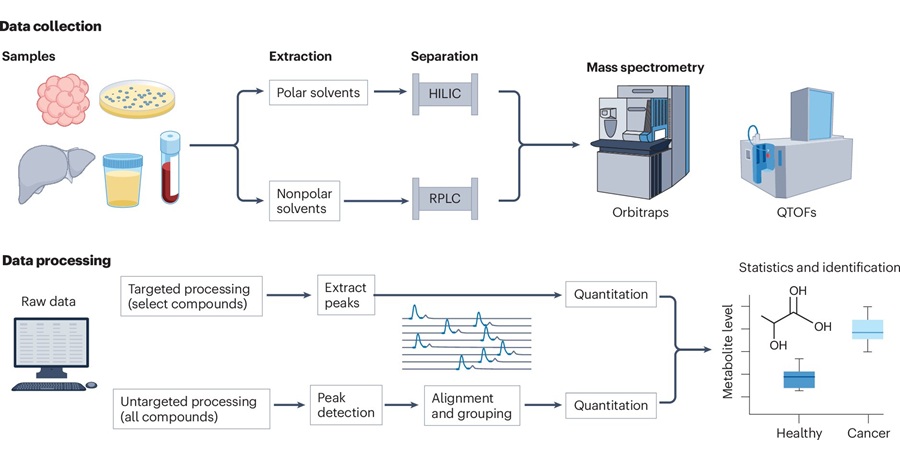
Mass Spectrometry Detects Tumor Metabolites for Cancer Monitoring
Cancer’s altered metabolism complicates how clinicians detect and monitor tumors, because nutrient use can shift with context and time. Measuring small-molecule metabolites that distinguish malignant from... Read more
Urinary Biomarker Assay Predicts Kidney Disease Progression Beyond Standard Measures
Many patients with type 2 diabetes and chronic kidney disease continue to experience progressive renal decline, yet conventional markers such as albuminuria and estimated glomerular filtration rate (eGFR)... Read moreMolecular Diagnostics
view channel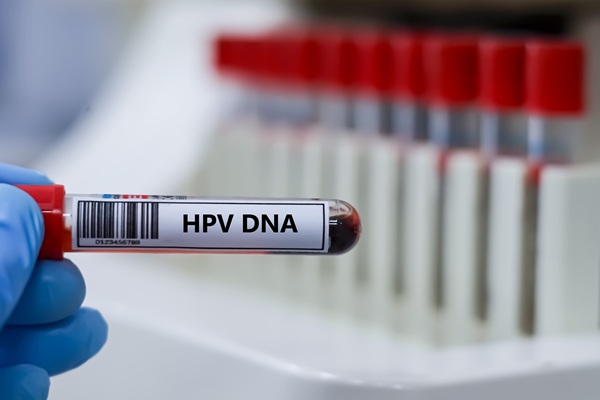
Ultrasensitive HPV Blood Test Predicts Early Recurrence in Head and Neck Cancer
Human papillomavirus (HPV)-associated head and neck cancers are frequently treated with surgery, but some patients experience recurrence due to residual microscopic disease. Postoperative decisions about... Read more
New Library Normalization and Amplification Tools Support Oncology Sequencing
High-throughput next-generation sequencing (NGS) laboratories continue to grapple with uneven library pooling and amplification artifacts that can degrade variant calling accuracy and increase reruns.... Read more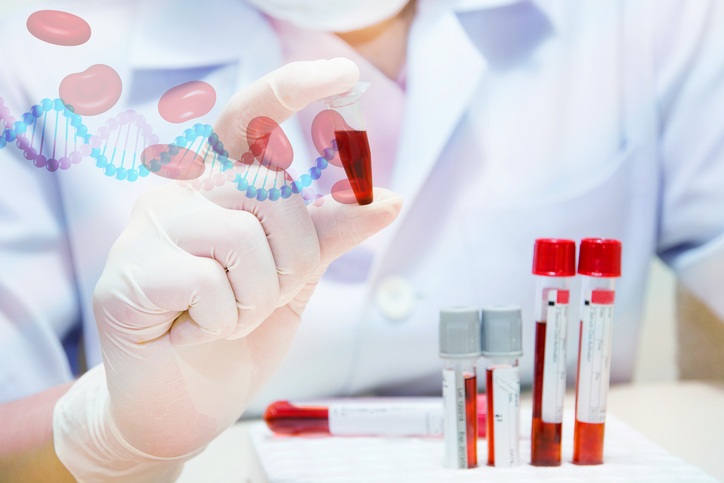
Hematology
view channel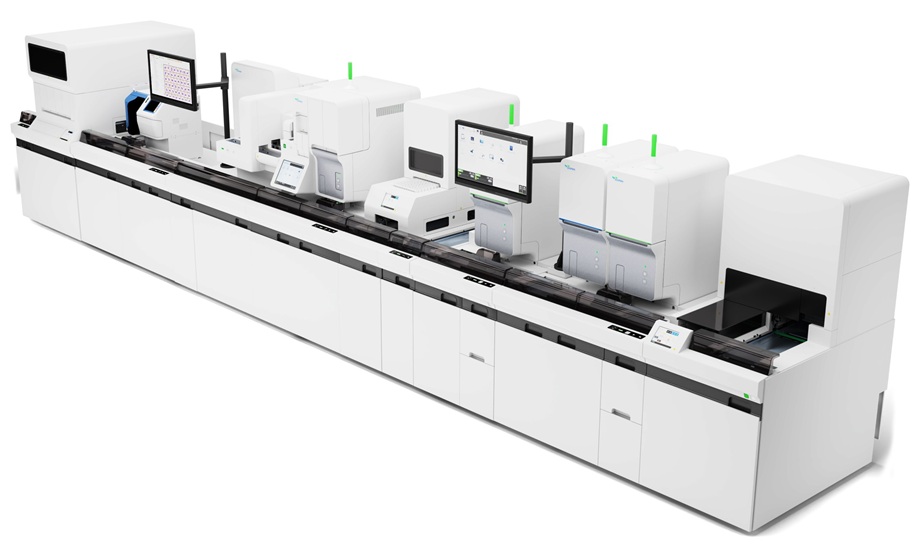
Next-Generation Hematology Platform Streamlines High-Complexity Lab Workflows
Sysmex America (Chicago, IL, USA) has introduced the next generation XR-Series, centered on the XR-10 Automated Hematology Module for high-complexity laboratories. The platform builds on the widely used... Read more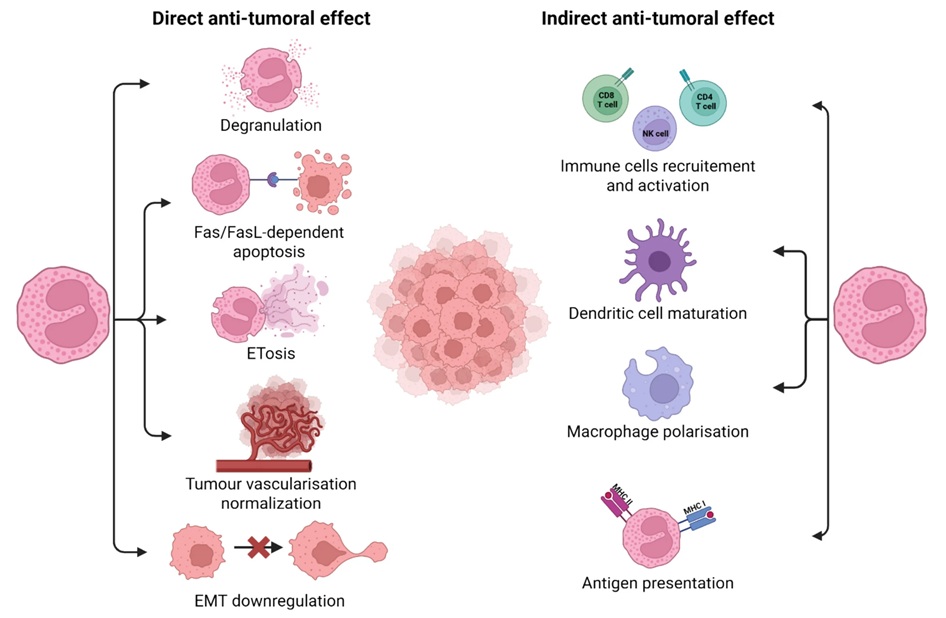
Blood Eosinophil Count May Predict Cancer Immunotherapy Response and Toxicity
Immune checkpoint inhibitors have improved outcomes across many cancers, yet only a subset of patients derive durable benefit and biomarkers to guide treatment remain limited. Eosinophils, best known for... Read more
Immunology
view channel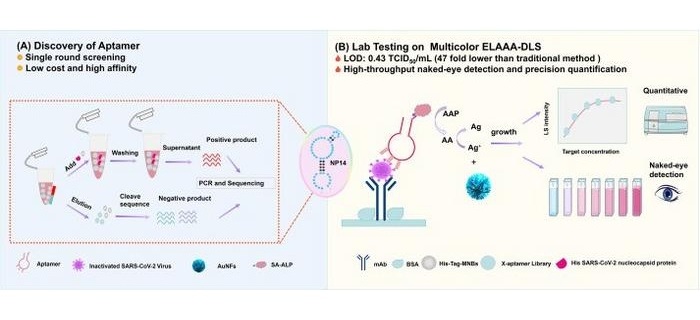
Aptamer-Based Biosensor Enables Mutation-Resilient SARS-CoV-2 Detection
Rapid evolution of severe acute respiratory syndrome coronavirus 2 (SARS-CoV-2) can undermine existing molecular diagnostics, especially when assays target small viral components. Double-antibody sandwich... Read more
Study Points to Autoimmune Pathway Behind Long COVID Symptoms
Long COVID leaves many SARS-CoV-2 survivors with persistent fatigue, cognitive issues, palpitations, and musculoskeletal pain for months or years. Estimates cited in new research suggest 4%–20% of infected... Read more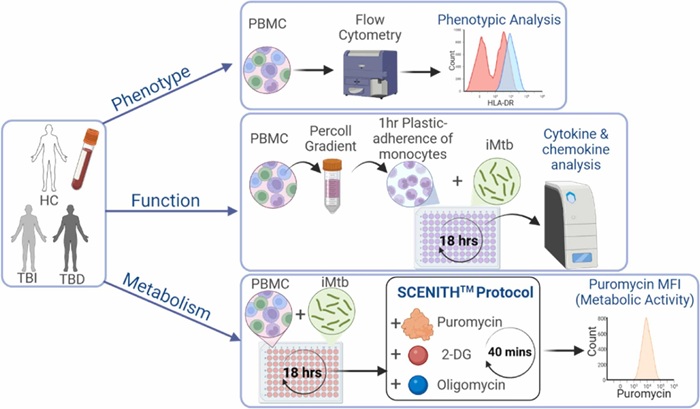
Metabolic Biomarker Distinguishes Latent from Active Tuberculosis and Tracks Treatment Response
Tuberculosis (TB) remains the world’s leading infectious killer, with 10.8 million cases and 1.25 million deaths recorded globally in 2023. Yet many infected individuals never develop active disease, underscoring... Read more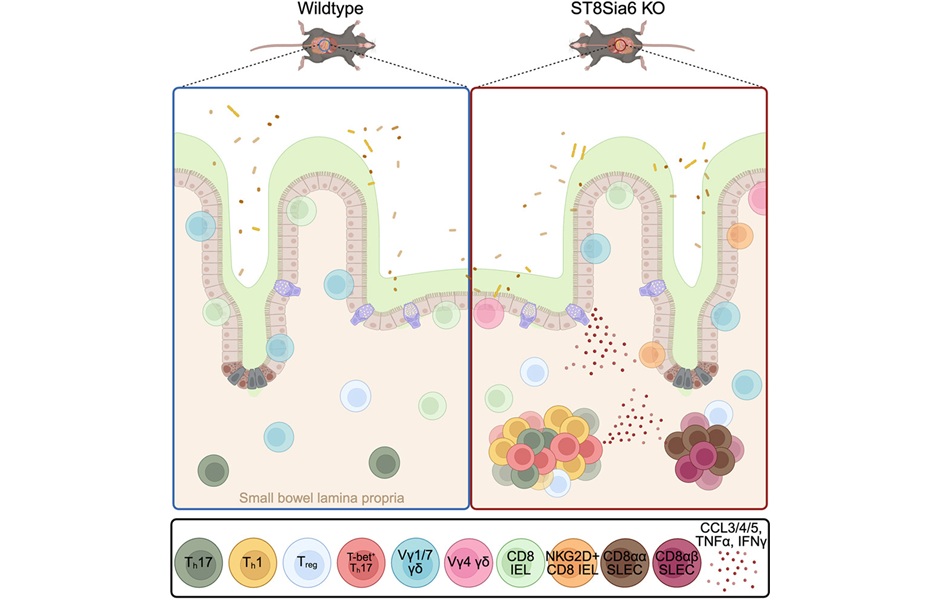
Pathology
view channel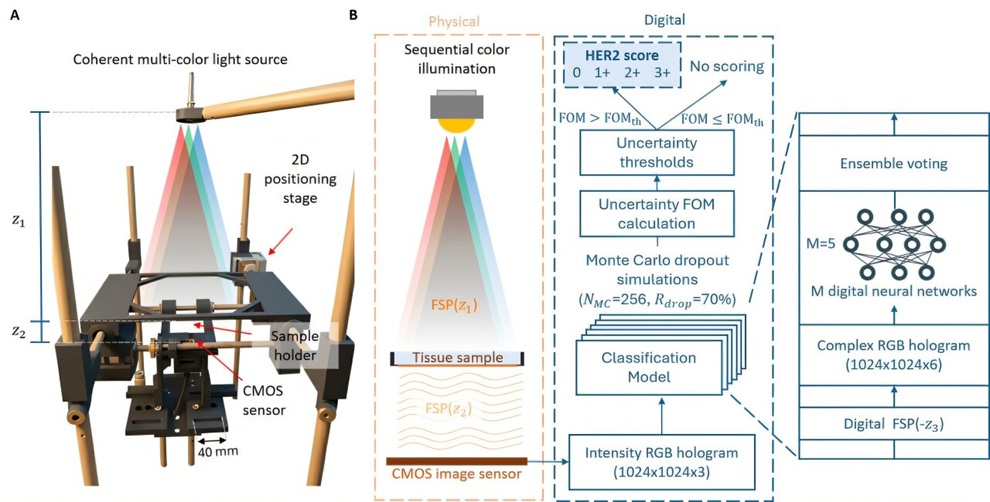
Uncertainty-Aware AI Platform Supports Automated HER2 Assessment in Breast Cancer
Accurate assessment of human epidermal growth factor receptor 2 (HER2) is critical for breast cancer diagnosis and treatment selection, yet scoring variability and infrastructure requirements can complicate... Read more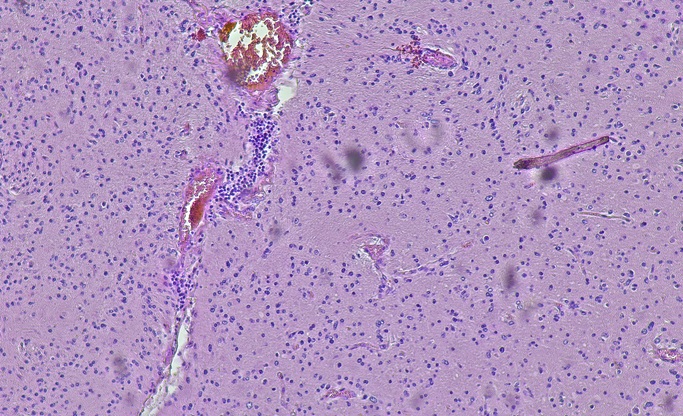
AI Tool Speeds Brain Tumor Classification from Routine Histology Slides
Accurate classification of brain and spinal cord tumors increasingly depends on molecular profiling alongside histology, but access to such testing remains limited and results can take about two weeks.... Read more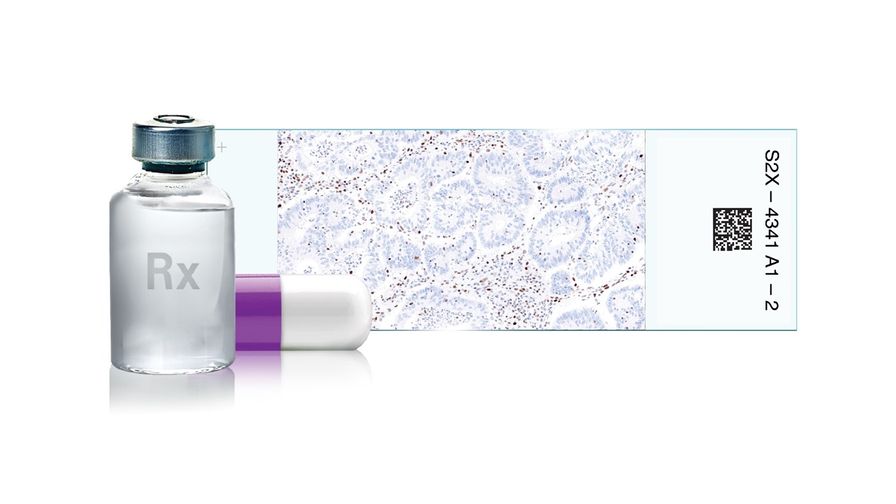
IHC Companion Diagnostic Standardizes Mismatch Repair Testing for Cancer Immunotherapy
Deficient DNA mismatch repair is an established predictive biomarker for response to immune checkpoint inhibitors, yet access to standardized assessment has varied across tumor types. Cancer remains the... Read more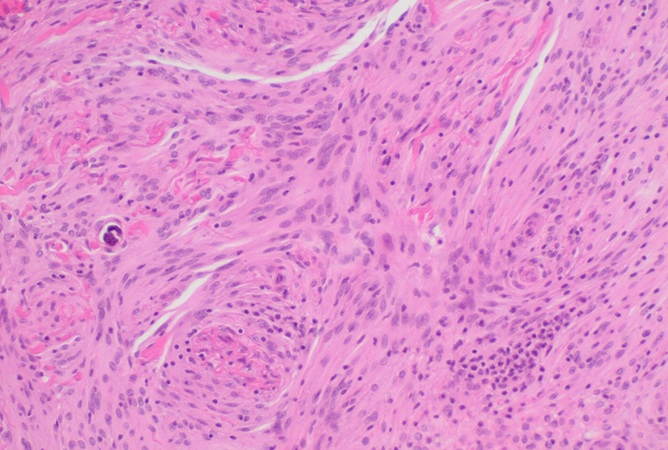
Technology
view channel
AI Platform Links Biomarker Results to Cancer Clinical Trials and Guidelines
Oncology teams must manage growing volumes of genomic data, rapidly evolving clinical trial options, and frequently updated care guidelines, all within tight clinic schedules. Translating complex tumor... Read more
Agentic AI Platform Supports Genomic Decision-Making in Oncology
Oncology care teams increasingly face the challenge of managing complex molecular diagnostics, evolving treatment options, and extensive electronic health record documentation. Translating multimodal data... Read more
Industry
view channel
Open-Source Consortium Aims to Standardize Digital Pathology Workflows
Digital pathology is expanding rapidly as laboratories adopt whole-slide imaging and computational tools to meet growing diagnostic and biomarker-testing demand. However, fragmented software infrastructure... Read more