






Pathology

Tumor Marker Tests Overused in Primary and Secondary Care
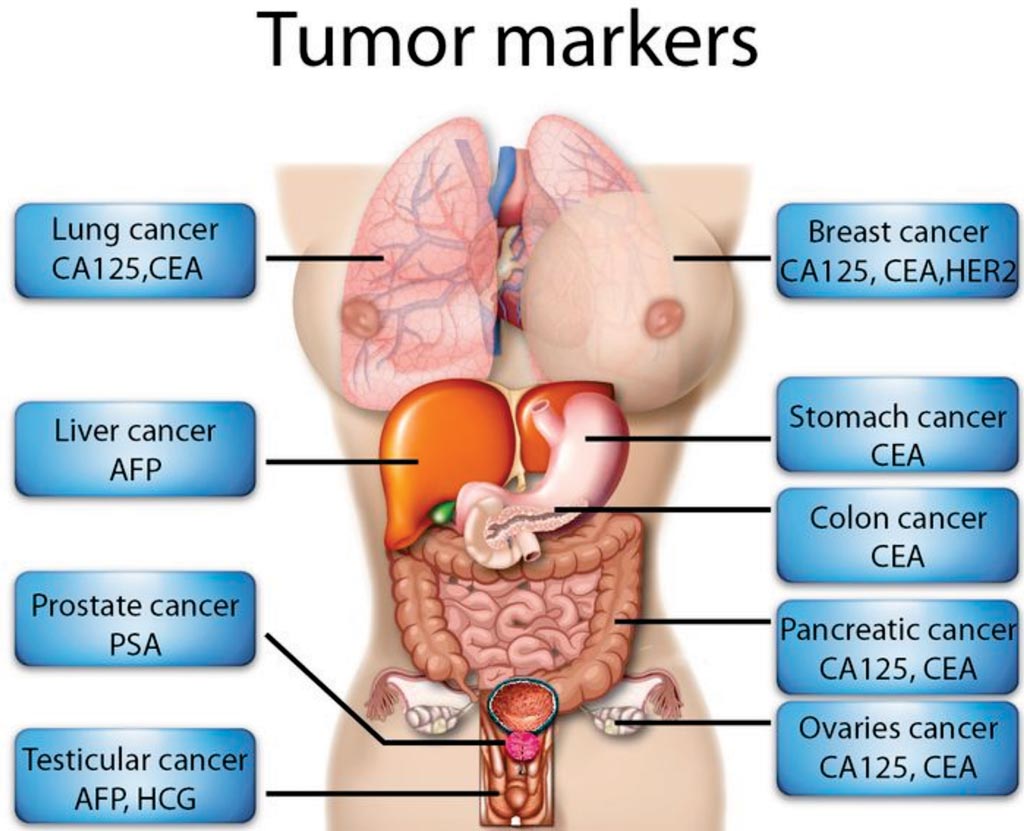
A tumor marker is a biomarker found in blood, urine, or body tissues that can be elevated by the presence of one or more types of cancer. The vast majority of tumor marker tests in primary and secondary care may not be necessary as the tests assisted with a cancer diagnosis in just 2% of patients. More...15 Sep 2017
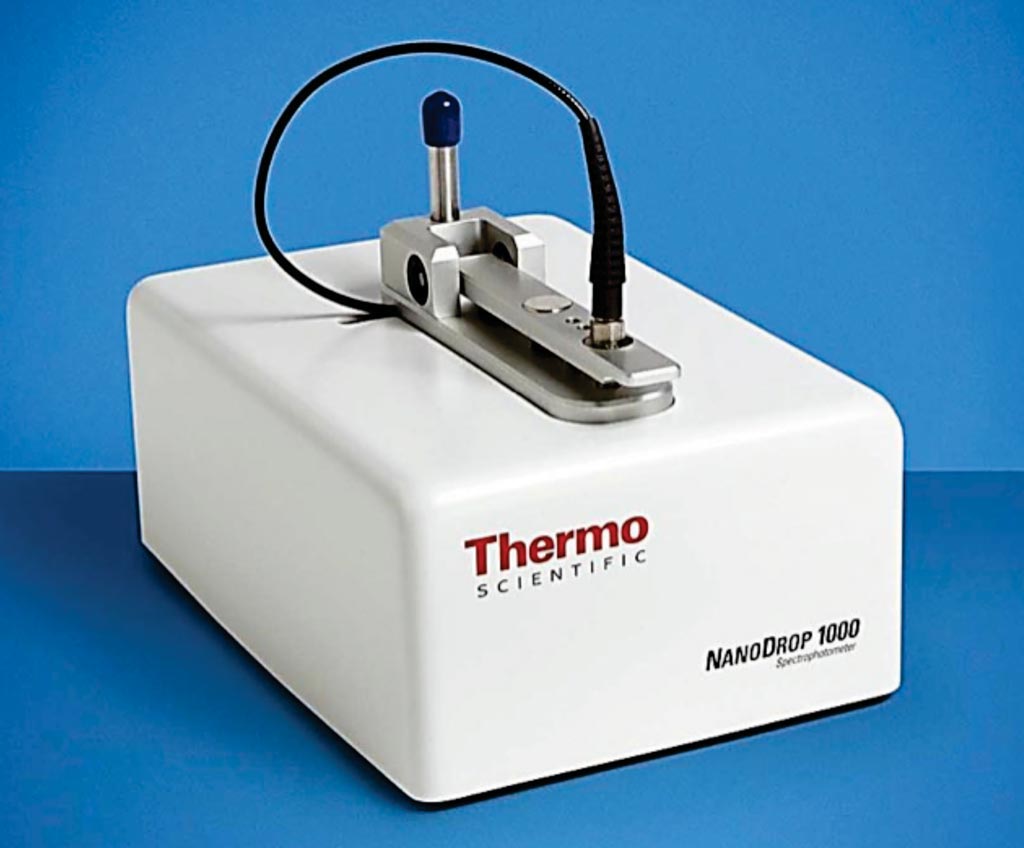
Blood Test Predicts Prostate Tumor Resistance
Prostate cancer (PCa) is the most common cancer and the third leading cause of cancer death among European men. In metastatic PCa progression from a hormone-sensitive state to castration resistance under androgen deprivation therapy marks the transition to the lethal phenotype of the disease. More...07 Sep 2017
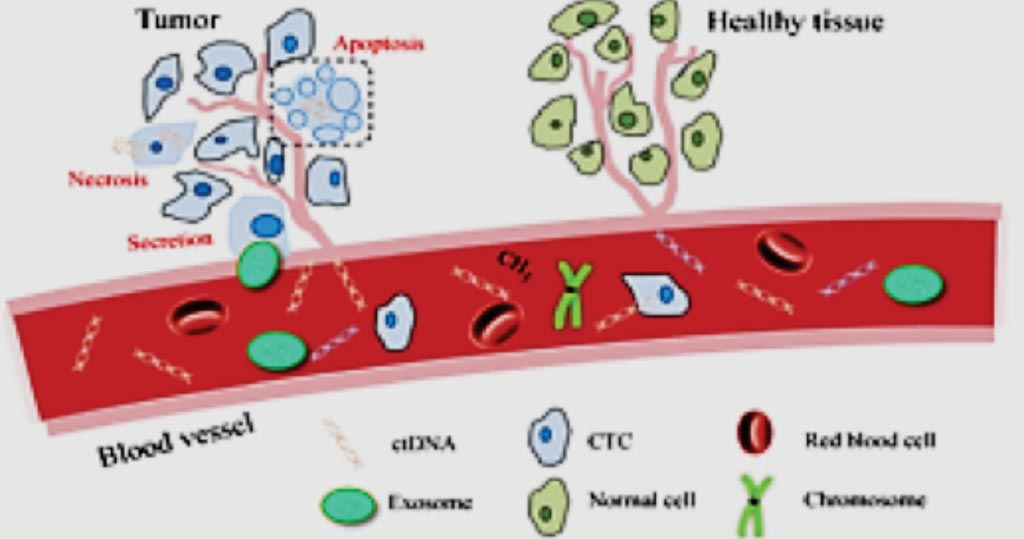

AI Could Help Identify Early Skin Cancer
Newly developed technology uses artificial intelligence (AI) to help detect melanoma skin cancer earlier than current methods and to help reduce the number of unnecessary biopsies. The AI-based method employs machine-learning software to analyze images of skin lesions and to provide doctors with objective data on telltale biomarkers of melanoma. More...05 Sep 2017


Platinum Member

Automated Coagulation Analyzer
Hemolumi H6

Gold Member

Aspiration System
VACUSAFE

Automatic CLIA Analyzer
Shine i6000
New

MR-proADM Test
B•R•A•H•M•S MR-proADM KRYPTOR test
In Other News
Immunoassay May Simplify Screening for Liver Cancer
Fecal Immunochemical Test Detects Cancer and Polyps
Molecular Blood Test Developed for Kidney Cancer
Gene Expression Profiling Validated for Uveal Melanoma
Immune Infiltration Test Predicts Cancer Relapse Risk
New Molecular Test Identifies Colorectal Cancer
Preoperative Bacteriuria Unconnected to Joint Infection
Blood Test Detects Brain Metastases While Treatable
New Device Provides Better Biopsies for Cancer Testing
Liquid Biopsy Could Identify Advanced Breast Cancer Patients
Hormone Receptor Antibody Reagents Assessed for Breast Cancer
Blood Test Identifies Key Alzheimer's Marker
Microscopy Technique Enables More Informative Biopsies
Lipid-ELISA Improves Detection of Potential PD Biomarker
Bacterium Actively Drives CRC Tumor Growth
Specific MicroRNA Identifies Glioblastoma Subtypes
Molecular Testing Evaluated for Thyroid Nodules
Pre-Diagnostic Metabolite Concentrations Related to Cancer Risk
Optofluidic Device Quantifies CTCs in Blood
Parkinson’s Disease Patients at Higher Risk for Melanoma
Nerve Biomarkers Found for Amyloid Polyneuropathy
MALDI-TOF-MS Analysis Identifies Ovarian Cancer Patterns
Novel Microscope Scans Tumors and Examines Biopsies


The Pathology channel details advances in the field of Surgical Pathology and all its subspecialties, including Cytopathology and its subspecialties.