






Microbiology
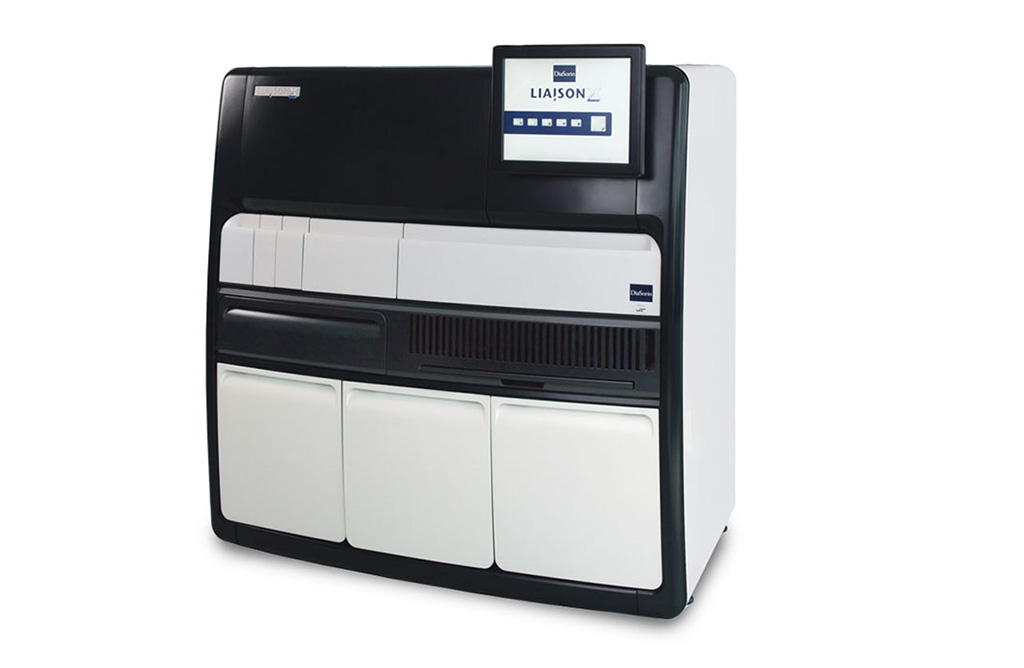
New Urinary Antigen Immunodiagnostic Assay Enables High-Throughput Qualitative Detection of Legionnaires' Disease
A new assay improves the diagnosis of atypical pneumonia by providing precise identification of Legionnaires' Disease (LD), a severe form of atypical Community-Acquired Pneumonia (CAP). More...18 Jul 2023
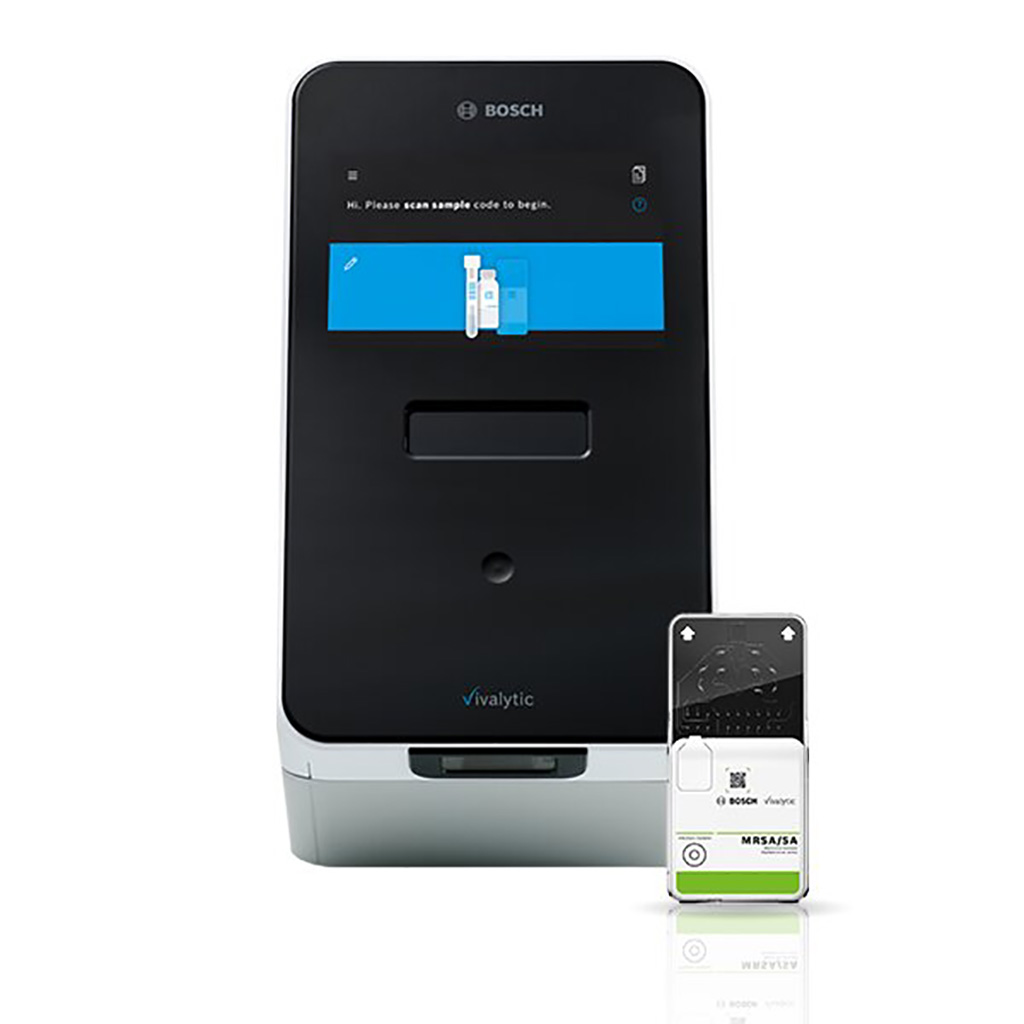
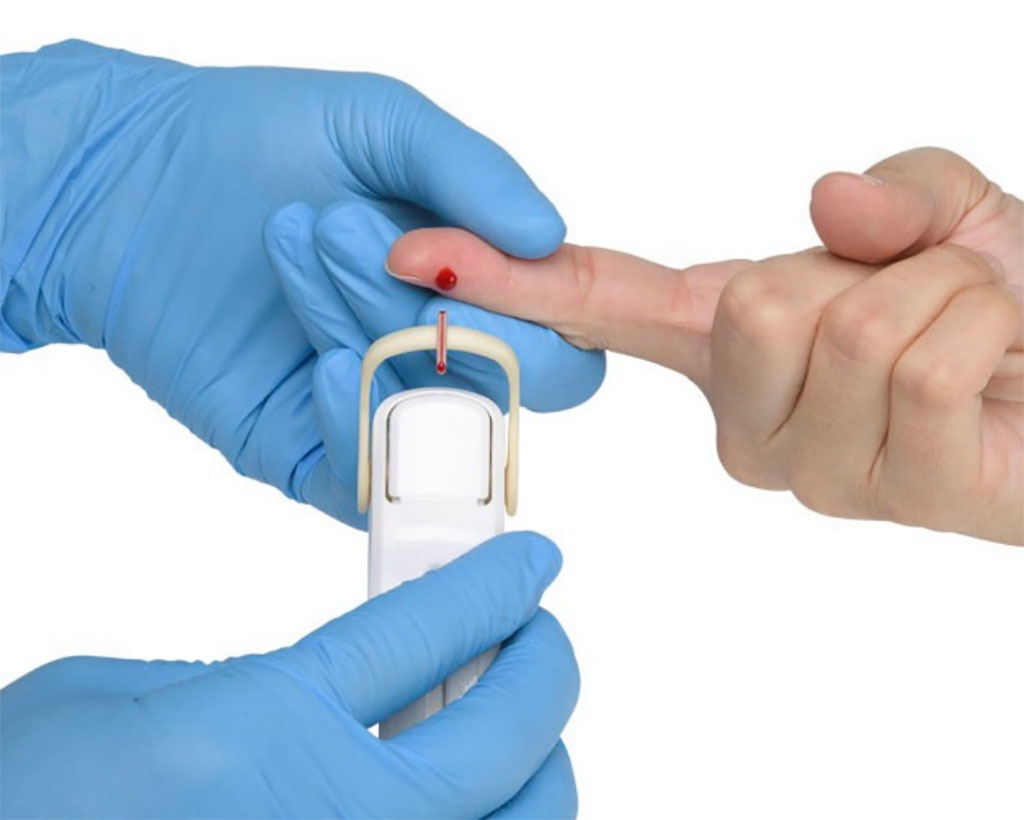
10-Minute POC Test Detects and Differentiates Bacterial from Viral Respiratory Infection
A quick fingerstick blood test capable of distinguishing between viral and bacterial acute respiratory infections within 10 minutes can help doctors apply antibiotics where they're truly needed, thereby combating antibiotic resistance. More...05 Jul 2023
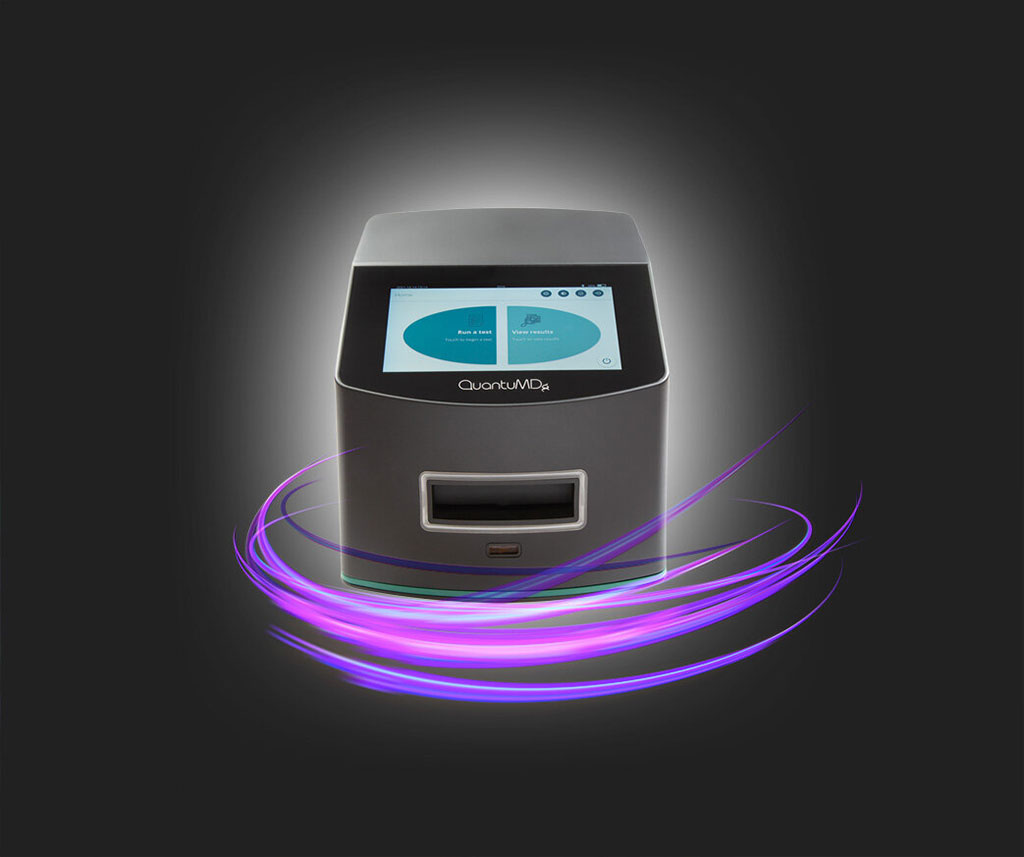
Advanced UTI Testing Solution Reduces Health Care Costs, Utilization and Antibiotic Resistance
An innovative testing solution helps doctors in selecting the most effective treatment plan for patients suffering from Urinary Tract Infection (UTI), expediting the right treatment, and reducing related hospital visits and admissions. More...21 Jun 2023

Study Finds Need for Better Tests to Identify Candida Auris Susceptibility
Determining the appropriate antifungal treatment for a C. auris infection is a critical decision in clinical practice and relies on susceptibility testing. Now, a new study has revealed that commercially available antifungal tests exhibit poor performance for many treatments. More...19 Jun 2023


Platinum Member

Automated Coagulation Analyzer
Hemolumi H6

Immunofluorescence Analyzer
IFA System
Gold Member

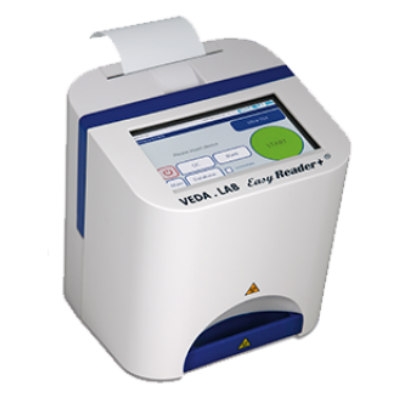
Quantitative POC Immunoassay Analyzer
EASY READER+
In Other News
Modular, Cost-Efficient System Accelerates Traditional AST Turnaround Times by Up To One Day
PCR-Based Molecular Platform to Enable Drastically Faster Bacterial Infection Diagnosis
Rapid MTB Strip Test Detects Tuberculosis in Less Than an Hour without Special Tools
Fully-Automated, Direct-From-Blood Test Rapidly Detects Multiple Biothreat Pathogens
MRSA AI Diagnostics Software Helps Enhance Microbiology Lab Efficiency and Workflow
New Method to Reveal Bacterial Reaction to Antibiotics in Five Minutes Could Help Create Rapid Molecular Test
Rapid Microfluidic Test Demonstrates Efficacy as Diagnostic Aid to Improve Sepsis Triage in ED
New AACC Procalcitonin Testing Guidance to Improve Care for Patients with Bacterial Infections
First-of-Its-Kind Infectious Disease Diagnostic Platform to Deliver Rapid Antibiotic Treatment Guidance
New Test Reveals Existing Antibiotics Can Cure Superbugs
Fast, Cheap, and Easy Testing Method Could Become a Game-Changer in Antibiotic Sensitivity Testing
Novel Diagnostic Technique Could Revolutionize Identification of Pathogens in Biological Samples
Automated Urine Analyzer Offers Fast, Sensitive and Precise AST in Near-Patient Settings
Rapid Molecular Diagnostics Platform Uses Multiplex PCR Technology for Fast Diagnosis of Severe Infectious Diseases
Rapid Metagenomics Diagnoses Antibiotic Resistant Bloodstream Infections 18-42 Hours Faster Than Conventional Tests
Gastrointestinal PCR Assay Offers Rapid, Culture-Free Pathogen Identification
Blood Culture Collection Device Reduces Contamination for Increased Sepsis Testing Accuracy
Sepsis Host-Response PCR Test Enables Early Targeted Therapies
DBS-Based Assay Effective in Hepatitis C Diagnosis and Treatment for At Risk Populations
PCR Panels for Acute GI Infections Can Lower Costs, Hospitalization and Antibiotic Use
Next Gen Human Gut Microbiome Tests Enable Comprehensive Gastrointestinal Testing
Novel Microscopy Technique Comes Closer to Use in Clinical Diagnostics
Laser Light Method Uses AI-Assisted Imaging to Identify Bacteria in Fluids


The LabMedica Microbiology channel provides the latest news in the fields of epidemiology, bacteriology, virology, and parasitology, all viewed from the unique perspective of Laboratory Medicine.