






Immunology
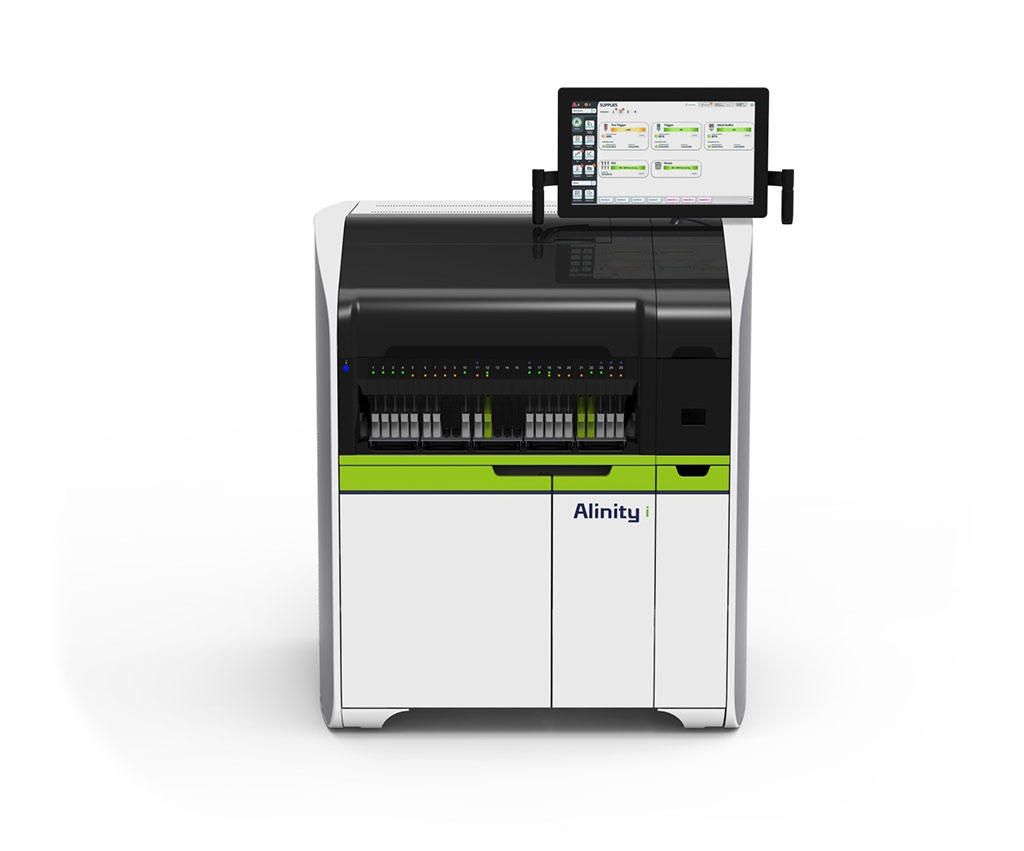
Newly Developed Immunoassay Evaluated for Infectious Diseases
Although a diagnosis of infectious diseases is essential for timely treatment, the performance of diagnostic tests has been hardly evaluated due to variable results that are influenced by multiple factors in different conditions. More...23 Dec 2020
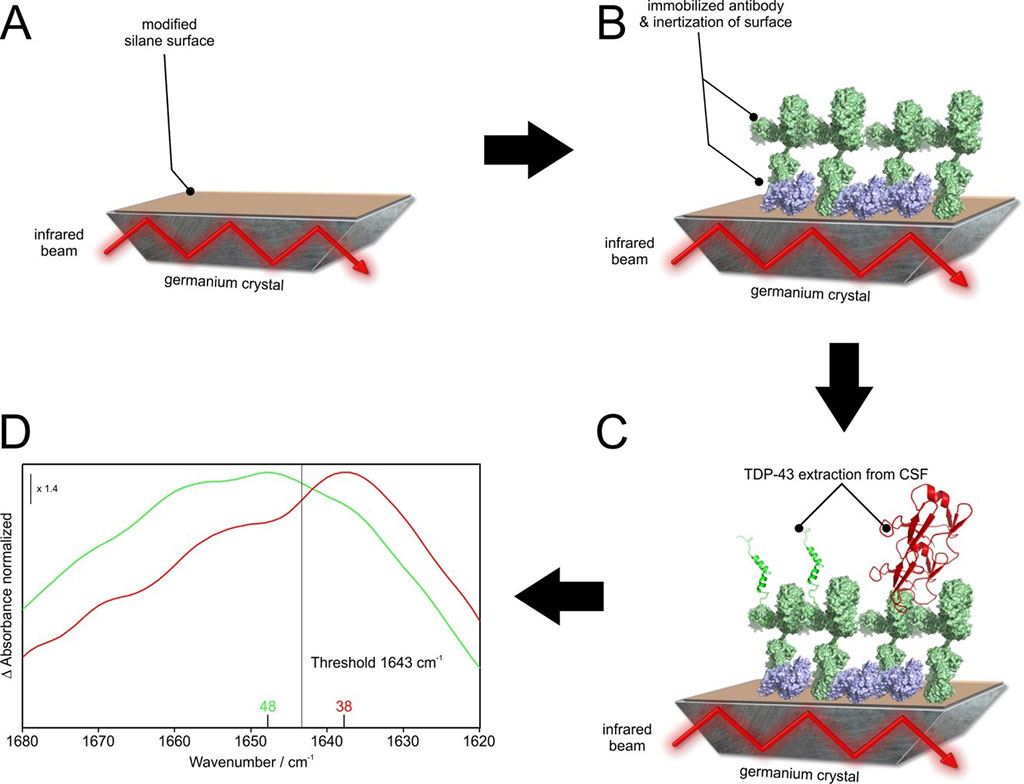
Novel Biomarker Candidate for Amyotrophic Lateral Sclerosis Explored
Amyotrophic Lateral Sclerosis (ALS) is a fatal neurodegenerative disease causing a rapid loss of motor function, which usually results in a serious condition with early death within a few years. So far, early and precise diagnosis of the disease has been difficult. More...23 Dec 2020
Elevated Soluble C5b9 Biomarker Found in SARS-Cov-2 Infected Children
Most children with severe acute respiratory syndrome coronavirus 2 (SARS-CoV-2) infections have mild or minimal disease, with a small proportion developing severe disease or multisystem inflammatory syndrome in children (MIS-C). More...21 Dec 2020
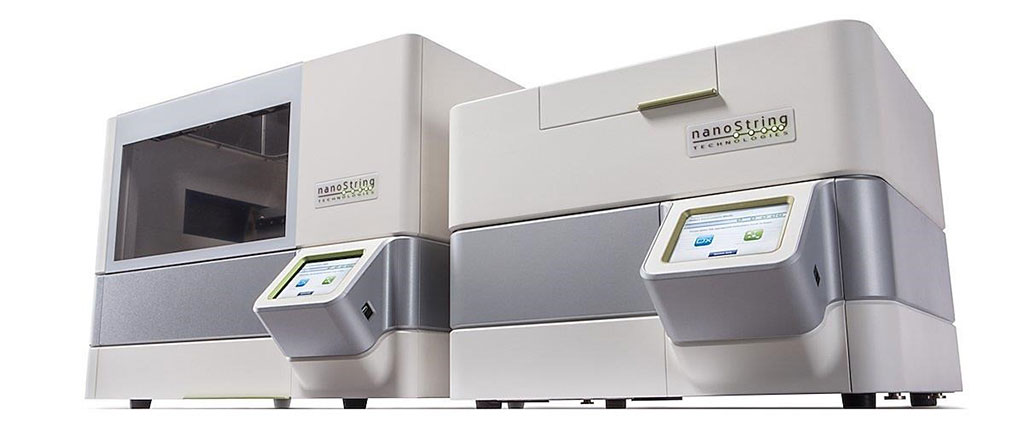
Gene Expression Signature Traces Nonalcoholic Fatty Liver Disease Progression
Nonalcoholic fatty liver disease (NAFLD) is a common condition marked by the accumulation of triglycerides and other lipids in the liver and is associated with metabolic syndrome, type 2 diabetes, hypertension, and dyslipidemia. More...16 Dec 2020
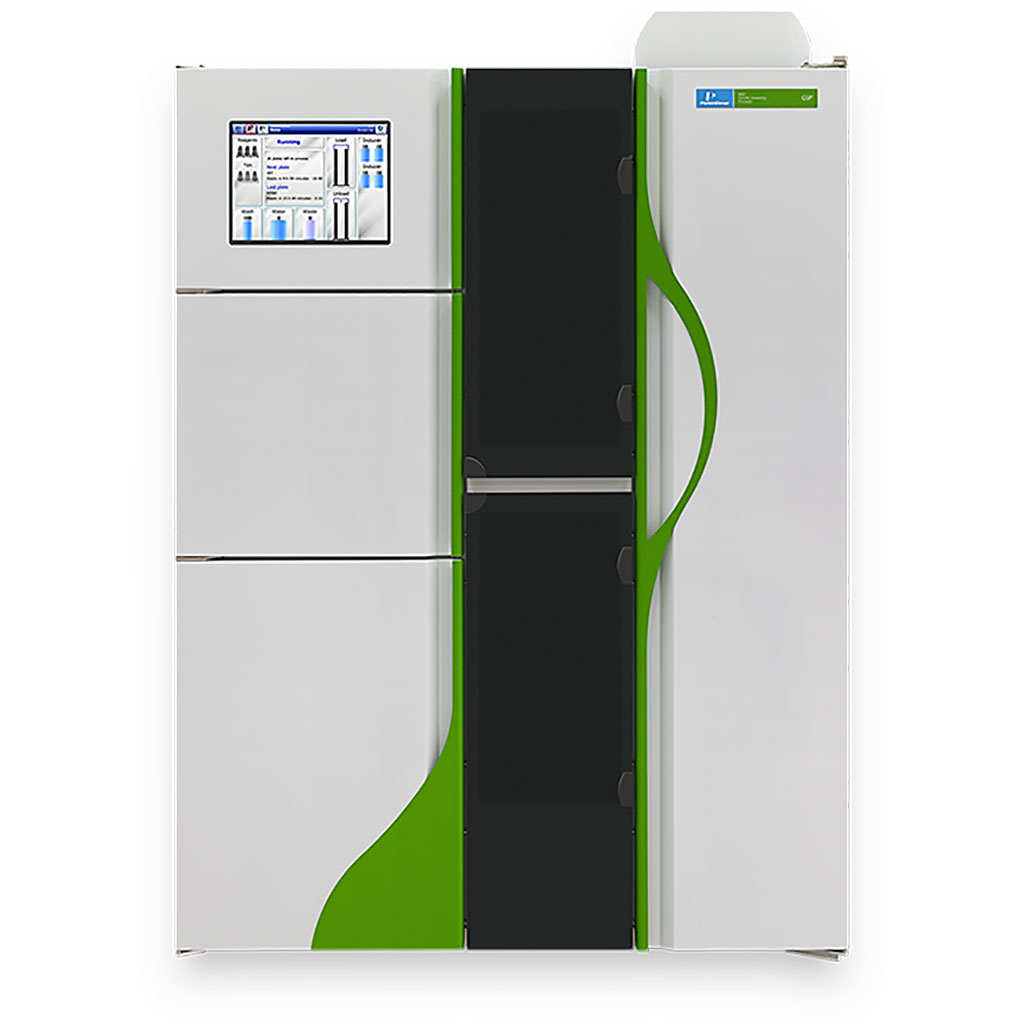
Biomarker Evaluated for Early Detection of Congenital Heart Disease
Congenital heart disease (CHD) is the most common congenital malformation in humans worldwide. Circulating cardiovascular biomarkers could potentially improve the early detection of CHD, even in asymptomatic newborns. More...16 Dec 2020
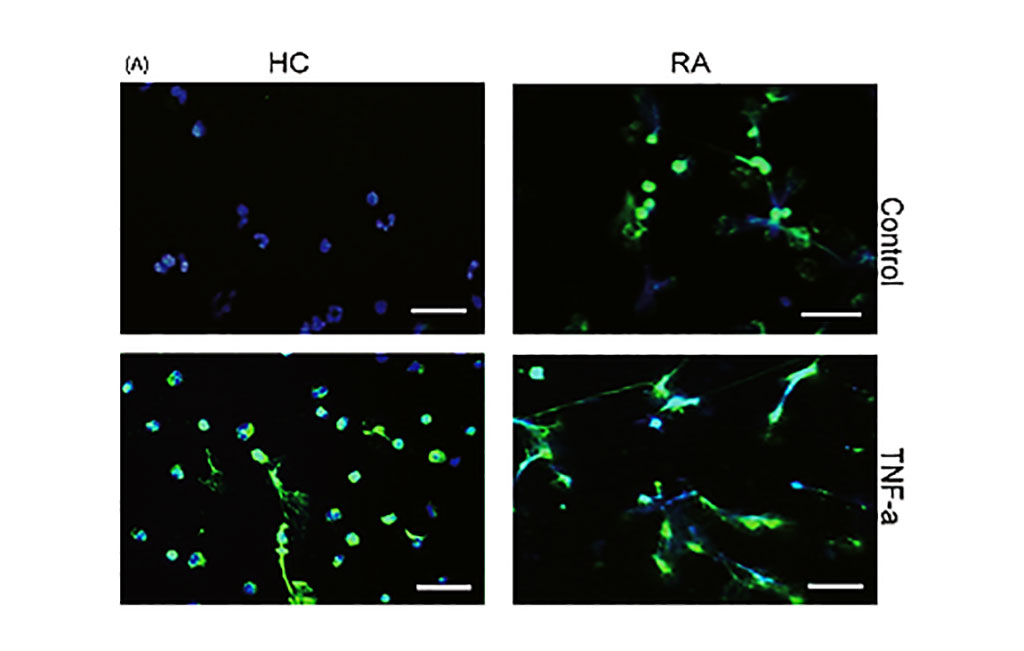
Anti‐Citrullinated Antibodies Associated with NET Formation in Rheumatoid Arthritis
Several cell types can form extracellular traps as a primary immune response when pathogens invade the body or other inflammatory stimuli. These cell types include neutrophils, monocytes, eosinophils, and mast cells. The mechanism by which neutrophil extracellular traps (NETs) are formed is known as NETosis. More...14 Dec 2020
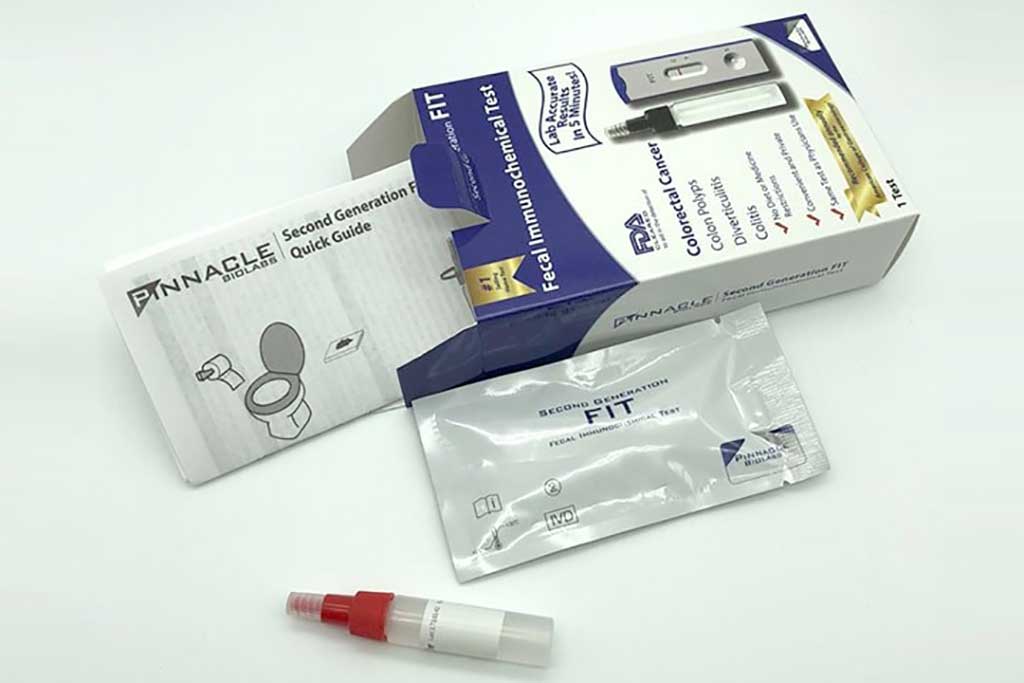
Triple FIT Surpasses Single Sigmoidoscopy in CRC Screening
Colorectal cancer (CRC) almost always develops from precancerous polyps (abnormal growths) in the colon or rectum. Screening tests can find precancerous polyps, so that they can be removed before they turn into cancer. Screening tests can also find colorectal cancer early, when treatment works best. More...10 Dec 2020


Platinum Member

Automated Coagulation Analyzer
Hemolumi H6

Gold Member

Flocked Fiber Swabs
Puritan® Patented HydraFlock®
New

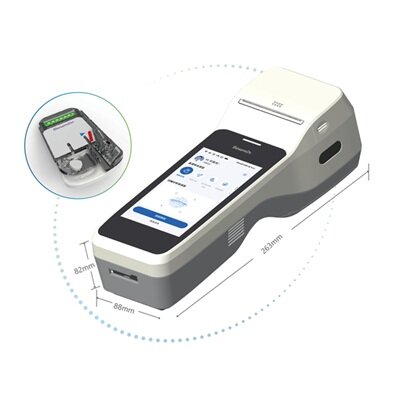
Portable POCT Blood Gas Analyzer
BD100
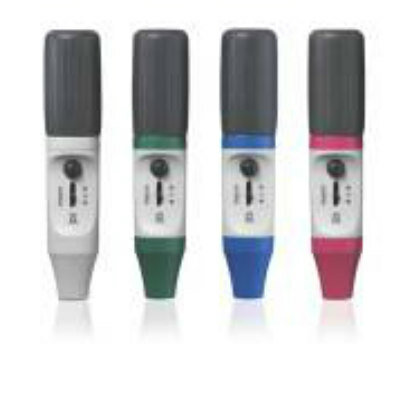

Manual Pipetting Aid
Pipette Controllers macro
In Other News
Kininogen-1 Protein Linked to Early Cognitive Impairment in Parkinson’s
Single-Tube Multimarker Assay Estimates Preeclampsia Risk
Cytokine Profiles Characterized in Primary Sjögren´s Syndrome Patients
Distinct Inflammatory Profiles Distinguish COVID-19 From Influenza
SARS-CoV-2 RNA Test Assessed Among Recovered COVID-19 Patients
Blood Biomarker Predicts Guillain-Barré Prognosis
Biomarker Detects Early Alzheimer’s Disease
CD200 Expression Marks Leukemia Stem Cells in Human AML
Rapid Tests Evaluated in the Management of Dengue Fever
Autoantibody Timing Predicts Genetically At-Risk Children for Diabetes
Novel Fecal Calprotectin Test Validated in Pediatric Population
Serum-IgG Responses in Patients with Mild and Severe COVID-19
Antibodies Against Rabies Detected in Human Dried Blood Spots
Inherited Causes of Clonal Hematopoiesis in Multiplicity of Whole Genomes
Novel Method Reclaims Resolution of Single-Cell RNA-Seq
Methods for Automated Anti-Neutrophil Cytoplasmic Antibodies Compared
New Diagnostic Tests for Rotavirus and Norovirus Infections Evaluated
Lymphocytic Infiltration Explored as Biomarker for Stable Colorectal Tumors
MAIT Cell Activation Dynamics Associated with COVID-19 Disease Severity
Serum Thyroglobulin Assays Compared for Differentiated Thyroid Carcinoma
Performance Compared for Three Ebola Rapid Diagnostic Tests
Mannose-Binding Lectin Associated with Coagulopathy in Severe COVID-19
Click Chip’ Detects Early-Stage Liver Cancer Biomarkers in Extracellular Vesicles


The Immunology channel of LabMedica deals with diagnostic techniques and immuonassays such as ELISA, pregnancy tests, immunoblotting, immunohistochemical staining, serology, and associated hardware.