






Molecular Diagnostics
Multiplex Nested Polymerase Chain Reaction Developed for Congenital Infections
Infections are the leading cause of perinatal mortality in low- and middle-income countries, which have a higher prevalence of infections, and are responsible for 50% of infant deaths in the first year of life. Definitive diagnosis of congenital and perinatal infections is largely dependent upon the results of laboratory tests. More...13 Jan 2020
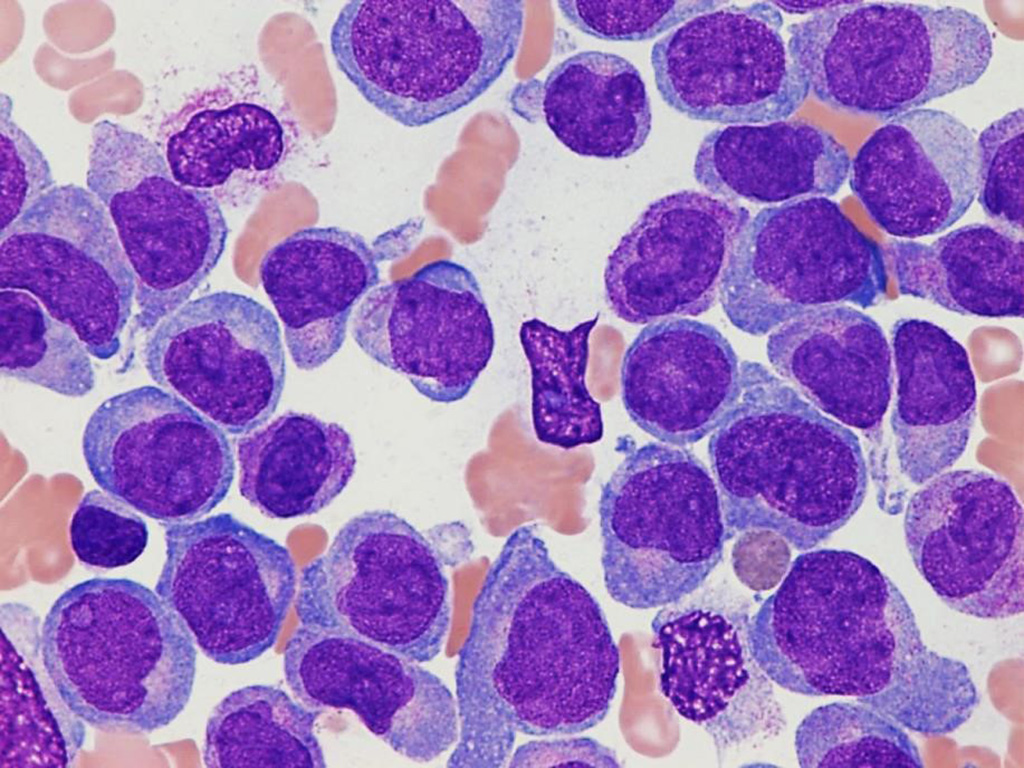
Biomarker Predicts Prognosis in Acute Myeloid Leukemia Patients
Acute myeloid leukemia (AML) is the most prevalent adult acute leukemia, which is characterized by abnormal proliferation and the accumulation of immature myeloid precursor cells in the bone marrow, peripheral blood, and even some tissues, contributing to the destruction of the hematopoietic system. More...13 Jan 2020
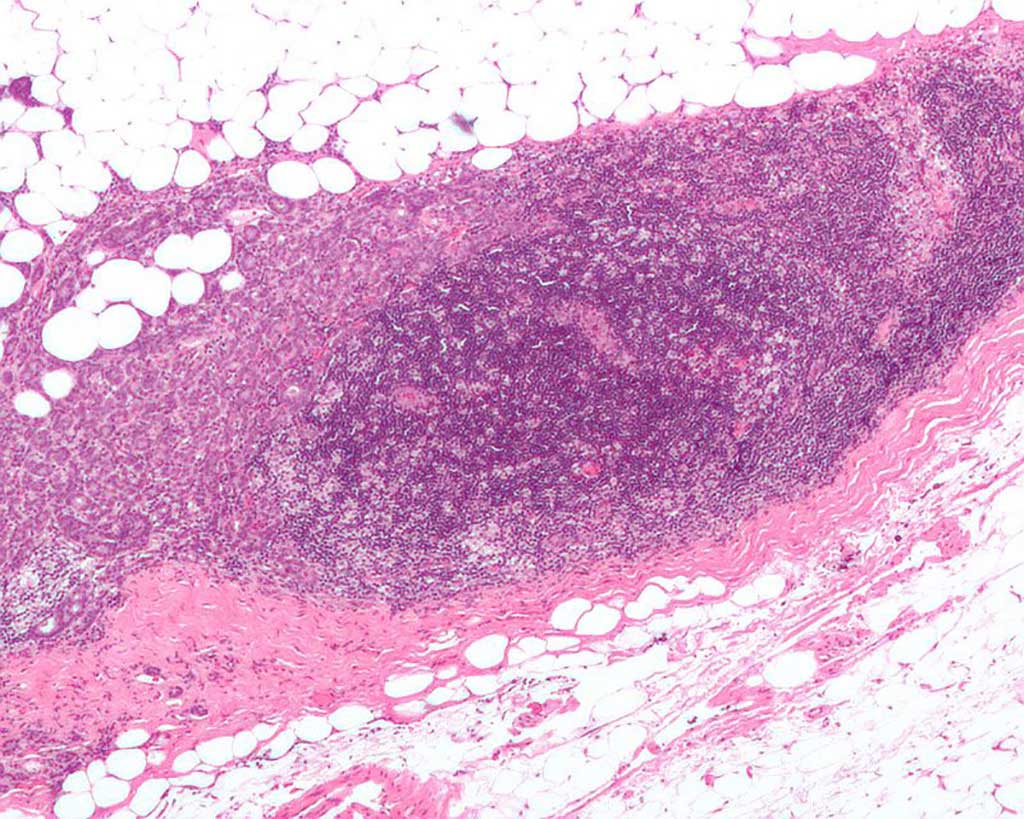


Blood-Based Sequencing Identifies Pediatric Cancer Infections Before Symptoms
Infections are common, yet life-threatening complications that affect immuno-compromised cancer patients and bloodstream infection (BSI) is a common, life-threatening complication of treatment for cancer. More...09 Jan 2020
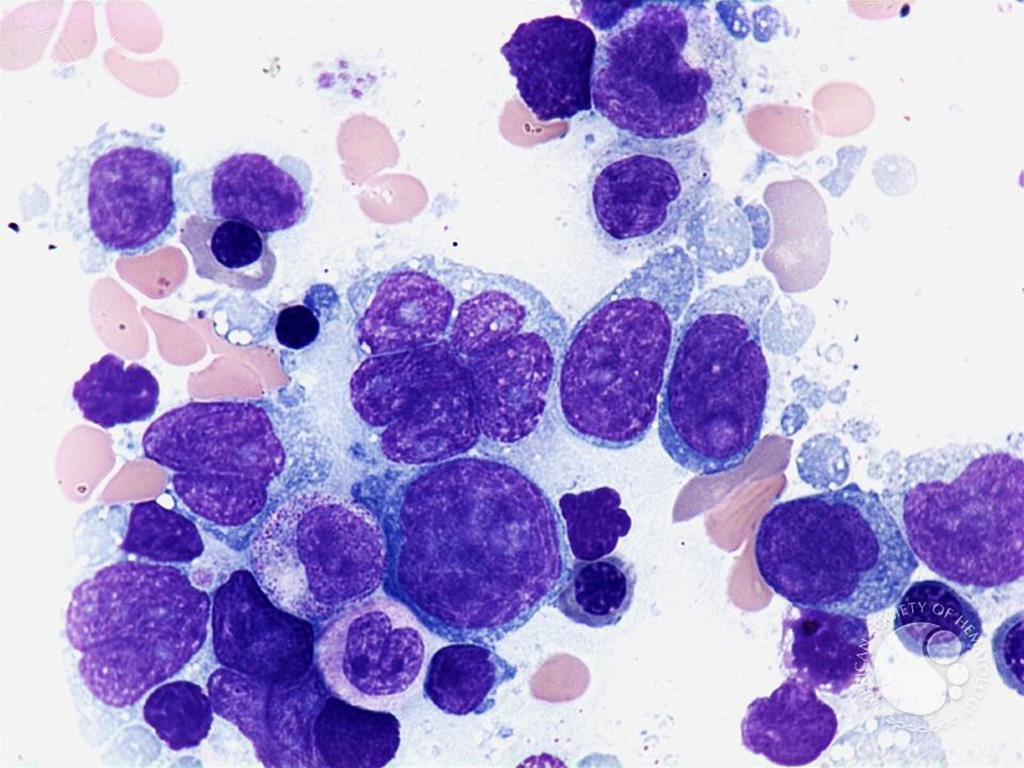
Molecular Profiles, Microenvironment Signatures May Improve Lymphoma Prognosis
The tumor microenvironment includes surrounding blood vessels, immune cells, fibroblasts, signaling molecules, and the extracellular matrix that encapsulate the cancerous cells. The non-lymphoma cells lingering in the tumor's microenvironment, for example, can modify the effect of the mutations. More...09 Jan 2020
Common Variant Modifiers for Syndromic Heart Condition Located
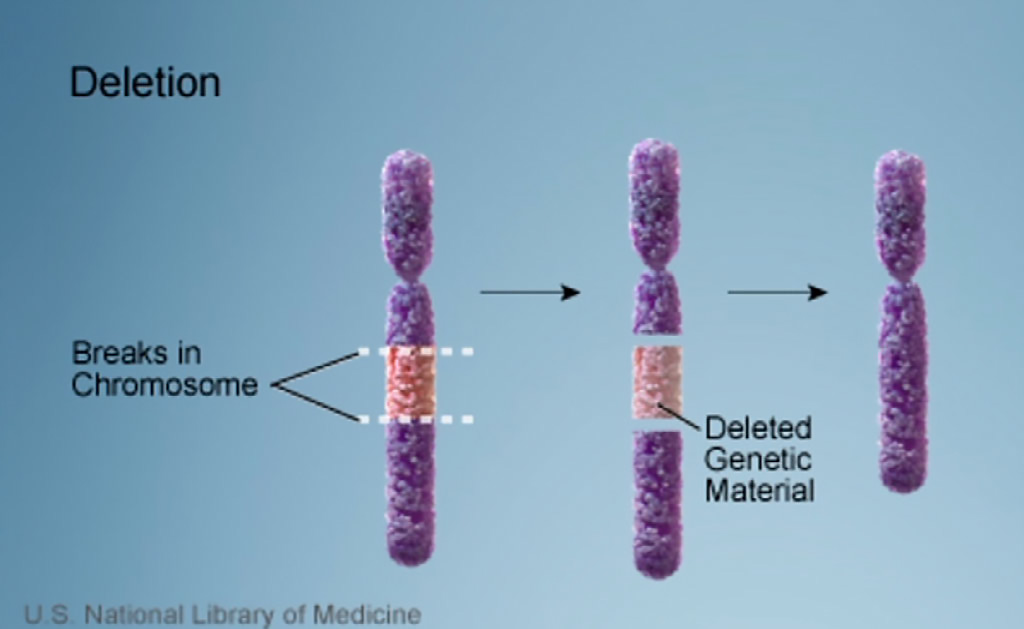
DiGeorge syndrome, also known as 22q11. 2 deletion syndrome, is a syndrome caused by the deletion of a small segment of chromosome 22. While the symptoms can vary, they often include congenital heart problems, specific facial features, frequent infections, developmental delay, learning problems and cleft palate. More...09 Jan 2020


Platinum Member

Automated Coagulation Analyzer
Hemolumi H6

Gold Member

Blood-Based Protein Biomarker Solution for Alzheimer's Disease
BG-DTi2000.

Japanese Encephalitis Test
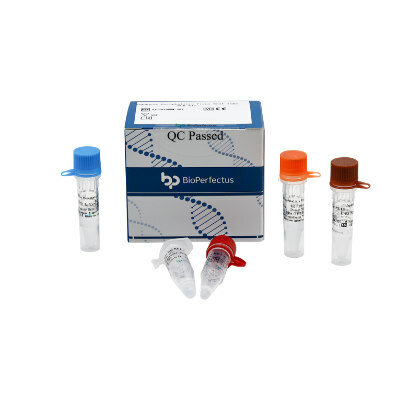
Japanese Encephalitis Virus Real Time PCR Kit

New

Gastrointestinal Panel
Xpert® GI Panel
In Other News
Urinary Cell-Free DNA Detects Urothelial Carcinoma
An Omics Approach for Predicting Mutations in Protein-Metal Binding Sites
Nanopore Sequencing Rapidly Diagnoses Gut Condition in Preterm Infants
Extrachromosomal Circular DNA Drives Oncogenic Genome Remodeling in Neuroblastoma
Liquid Biopsy Detects Breast Cancer Residual Disease
Standard Pathology Tests Outperform Molecular Subtyping in Bladder Cancer
Asthma Severity Linked to Microbiome of Upper Airway
Memory Loss in Alzheimer’s Disease Linked to Both Amyloid Plaques and Tau Tangles
Elevated Levels of Lipoprotein(a) Increase Cardiovascular Disease Risk in Patients with Type I Diabetes
Novel Liquid Biopsy Method for Detection of Cancer MicroRNA Biomarkers
Stool DNA Test Helps Detect Precancerous Lesions
Germline Genetic Testing Assesses Inherited Risk for Myeloid Malignancies
Novel Biotech-Based Field or Lab Assay for Detection of Fluoride
A Rapid Method for Isolating Viral DNA-enriched Salivary Exosomes for Diagnosis and Monitoring of Oropharyngeal Cancer
New Human Autoinflammatory Disease Identified
Distinct Myelodysplastic Syndrome Subtypes Identified by Genomic, Transcriptomic Analysis
Combining RNA Sequencing with a Learning Algorithm to Identify Single Cells in Biopsy Specimens
Genome Wide Sequencing Study Reveals Why Some Cystic Fibrosis Patients Develop Fewer Lung Infections
Virome Shifts Analyzed in Children with Islet Autoimmunity
Exposure to Human Cytomegalovirus Increases Aggressiveness of Glioblastoma and Predicts a Poorer Outcome of the Disease
Single-Cell Analysis Uncovers Regulatory Program in Rare Leukemia
Novel Biomarker Predicts Dementia Risk
Genetic Biomarkers Associated with Autism Spectrum Disorders Identified


Genetic Testing channel of LabMedica brings the latest in molecular genetics, cytogenetics, and epigenetics, and methods from PCR to FISH, and more.