Vircell Highlights All-in-One CLIA System and Real Time PCR Kits
|
By LabMedica International staff writers Posted on 13 Nov 2023 |


|
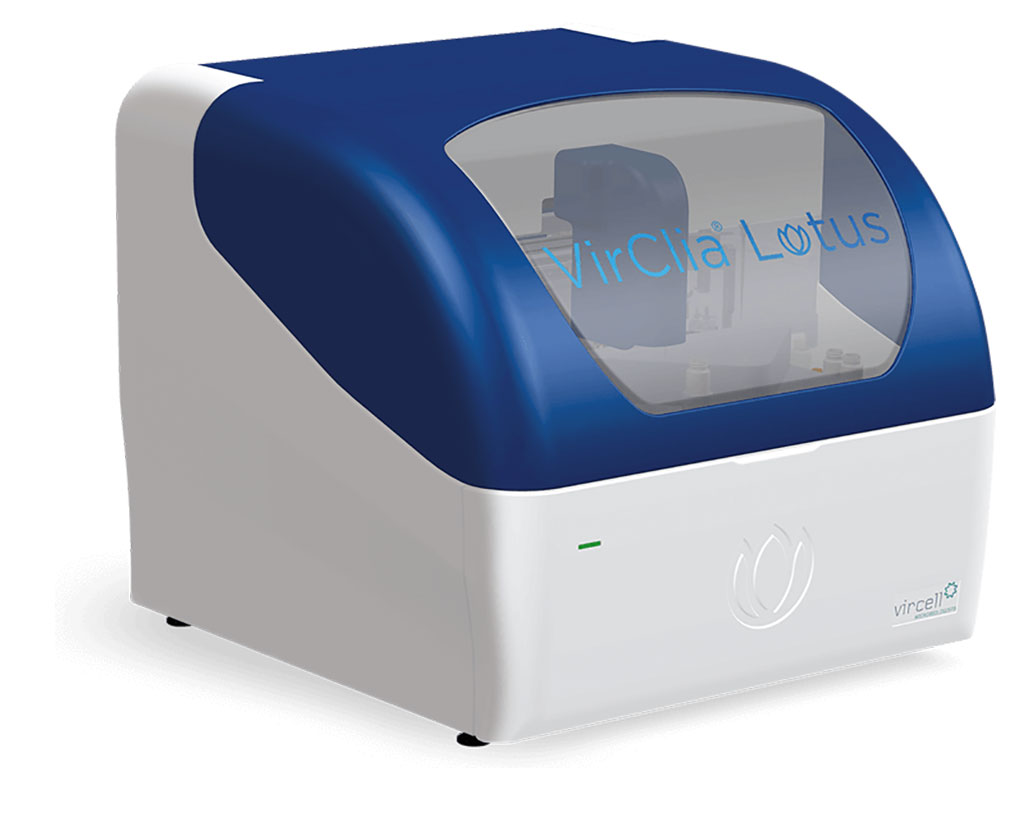
Vircell (Granada, Spain) is highlighting the VirClia LOTUS CLIA analyzer at MEDICA 2023, the world's largest event for the medical sector. The VirClia LOTUS fully automated random access and continuous loading CLIA analyzer marks a revolution in infectious serology by offering the benefit of any test, any sample, any time. The analyzer allows to run more than 90 infectious markers in a monotest format with total flexibility and no need for reagents on board. The first results are available within 70 minutes and then, every 35 seconds thereafter.
VirClia Lotus accepts any combination of samples and reagents, regardless of the instrument status. Even while running, it remains accessible for reagent and sample addition. Urgent samples can be prioritized. With VirClia Lotus, STAT test requests are given the highest priority for processing. This true monotest solution allows the laboratory to run esoteric and low-volume infectious serology tests daily, alongside the laboratory routine. VirClia Lotus unifies in just one CLIA system, all those parameters are typically performed with ELISA, IFA, or Rapid Tests.
The instrument’s built-in scanner allows for full traceability of both samples and strips, avoiding clerical errors. Labs can save hands-on time using primary tubes (11-16 mm) directly in VirClia Lotus, avoiding the inconvenience of transferring samples or performing external predilution. VirClia Lotus offers the widest panel for infectious serology in CLIA, continuous loading, and multi-batch testing to run any number of different VirClia parameters simultaneously.
Related Links:
Vircell








Latest Medica 2023 News
- Absology Showcases Latest Advancements in Medical Diagnostics
- Noul Showcases AI-Driven Blood and Cancer Diagnostic Platform
- Oruba Presents State-of-the-Art Self-Operating Uroflowmeters
- Awareness Technology Exhibits Incredibly Flexible ChemWell 2 ELISA and Chemiluminescent Analyzer
- BioVendor Group Demonstrates Unique IVD Platform and Immunoblot Test
- Greiner Bio-One Highlights Magnetic 3D Cell Culture Technology
- Fujirebio Showcases Range of Novel Testing Solutions
- Sentinel Diagnostics Demonstrates New SENTiNAT 200 and STAT-NAT Kits for Infectious Diseases
- DiaSys Showcases High Quality Diagnostic Reagents and System Solutions
- Randox Exhibits Full Range of Molecular Diagnostic Solutions
- Alcor Scientific Demonstrates Fully-Automated ESR Analyzers
- Bosch Healthcare Presents Vivalytic Point-of-Care PCR System
- CerTest Presents Innovations Related to VIASURE Products
- Tianlong Showcases Cutting-Edge Products and Innovative Molecular Diagnostic Solutions
- Getein Biotech Exhibits Advanced POCT Analyzers
- LumiraDx Demonstrates Transformative Tests and Technologies
Channels
Clinical Chemistry
view channel
Maternal Blood Biomarkers Identify Risk of Preterm and Early-Term Birth
Preterm and early-term births can lead to lasting complications because vital organs continue to mature during the final weeks of pregnancy. Babies born too soon face increased risks of breathing difficulties,... Read more
Blood-Based Alzheimer’s Testing Platform Offers Rapid Results
Accurate identification of Alzheimer’s disease pathology often relies on cerebrospinal fluid analysis or positron emission tomography, which can be invasive, costly, and not widely accessible.... Read more
Simple Oral Swab Monitors Persistent Inflammation in Primary Ciliary Dyskinesia
Primary ciliary dyskinesia is a rare lung disease that affects about one in 7,500 to 10,000 live births worldwide. Symptoms can begin in the newborn period and progress to recurrent respiratory infections... Read more
Simple Blood-Based Cholesterol Efflux Assay Identifies High-Risk Coronary Plaque Features
Unstable coronary plaques are difficult to identify before they trigger acute cardiovascular events. Standard high-density lipoprotein (HDL) measurements do not always capture how well HDL particles function... Read moreMolecular Diagnostics
view channel
Point-of-Care PCR Panel Detects RSV, Influenza, and SARS-CoV-2 in Minutes
Respiratory syncytial virus, influenza, and SARS-CoV-2 remain major respiratory pathogens in ambulatory care. RSV is a particular priority because it can cause significant disease in infants, older adults,... Read more
Whole-Genome Sequencing Enables Genetic Diagnosis in Neurodevelopmental Disorders
Neurodevelopmental disorders include autism spectrum disorder and intellectual disability and can be difficult to diagnose because clinical presentations vary widely. In Italy, approximately 1% of children... Read more
Genetic Testing Identifies High-Risk Patients with Inflammatory Bowel Disease
Inflammatory bowel disease (IBD), encompassing ulcerative colitis and Crohn’s disease, is a lifelong, unpredictable condition that can require advanced therapies or surgery. More than half a million people in the U.... Read more
Hematology
view channel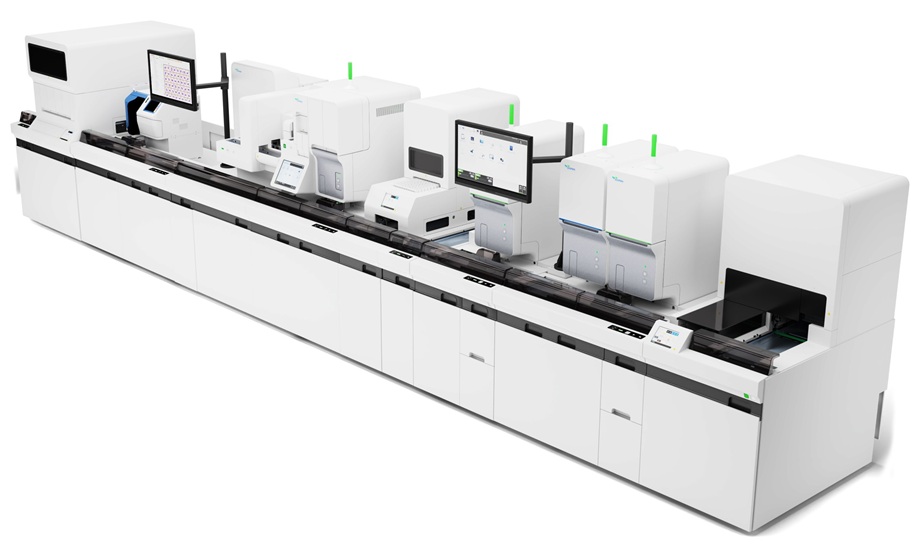
Next-Generation Hematology Platform Streamlines High-Complexity Lab Workflows
Sysmex America (Chicago, IL, USA) has introduced the next generation XR-Series, centered on the XR-10 Automated Hematology Module for high-complexity laboratories. The platform builds on the widely used... Read more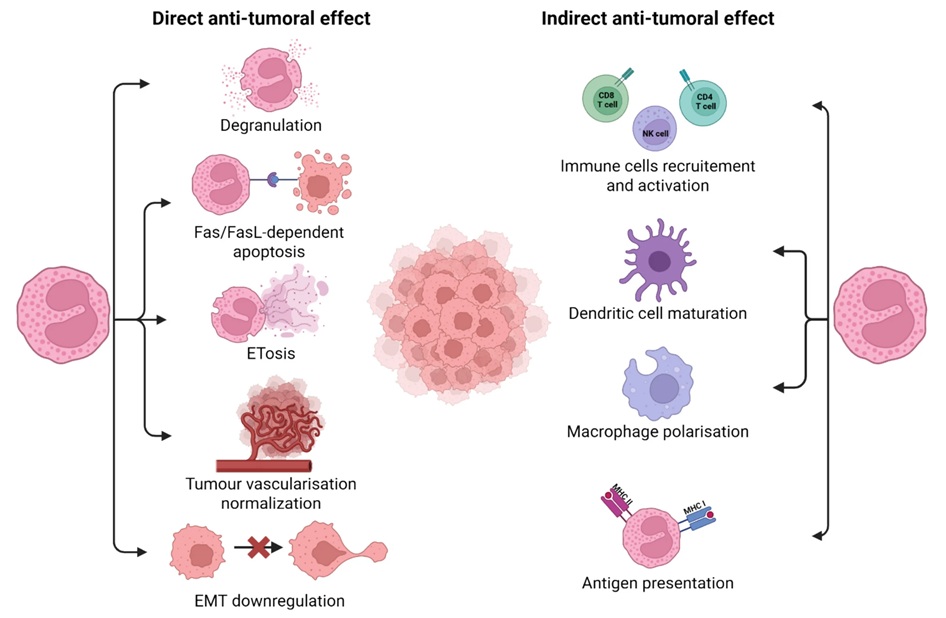
Blood Eosinophil Count May Predict Cancer Immunotherapy Response and Toxicity
Immune checkpoint inhibitors have improved outcomes across many cancers, yet only a subset of patients derive durable benefit and biomarkers to guide treatment remain limited. Eosinophils, best known for... Read more
Immunology
view channel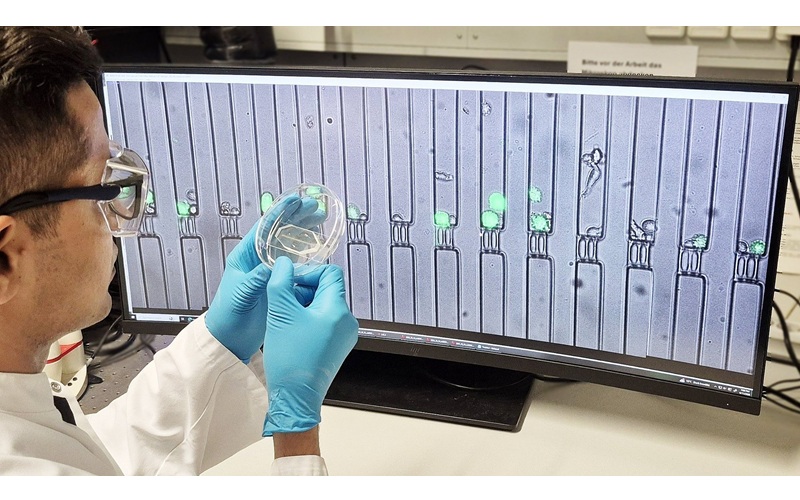
Lab-on-a-Chip Approach Advances Immune–Cancer Cell Interaction Analysis
Conventional cytotoxicity assays often average responses across thousands of cells, obscuring how individual immune cells engage and kill tumor cells. For immunotherapy evaluation, the precise sequence... Read more
Antibody Profiles Provide Clues to Long COVID Severity and Symptoms
Persistent symptoms after acute COVID-19 affect millions of people, causing fatigue, respiratory issues, and cognitive deficits that can be difficult to quantify with standard tests. Clinical teams lack... Read more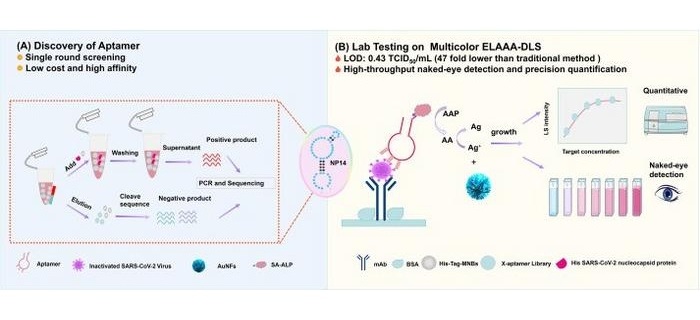

Microbiology
view channel
Stronger Laboratory Services Support Timely Melioidosis Diagnosis Amid Global Spread
Melioidosis, a potentially fatal infection caused by Burkholderia pseudomallei, remains difficult to recognize because its symptoms can mimic tuberculosis and other illnesses. The disease is considered... Read more
Extracellular Vesicle Biomarker May Enable Noninvasive Monitoring of H. pylori
Helicobacter pylori infects an estimated 43.9% of the global population, affecting approximately 4.4 billion people worldwide. In many regions, including Africa, Eastern Europe, and Southeast Asia, prevalence... Read more
Rapid Molecular Screening Aims to Accelerate Hospital Infection Control for CPE
Drug-resistant infections remain a critical patient-safety threat in hospitals, with carbapenemase-producing Enterobacterales (CPE) among the most urgent concerns. In England, reports of acquired carbapenemase... Read more
Pathology
view channel
Stain-Free Imaging Platform Matches Standard Cancer Pathology
Histopathology underpins cancer diagnosis, but turnaround times and inter-laboratory variability can limit timely, consistent interpretation. Conventional staining relies on chemical dyes and multiple... Read more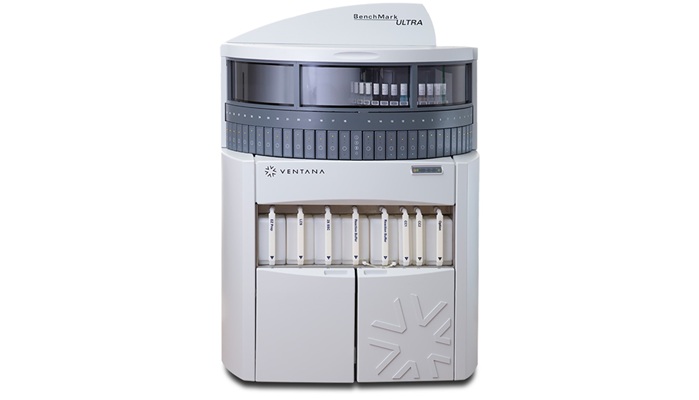
New Companion Diagnostic Expands Precision Medicine in Prostate Cancer
Prostate cancer is a leading cancer diagnosis in men and becomes particularly aggressive when it presents as metastatic, hormone-sensitive disease. Tumors with loss of phosphatase and tensin homolog (PTEN)... Read more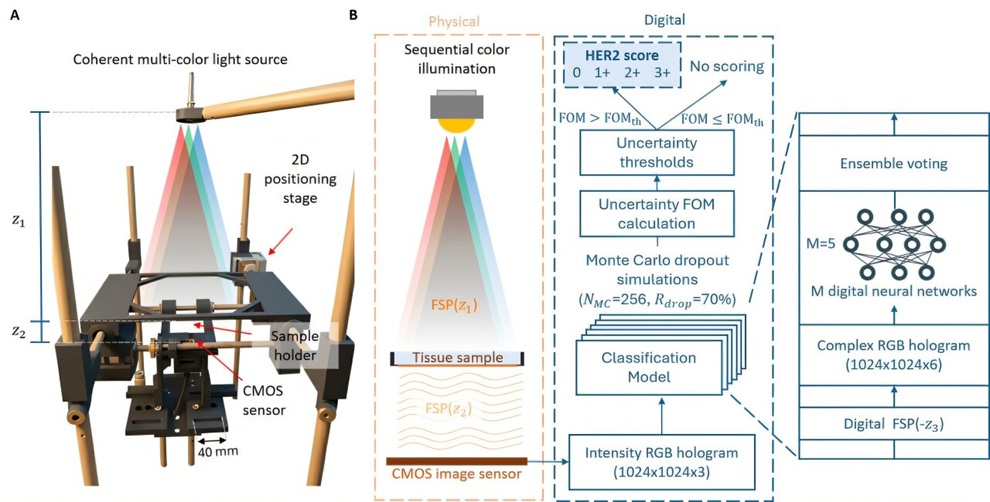
Uncertainty-Aware AI Platform Supports Automated HER2 Assessment in Breast Cancer
Accurate assessment of human epidermal growth factor receptor 2 (HER2) is critical for breast cancer diagnosis and treatment selection, yet scoring variability and infrastructure requirements can complicate... Read more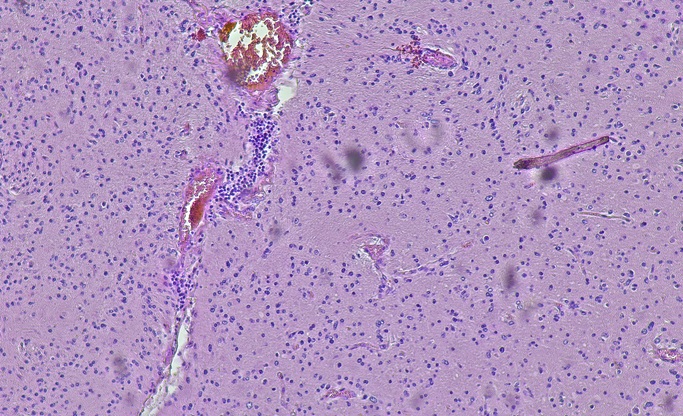
Technology
view channel
AI Platform Links Biomarker Results to Cancer Clinical Trials and Guidelines
Oncology teams must manage growing volumes of genomic data, rapidly evolving clinical trial options, and frequently updated care guidelines, all within tight clinic schedules. Translating complex tumor... Read more
Agentic AI Platform Supports Genomic Decision-Making in Oncology
Oncology care teams increasingly face the challenge of managing complex molecular diagnostics, evolving treatment options, and extensive electronic health record documentation. Translating multimodal data... Read more

Industry
view channel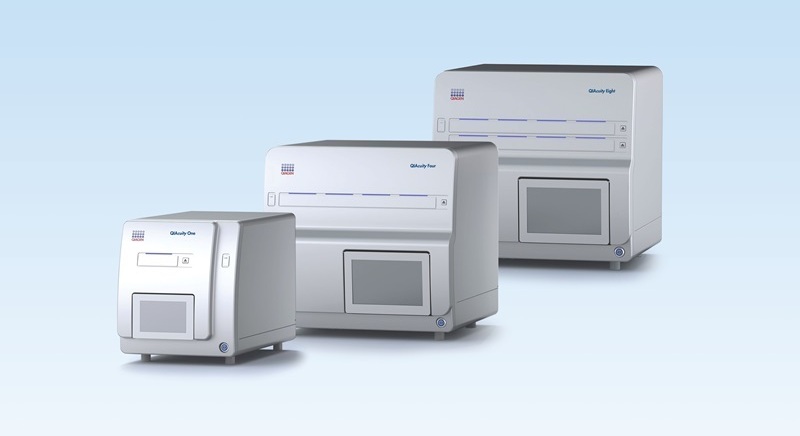
QIAGEN Enhances QIAcuity Platform with Gene Expression and Multiplexing Tools
QIAGEN (Venlo, Netherlands) has introduced additions to its QIAcuity dPCR ecosystem that focus on gene expression, expanded assay content, and workflow standardization for life sciences and biopharma users.... Read more