Seegene Showcases All-in-One Platform for Molecular Diagnostic Testing for Infectious Diseases
|
By LabMedica International staff writers Posted on 25 Apr 2022 |


|
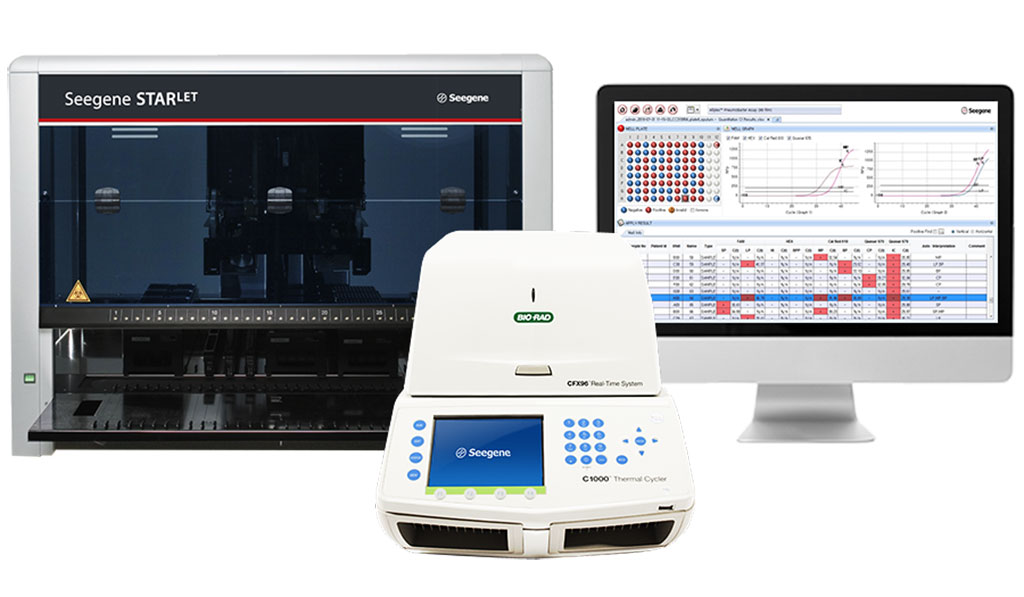
Seegene, Inc. (Seoul, Korea) showcased its first fully automated MDx system, STARlet-AIOS: All-in-One System at the 32nd European Congress of Clinical Microbiology & Infectious Diseases (ECCMID 2022).
ECCMID is the world’s premier clinical microbiology & infectious diseases event that brings together experts from many fields to present their latest findings, guidelines and experiences to an audience of over 14,000 colleagues. This year, the congress featured a hybrid format to facilitate an onsite and online experience for attendees allowing for remote and face-to-face opportunities to take part in the multifaceted program. During this event, Seegene showcased AIOS – its first fully automated MDx system. AIOS provides high-throughput real-time PCR workflow starting from nucleic acid extraction, then, real-time PCR, and finally result interpretation. AIOS is a fully automated syndromic MDx system designed in a modular concept while it compiles Seegene’s cutting-edge high multiplex real-time PCR technologies.
A noteworthy feature of AIOS is that its MDx system is composed of independent and detachable modules together with its proprietary SW architecture. Unlike others’ single-body system, AIOS is designed with an extraction/liquid handler and PCR instrument being integrated with an in-house developed robotic arm module. Hospitals and laboratories can either purchase the full package of ‘AIOS’ system or integrate their existing instruments on-site if they already have Seegene’s liquid handler and real-time PCR instrument.
Some of its other highlights include: ‘high-throughput automated syndromic MDx system’. It also adopts a variety of Seegene’s assays that are currently available on the market, which allows for symptom-based tests. And finally, it can identify the exact cause of a specific symptom with a single tube, which will enable both cost- and time- effective tests. The AIOS is ideal for small-to-medium sized hospitals due to its unique modular and assay features.
Related Links:
Seegene, Inc.







Latest ECCMID 2022 News
- BD Presents Latest Automated Solutions to Combat Antimicrobial Resistance at ECCMID 2022
- Boditech Presents Latest IVD Solutions at ECCMID 2022
- CerTest Presents VIASURE Complete Solution for Improved Molecular Diagnostic Workflow
- BioVendor Presents Its Portfolio of IVD Products and Technologies for Lab Automation
- Bio-Rad Exhibits Complete Infectious Disease Testing Portfolio at ECCMID 2022
- Siemens Presents Its Full Portfolio of COVID-19 Testing Solutions at ECCMID 2022
- MeMed Highlights Pioneering Blood Test for Accurately Distinguishing Between Bacterial and Viral Infection
- Abbott Highlights Rapid Diagnostic Platforms to Complement Centralized RT-PCR Testing at ECCMID 2022
- Beckman Coulter Presents Virtual Showcase of MicroScan Microbiology Solutions
- Randox Presents Vivalytic Universal, Fully Automated All-in-One Solution for Molecular Diagnostics at ECCMID 2022
- Meridian Bioscience Exhibits Curian Immunofluorescent Testing Platform at ECCMID 2022
- Copan Showcases Fully Automated Solutions for Antibiotic Susceptibility Testing at ECCMID 2022
- Autobio Diagnostics Showcases Automated Microbial Identification and ID-AST Solutions at ECCMID 2022
- Altona Diagnostics Exhibits AltoStar Product Range at ECCMID 2022
- Alifax Presents First Automated System for Bacterial Culture and Susceptibility Testing at ECCMID 2022
- LumiraDx Demonstrates Use of LumiraDx Platform in Infectious Disease Testing at ECCMID 2022
Channels
Clinical Chemistry
view channel
FDA-Approved Test Identifies Low Risk of Large Esophageal Varices in Cirrhosis
Chronic liver disease contributes substantially to mortality, and clinicians routinely screen adults with compensated cirrhosis for varices to prevent bleeding. However, endoscopy is invasive and reso... Read more
Blood Protein Signature Diagnoses Pediatric IBD and Distinguishes Subtypes
Confirming pediatric inflammatory bowel disease (IBD) often requires imaging, endoscopy, and histopathology, prolonging time to diagnosis. Reliable, noninvasive blood tests remain an unmet need in routine... Read more
Molecular Diagnostics
view channel
CSF Sequencing Test Aligns with Updated Brain Tumor Guidelines
Accurate genomic characterization of central nervous system tumors can be challenging when surgery or stereotactic biopsy is not feasible because of tumor location, patient health, or surgical risk.... Read more
Point-of-Care PCR Panel Delivers Vaginitis Results in 20 Minutes
Vaginitis is a frequent cause of genital discomfort and can result from bacterial vaginosis, vulvovaginal candidiasis, or trichomoniasis. However, traditional diagnostic methods may be subjective or lack... Read more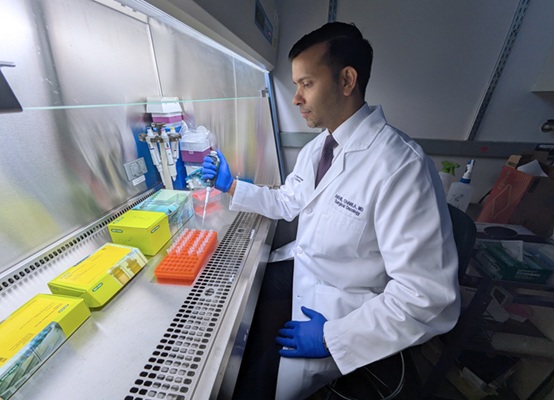

Hematology
view channel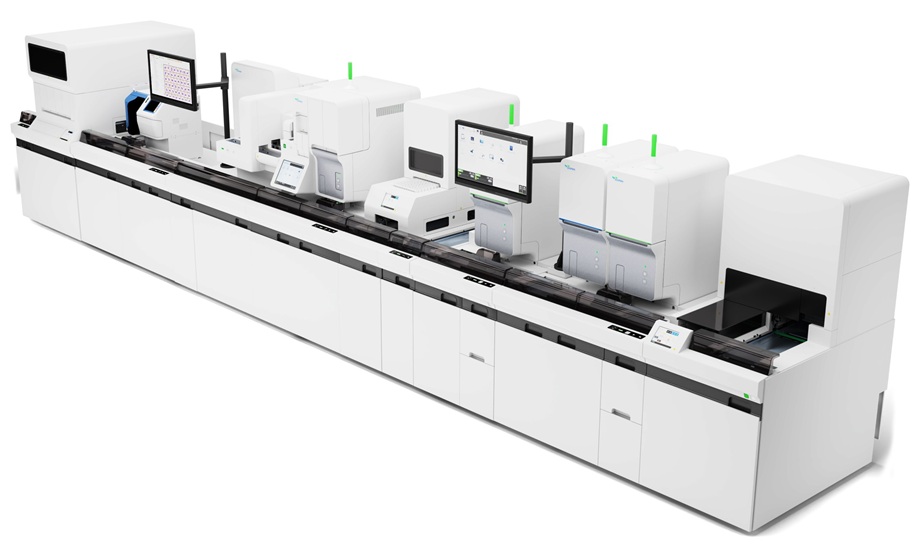
Next-Generation Hematology Platform Streamlines High-Complexity Lab Workflows
Sysmex America (Chicago, IL, USA) has introduced the next generation XR-Series, centered on the XR-10 Automated Hematology Module for high-complexity laboratories. The platform builds on the widely used... Read more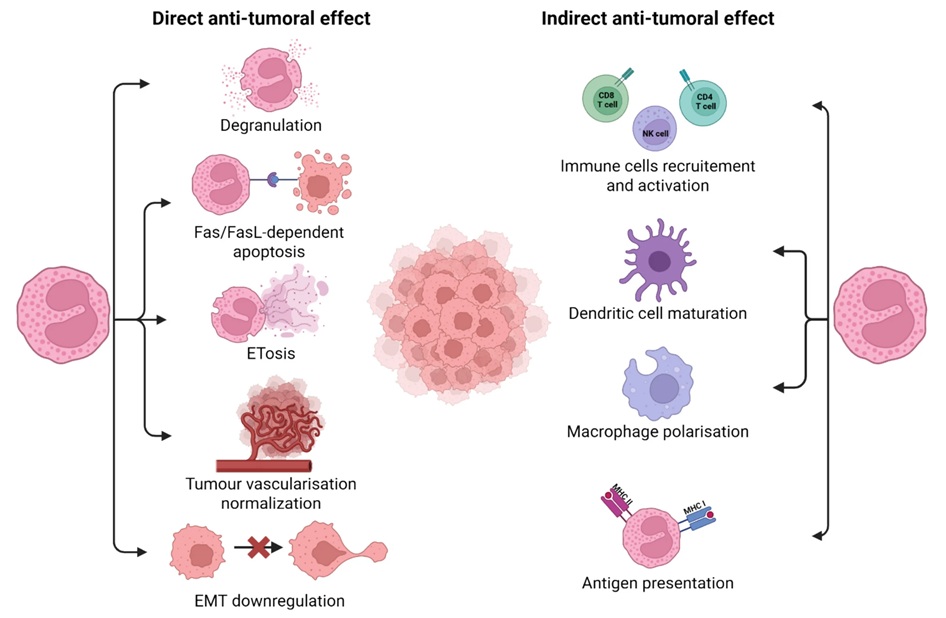
Blood Eosinophil Count May Predict Cancer Immunotherapy Response and Toxicity
Immune checkpoint inhibitors have improved outcomes across many cancers, yet only a subset of patients derive durable benefit and biomarkers to guide treatment remain limited. Eosinophils, best known for... Read more
Immunology
view channel
Emergency Department Opt-Out Testing Program Identifies Undiagnosed HIV
Undiagnosed HIV continues to drive avoidable morbidity and transmission, with many people identified only after substantial immune damage has occurred. In England, about one in 20 people living with HIV... Read more
Immune Biomarkers Could Identify Risk of Chronic Critical Illness on ICU Admission
Severe traumatic injury can trigger immune and organ dysfunction that complicates recovery in the intensive care unit. A subset of patients develop chronic critical illness, defined as dependence on intensive... Read more
Microbiology
view channel
H. pylori Screening Within Colorectal Program Aids Gastric Cancer Prevention
Health systems increasingly rely on economic evidence to guide cancer prevention strategies. For gastric cancer, selecting screening approaches that can integrate with existing programs is a key policy question.... Read more
Machine Learning Reveals Consistent Gut Microbiome Patterns in Colorectal Cancer
Colorectal cancer has been repeatedly linked to alterations in the gut microbiome, yet findings have often varied across small, heterogeneous studies. Reproducibility has been limited by differing sequencing... Read more

Pathology
view channel
Uncertainty-Aware AI Tool Improves Digital Pathology for Cancer Subtyping
Reliable histologic subtyping guides therapy selection in oncology, yet diagnostic workflows grow more complex as whole-slide imaging and artificial intelligence (AI) expand. A persistent obstacle to clinical... Read more
Study Highlights Biomarker Testing Delays in Lung Cancer Care
Timely biomarker results are critical to match lung cancer patients with targeted therapies or immunotherapies, yet many clinical pathways still delay testing after biopsy. Ordering responsibility, reimbursement... Read more
Technology
view channel
AI Platform Links Biomarker Results to Cancer Clinical Trials and Guidelines
Oncology teams must manage growing volumes of genomic data, rapidly evolving clinical trial options, and frequently updated care guidelines, all within tight clinic schedules. Translating complex tumor... Read more
Agentic AI Platform Supports Genomic Decision-Making in Oncology
Oncology care teams increasingly face the challenge of managing complex molecular diagnostics, evolving treatment options, and extensive electronic health record documentation. Translating multimodal data... Read more

Industry
view channel
Partnership Integrates Automated DNA Extraction with Single-Molecule Digital PCR
Countable Labs (Palo Alto, CA, USA) and Promega (Madison, WI, USA) have entered a co-marketing agreement that integrates the Promega Maxwell System for nucleic acid extraction with Countable Labs’ Countable... Read more