Cord Blood and Matched Related Donor Transplantation Compared in Acute Myeloid Leukemia
|
By LabMedica International staff writers Posted on 19 Jan 2022 |


|
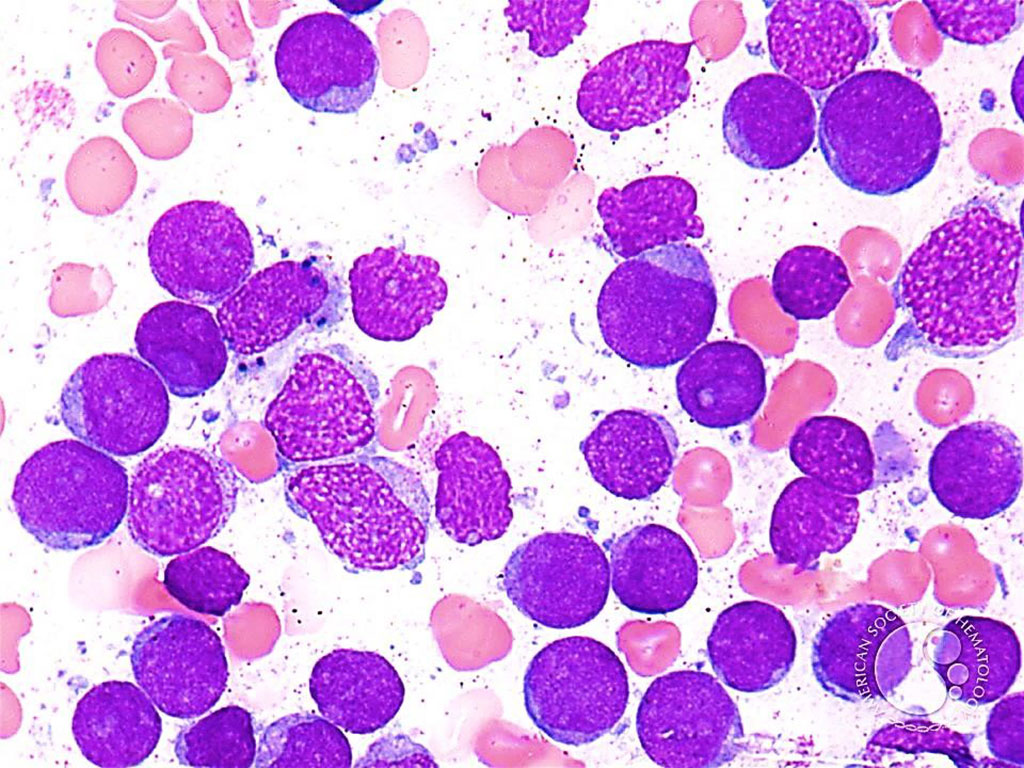
Image: Bone marrow aspirate from a patient with Acute Myeloid Leukemia: Blasts are the predominant population and have a high nuclear to cytoplasmic ratio and generally lack granules. (Photo courtesy of Professor Peter G. Maslak, MD)
The prognosis of primary refractory and relapsed acute myeloid leukemia is poor, with a five-year overall survival of less than 10%. Allogeneic hematopoietic stem cell transplantation (HSCT) is the only curative treatment option for these patients.
Cord blood transplantation (CBT) is an alternative donor transplantation method and has the advantages of rapid availability and the possibility of inducing a more potent graft-versus-leukemia effect, leading to a lower relapse rate for patients with non-remission relapse and refractory acute myeloid leukemia (R/R AML).
A large team of Hematologists at the Graduate School of Medicine Kyoto University (Kyoto, Japan) and their colleagues investigated the impact of CBT, compared to human leukocyte antigen-matched related donor transplantation (MRDT). The study included 2,451 adult patients with non-remission R/R AML who received CBT (1,738 patients) or MRDT (713 patients) between January 2009 and December 2018. The median age was 55 years (interquartile range, 43–63 years), with 1,484 patients (61%) being male. Karyotype risk, was estimated as 190 (8.2%), 1,352 (59%), and 768 (33%) patients had favorable, intermediate, and poor karyotypes, respectively.
There were 1,499 (61%) patients with primary induction failures and 952 (39%) with relapses. Among these patients, 1,576 (65%) had blasts in the peripheral blood. The myeloablative conditioning regimen (MAC) and reduced-intensity conditioning regimen were defined as previously described. HLA match was defined as the same serologically identified HLA-A, HLA-B, and HLA-DRB1 between the donor and recipient. Comparisons were made by examining the 5-year progression-free survival (PFS) rates of these Japanese patients.
The investigators reported that the primary endpoint, the 5-year PFS, was 22.2% (95% CI: 20.1–24.3%) in the CBT group and 19.9% (95% CI: 16.8–23.1%) in the MRDT group. The adjusted hazard ratio (HR) was 0.83 (95% CI: 0.69–1.00); this was due to a more pronounced decrease in the relapse rate (HR: 0.78, 95% CI: 0.69–0.89) than an increase in the non-relapse mortality (NRM: 1.42, 1.15–1.76). The CBT group had more patients with infection-related death and fewer patients with graft-versus-host disease (GVHD)-related deaths and death due to primary diseases.
Yoshimitsu Shimomura, MD, a Hematologist and the lead author of the study, said, “We believe CBT would be a great treatment option for R/R AML patients in non-remission given the circumstances. However, there are currently limited data for how this subset of patients would respond to CBT. Before comparing PFS rates, we performed propensity score matching. This took into account factors such as patient age, sex, years of treatment, and others to ensure all comparisons were as fair as possible and no biases were introduced. CBT compared with MDRT that had a more pronounced decrease in relapse rate than increase in NRM.”
The authors concluded that their data support CBT as a potential superior alternative to MRDT for patient prognosis and thus provide evidence which may influence clinical guidelines on R/R AML treatment. Future studies will investigate if genetic factors play any roles in patients’ responses to these two transplantation methods. Additionally, patient quality of life will be considered to optimize therapeutic development for this deadly disease. The study was originally published on November 21, 2021 in the journal Leukemia.
Related Links:
Graduate School of Medicine Kyoto University







Cord blood transplantation (CBT) is an alternative donor transplantation method and has the advantages of rapid availability and the possibility of inducing a more potent graft-versus-leukemia effect, leading to a lower relapse rate for patients with non-remission relapse and refractory acute myeloid leukemia (R/R AML).
A large team of Hematologists at the Graduate School of Medicine Kyoto University (Kyoto, Japan) and their colleagues investigated the impact of CBT, compared to human leukocyte antigen-matched related donor transplantation (MRDT). The study included 2,451 adult patients with non-remission R/R AML who received CBT (1,738 patients) or MRDT (713 patients) between January 2009 and December 2018. The median age was 55 years (interquartile range, 43–63 years), with 1,484 patients (61%) being male. Karyotype risk, was estimated as 190 (8.2%), 1,352 (59%), and 768 (33%) patients had favorable, intermediate, and poor karyotypes, respectively.
There were 1,499 (61%) patients with primary induction failures and 952 (39%) with relapses. Among these patients, 1,576 (65%) had blasts in the peripheral blood. The myeloablative conditioning regimen (MAC) and reduced-intensity conditioning regimen were defined as previously described. HLA match was defined as the same serologically identified HLA-A, HLA-B, and HLA-DRB1 between the donor and recipient. Comparisons were made by examining the 5-year progression-free survival (PFS) rates of these Japanese patients.
The investigators reported that the primary endpoint, the 5-year PFS, was 22.2% (95% CI: 20.1–24.3%) in the CBT group and 19.9% (95% CI: 16.8–23.1%) in the MRDT group. The adjusted hazard ratio (HR) was 0.83 (95% CI: 0.69–1.00); this was due to a more pronounced decrease in the relapse rate (HR: 0.78, 95% CI: 0.69–0.89) than an increase in the non-relapse mortality (NRM: 1.42, 1.15–1.76). The CBT group had more patients with infection-related death and fewer patients with graft-versus-host disease (GVHD)-related deaths and death due to primary diseases.
Yoshimitsu Shimomura, MD, a Hematologist and the lead author of the study, said, “We believe CBT would be a great treatment option for R/R AML patients in non-remission given the circumstances. However, there are currently limited data for how this subset of patients would respond to CBT. Before comparing PFS rates, we performed propensity score matching. This took into account factors such as patient age, sex, years of treatment, and others to ensure all comparisons were as fair as possible and no biases were introduced. CBT compared with MDRT that had a more pronounced decrease in relapse rate than increase in NRM.”
The authors concluded that their data support CBT as a potential superior alternative to MRDT for patient prognosis and thus provide evidence which may influence clinical guidelines on R/R AML treatment. Future studies will investigate if genetic factors play any roles in patients’ responses to these two transplantation methods. Additionally, patient quality of life will be considered to optimize therapeutic development for this deadly disease. The study was originally published on November 21, 2021 in the journal Leukemia.
Related Links:
Graduate School of Medicine Kyoto University

Platinum Member
Automated Coagulation Analyzer
Hemolumi H6
Gold Member
Electrolyte Analyzer
CBS-4000 (CBS-400)
Automated Clinical Chemistry Analyzer
Envoy 500+
Thyroid Test
Anti-Thyroid EIA Test
Latest Hematology News
- New Genetic Findings Reveal Cause of Bone Marrow Failure Syndrome
- Ultra-Portable Device Enables Finger-Prick Blood Testing at Home
- Age-Specific CBC Reference Intervals Support Pediatric Diagnosis in Vietnam
- Spectral Flow Cytometry Assay Enhances MRD Detection in Multiple Myeloma
- New Marker Helps Detect Aggressive Multiple Myeloma Earlier
- New Biomarkers Predict Resistance to Targeted Therapy in Rare Blood Cancer
- AI Decision Support System Guides Treatment Selection for Complex Blood Cancers
- Blood Test Helps Predict Short-Term Mortality After Severe Heart Attack
- Next-Generation Hematology Platform Streamlines High-Complexity Lab Workflows
- Blood Eosinophil Count May Predict Cancer Immunotherapy Response and Toxicity
- Higher Ferritin Threshold May Improve Iron Deficiency Detection in Children
- Stem Cell Biomarkers May Guide Precision Treatment in Acute Myeloid Leukemia
- Advanced CBC-Derived Indices Integrated into Hematology Platforms
- Blood Test Enables Early Detection of Multiple Myeloma Relapse
- Single Assay Enables Rapid HLA and ABO Genotyping for Transplant Matching
- Prognostic Biomarker Identified in Diffuse Large B-Cell Lymphoma
Channels
Clinical Chemistry
view channel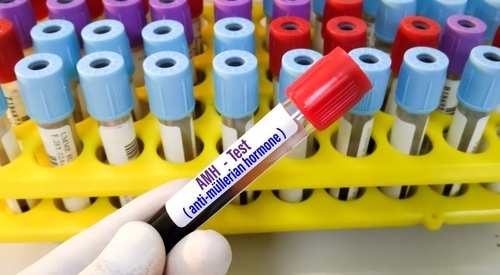
AMH Test Helps Predict Adjuvant Chemotherapy Benefit in Premenopausal Breast Cancer
Hormone receptor-positive, human epidermal growth factor receptor 2-negative (HR+/HER2-) breast cancer can present a difficult treatment decision in premenopausal patients with low recurrence scores.... Read more
Compact Prenatal Screening System Expands Access to Preeclampsia Testing
Preeclampsia affects an estimated 2%–8% of pregnancies and is rising globally with increasing maternal age, diabetes, and hypertension. While international guidelines recommend screening, access often... Read more
Blood Test on a Chip Offers Low-Cost Lung Cancer Detection Without DNA Sequencing
Lung cancer is the leading cause of cancer deaths worldwide, and screening often yields indeterminate results that prompt invasive workups. Computed tomography (CT) detects small nodules but can flag benign... Read more
Molecular Diagnostics
view channel
Sequencing-Based Newborn Screening Identifies Pediatric Cancer Risk at Birth
Newborn screening in the United States relies on heel-stick blood spots to identify rare, treatable disorders through biochemical testing, but these programs generally do not assess inherited cancer risk... Read more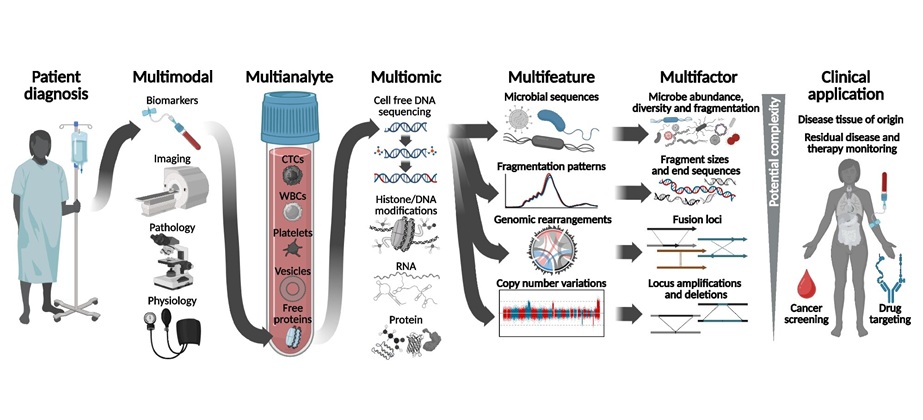
Liquid Biopsy Combines Multiple Signals for Cancer Detection in a Single Analysis
Detecting and monitoring cancer often requires repeated tissue biopsies, which are invasive and not always feasible. Liquid biopsy offers a less invasive way to track disease over time, but many assays... Read more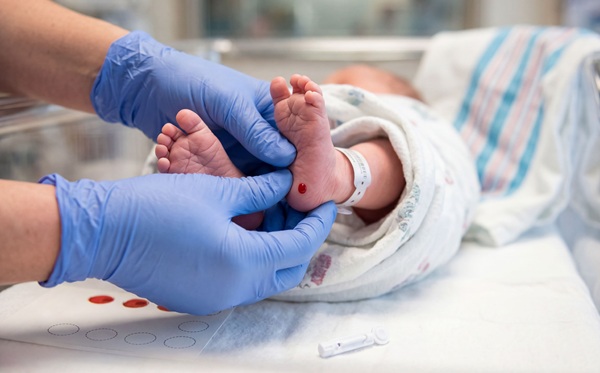

Immunology
view channel
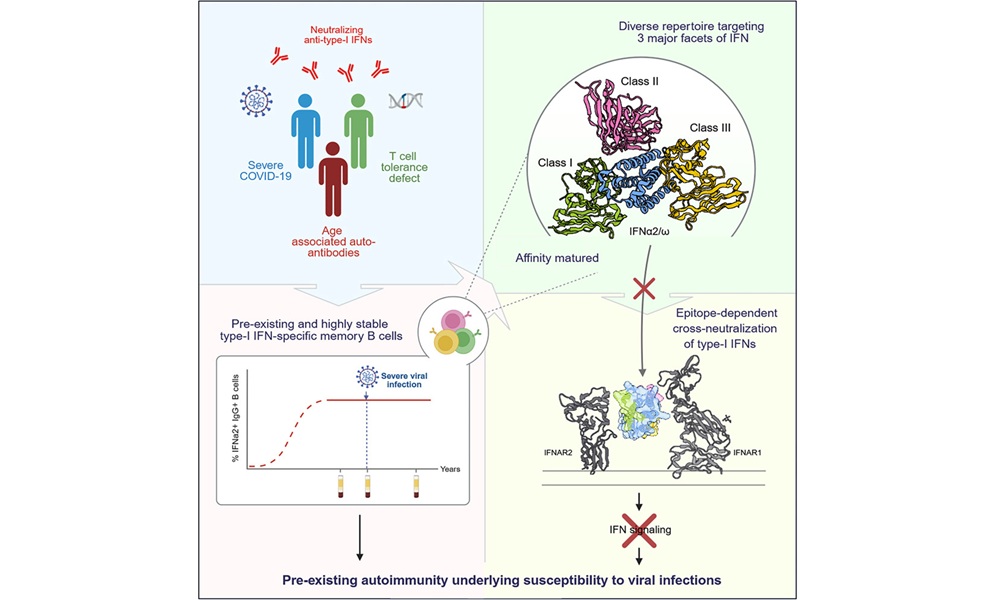
Immune Biomarkers May Predict Recurrent Checkpoint Inhibitor Arthritis
Inflammatory arthritis is a recognized immune-related adverse event in patients treated with immune checkpoint inhibitors (ICIs) for cancer. Between 20% and 50% of affected patients experience more than... Read more
Immune Cell Blood Test May Predict Melanoma Immunotherapy Response
Melanoma remains one of the deadliest skin cancers, although outcomes improve markedly when the disease is detected early. Immunotherapy has extended survival for many patients with advanced melanoma,... Read more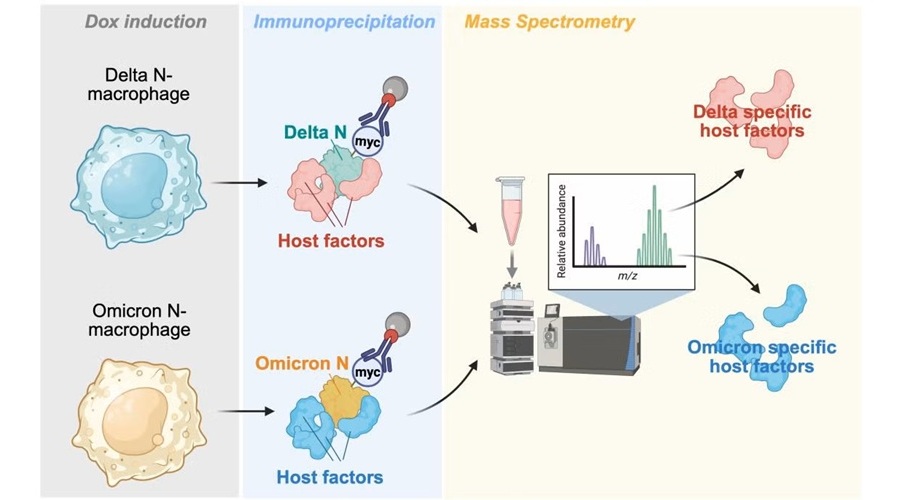
Microbiology
view channel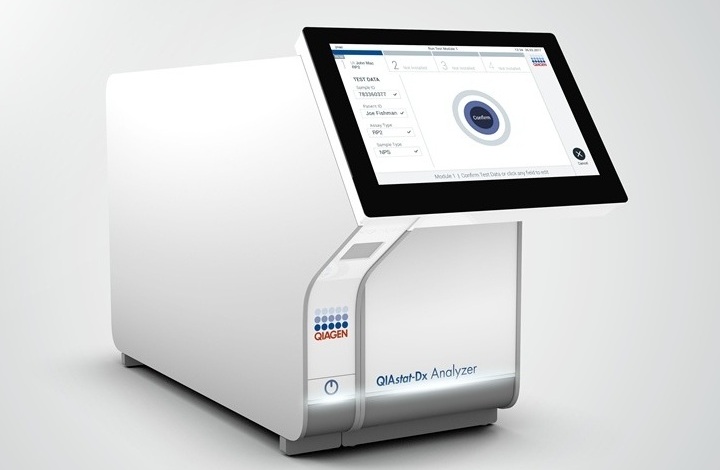
FDA Clears One-Hour Panel for Bloodstream Infection and AMR Detection
Bloodstream infections can rapidly progress to sepsis, a life-threatening condition affecting an estimated 1.7 million adults in the U.S. each year. Rapid identification of pathogens and antimicrobial... Read more
Precision Screening Helps Close Hepatitis C Diagnosis and Treatment Gaps
Hepatitis C remains a leading cause of cirrhosis and liver cancer, yet many infections go undiagnosed or untreated because health systems fail to reach those at greatest risk. Although highly effective... Read more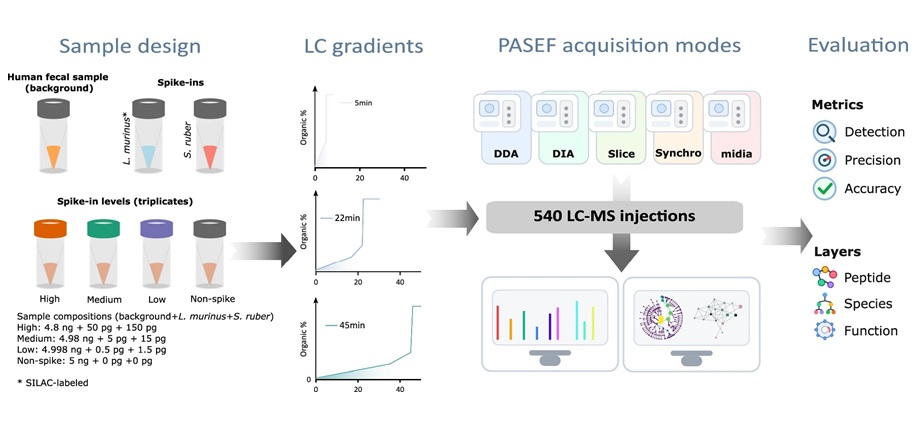
Proteomic Workflow Maps Microbial and Host Responses in Intestinal Inflammation
The intestinal microbiome influences digestion, metabolism, and immunity, yet its complexity makes functional measurements difficult to obtain. DNA surveys can indicate which organisms and potential pathways... Read more
Metagenomic Sequencing Enables Faster Diagnosis of Respiratory Infections in Cystic Fibrosis
Serious lung infections remain a major cause of morbidity among people with cystic fibrosis, a life-threatening genetic disorder characterized by persistent airway colonization and frequent antimicrobial exposure.... Read morePathology
view channel
AI Tool Identifies Slide Artifacts to Speed Digital Pathology Diagnosis
Pathology laboratories face growing case volumes, staffing pressures, and increasing diagnostic complexity that can delay results. At the same time, whole-slide images may contain quality defects such... Read more
FDA-Cleared Digital Pathology Platform Expands Interoperability for Primary Diagnosis
Rising cancer incidence is colliding with a shrinking pathologist workforce, intensifying pressure on diagnostic turnaround times in clinical laboratories. Many labs are adopting digital pathology to manage... Read more

Technology
view channel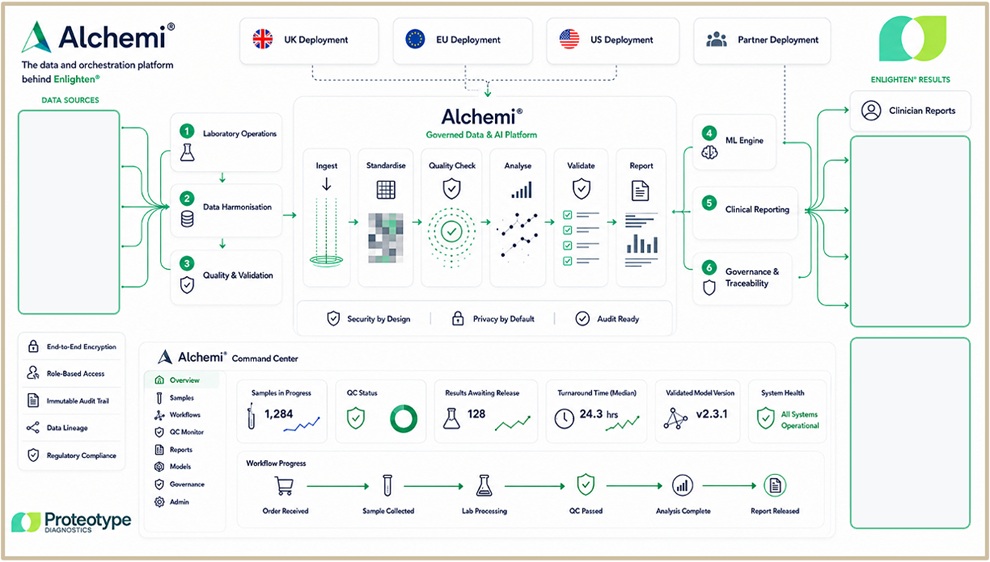
Interoperable Data Platform Standardizes Multi-Cancer Blood Test Results
Proteotype Diagnostics has introduced Alchemi, a proprietary data and clinical workflow platform being developed for Enlighten, the company’s investigational blood-based multi-cancer test.... Read more
Training Device Improves Accuracy of Pooled Molecular Diagnostics
High-throughput molecular diagnostics have transformed infectious disease detection, but many workflows remain difficult to execute accurately without extensive training. Sample pooling can cut per‑test... Read more
New CE-Certified Software Advances Whole-Genome Cancer Testing
European hospitals are increasingly using comprehensive tumor genomics to guide therapy, but routine whole genome sequencing (WGS) requires validated, regulation-compliant workflows. A newly CE-certified... Read more
National Rare Disease Registry Standardizes Genetic and Clinical Data for Coordinated Care
Rare diseases collectively impose a significant clinical burden despite their individual rarity, often involving multisystem presentations and prolonged diagnostic journeys. Limited specialist expertise... Read moreIndustry
view channel
Collaboration Supports Global ADC Development with AI-Powered Tissue Analysis
Selecting patients for antibody-drug conjugates (ADCs) increasingly requires broader tissue context, as target expression alone may not fully explain therapeutic response. Laboratories and translational... Read more
Standardized Staining Technology Advances Digital Pathology Workflows
Digital pathology is increasingly used to streamline cancer diagnostics, yet staining variability can hinder slide interpretation and limit the reliability of artificial intelligence tools.... Read more
Global Testing Service Advances Leukemia MRD Monitoring
KMT2A rearrangements drive aggressive subsets of acute myeloid leukemia (AML) and acute lymphoblastic leukemia (ALL) and are associated with relapse and poor outcomes. As menin inhibitors enter clinical... Read more